Agriculture›
 Apparel and fashion accessories›
 Construction & real estate›💡Electronic & Electrical›🍎Food & Beverages›🛋️Home furnishing & supplies›⚗️Industrial goods & chemical›🪨Minerals & metals›📦Miscellaneous›Agriculture›Apparel and fashion accessories›Construction & real estate›💡Electronic & Electrical›🍎Food & Beverages›🛋️Home furnishing & supplies›⚗️Industrial goods & chemical›🪨Minerals & metals›📦Miscellaneous›
Pureganics Product Catalog

About Pureganics - Cosmetics & Beauty Products Supplier in India
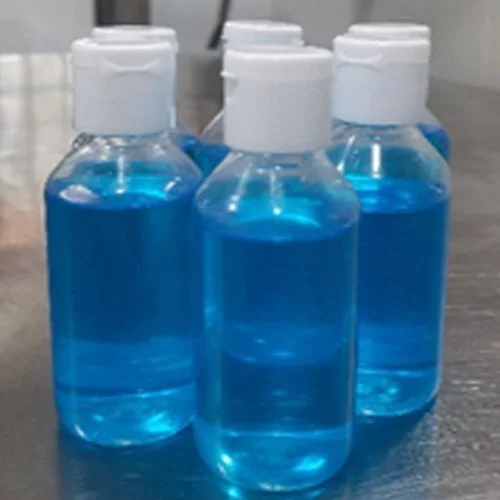
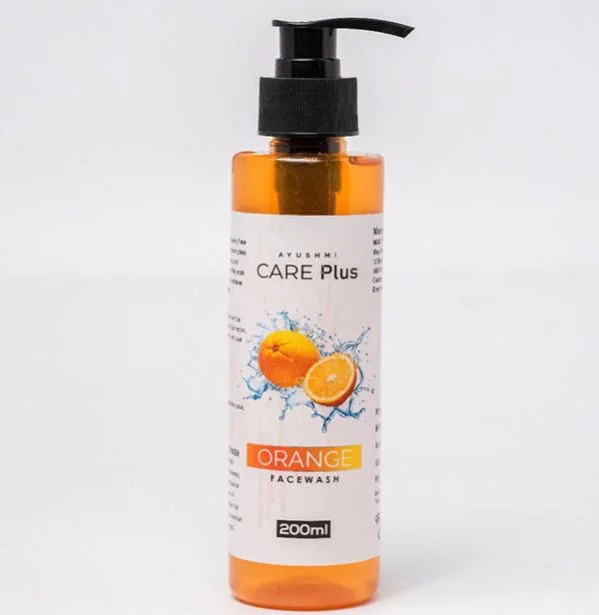
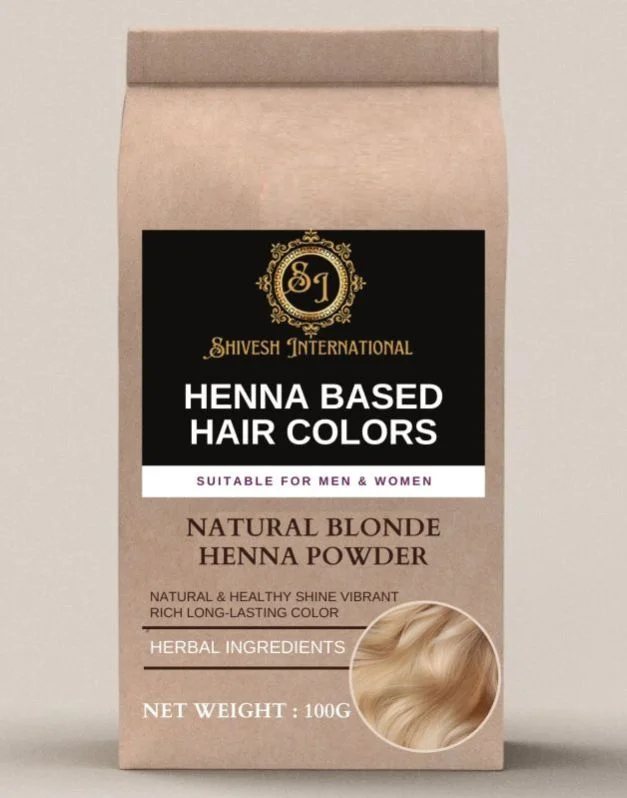
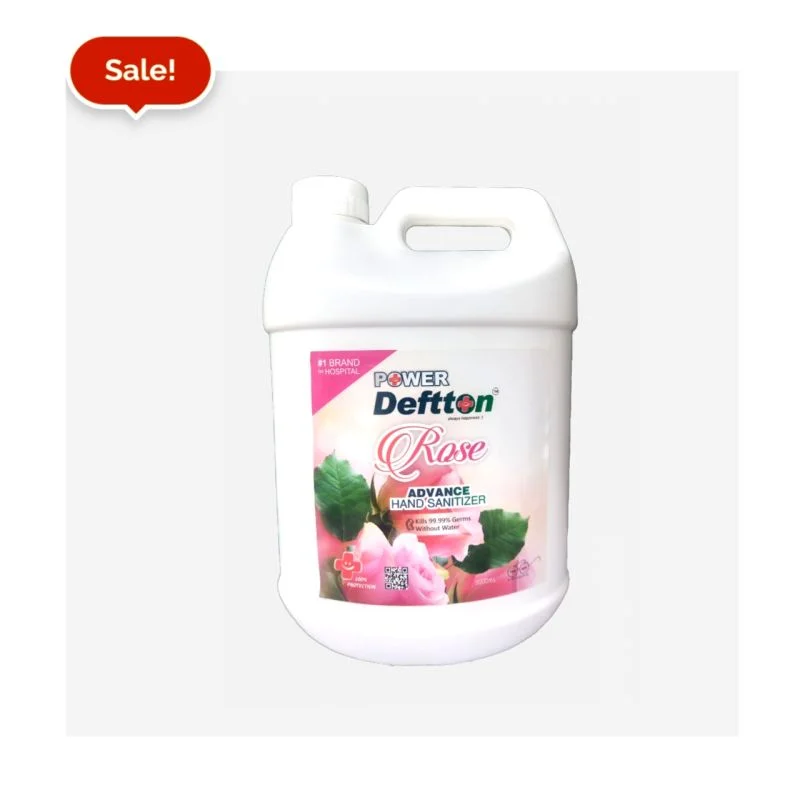
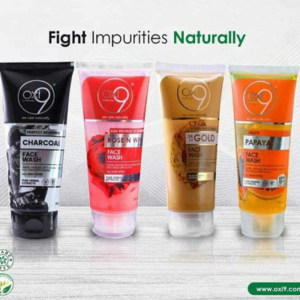
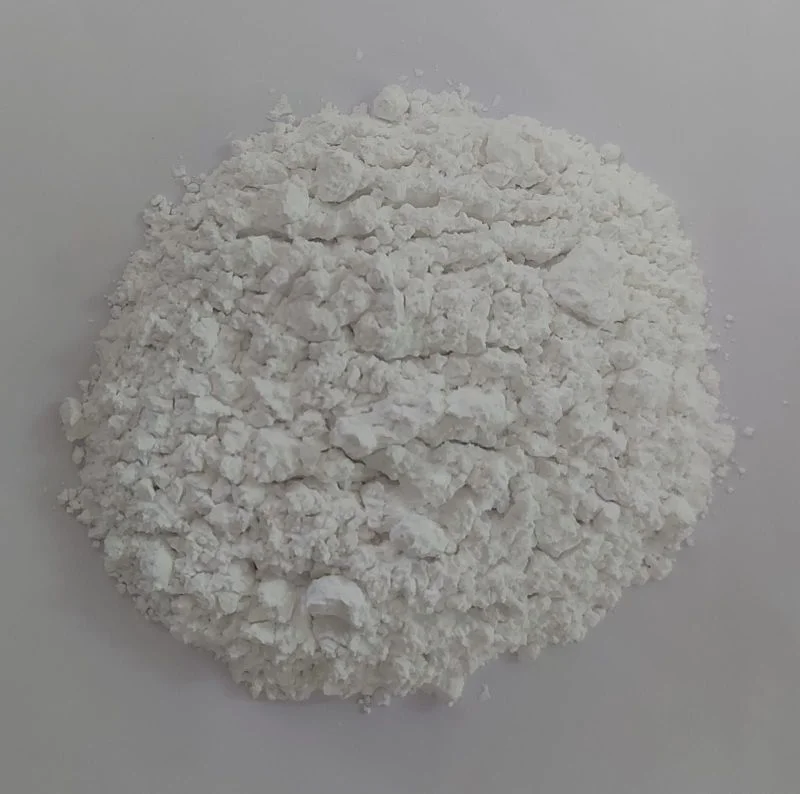
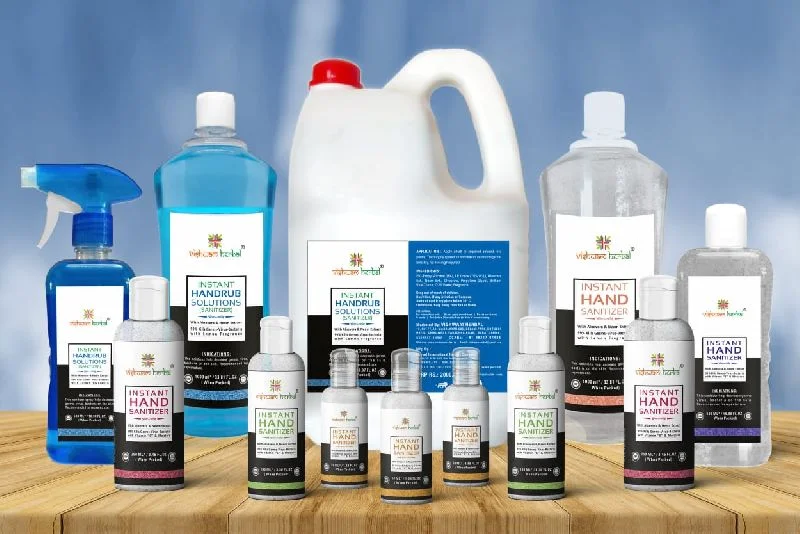
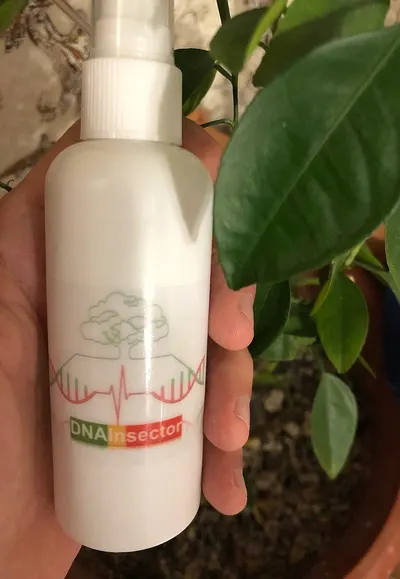
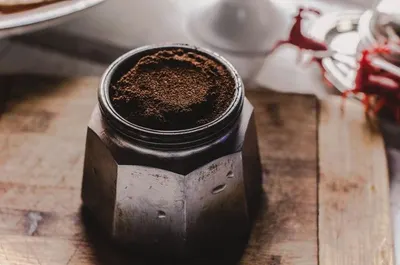
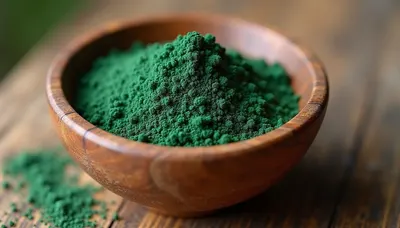
Pureganics is based in India and currently lists 14 distinct products across several personal care and cosmetic categories. The catalogue includes items such as Mosquito Repellent Gel (both DEET and DEET‑free), Aloe Vera Juice, Aloe Vera Gel (HS code 3304.99), Aloe Neem Mint Hand Wash, Chlorophyll Face Pack, Aloe Face Wash, Herbal Heena Powder, Coffee Bean Face Scrub, Black Mehndi Powder, Hand Sanitizer with 70 % Alcohol (HS code 3808.94), Amla Juice, Strawberry Seed Scrub and Activated Charcoal Face Pack. The listed products fall under the top categories of Face Wash, Mosquito Coils/Insect Repellents, Heena Products, Aloe Vera, Cosmetics & Beauty Products, Alcohol Based Hand Sanitizer, Juice and Face Cream.
The supplier is classified in the harbor trust tier, indicating a moderate level of verification on the platform. All products are described with material composition where provided; for example the Aloe Vera Gel combines Aloe Barbadensis Miller leaf juice, deionized water, carbopol and natural preservatives. The hand sanitizer is formulated as a 70 % ethyl or isopropyl alcohol solution. No additional certifications are listed in the supplied data.
Product Range and Specialties of Pureganics
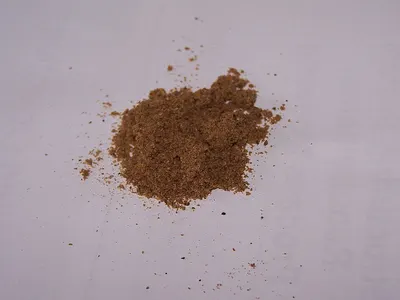
Pureganics’ catalogue covers a mix of topical cosmetics, personal hygiene and natural extracts. Mosquito repellent gels are typically formulated with DEET concentrations ranging from 5 % to 30 % for DEET‑based versions, while DEET‑free gels rely on botanical actives such as citronella or neem oil. Aloe‑based products such as Aloe Vera Juice, Gel and Face Wash normally require a minimum aloe purity of 90 % and may be standardized to ICUMSA 45 for juice clarity. Hand sanitizers with 70 % alcohol align with WHO guidelines and are commonly tested to meet ASTM E2197 for efficacy. Heena and mehndi powders are regulated for heavy‑metal limits, with most importers demanding lead content below 10 ppm and a particle size distribution under 150 µm. Face washes and scrubs frequently target a pH of 5.5‑6.5, use surfactants such as sodium laureth sulfate or coco‑betaine, and may include exfoliating agents like coffee bean grounds or activated charcoal in particle sizes of 100‑200 µm. Juice products such as Amla Juice are generally assessed for Brix values between 10 % and 15 % and must comply with HACCP and local food‑safety standards.
Frequently Asked Questions About Pureganics
What HS codes are associated with Pureganics’ Aloe Vera Gel and Hand Sanitizer?
Aloe Vera Gel is listed under HS code 3304.99, which covers beauty or make‑up preparations not elsewhere specified. The Hand Sanitizer with 70 % alcohol is classified under HS code 3808.94, the sub‑heading for antiseptic preparations containing alcohol.
Does Pureganics provide any certifications for its products?
The supplied data does not list any certifications held by Pureganics. Buyers should request copies of any ISO, GMP or local regulatory certificates that the supplier can provide before confirming a purchase.
What heavy‑metal limits apply to the Heena and Mehndi powders offered by Pureganics?
Import regulations in most regions limit lead to less than 10 ppm and cadmium to less than 5 ppm in cosmetic powders. Buyers should ask for a metal‑content analysis to ensure compliance.
What packaging formats are typical for Pureganics’ liquid cosmetics?
Liquid cosmetics such as Aloe Gel, Juice and Hand Sanitizer are usually packed in PET or HDPE bottles ranging from 100 ml to 500 ml, equipped with child‑resistant caps for sanitizers. Confirm the exact bottle size and material before placing an order.
Which documents are essential for customs clearance of Pureganics’ products?
Customs authorities generally require a commercial invoice, packing list, the correct HS code declaration, and, for cosmetics, a Certificate of Origin and a safety data sheet. Additional certificates like ISO 22716 or a GMP audit report may be requested by the importer.
 India
Related Suppliers & Products
Explore similar suppliers, related products and trending categories