PT Tiga Tunas Berkarya — Verified Supplier
About PT Tiga Tunas Berkarya - Coconut Products Supplier in Indonesia
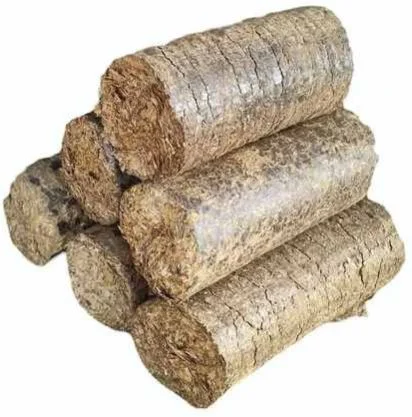
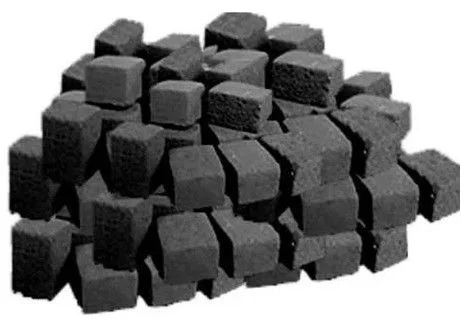
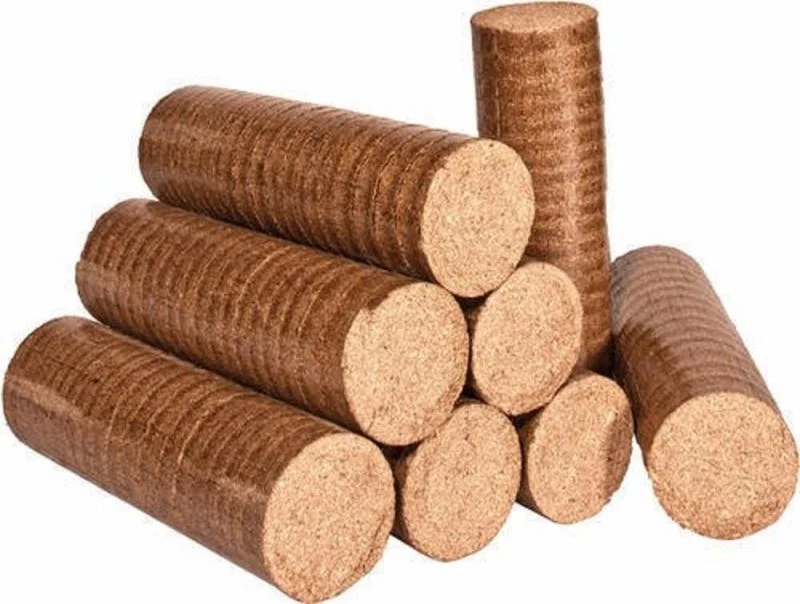
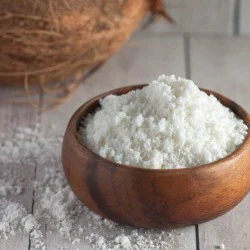
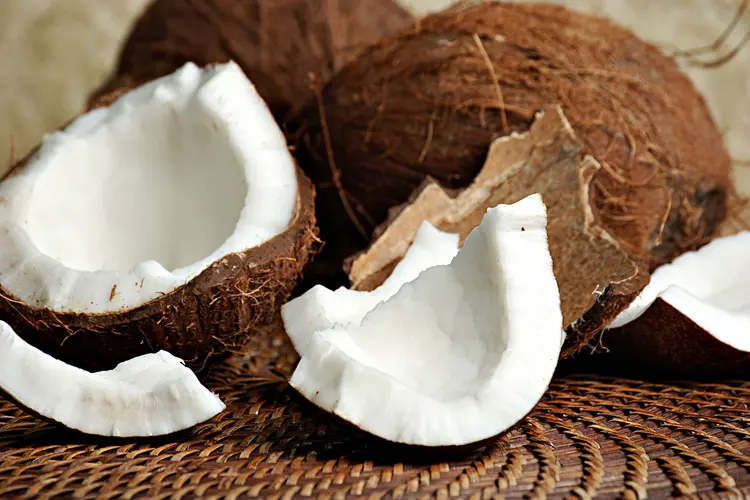
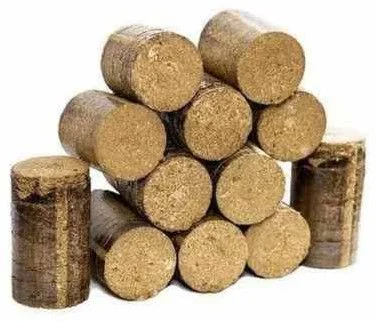
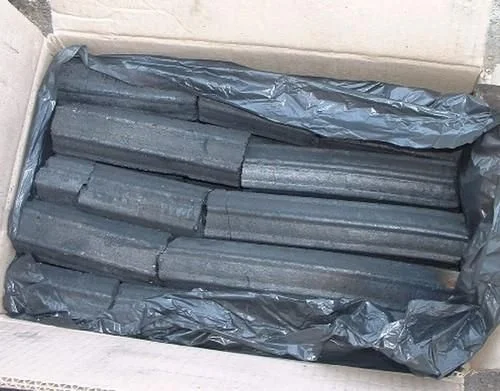
PT Tiga Tunas Berkarya is based in Indonesia and currently lists eight active products across coconut‑derived commodities. The catalogue includes coconut sugar, two types of charcoal briquettes (BBQ and shisha), coconut shell charcoal, desiccated coconut, semi‑husked coconut, coconut peat, and natural coconut coir fiber (HS 5305.11).
The product list covers both food‑grade items such as coconut sugar and desiccated coconut, and industrial bio‑fuel or horticultural materials like charcoal briquettes and coir fiber. Each entry is catalogued under the relevant HS‑code families used for customs clearance, with the coir fiber explicitly classified under HS 5305.11 for natural coconut coir fiber.
Product Range and Specialties of PT Tiga Tunas Berkarya
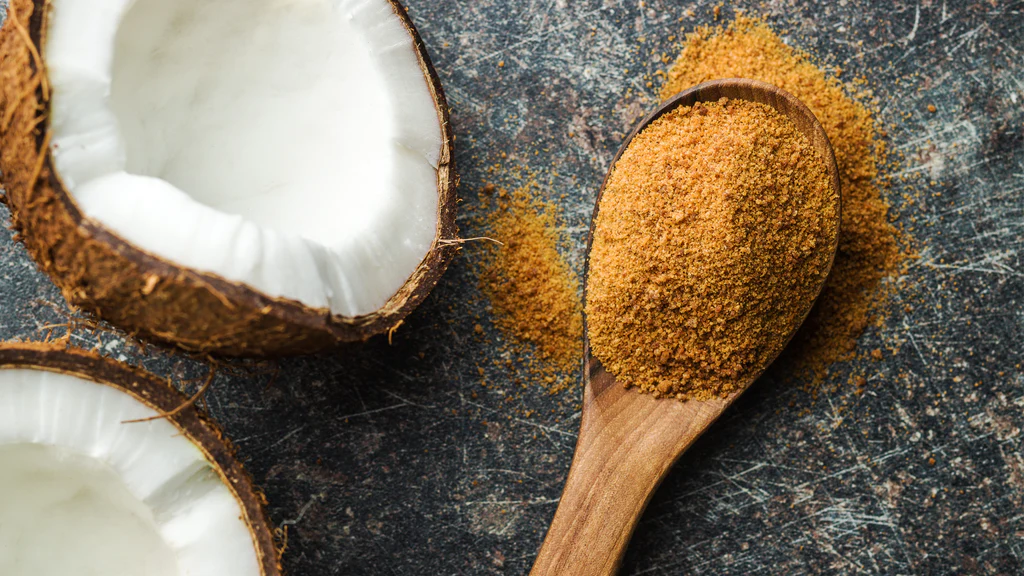
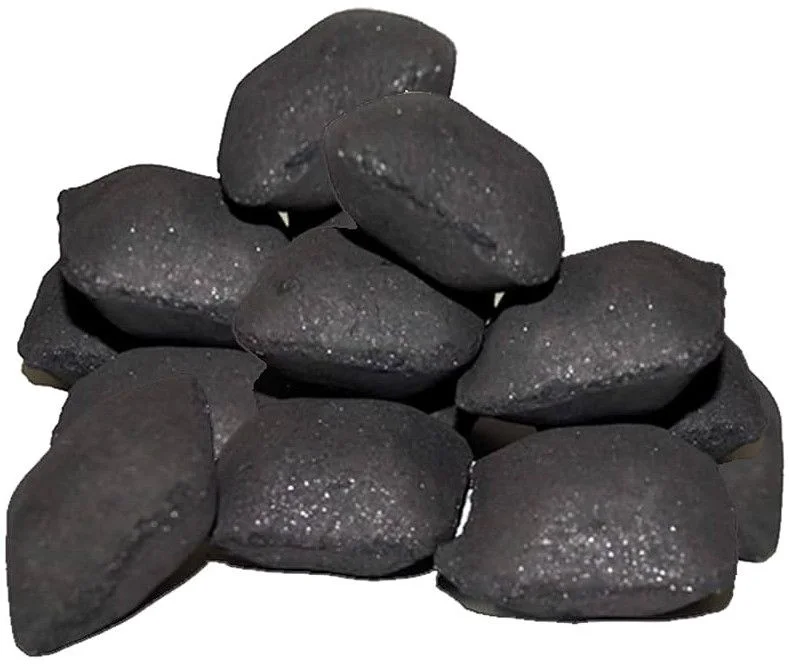
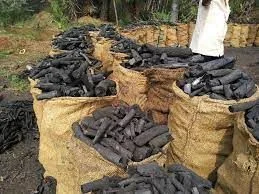
The catalogue spans eight coconut‑based products. Coconut sugar is a raw, granulated sweetener typically containing 80‑90 % sucrose and less than 5 % moisture. Charcoal briquettes for BBQ and shisha are produced from compressed coconut shell charcoal, commonly meeting ISO 17225‑2 specifications for fixed carbon (≥ 70 %) and ash content (≤ 5 %). Coconut shell charcoal itself is sold in lump form for industrial fuel, with calorific values around 29 MJ kg⁻¹. Desiccated coconut is dried to a moisture level below 6 % and offered in fine to medium particle sizes for confectionery and bakery uses. Semi‑husked coconut serves as a raw material for coir extraction. Coconut peat (coir pith) is a horticultural substrate with a typical bulk density of 0.15‑0.20 g cm⁻³ and pH 5.5‑6.5. Natural coconut coir fiber (HS 5305.11) is supplied in bundles with fiber lengths of 30‑100 mm and tensile strength around 20‑30 MPa.
Trade and Export Information - PT Tiga Tunas Berkarya
Indonesia is a major exporter of coconut products, with the majority of shipments destined for the United States, European Union, and Southeast Asian markets. Food‑grade items such as coconut sugar and desiccated coconut are usually classified under HS 1701 and HS 0804 respectively, and buyers often require ISO 22000 or HACCP compliance, along with a phytosanitary certificate for the EU. Charcoal briquettes and coconut shell charcoal fall under HS 4401‑44 and are commonly shipped in 25 kg bags or bulk 20‑ft containers, with buyers in the Middle East and Europe requesting ISO 9001 quality management and a material safety data sheet (MSDS). Coir fiber, peat and semi‑husked coconut are horticultural commodities classified under HS 5305 and HS 1202; standard export documentation includes a phytosanitary certificate, a certificate of origin, and, where required, a fumigation declaration. Typical Incoterms used by Indonesian exporters are FOB Jakarta or CIF major ports.
Sourcing from PT Tiga Tunas Berkarya - Buyer Guidance
When sourcing from PT Tiga Tunas Berkarya, buyers should request a recent laboratory analysis that confirms moisture content, ash or residual oil levels, and calorific value for the charcoal products. For coconut sugar and desiccated coconut, a food safety test report covering sucrose percentage, microbiological limits and possible pesticide residues is standard. Coir fiber and peat shipments should be accompanied by a phytosanitary certificate, bulk density measurement, and, if required by the destination, a fumigation certificate. Verify that any claimed certifications (e.g., ISO 9001, ISO 22000) are current and that test reports are signed by an accredited laboratory before confirming the order.
Frequently Asked Questions About PT Tiga Tunas Berkarya
What product codes are used for the coconut fiber offered by PT Tiga Tunas Berkarya?
The natural coconut coir fiber is classified under HS code 5305.11, which covers natural coconut coir fiber in bulk form.
Which certifications should a buyer request for the food‑grade coconut sugar?
Buyers typically ask for ISO 22000 or HACCP certification, a recent food safety test report, and a phytosanitary certificate for export to the EU or US.
What are the typical specifications for the BBQ charcoal briquettes?
BBQ briquettes usually meet ISO 17225‑2 specifications with fixed carbon ≥ 70 %, ash ≤ 5 %, moisture ≤ 8 % and a calorific value around 28‑30 MJ kg⁻¹.
How is coconut peat packaged for international shipment?
Coconut peat is commonly packed in 1 m³ bulk bags or 20‑ft containers, with bulk density 0.15‑0.20 g cm⁻³, and shipped with a phytosanitary certificate and, if required, a fumigation declaration.
What HS codes are generally applied to the desiccated coconut product?
Desiccated coconut is generally classified under HS code 0804.30, which covers coconut, dried, shredded or powdered.
What documentation is needed for the semi‑husked coconut used in coir production?
Buyers should request a phytosanitary certificate, a certificate of origin, and a material safety data sheet that details moisture content and any residual husk percentage.
What are the common container sizes for shipping the coconut shell charcoal?
Coconut shell charcoal is typically shipped in 20‑ft or 40‑ft containers, packed in 25 kg polypropylene bags or bulk bags, depending on the buyer’s preference.
Which markets commonly import the coir fiber from Indonesia?
Major importers of Indonesian coir fiber include horticultural growers in the United States, Europe, and China, where the material is used for growing media, erosion control and textile applications.




 , Indonesia