Agriculture›
 Apparel and fashion accessories›
 Construction & real estate›💡Electronic & Electrical›🍎Food & Beverages›🛋️Home furnishing & supplies›⚗️Industrial goods & chemical›🪨Minerals & metals›📦Miscellaneous›Agriculture›Apparel and fashion accessories›Construction & real estate›💡Electronic & Electrical›🍎Food & Beverages›🛋️Home furnishing & supplies›⚗️Industrial goods & chemical›🪨Minerals & metals›📦Miscellaneous›
Pt. Rekayasa Engineering Solution
⚓ Harbor , IndonesiaNew supplier / no reviews yet
Pt. Rekayasa Engineering Solution Product Catalog
About Pt. Rekayasa Engineering Solution - Nickel Ore Supplier in Indonesia
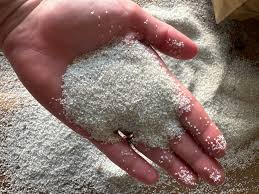
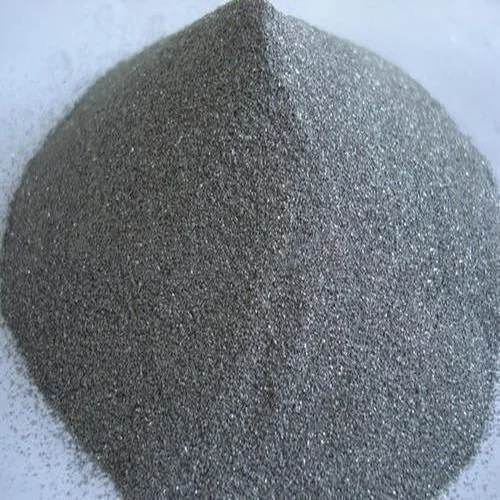
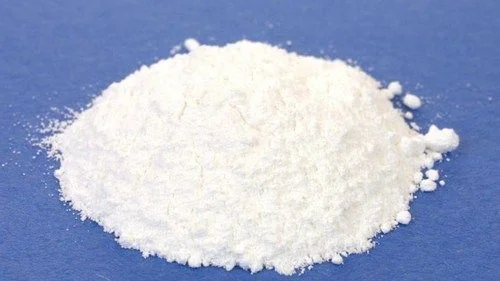
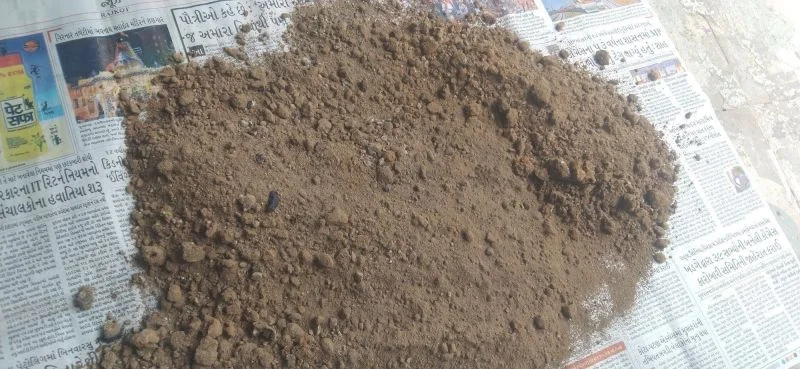
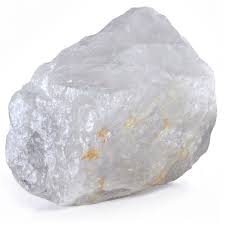
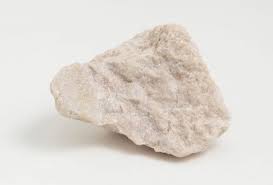
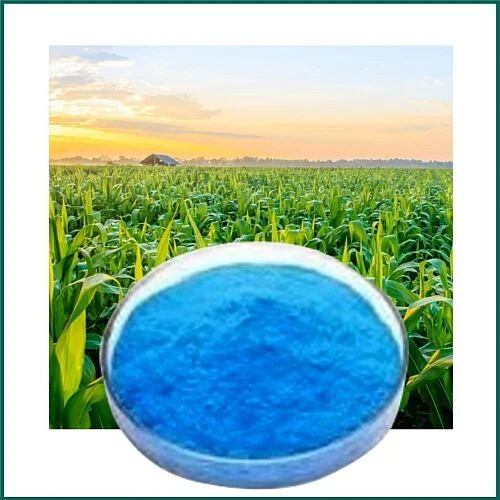
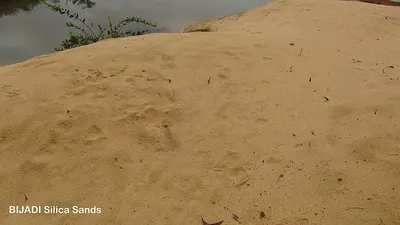
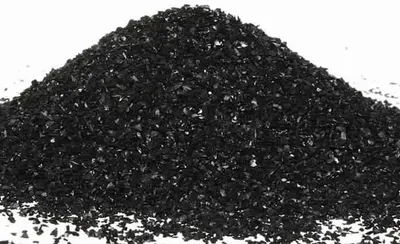
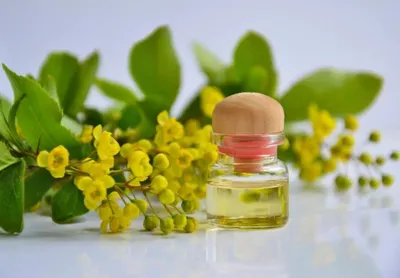
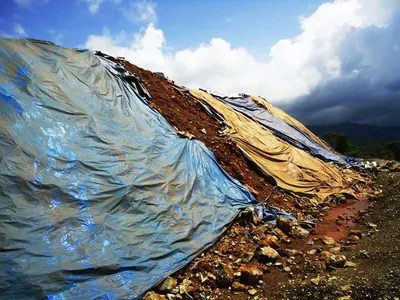
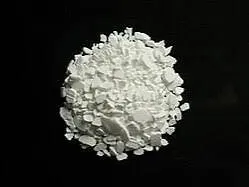
Indonesia hosts Pt. Rekayasa Engineering Solution, which currently lists five distinct products in its catalogue. The catalogue includes Nickel Ore classified under HS code 2604.00 with a material specification of Nickel Laterite Ore containing 1.8‑2.5% Ni, Nickel Sulfate Hydroxyde (Nickel Sulfate Hexahydrate) under HS code 2833.24, a combined entry for Moringa Oil, Moringa Powder and Patchouli Oil, Activated Carbon without a specific HS code, and Silica Sand under HS code 2505.10 with a purity of 99.17% SiO2.
Product Range and Specialties of Pt. Rekayasa Engineering Solution
The listed Nickel Ore falls within the laterite grade range of 1‑3% nickel, commonly shipped in 20‑foot containers with moisture below 5% and particle size between 0.5‑5 mm. Nickel Sulfate Hexahydrate is typically supplied at ≥98% nickel purity and is used in battery electrolyte formulations, often packaged in fiber drums with moisture content under 0.5%. Essential oils such as Moringa and Patchouli are evaluated against ISO 9235 standards, with typical oil content above 45% and GC‑MS profiles for purity. Activated Carbon products generally target a BET surface area above 800 m²/g and an iodine number exceeding 1000 mg/g, suitable for water and air filtration. Silica Sand with 99.17% SiO2 is usually graded to 0.1‑2 mm particle size and meets glass‑making specifications for low iron content.
Frequently Asked Questions About Pt. Rekayasa Engineering Solution
What product categories are listed by Pt. Rekayasa Engineering Solution?
The supplier lists Nickel Ore, Nickel Sulfate Hydroxyde, Moringa Oil and Powder together with Patchouli Oil, Activated Carbon, and Silica Sand.
Which HS codes apply to the products offered?
Nickel Ore uses HS code 2604.00, Nickel Sulfate Hydroxyde uses HS code 2833.24, and Silica Sand uses HS code 2505.10. The essential oils and activated carbon are listed without specific HS codes in the catalogue.
How can I request a sample of the nickel ore or essential oils?
Samples can be requested through the supplier’s trade portal; typically a small bulk bag for ore or a 250 ml glass bottle for oils is shipped after the buyer provides a valid MSDS request and freight terms.
What certifications or test reports should I ask for before purchasing nickel sulfate?
Buyers should ask for a chemical analysis certificate showing Ni % purity, an ISO 9001 compliance statement, and an MSDS that details handling and storage requirements.
What are the typical packaging formats for activated carbon and silica sand?
Activated carbon is usually packed in 1‑ton polypropylene bags or 25 kg paper bags, while silica sand is shipped in 20‑foot containers using bulk bags of 1 ton capacity, both complying with ISO packaging standards.
IndonesiaRelated Suppliers & Products
Explore similar suppliers, related products and trending categories