Agriculture›
 Apparel and fashion accessories›
 Construction & real estate›💡Electronic & Electrical›🍎Food & Beverages›🛋️Home furnishing & supplies›⚗️Industrial goods & chemical›🪨Minerals & metals›📦Miscellaneous›Agriculture›Apparel and fashion accessories›Construction & real estate›💡Electronic & Electrical›🍎Food & Beverages›🛋️Home furnishing & supplies›⚗️Industrial goods & chemical›🪨Minerals & metals›📦Miscellaneous›
PT Raka Sukma Asri Product Catalog

About PT Raka Sukma Asri - Fresh Vegetables Supplier in Indonesia
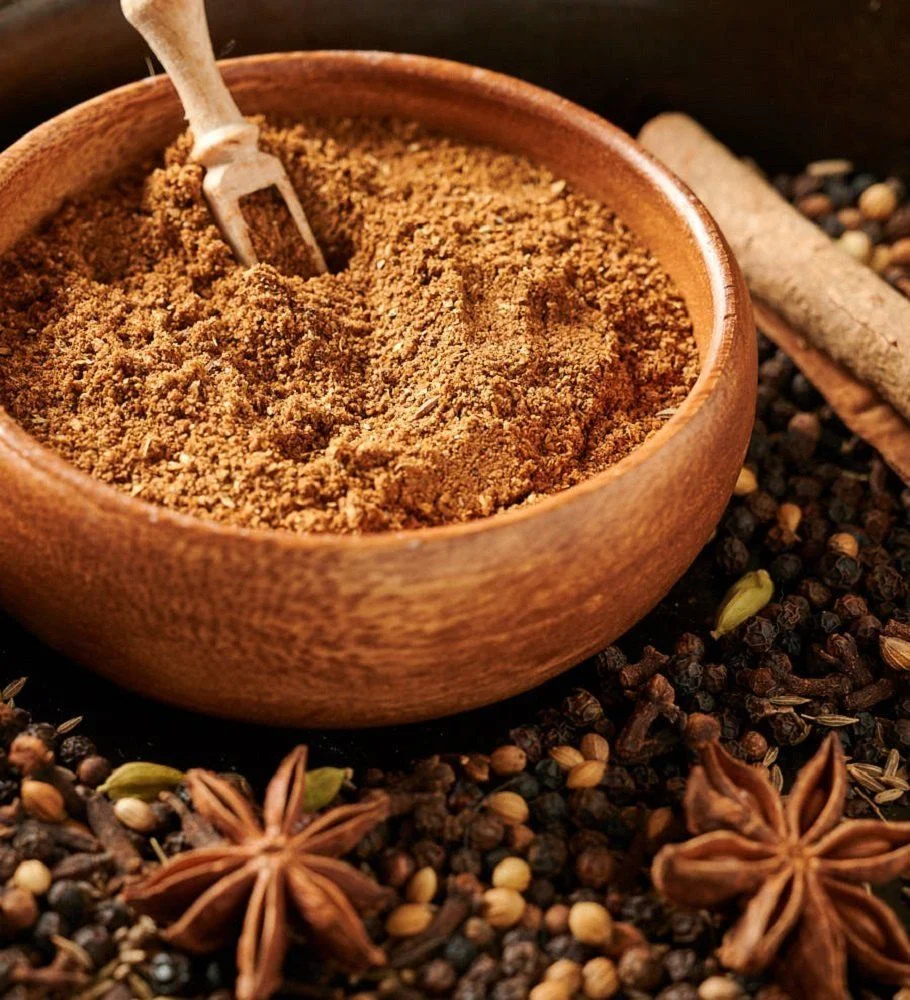
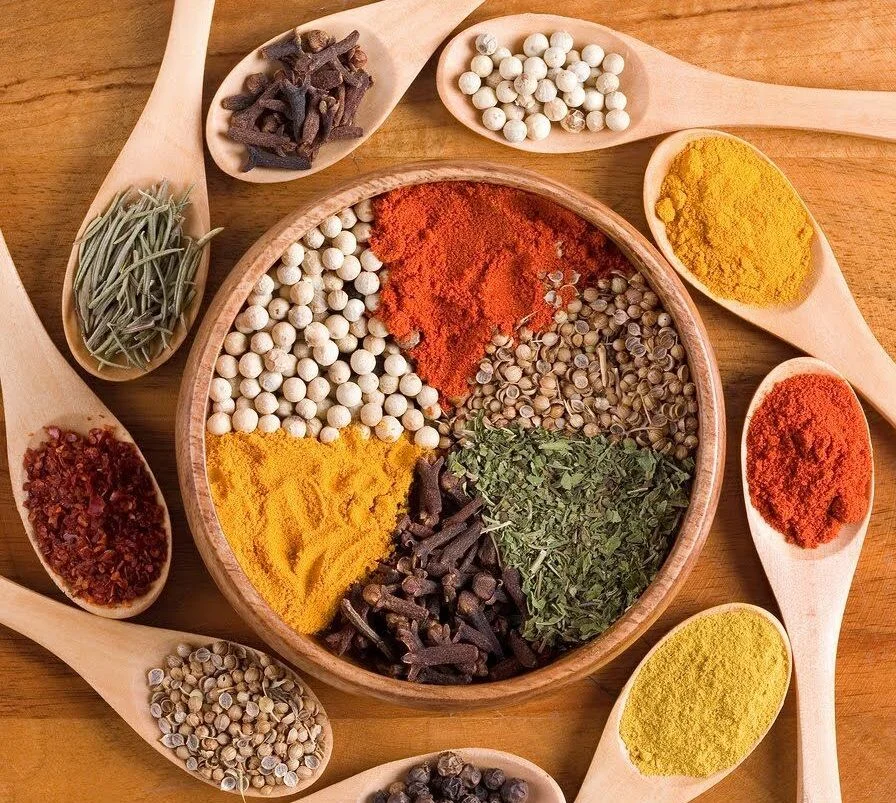
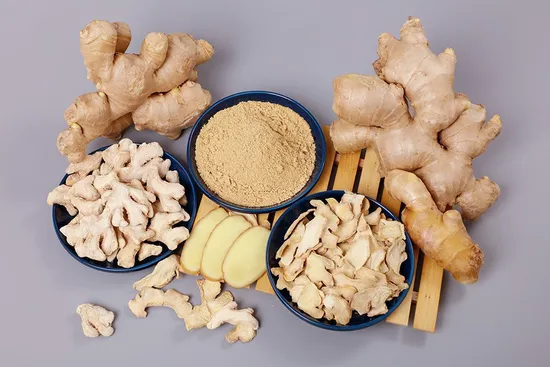
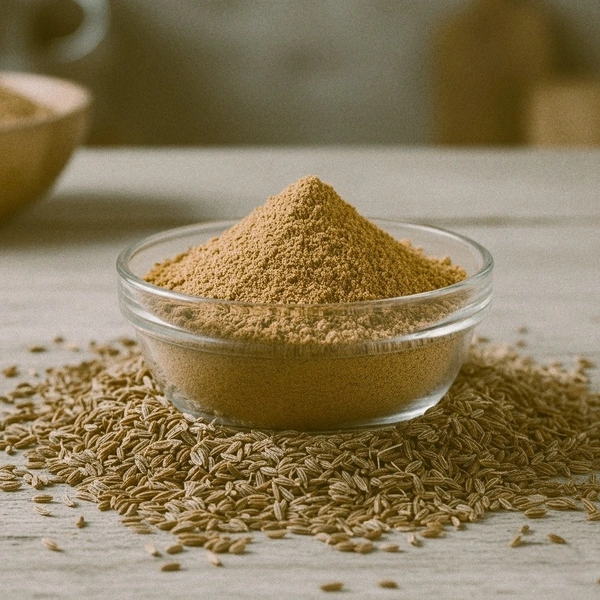
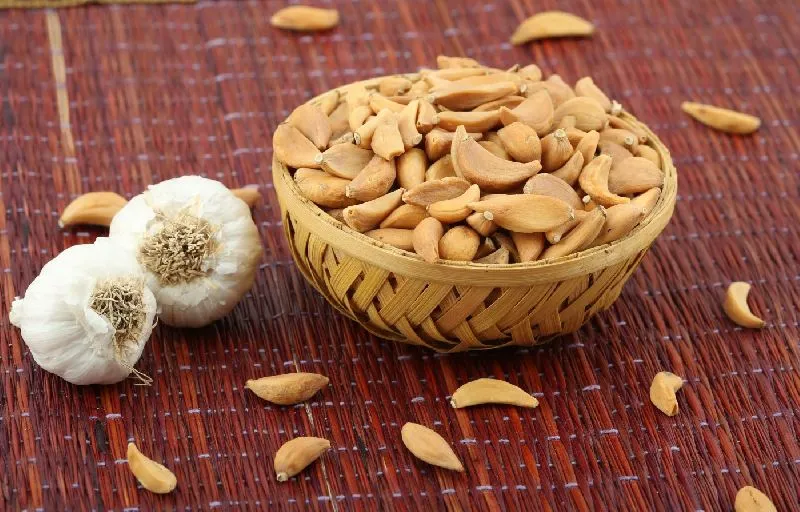
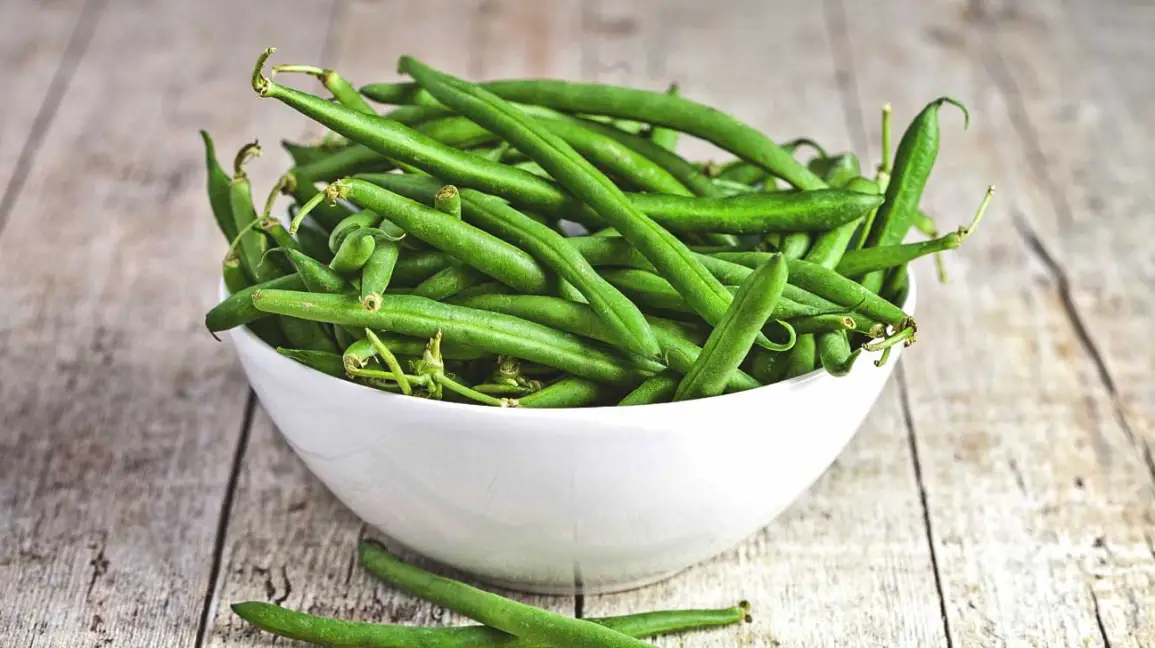
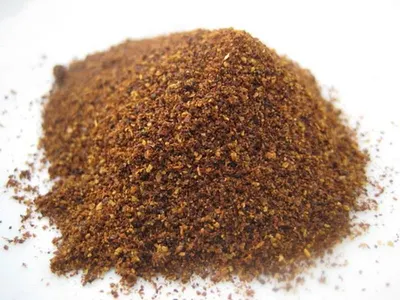
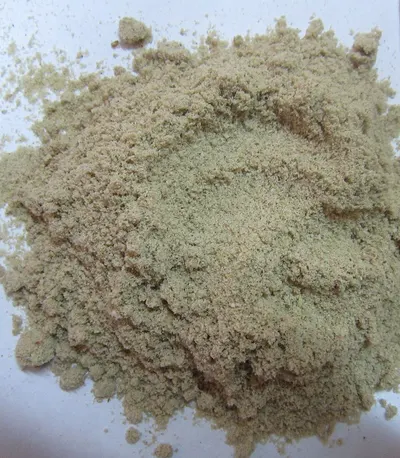
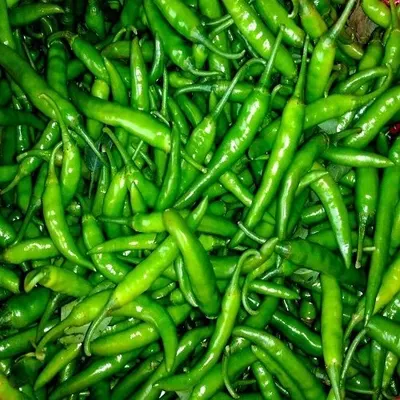
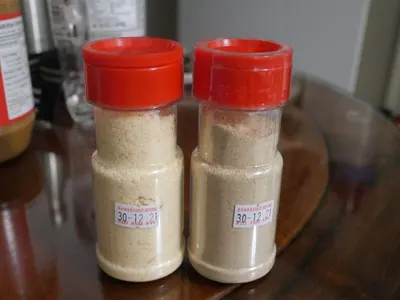
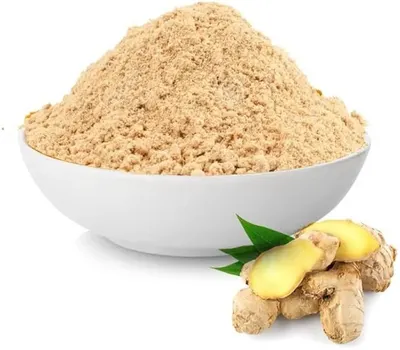
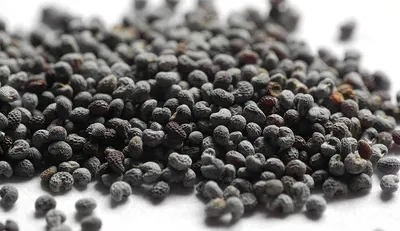
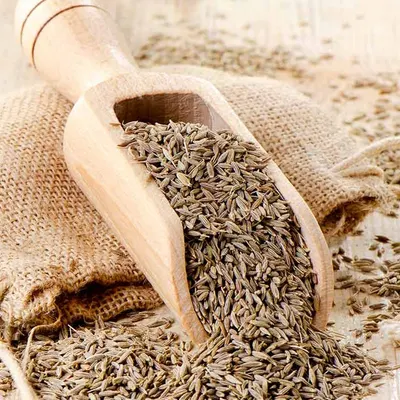
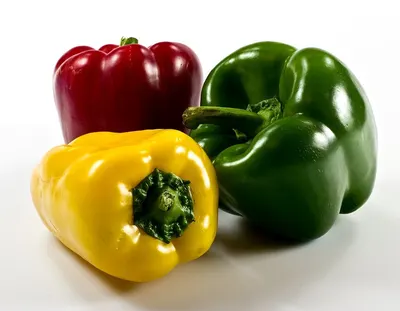
Indonesia‑based PT Raka Sukma Asri lists 26 active products across fresh vegetables, peppers, and a variety of spice powders. The catalogue includes items such as beetroot, kyuri (cucumber), cherry tomato, romaine lettuce, bell pepper (red, green, yellow), and a selection of herbs like parsley, thyme and rosemary. It also covers dried and powdered spices including cayenne pepper, black pepper, cumin seed, ginger powder, garlic powder, green cardamom powder and bell pepper powder. The product set reflects both raw horticultural produce and processed spice ingredients commonly traded from Indonesia.
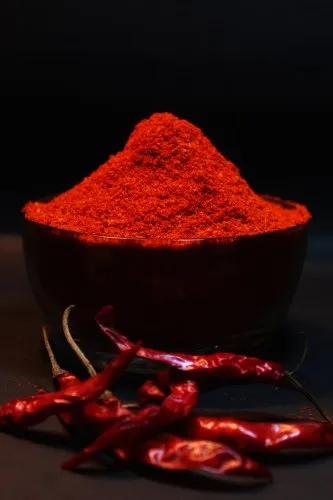
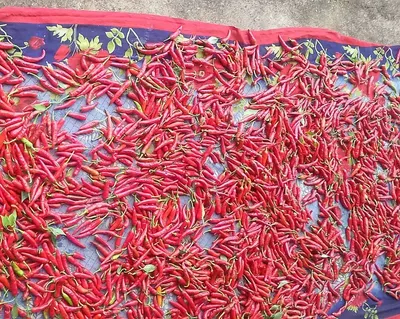
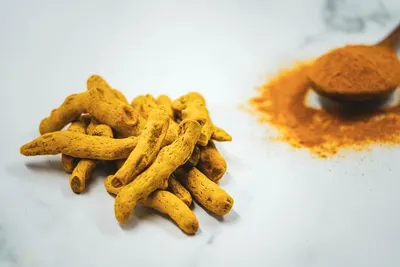
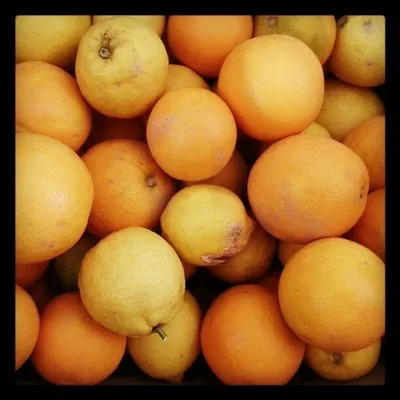
The supplier’s portfolio further contains tropical flavor bases such as palm kernel, frozen or fresh edamame, ginger, turmeric, California lemon and a range of chilli products (red, green, dried red chilli, cayenne pepper). While no HS codes are disclosed, the items fall under HS chapters 07 (vegetables), 08 (fruits) and 09 (spices, condiments). The breadth of 26 SKUs provides buyers with a consolidated source for fresh produce and spice powders sourced from Indonesian farms and processing facilities.
Product Range and Specialties of PT Raka Sukma Asri
The catalogue lists individual vegetables (beetroot, cucumber, cherry tomato, romaine lettuce, lettuce head, bell peppers) and herbs (parsley, thyme, rosemary, basil) that are typically graded by size, colour and moisture content. In the fresh vegetable market, ICUMSA colour grades for tomatoes, and USDA or EU size classes for lettuce are standard reference points. Spice powders such as cayenne pepper, black pepper, cumin seed and garlic powder are generally offered in particle size ranges of 0.2‑0.5 mm and moisture limits below 12 %. Indonesian spice exporters frequently meet ISO 22000 and HACCP food safety standards, and many buyers request certifications like SGS or BRC for powdered products.
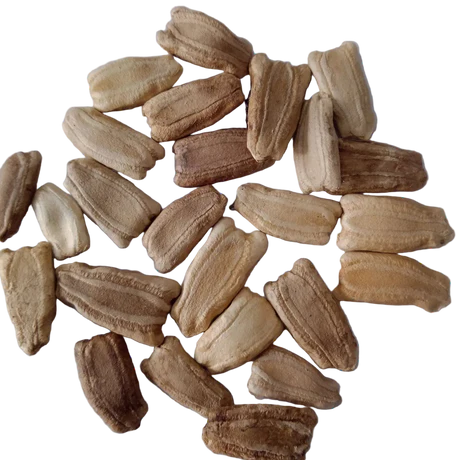
Processed items like palm kernel and frozen edamame are usually shipped in 20‑ft or 40‑ft containers with moisture barriers; palm kernel quality is measured by oil content (typically 55‑60 %) and free fatty acid (FFA) levels below 0.5 %. Edamame may be supplied frozen at - 18 °C with a shelf‑life of 12 months. The inclusion of citrus (California lemon) and turmeric adds high‑value aromatics where ICUMSA 45‑70 colour and curcumin content of 2‑5 % are typical specifications.
Frequently Asked Questions About PT Raka Sukma Asri
What types of fresh vegetables does PT Raka Sukma Asri offer?
The supplier lists beetroot, cucumber (kyuri), cherry tomato, romaine lettuce, lettuce head and mixed bell peppers (red, green, yellow) among its fresh produce portfolio.
Which markets does PT Raka Sukma Asri primarily export to?
The supplier’s products are commonly exported to the Middle East, Europe (Netherlands, Germany), Southeast Asia (Singapore, Malaysia) and the United States, reflecting standard demand for Indonesian vegetables and spices.
Which spice powders are available and what are their typical specifications?
Available powders include cayenne pepper, black pepper, cumin seed, ginger powder, garlic powder, green cardamom powder and bell pepper powder, usually supplied with moisture below 12 % and particle size between 0.2‑0.5 mm.
Are phytosanitary certificates provided for the fresh vegetable items?
Buyers should request a phytosanitary certificate for each shipment of fresh vegetables; Indonesian exporters commonly issue these certificates in line with EU and US import requirements.
What certifications should a buyer verify for the spice powders?
Typical certifications include ISO 22000, HACCP, and, where required, Halal or BRC audit reports; buyers should ask the supplier to provide the latest audit copy.
 Indonesia
Related Suppliers & Products
Explore similar suppliers, related products and trending categories