PT. Putu Saman Jaya — Verified Supplier
About PT. Putu Saman Jaya - Copra Supplier in Indonesia
Indonesia is a major exporter of agricultural commodities and PT. Putu Saman Jaya lists 24 active products across categories such as copra, fish meal, fresh fruits, and animal feed. The catalogue includes items classified under HS chapters 0804 (fresh fruit) and 2301 (fish meal) among others, reflecting a diversified portfolio for international buyers. The product set spans processed feed ingredients and a variety of tropical fresh fruits, showing the supplier’s breadth in both raw and value‑added goods. The active product count of 24 demonstrates the range of commodities the company makes available for trade.
Product Range and Specialties of PT. Putu Saman Jaya
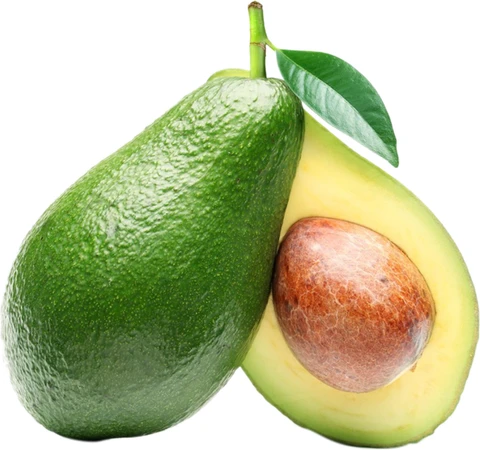
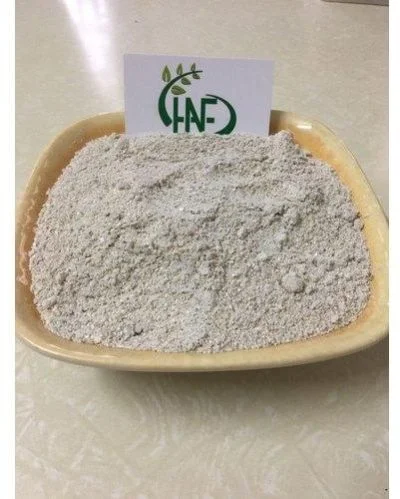
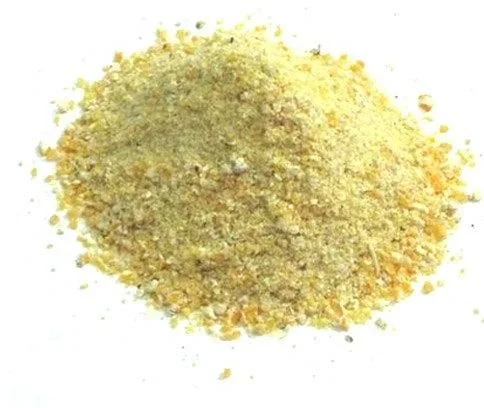
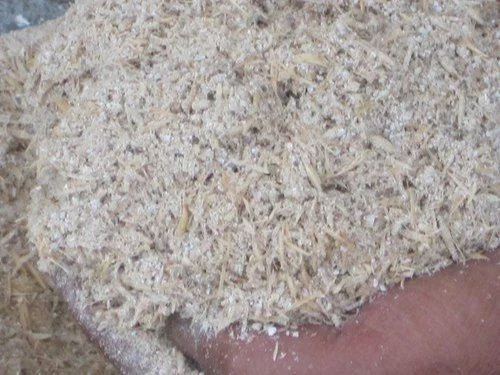
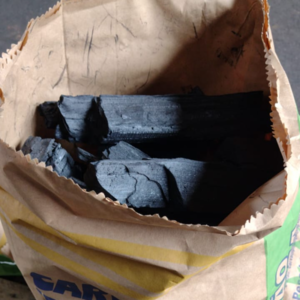
The catalogue explicitly names Fish Meal Proteine 65%, Copra Meal, and a suite of fresh fruits including mango, papaya, pineapple, watermelon, melon, rambutan and a mixed avocado‑durian‑mangosteen‑dragon fruit entry. Fish Meal with 65 % crude protein aligns with industry standards of 60‑70 % for aquafeed applications. Copra Meal is typically marketed with residual oil content of 6‑8 % and moisture below 12 %, matching the HS 1207 classification. Fresh fruits are usually graded by size, Brix sugar content (e.g., mango 12‑15 % Brix) and compliance with Codex pesticide limits. The mixed fruit entry is recorded under HS 0804.40 for fresh avocado fruit, where exporters often provide post‑harvest firmness and shelf‑life data. Additional items such as coconut charcoal, ginger, vanilla and soy bean meal fall under HS headings for spices, agricultural residues and protein meals, where purity and moisture specifications are key.
Trade and Export Information - PT. Putu Saman Jaya
Indonesia ranks among the top global exporters of copra, fish meal and tropical fruits, supplying primarily to markets in Southeast Asia, the Middle East, the European Union and the United States. HS code 2301 for fish meal and 1207 for copra meal are routinely inspected under the EU Rapid Alert System for Food and Feed (RASFF) and generally require a Certificate of Origin, a phytosanitary certificate for feed, and often ISO 22000 or HACCP audit reports. Fresh fruit shipments under HS 0803‑0809 are subject to phytosanitary clearance, pesticide‑residue testing according to EU Maximum Residue Limits, and are commonly shipped in refrigerated 20‑ft or 40‑ft containers maintained at 8‑12 °C. Typical Incoterms used by Indonesian exporters include FOB Jakarta or CIF destination, with export documentation such as the Export Declaration (PEB) and Bill of Lading. Buyers of animal‑feed ingredients usually request a Laboratory Analysis Certificate confirming protein, moisture and ash levels, while fruit importers look for post‑harvest treatment certificates and phytosanitary inspection reports. The logistics chain often routes through Singapore or Malaysia before reaching final regional hubs.
Sourcing from PT. Putu Saman Jaya - Buyer Guidance
When sourcing Fish Meal or Copra Meal from PT. Putu Saman Jaya, request a recent analysis report that details crude protein, moisture, ash and ether extract values, as well as a free‑fatty‑acid measurement for copra meal. For fresh fruits, obtain a Brix reading, size‑grading chart, and a phytosanitary certificate that meets the destination country’s requirements. It is advisable to receive a sample batch before confirming large volumes and to verify that the supplier can provide ISO 22000, HACCP or GMP audit reports if those standards are required by your market. Processed meals are typically packed in 25 kg polypropylene bags, while fresh fruits are palletized in ventilated crates or bulk‑loaded into refrigerated containers, so confirm packaging details to match your storage and logistics plans.
Frequently Asked Questions About PT. Putu Saman Jaya
What animal‑feed ingredients are listed in PT. Putu Saman Jaya’s catalogue?
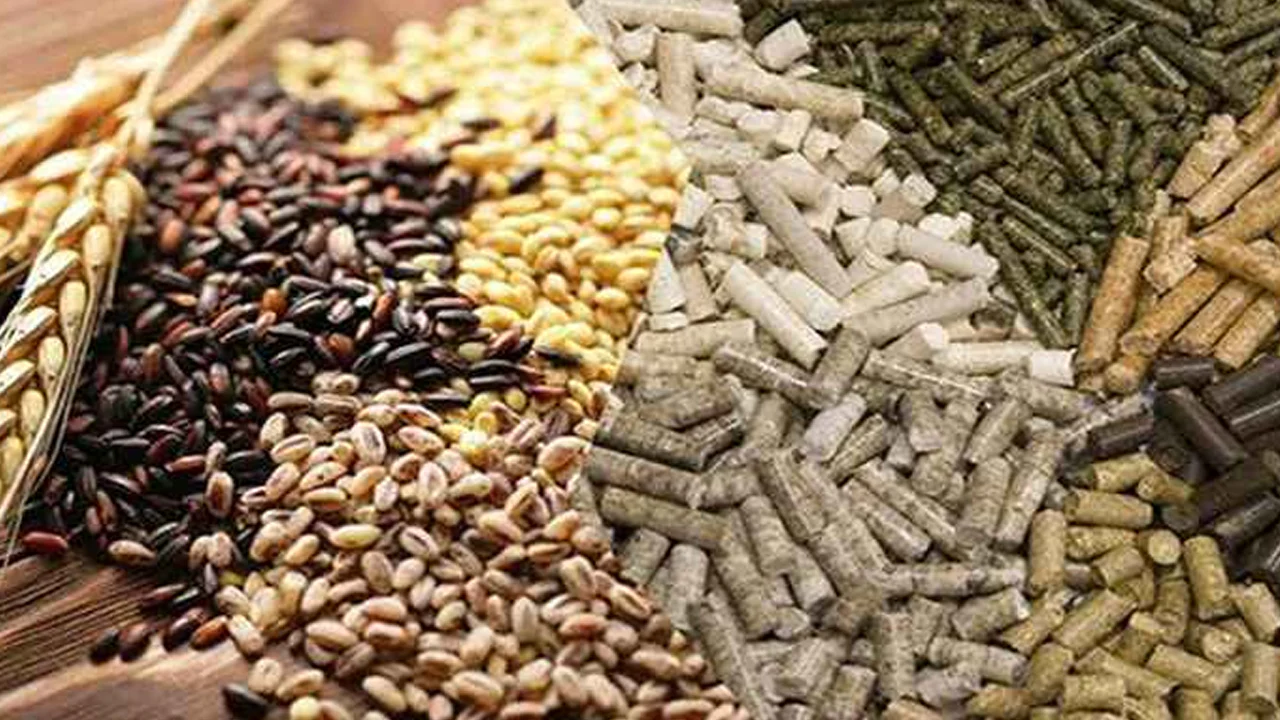
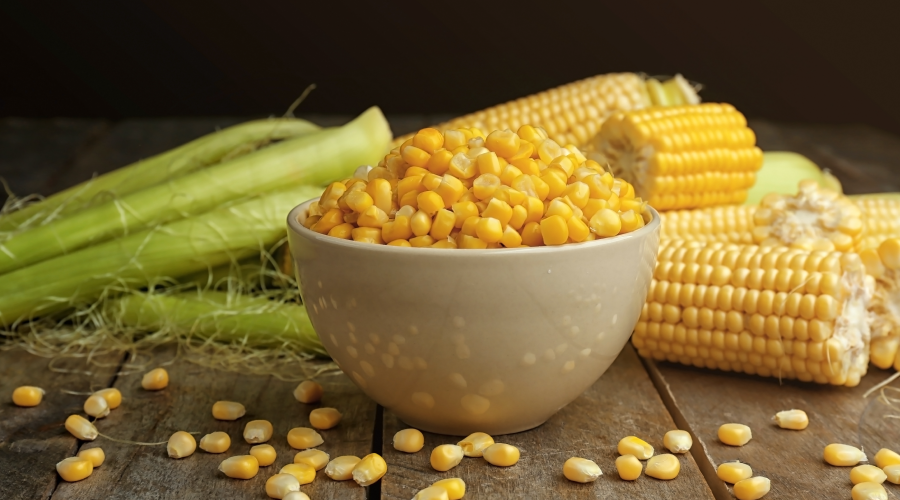
The supplier lists Fish Meal Proteine 65%, Copra Meal, Meat Bone Meal, Cassava Meal, Egg Shell Powder, Soy Bean Meal, Corn Meal and Palm Kernel Expeller, all of which fall under HS chapters for animal feed meals.
How can I request a sample of the 65 % protein fish meal?
Contact the supplier to arrange a small‑scale shipment, typically 10‑20 kg, packed in sealed bags. Ask for a laboratory analysis report with protein, moisture and ash percentages accompanying the sample.
Which certifications should I ask for when importing the fresh fruits?
Buyers normally request a phytosanitary certificate, a pesticide‑residue test report complying with Codex MRLs, and any relevant organic or GMP certificates if the fruit is marketed as such. ISO 22000 or HACCP audit reports are also common for food‑safety assurance.
What HS codes are applicable to the products offered?
Fish Meal is classified under HS 2301, Copra Meal under HS 1207, most fresh fruits under HS 0803‑0809, and the mixed avocado‑durian‑mangosteen‑dragon fruit entry under HS 0804.40. Processed meals such as soy bean meal and corn meal use HS 1202.
Is there a typical minimum order quantity for copra meal?
Industry practice for bulk feed ingredients like copra meal is a minimum order of 5‑10 metric tonnes, though exact quantities depend on the buyer’s shipping and storage capacity.
What lead time should I expect for shipping fresh mangoes to Europe?
Fresh mangoes from Indonesia generally require 7‑10 days of inland transport to the port, plus 10‑14 days sea freight to European ports, resulting in a total lead time of approximately 3‑4 weeks from order confirmation.
How are the processed meals packaged for export?
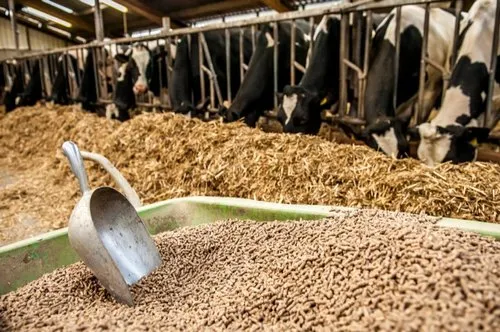
Processed meals are normally packed in 25 kg food‑grade polypropylene bags, stacked on wooden pallets, and secured with stretch film for container loading.
Which Incoterms does PT. Putu Saman Jaya usually work with?
The supplier commonly operates under FOB Jakarta for buyers who prefer to arrange their own freight, and CIF destination for those who want the supplier to handle freight and insurance to the port of entry.




 , Indonesia