Agriculture›
 Apparel and fashion accessories›
 Construction & real estate›💡Electronic & Electrical›🍎Food & Beverages›🛋️Home furnishing & supplies›⚗️Industrial goods & chemical›🪨Minerals & metals›📦Miscellaneous›Agriculture›Apparel and fashion accessories›Construction & real estate›💡Electronic & Electrical›🍎Food & Beverages›🛋️Home furnishing & supplies›⚗️Industrial goods & chemical›🪨Minerals & metals›📦Miscellaneous›
Pt. Nusa Coffee Trade Product Catalog
About Pt. Nusa Coffee Trade - Robusta Coffee Supplier in Indonesia
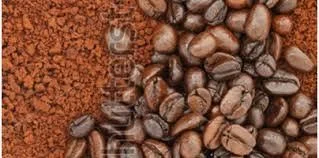
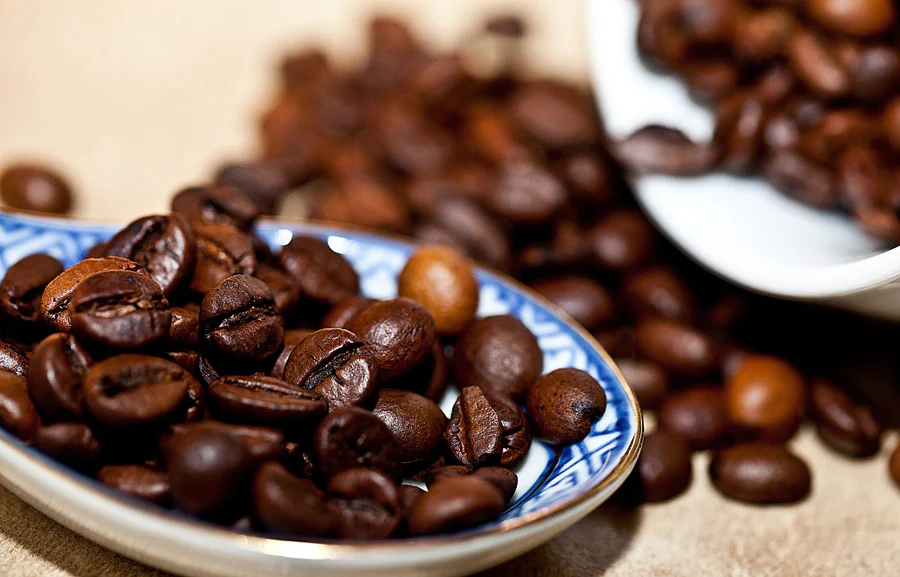
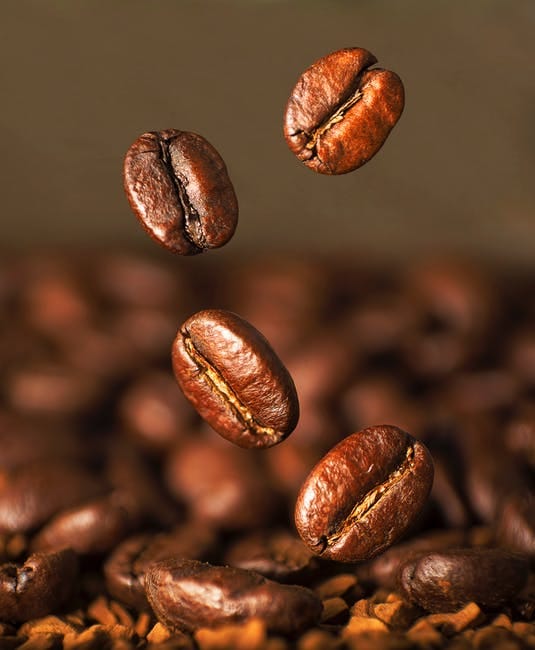
Indonesia is a major origin of coffee beans, and Pt. Nusa Coffee Trade lists five active products. The catalogue comprises five Robusta coffee grades: Grade 1, Grade 2, Grade 3, Grade 4A (Asalan A) and Grade 4B (Asalan B). Each grade corresponds to a specific range of bean size, moisture content and defect level defined by Indonesian coffee grading standards. The supplier’s product count of five reflects the distinct quality tiers offered for export.
The listed grades fall under the broader HS Chapter 09 for coffee, where green (unroasted) beans are classified under HS 0901.11 and roasted beans under HS 0901.21, depending on processing. Pt. Nusa Coffee Trade’s focus on raw Robusta beans positions it within the segment that supplies bulk green coffee to roasters worldwide. The supplier’s catalogue does not include additional commodity types beyond the five Robusta grades.
Product Range and Specialties of Pt. Nusa Coffee Trade
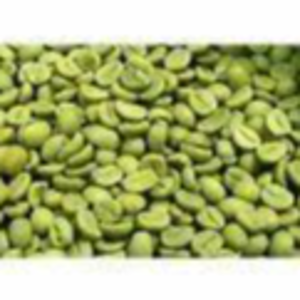
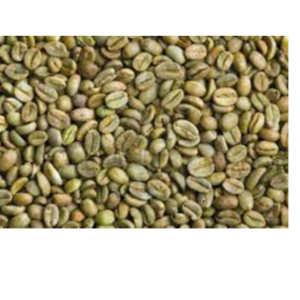
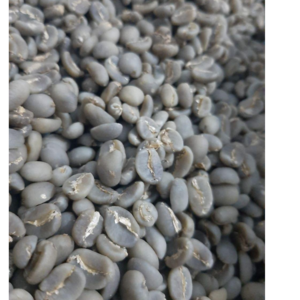
The catalogue presents five Robusta grades. Grade 1 represents the highest bean size and lowest defect count, typically featuring moisture 10‑12 % and a cup score above 70. Grade 2 and Grade 3 follow with progressively higher defect levels and slightly larger moisture ranges. Grades 4A (Asalan A) and 4B (Asalan B) are lower‑tier beans commonly used in instant coffee blends, with moisture up to 13 % and higher broken bean percentages.
In the global coffee trade, Robusta beans are usually graded by size (screen size), moisture, and defect percentage. Buyers often request specifications such as screen size 16‑18, moisture ≤12.5 % and total defects ≤5 % for premium grades. Common certifications requested for Indonesian coffee include ISO 9001 quality management, Fairtrade and Rainforest Alliance, though they must be confirmed with the supplier.
Frequently Asked Questions About Pt. Nusa Coffee Trade
What Robusta coffee grades does Pt. Nusa Coffee Trade offer?
The supplier lists five grades: Grade 1, Grade 2, Grade 3, Grade 4A (Asalan A) and Grade 4B (Asalan B). Each grade reflects a specific range of bean size, moisture and defect level defined by Indonesian standards.
Are the coffee beans roasted or green?
The catalogue specifies raw (green) Robusta beans; no roasting stage is indicated. Green beans are the standard form for bulk export to roasters.
What are the typical moisture specifications for these grades?
Premium grades (1‑2) usually target moisture between 10 % and 12 %, while lower grades (3‑4B) may allow up to 13 % moisture. Moisture is measured on a wet basis after proper drying.
Which certifications are commonly required for Indonesian Robusta coffee?
Importers often request ISO 9001 quality management, Fairtrade or Rainforest Alliance sustainability certificates, and a phytosanitary certificate for each shipment. Buyers should verify that the supplier can provide these documents.
How is the coffee packaged for export?
Green coffee beans are typically packed in 60 kg jute bags that meet phytosanitary standards, and loaded into 20‑foot or 40‑foot containers. The bags are sealed to preserve moisture levels during transit.
 Indonesia
Related Suppliers & Products
Explore similar suppliers, related products and trending categories