PT Niaga Samudera Abadi — Verified Supplier
About PT Niaga Samudera Abadi - Fresh Fruits Supplier in Indonesia
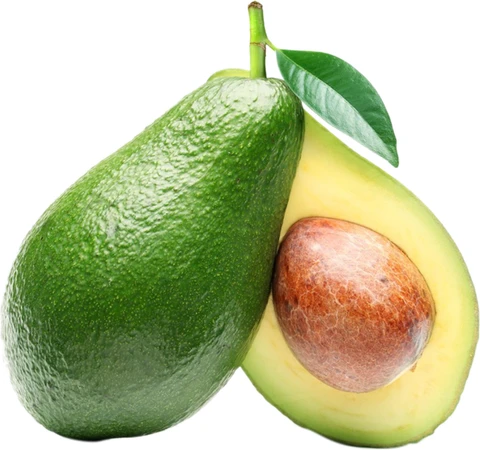
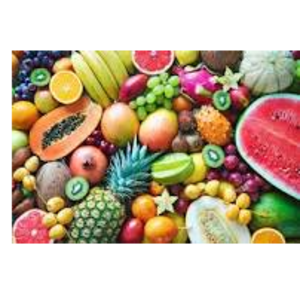
Indonesia serves as the base for PT Niaga Samudera Abadi, a supplier that currently lists ten distinct fresh fruit items. The catalogue comprises tropical varieties such as snakefruit, mango, pineapple, soursop, seedless lime, avocado, dragonfruit, starfruit, rambutan and mangosteen. Among these, avocado is identified with HS code 0804.40 and described as fresh avocado fruit (Persea americana). The supplier groups its offerings under the broader categories of Fresh Fruits, Mango, Pineapple and Avocado. The product list reflects the diversity of Indonesia’s tropical horticulture.
The ten items fall within HS chapter 08, which covers edible fruit and nuts. While only avocado is explicitly assigned HS 0804.40, the remaining fruits are generally classified under sub‑headings such as 0803 for bananas and plantains, 0805 for citrus, and 0806 for other fresh fruit. Indonesian exporters typically use these HS codes for customs clearance and trade statistics. The catalogue’s focus on high‑value tropical fruit aligns with the country’s year‑round production cycles and export orientation.
Product Range and Specialties of PT Niaga Samudera Abadi
PT Niaga Samudera Abadi’s catalogue includes snakefruit, mango, pineapple, soursop, seedless lime, avocado (HS 0804.40), dragonfruit, starfruit, rambutan and mangosteen. In the global market, mangoes are often graded by size (250‑300 mm length), total soluble solids above 14 % Brix and firmness, while pineapples are evaluated on weight (1.5‑2.5 kg), crown condition and internal sugar content above 13 % Brix. Avocados are commonly sorted into Extra, Grade A and Grade B based on flesh firmness, moisture content below 76 % and absence of blemishes. Typical packaging for these fruits involves ventilated cardboard cartons of 20 kg each, stacked on wooden pallets for container loading.
Industry standards for tropical fresh fruit usually require compliance with GlobalGAP farm‑level audits, BRC or ISO 22000 food‑safety certifications, and phytosanitary certificates issued by Indonesian authorities. Buyers often request laboratory analysis confirming pesticide residue levels are below EU MRL limits, as well as documentation of post‑harvest treatments such as hot water dips for mangoes. A 20‑ft refrigerated container (reefer) can accommodate roughly 12‑14 tonnes of mixed fruit, while a 40‑ft reefer can hold up to 25‑28 tonnes, depending on packaging density.
Trade and Export Information - PT Niaga Samudera Abadi
Indonesia ranks among the world’s top exporters of tropical fresh fruit, supplying the European Union, United States, China, Japan and the Middle East. Export shipments are typically declared under HS codes 0803‑0806, with avocado specifically under 0804.40. Importers from the EU frequently require compliance with EU pesticide residue regulations, GlobalGAP certification and a phytosanitary certificate. US buyers often reference the USDA’s Import Requirements and may request a USDA‑APHIS inspection report. Shipping is most commonly performed on refrigerated containers (reefers) using Incoterms such as FOB Jakarta or CIF Rotterdam, with temperature controls set between 0 °C and 4 °C for most listed fruits.
Indonesia’s export infrastructure includes major ports like Jakarta, Surabaya and Belawan, which provide cold‑chain facilities for perishable cargo. Seasonal harvest windows influence container loading schedules; for example, peak mango and pineapple exports occur from March to August, while avocado shipments peak from June to November. Buyers should anticipate documentation that includes a Certificate of Origin, phytosanitary certificate, and, where applicable, a Halal or organic certificate. Compliance with the International Plant Protection Convention (IPPC) and adherence to HS‑specific inspection regimes are standard practice for Indonesian fruit exporters.
Sourcing from PT Niaga Samudera Abadi - Buyer Guidance
When sourcing from PT Niaga Samudera Abadi, buyers should request a current phytosanitary certificate, a GlobalGAP audit report, and laboratory test results for pesticide residues and Brix levels. Verifying the HS code on the commercial invoice (e.g., 0804.40 for avocado) helps ensure correct tariff treatment and customs clearance. It is advisable to obtain a sample shipment of 5‑10 kg to evaluate fruit quality, packaging integrity and temperature stability before confirming a full container order.
Buyers should also confirm that the supplier can provide a Certificate of Origin and, if required by the destination market, a halal or organic certification. Inspection of the packing list should show ventilated cartons, pallet dimensions and container type (reefer) to match the buyer’s logistics plan. Requesting a pre‑shipment inspection report from an accredited third‑party agency can further reduce risk and demonstrate compliance with buyer‑specific standards.
Frequently Asked Questions About PT Niaga Samudera Abadi
What fresh fruit products are listed by PT Niaga Samudera Abadi?
The supplier lists ten fresh fruit items: snakefruit, mango, pineapple, soursop, seedless lime, avocado (HS 0804.40), dragonfruit, starfruit, rambutan and mangosteen.
Which HS code is associated with the avocado product?
Avocado is classified under HS code 0804.40, which covers other fresh fruit, specifically fresh avocado fruit (Persea americana).
What certifications are typically required for importing these tropical fruits from Indonesia?
Importers usually request a phytosanitary certificate, a GlobalGAP audit report, and, where applicable, a BRC or ISO 22000 food‑safety certificate. Additional certificates such as organic or halal depend on the buyer’s market.
How are the fruits commonly packaged for export?
Fresh fruits are packed in ventilated cardboard cartons, often 20 kg per carton, stacked on wooden pallets and loaded into refrigerated 20‑ft or 40‑ft containers (reefers) to maintain 0 °C to 4 °C for most varieties.
What quality parameters do buyers typically check for mango and pineapple?
Mango quality is assessed by size (typically 250‑300 mm length), total soluble solids above 14 % Brix, and absence of bruising. Pineapple is evaluated by weight (1.5‑2.5 kg per fruit), crown freshness, and internal sugar content above 13 % Brix.
What is the usual lead time and minimum order quantity for a sample shipment?
Suppliers generally require 5‑10 kg of mixed fruit for a sample, with a lead time of 7‑10 working days from order confirmation to shipment, depending on harvest season.




 , Indonesia