Agriculture›
 Apparel and fashion accessories›
 Construction & real estate›💡Electronic & Electrical›🍎Food & Beverages›🛋️Home furnishing & supplies›⚗️Industrial goods & chemical›🪨Minerals & metals›📦Miscellaneous›Agriculture›Apparel and fashion accessories›Construction & real estate›💡Electronic & Electrical›🍎Food & Beverages›🛋️Home furnishing & supplies›⚗️Industrial goods & chemical›🪨Minerals & metals›📦Miscellaneous›
PT. Jyn Group Indonesia
⚓ Harbor , IndonesiaNew supplier / no reviews yet
PT. Jyn Group Indonesia Product Catalog



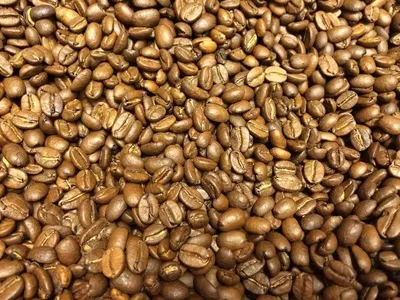
About PT. Jyn Group Indonesia - Coffee Supplier in Indonesia
Indonesia‑based PT. Jyn Group Indonesia lists six coffee products in its current catalogue. The catalogue includes four Arabica variants - Gayo Fullwash, Gayo Natural, Bajawa Wethull and Bajawa Fullwash - as well as two Robusta offerings from Temanggung and Pagar Alam. All items fall under the HS heading 0901 for coffee beans, a classification used by customs worldwide. The supplier’s catalogue focuses on specialty processing methods such as full‑wash and natural, which affect flavor profile and moisture content. Product descriptions are limited to origin and processing type, without additional proprietary specifications.
The active product count of six reflects a narrow but defined portfolio within the broader coffee sector. PT. Jyn Group Indonesia’s listings cover both Arabica beans from the Gayo and Bajawa highlands and Robusta beans from central Indonesian regions. The supplier does not provide internal certifications in the supplied data, leaving verification of quality standards to the buyer’s due diligence. Export documentation for these coffees typically follows Indonesian export regulations for agricultural commodities. Buyers can expect standard export paperwork such as phytosanitary certificates and commercial invoices aligned with HS 0901 requirements.
Product Range and Specialties of PT. Jyn Group Indonesia
The catalogue presents six distinct coffee beans, differentiated by origin (Gayo, Bajawa, Temanggung, Pagar Alam) and processing method (full‑wash, natural, wet‑hull). In the specialty coffee market, full‑wash Arabica from Gayo often targets cup scores above 80 on the SCA scale, while natural‑processed beans may exhibit higher fruitiness and a moisture content of 10‑12 %. Wet‑hull (Wethull) processing, common in Indonesian coffees, typically results in a slightly higher acidity and a moisture range of 11‑13 %. Robusta beans from Temanggung and Pagar Alam are generally graded by bean size (e.g., 16‑18 mm) and caffeine content around 2.2‑2.7 %.
Industry standards for coffee export include compliance with ISO 22000 food safety management, HACCP plans, and often voluntary certifications such as Fairtrade, Rainforest Alliance, or Organic when applicable. While PT. Jyn Group Indonesia’s data does not list such certifications, buyers frequently request cupping reports, moisture analysis, and aflatoxin test results for each shipment. Packaging for bulk coffee beans commonly uses 60 kg jute bags or 18 kg vacuum‑sealed bags, both compatible with container loading plans.
Frequently Asked Questions About PT. Jyn Group Indonesia
What coffee varieties does PT. Jyn Group Indonesia offer?
The supplier lists six varieties: Gayo Fullwash, Gayo Natural, Bajawa Wet‑hull, Bajawa Fullwash (all Arabica), and Temanggung and Pagar Alam Robusta.
Which HS code applies to these coffee products?
All listed coffee beans fall under HS heading 0901, which covers coffee, whether roasted or not.
What processing methods are represented in the catalogue?
The catalogue includes full‑wash, natural (dry) processing, and wet‑hull (Wethull) methods, each affecting flavor and moisture levels.
Are any sustainability certifications mentioned for these coffees?
The supplied data does not list any certifications; buyers should request documentation such as Fairtrade, Rainforest Alliance, or Organic if required.
What packaging formats are typical for these coffees?
Bulk coffee from Indonesia is usually packed in 60 kg jute bags or 18 kg vacuum‑sealed bags, both suitable for container loading.
IndonesiaRelated Suppliers & Products
Explore similar suppliers, related products and trending categories