PT. Bumi Langgeng Semesta — Verified Supplier
About PT. Bumi Langgeng Semesta - Fresh Ginger Supplier in Indonesia
PT. Bumi Langgeng Semesta is located in Indonesia and currently lists nine active products in its catalogue. The catalogue covers a range of agricultural and coconut‑derived items, including fresh ginger, turmeric, coconut shell, deshelled coconut, fresh potatoes, coir fibers, coconut oil, black pepper and cinnamon. Each product is identified by its generic name without additional HS‑code details in the supplied data. The supplier is classified under the “harbor” trust tier, indicating a moderate level of verification within the platform.
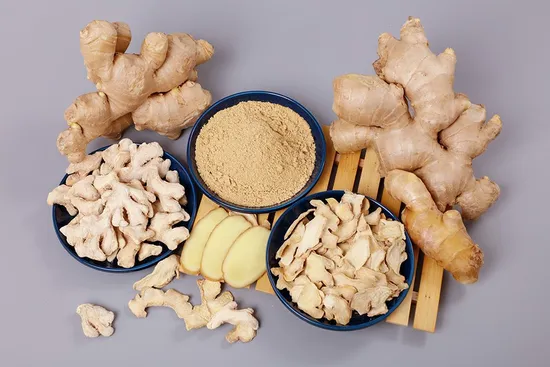
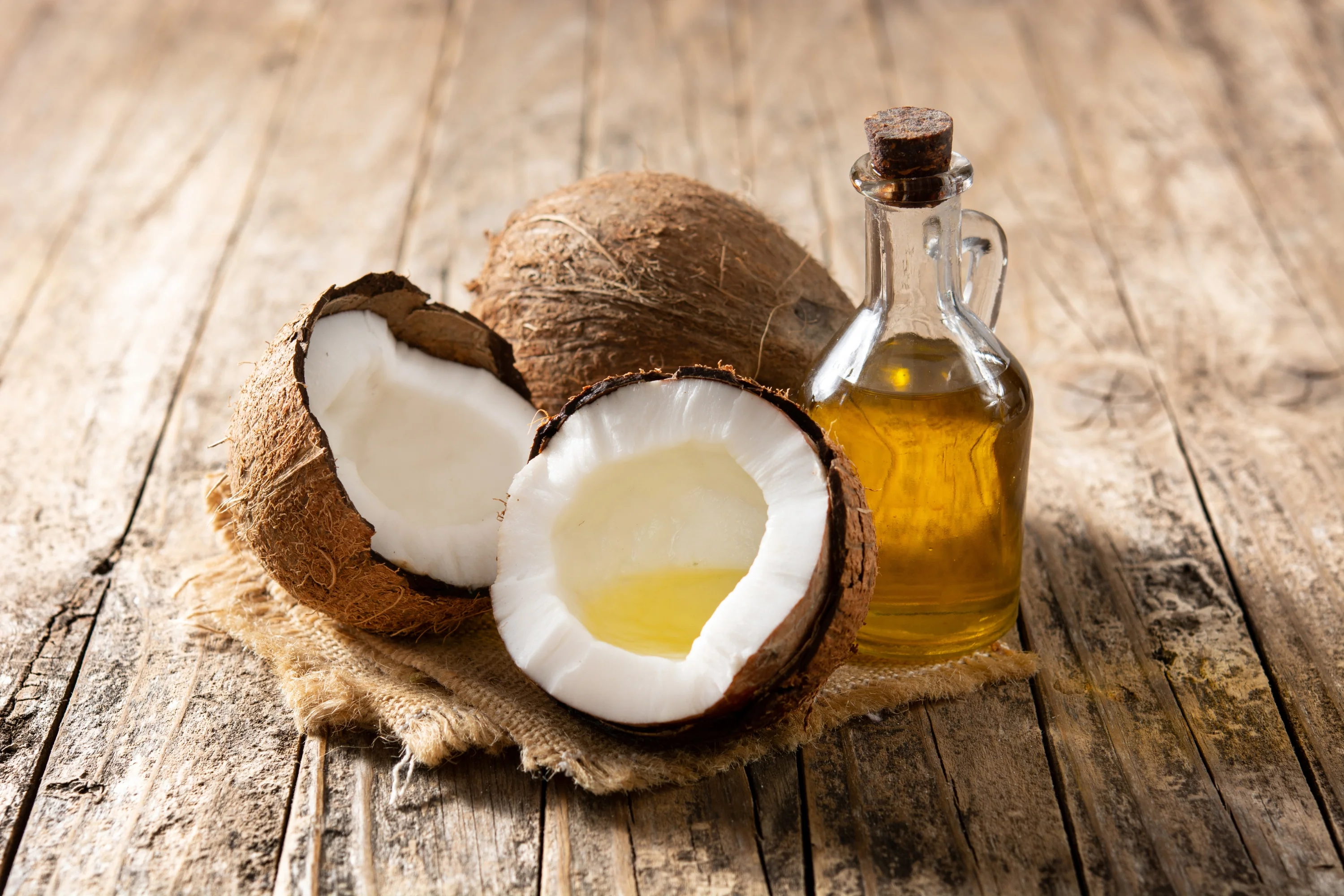
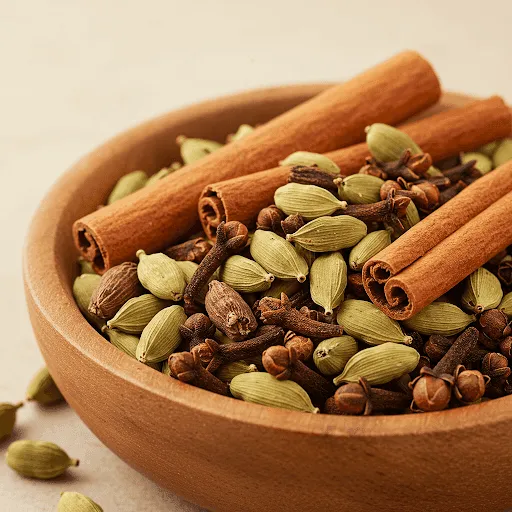
The ginger entry corresponds to fresh ginger root, while turmeric refers to the rhizome used for spice and pigment production. Coconut‑related listings include raw shell material, meat without skin, extracted oil and natural fiber. The spice segment also contains whole black peppercorns and cinnamon quills, and the vegetable segment includes fresh potato tubers. All items are typical export commodities from Indonesia, a major global source for tropical spices and coconut products.
Product Range and Specialties of PT. Bumi Langgeng Semesta
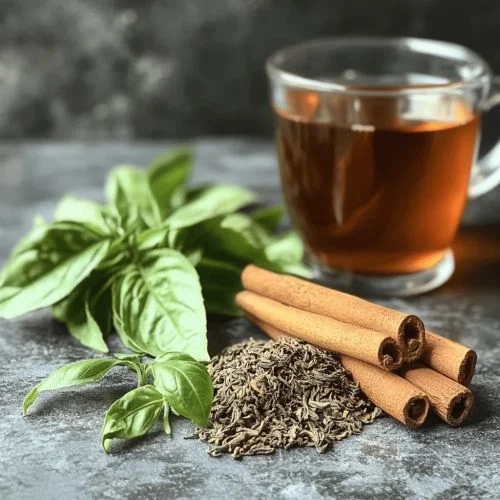
The catalogue lists ginger, turmeric, coconut shell, coconut without skin, potato, coconut fiber, coconut oil, black pepper and cinnamon. In the spice market, fresh ginger is usually graded by size (e.g., grade A >8 cm) and moisture content below 12 %. Turmeric powder is commonly evaluated for curcumin concentration (3‑6 %) and moisture under 12 %. Black peppercorns are sorted by size (5‑8 mm) and essential‑oil content of 5‑7 %. Cinnamon quills are classified as Ceylon or cassia with moisture limits of 12 % and a typical diameter of 4‑6 mm.
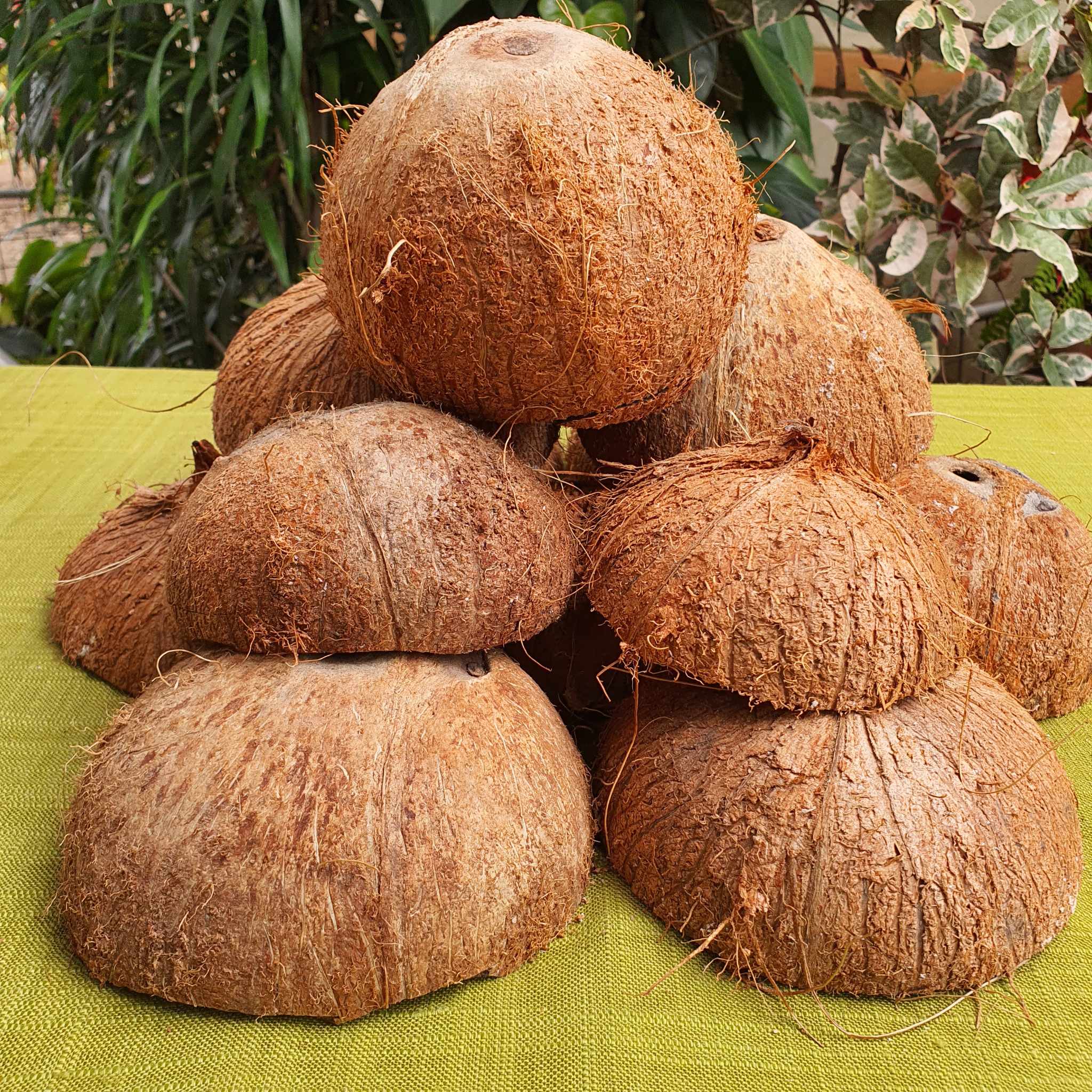
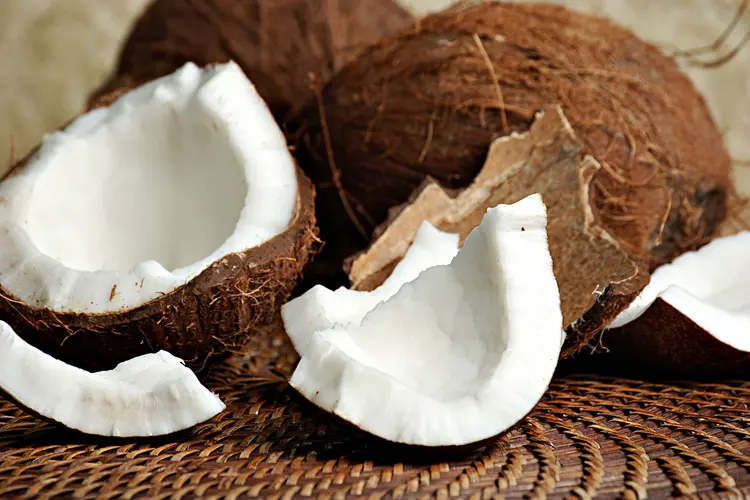
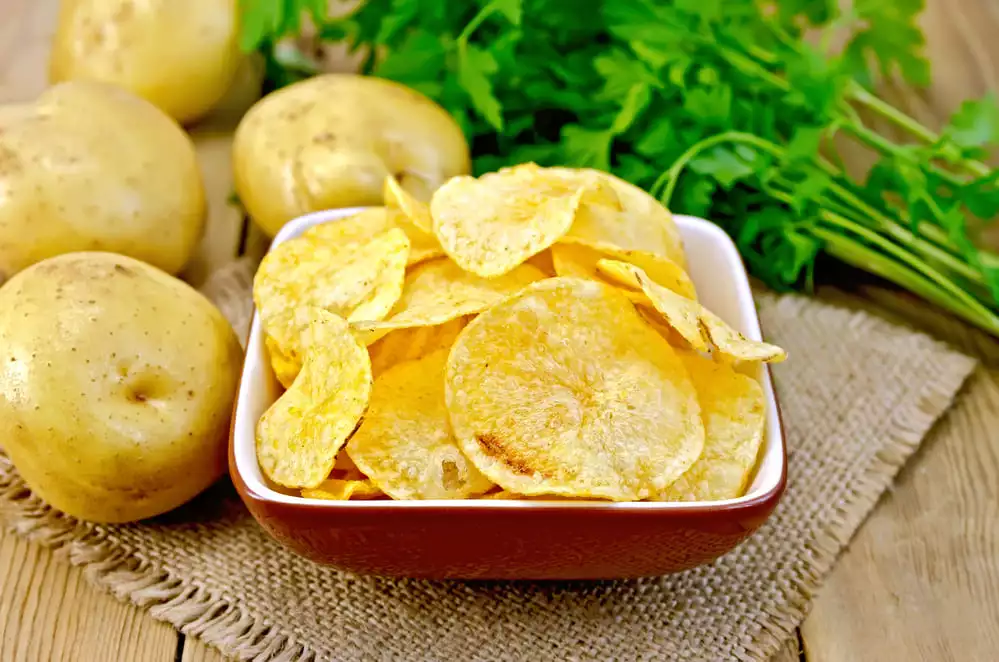
Coconut shell is exported for charcoal production and is measured by bulk density (0.4‑0.5 t/m³) with moisture below 8 %. Deshelled coconut meat is packaged at 45‑55 % moisture and sold in 25 kg bags. Coir fibers are described by length (50‑100 mm), tensile strength (20‑30 MPa) and moisture 8‑12 %. Coconut oil is offered as refined virgin oil with free‑fatty‑acid content under 0.5 % and an iodine value of 6‑10. Fresh potatoes are usually sized 30‑60 mm in length and have a moisture content of 78‑80 %.
Trade and Export Information - PT. Bumi Langgeng Semesta
Indonesia is one of the world’s largest exporters of tropical spices and coconut products, supplying the EU, United States, Middle East and Asian markets. Export shipments of ginger, turmeric, black pepper and cinnamon fall under HS Chapter 09 (0901‑0906), while coconut shell, coconut meat and coconut oil are classified in HS Chapter 15 (1513‑1515). Coir fibers are recorded under HS Chapter 53 (5301). Buyers typically require phytosanitary certificates, ISO 22000 or HACCP compliance, and where applicable, GlobalGAP or organic certification. Standard shipping uses 20‑ft or 40‑ft containers, with spices packed in 25 kg polypropylene bags, coconut shell in bulk sacks of up to 1 ton, and coconut oil in 200 L drums. Common Incoterms are FOB Jakarta Port or CIF to the buyer’s destination port.
Sourcing from PT. Bumi Langgeng Semesta - Buyer Guidance
When sourcing from PT. Bumi Langgeng Semesta, buyers should request a recent phytosanitary certificate and a laboratory analysis report covering moisture, pesticide residues and heavy‑metal limits that match the importing country’s regulations. For spices, a certificate of analysis confirming size grade, essential‑oil content (pepper, cinnamon) or curcumin level (turmeric) is standard practice. Coconut oil shipments should be accompanied by a free‑fatty‑acid test and an iodine value report. Verify that any claimed certifications such as ISO 22000 or HACCP are current, and ask for copies before finalising a purchase order. Typical minimum order quantities are 5 metric tons per spice variety and 2 metric tons for coconut shell, with lead times of 30‑45 days from order confirmation.
Frequently Asked Questions About PT. Bumi Langgeng Semesta
What HS codes are used for the products listed by PT. Bumi Langgeng Semesta?
The products fall under standard HS headings: ginger (0901), turmeric (0905), coconut shell (1513), coconut without skin (0804), fresh potato (0701), coir fibers (5301), coconut oil (1515), black pepper (0904) and cinnamon (0906).
Which certifications should a buyer request for the spice items?
Buyers should request ISO 22000 or HACCP certificates, a recent phytosanitary certificate, and a laboratory analysis showing moisture below 12 % and compliance with pesticide residue limits for the target market.
How is coconut shell typically packaged for export?
Coconut shell is usually shipped in bulk sacks of up to 1 ton, with moisture content below 8 % and packed on pallets to protect against breakage during sea transport.
What quality parameters are common for black pepper from Indonesia?
Typical parameters include peppercorn size 5‑8 mm, moisture ≤12 %, essential‑oil content 5‑7 % and a total ash content below 5 %.
Are there specific test reports needed for coconut oil?
Yes, buyers normally require a free‑fatty‑acid test (≤0.5 %), an iodine value (6‑10) and a peroxide value to confirm oil stability.
What is the usual lead time for a shipment of fresh ginger?
Lead time for fresh ginger from Indonesia is generally 30‑45 days after order confirmation, depending on harvest season and container availability.
Which packaging is standard for fresh potatoes?
Fresh potatoes are commonly packed in ventilated 1‑ton bulk crates or 20‑ft containers with moisture content around 78‑80 % to maintain freshness.
What documents are required for customs clearance of coir fibers?
Customs typically require a phytosanitary certificate, a material safety data sheet, and proof of compliance with any applicable phytosanitary treatment (e.g., heat treatment) for coir fibers.




 , Indonesia