Agriculture›
 Apparel and fashion accessories›
 Construction & real estate›💡Electronic & Electrical›🍎Food & Beverages›🛋️Home furnishing & supplies›⚗️Industrial goods & chemical›🪨Minerals & metals›📦Miscellaneous›Agriculture›Apparel and fashion accessories›Construction & real estate›💡Electronic & Electrical›🍎Food & Beverages›🛋️Home furnishing & supplies›⚗️Industrial goods & chemical›🪨Minerals & metals›📦Miscellaneous›
PT. Bintang Tujuh Unitet (BTU Office)
⚓ Harbor , IndonesiaNew supplier / no reviews yet
PT. Bintang Tujuh Unitet (BTU Office) Product Catalog

About PT. Bintang Tujuh Unitet (BTU Office) - Coconut Products Supplier in Indonesia
PT. Bintang Tujuh Unitet (BTU Office) is based in Indonesia and currently lists six active products. The catalogue covers charcoal, charcoal briquette, coir fiber, coco peat, desiccated coconut and coconut oil. Among the items, the Coco Fiber entry includes an HS code of 5305.00 and is described as 100 % raw coconut husk fiber. The remaining products are listed without specific HS codes in the supplied data. The supplier’s trust tier is classified as harbor on the platform.
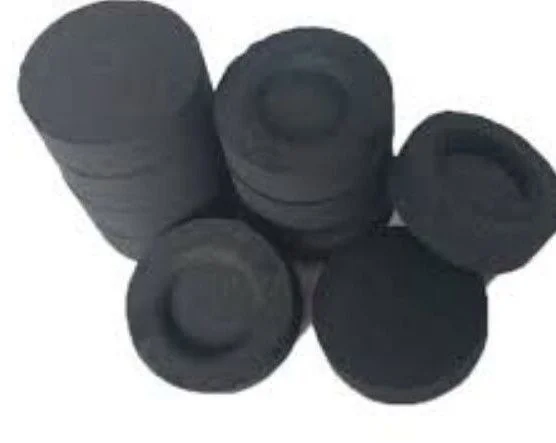
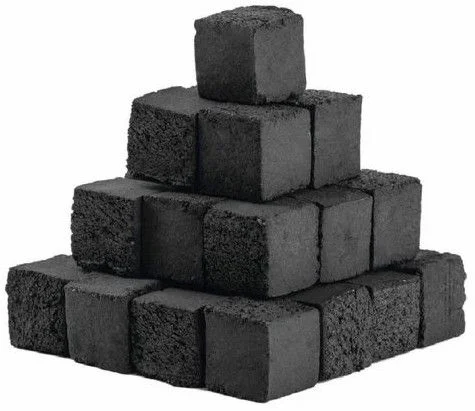
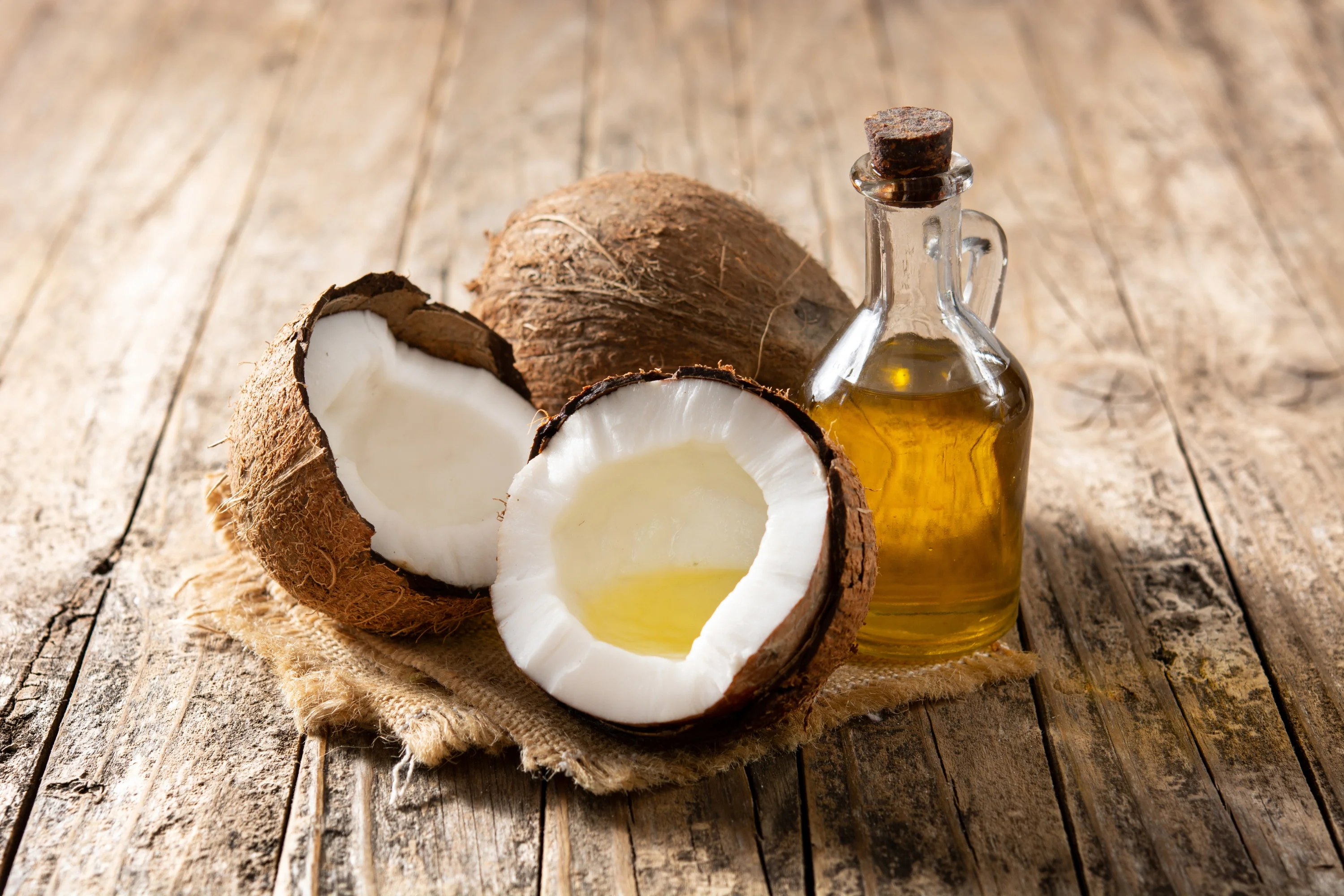
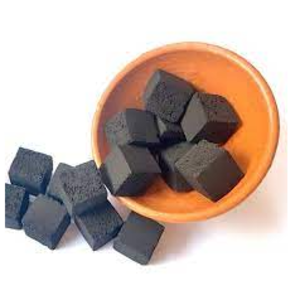
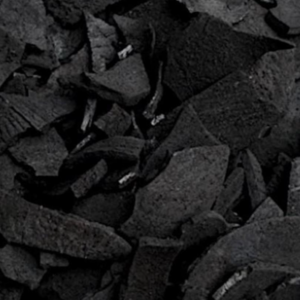
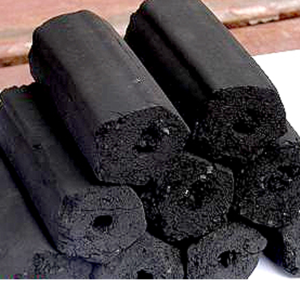
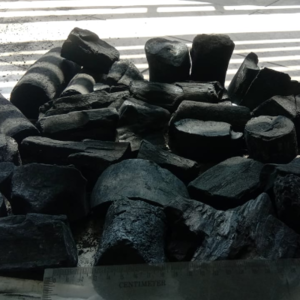
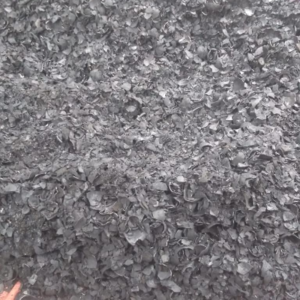
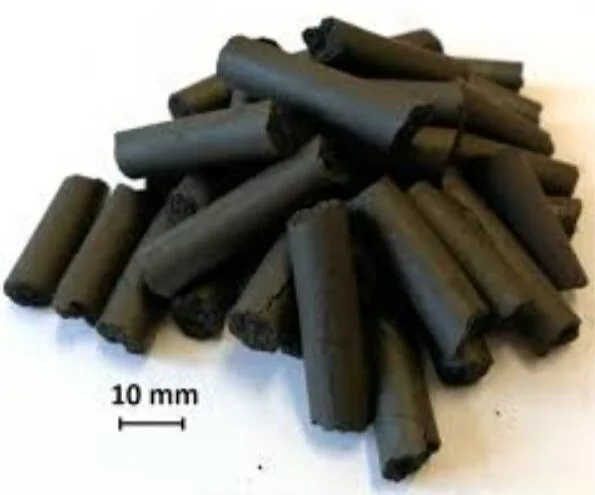
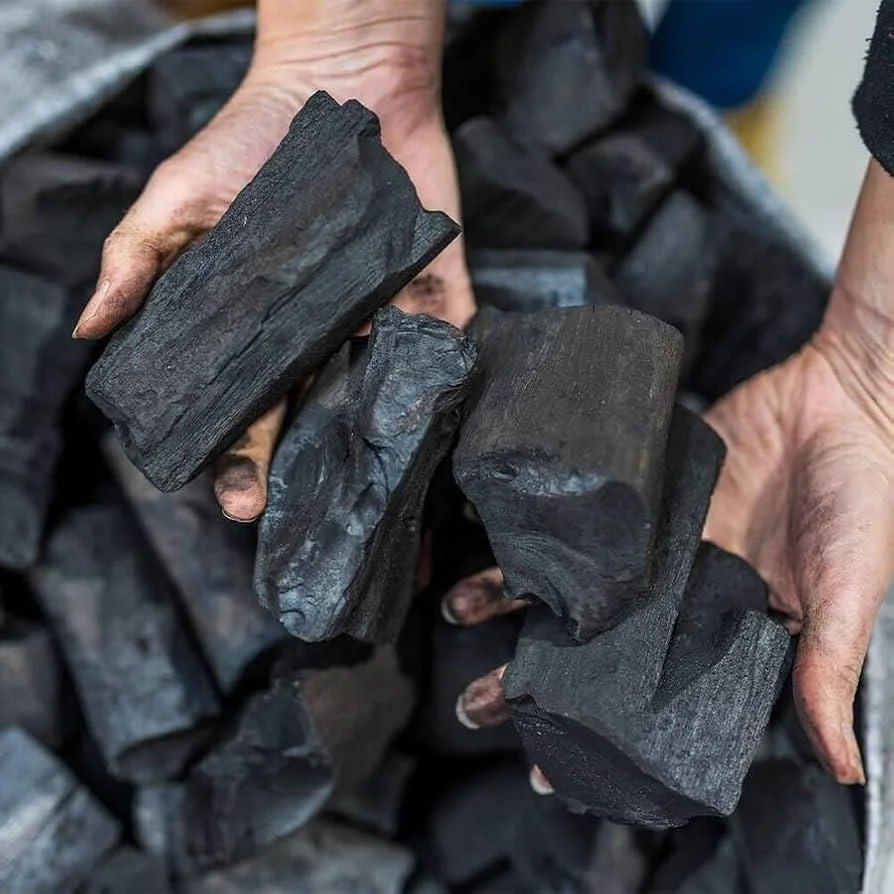
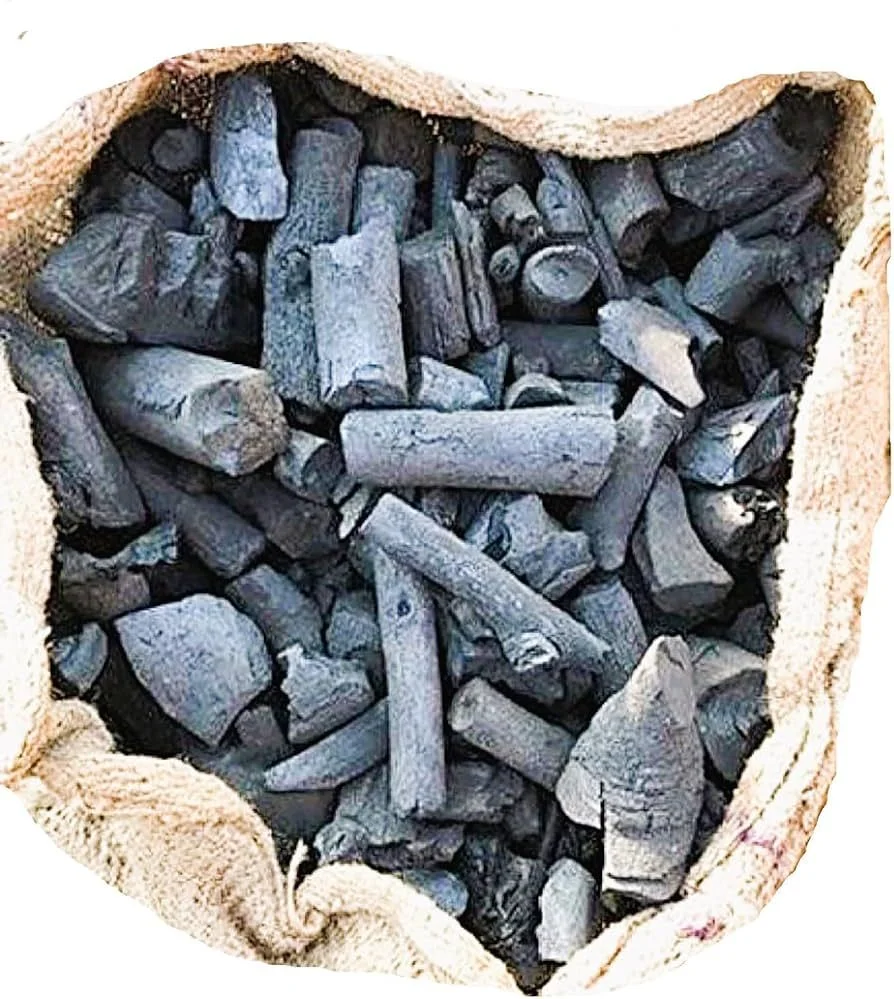
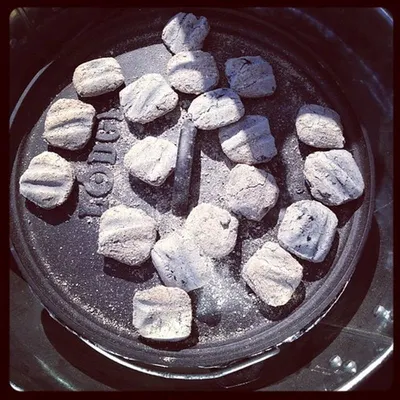
The product line includes Coconut Charcoal BBQ intended for grilling applications, a Sisha‑grade charcoal briquette, raw coir fiber, horticultural coco peat, organically certified desiccated coconut, and edible coconut oil. Typical specifications for coconut charcoal involve a fixed carbon content of 80 % - 85 % and moisture below 10 %. Sisha‑grade briquettes are commonly produced with a density of 0.55 - 0.65 g cm⁻³ and a size of 40 mm × 20 mm. Coconut oil is usually refined to a free fatty acid level under 0.5 % and packaged in 25 kg drums. Desiccated coconut generally meets a moisture content under 5 % and a particle size of 2 - 4 mm.
Product Range and Specialties of PT. Bintang Tujuh Unitet (BTU Office)
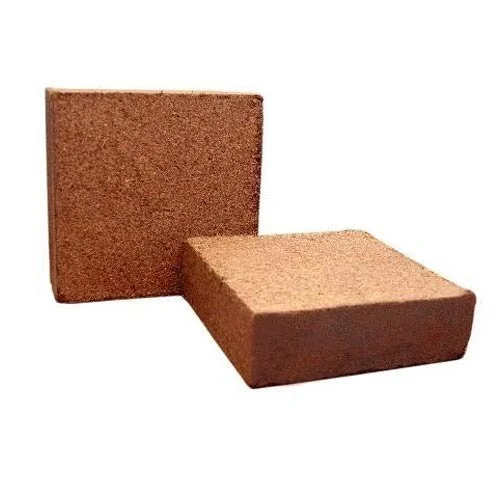
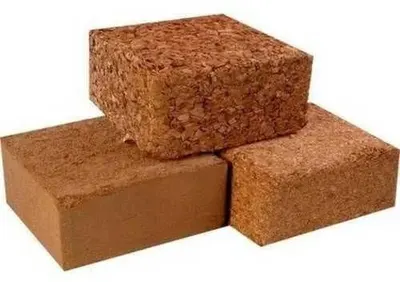
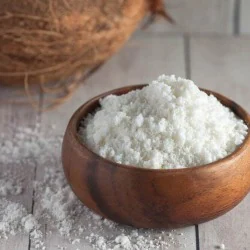
The catalogue groups the items into two main material families: carbonaceous products (charcoal and charcoal briquette) and coconut‑derived agricultural products (coir fiber, coco peat, desiccated coconut, coconut oil). In the carbon market, buyers often specify ICUMSA grades for charcoal, with Grade A indicating ash content below 5 % and bulk density above 0.5 g cm⁻³. Shisha‑grade briquettes are typically tested for uniformity, smokelessness and a burning time of 30 - 45 minutes per 25 g. For the horticultural segment, raw coir fiber is measured by fibre length (3 - 5 mm), moisture 10 % - 12 %, and bulk density 0.04 g cm⁻³, while coco peat is evaluated for pH 5.5 - 6.5, water‑holding capacity of 150 % - 200 % of its dry weight, and particle size distribution of 2 - 8 mm. Desiccated coconut sold as organic is required to comply with EU organic regulation (Regulation 834/2007) and typically has a moisture content ≤5 % and a fat content of 60 % - 70 %. Edible coconut oil is commonly refined to meet Codex Alimentarius standards for free fatty acid and peroxide value.
Frequently Asked Questions About PT. Bintang Tujuh Unitet (BTU Office)
What types of charcoal does PT. Bintang Tujuh Unitet offer?
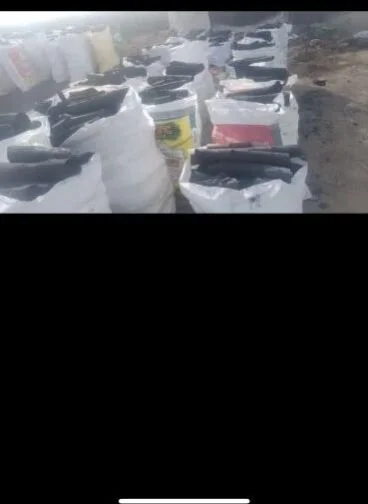
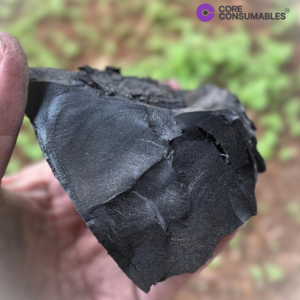
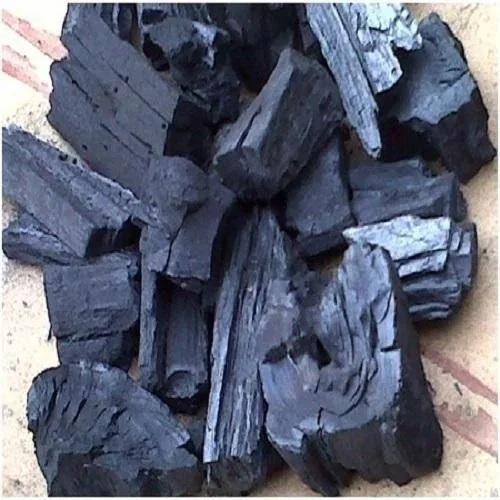
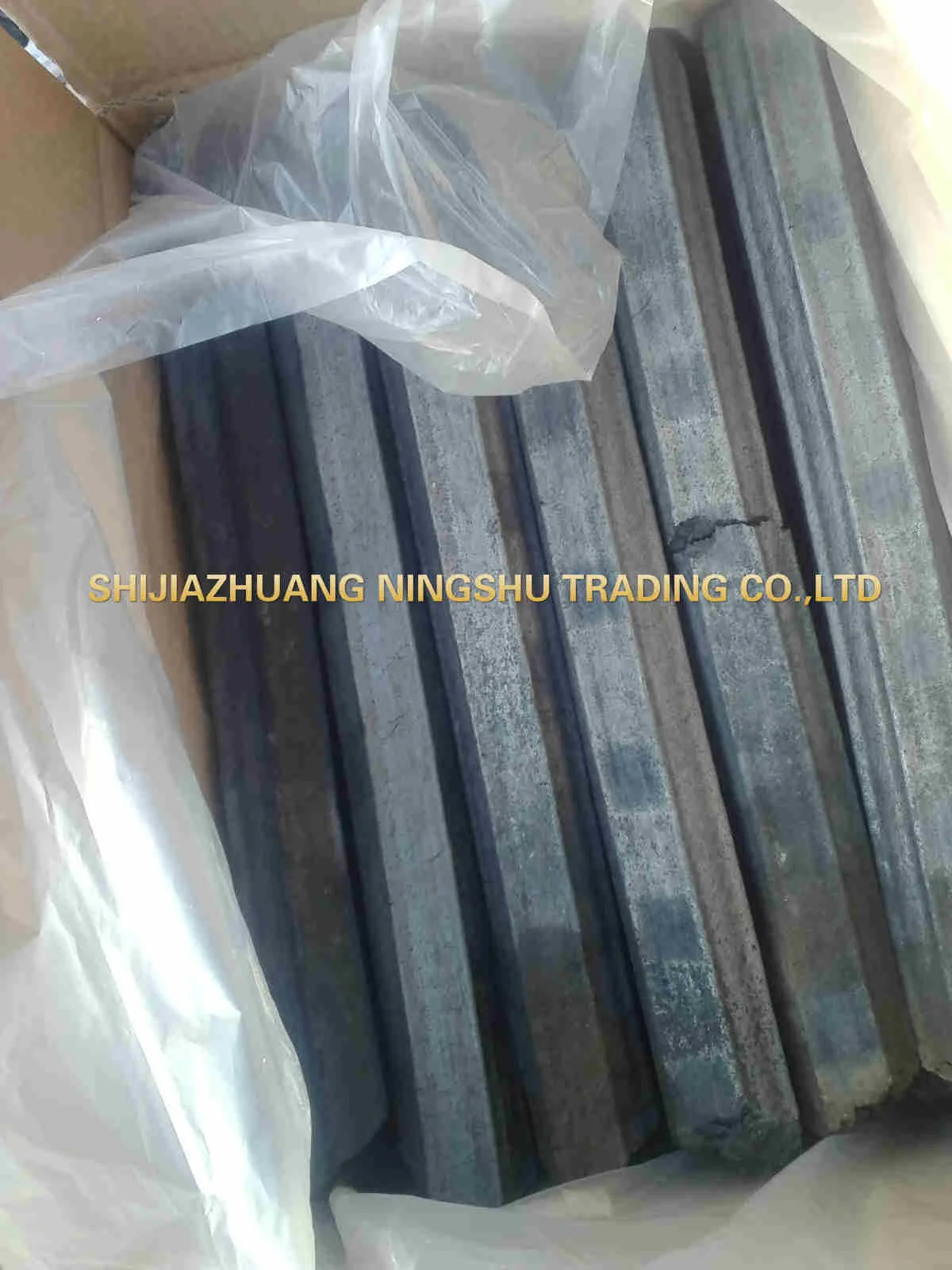
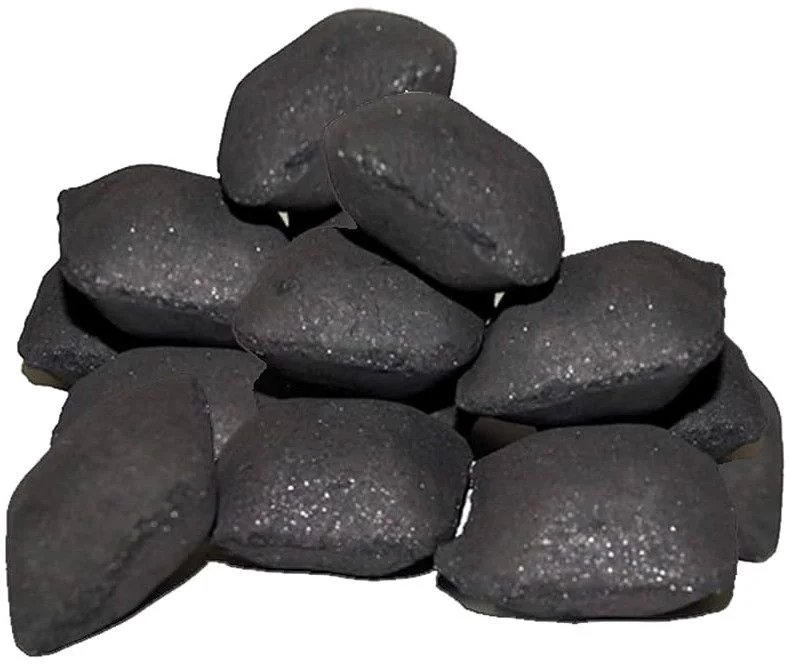
The supplier lists Coconut Charcoal BBQ for grilling and a Sisha‑grade Coconut Charcoal Briquette. Both are derived from coconut shells and are presented as separate product lines.
Are the charcoal products suitable for food‑grade grilling?
Coconut Charcoal BBQ is intended for food‑grade grilling and typically meets a carbon content of 80 % - 85 % with moisture below 10 %. Buyers should verify a food‑contact certification such as ISO 22000.
What specifications are available for the Coco Fiber product?
Coco Fiber is described as 100 % raw coconut husk fiber and is listed with HS code 5305.00. Industry norms require fibre length of 3 - 5 mm, moisture 10 % - 12 % and bulk density around 0.04 g cm⁻³.
How is the organic status of the desiccated coconut verified?
The product is labelled "Organic Certified". Buyers should request the current organic certification document issued by an EU‑recognised or equivalent certification body.
What packaging options are provided for coconut oil shipments?
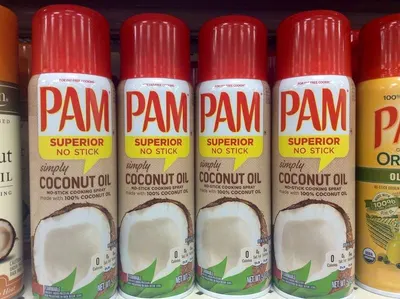
Coconut oil is commonly packed in 25 kg steel drums or bulk bags with moisture‑proof liners. Export shipments are usually loaded in a 20‑ft or 40‑ft container depending on volume.
IndonesiaRelated Suppliers & Products
Explore similar suppliers, related products and trending categories