PT Ageng Sumber Artha — Verified Supplier
About PT Ageng Sumber Artha - Pepper and Ginger Supplier in Indonesia
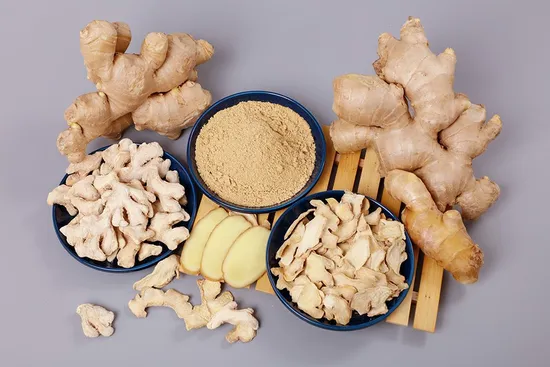
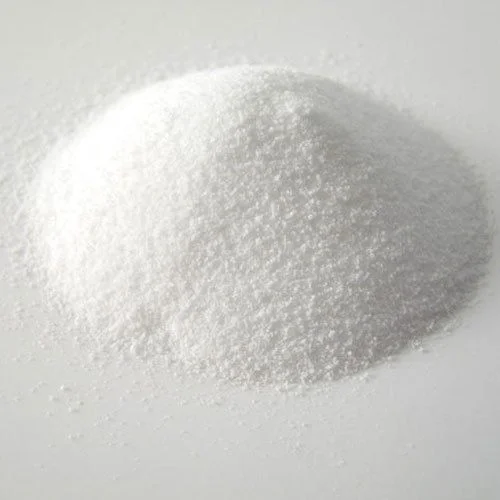
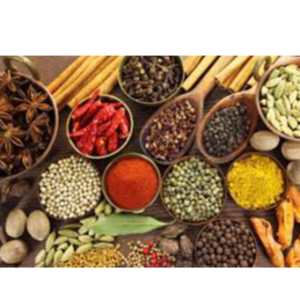
PT Ageng Sumber Artha is an Indonesia-based supplier operating from the Indonesian archipelago with an active catalogue of 5 products concentrated in two spice families: pepper (Piper nigrum and Piper album) and ginger (Zingiber officinale), in fresh, dried and powdered forms. The catalogue spans Fresh Giant Ginger, Dried Slice Ginger, Cracked Black Pepper, Whole White Pepper and White Pepper Powder, placing the company squarely in the Indonesian spice trade where Lampung (Sumatra) and parts of Java have historically anchored both pepper and ginger output. The supplier's listed range reflects the dual Indonesian position in global spice flows: a major black and white pepper origin, and a meaningful ginger exporter in both fresh rhizome and processed (dried, powdered) formats. Indonesia is one of the world's leading pepper origins and a consistent ginger supplier to regional and overseas buyers. PT Ageng Sumber Artha's 5-product catalogue covers the principal commercial formats in which these two spices move through B2B channels: fresh rhizomes for short-sea and air-freight buyers, dried slices for re-processing and food-service packers, cracked black pepper for industrial seasoning blenders, whole white pepper for retail repackaging and food manufacturing, and white pepper powder for sauce, marinade and processed-meat applications. The combined pepper-plus-ginger focus is a typical Indonesian spice exporter profile, where shipments are commonly consolidated into 20 ft or 40 ft containers for buyers in Asia, the Middle East, Europe and North America.
Product Range and Specialties of PT Ageng Sumber Artha
The PT Ageng Sumber Artha catalogue is built on two complementary spice families. On the ginger side, Fresh Giant Ginger is offered as whole rhizomes, typically traded in mesh bags or cartons of 5-30 kg with buyers commonly specifying moisture content in the 70-85% range for the fresh form, while Dried Slice Ginger is supplied as cut, dehydrated rhizome slices used as a raw material for grinding, oleoresin extraction and tea blending. On the pepper side, Cracked Black Pepper is a coarse-broken form of dried Piper nigrum berries, Whole White Pepper is the decorticated (husk-removed) berry produced by retting ripe pepper berries, and White Pepper Powder is the ground finished product. In the global spice trade, Indonesian pepper is commonly traded under grade specifications such as ASTA (American Spice Trade Association) cleanliness standards and ISO 959-1 pepper grading, with black pepper typically referenced by bulk density (around 500-580 g/L for Lampung-style bold black pepper) and piperine content (commonly 4-7% on a dry basis). White pepper grades are often referenced by size (Muntok white, often designated by sieve sizes such as 4.75 mm and above for the top grades) and piperine levels similar to black pepper. Ginger is typically traded against parameters such as moisture (dried ginger commonly below 12%, fresh ginger well above 60%), volatile oil content (often 1.5-3.5% for dried ginger), and oleoresin yield. Powdered products in this category are usually specified by mesh size (commonly 40-80 mesh for food-grade pepper and ginger powders), microbiological limits, and limits on extraneous matter, which are the parameters a buyer should request when evaluating an Indonesian supplier in this segment.
Trade and Export Information - PT Ageng Sumber Artha
Indonesian pepper exports typically fall under HS code 0904 (pepper of the genus Piper; dried or crushed or ground fruits), with whole black pepper generally classified under 0904.11, whole white pepper under 0904.12 (crushed or ground forms under 0904.12 in the crushed/ground subheading, with whole white pepper in the 0904.12 family depending on national tariff detail), and crushed or ground pepper under 0904.12/0904.20 depending on the exact national tariff line. Ginger exports from Indonesia typically fall under HS code 0910.10 (ginger) for fresh or dried whole and 0910.91/0910.99 for crushed or ground ginger, with fresh ginger commonly moving under 0910.10. These HS families cover the products listed in the PT Ageng Sumber Artha catalogue and are the codes buyers see on commercial invoices, certificates of origin and phytosanitary documentation. For pepper and ginger shipped out of Indonesia, the documents typically required by importing authorities include a phytosanitary certificate (issued by Indonesia's agricultural authority), a certificate of origin (under ASEAN or other preferential frameworks where applicable), a fumigation certificate for dried spices, and a health/quality certificate. Buyers in the EU, Japan and the United States additionally expect compliance with food-safety regulations covering contaminants (aflatoxin limits for ginger and ochratoxin A for pepper under EU Regulation 1881/2006 and amendments), pesticide residues, heavy metals and microbiology, with many large buyers additionally requiring HACCP-based supplier approval and documentation aligned with BRCGS, FSSC 22000 or SQF food-safety schemes. Indonesian spice exporters commonly ship on FOB, CFR or CIF Incoterms in 20 ft containers (roughly 12-18 metric tons for dried pepper depending on bulk density) or 40 ft containers for larger consolidated orders, with fresh ginger typically shipped by reefer container at 10-13 degrees Celsius. The main destination regions for Indonesian pepper and ginger are India, Vietnam, the United States, the Netherlands, Germany and other EU member states, Japan, and Middle Eastern re-export hubs.
Sourcing from PT Ageng Sumber Artha - Buyer Guidance
Sourcing from an Indonesian spice supplier such as PT Ageng Sumber Artha should start with a written specification sheet for each product: for the pepper items, request ASTA or ISO 959-1 grade, bulk density (g/L), piperine percentage, moisture percentage (commonly below 12% for dried pepper), extraneous matter limits, and mesh size for the powder; for the ginger items, request form (fresh rhizome or dried slice), moisture content, volatile oil percentage, and for the powder, mesh size and microbiological limits. Ask for a pre-shipment sample, a Certificate of Analysis from an independent or accredited lab, and confirmation of the harvest year, since pepper and ginger quality varies significantly by crop. Confirm the supplier's food-safety documentation (HACCP plan, third-party food-safety certification such as BRCGS, FSSC 22000 or SQF where claimed, and traceability to the source farm or collection point) and ask for the phytosanitary, fumigation and certificate-of-origin documents that the destination country requires. For fresh ginger specifically, clarify cold-chain capability, expected transit time, target arrival temperature and the variety being supplied (commonly referred to as 'giant' or large-rhizome Indonesian ginger), and confirm packaging weight per carton or bag. For all items, agree Incoterms (FOB, CFR or CIF are typical for Indonesian spice shipments), payment terms (a common pattern is 30% deposit with balance against copy of B/L or L/C at sight for new buyers), MOQ per SKU, and lead time from order to vessel loading. Given the harbor trust tier of this listing, buyers should perform their own due diligence, request references from prior buyers where possible, and consider third-party inspection at loading (for example SGS, Bureau Veritas or Intertek) to verify grade, moisture, packaging and container condition before shipment leaves Indonesia.
Frequently Asked Questions About PT Ageng Sumber Artha
What product categories does PT Ageng Sumber Artha supply?
The supplier lists 5 active products across two spice families: ginger (Fresh Giant Ginger and Dried Slice Ginger) and pepper (Cracked Black Pepper, Whole White Pepper and White Pepper Powder). All items fall within the Indonesian spice export trade, with pepper under HS code 0904 and ginger under HS code 0910.
Which grades and specifications should a buyer request for the pepper items?
Ask for ASTA cleanliness grade or ISO 959-1 grade, bulk density in g/L (Lampung bold black pepper is commonly around 500-580 g/L), piperine content (typically 4-7% on a dry basis), moisture (below 12% for dried pepper), and for White Pepper Powder a mesh size specification such as 40-60 mesh, plus microbiological and extraneous-matter limits.
Which specifications matter most for the ginger items?
For Fresh Giant Ginger, confirm variety, rhizome size, moisture (typically 70-85%), packaging weight and cold-chain capability. For Dried Slice Ginger, request moisture (commonly below 12%), volatile oil content (typically 1.5-3.5%) and slice thickness. For any ginger powder, specify mesh size, moisture and microbiological limits.
Which documents are typically required to import pepper and ginger from Indonesia?
Buyers should expect a phytosanitary certificate, certificate of origin, fumigation certificate for dried spices, commercial invoice, packing list and bill of lading. Importing countries in the EU, Japan and the US additionally require compliance with aflatoxin, ochratoxin A, pesticide residue and heavy-metal limits under their food-safety regulations.
Does PT Ageng Sumber Artha hold food-safety certifications?
The supplier's published facts do not list any specific food-safety or quality certification. Buyers should request the supplier's current food-safety documentation, such as HACCP, BRCGS, FSSC 22000 or SQF certificates, and confirm validity directly with the issuing body before placing an order.
What are typical packaging and shipment formats for Indonesian pepper and ginger?
Dried pepper and dried ginger slice are commonly shipped in 20 ft containers of roughly 12-18 metric tons for pepper depending on bulk density, in multi-wall paper bags of 25 kg or 50 kg, or in bulk polypropylene big bags. Fresh ginger is typically shipped in 40 ft reefer containers at 10-13 degrees Celsius in cartons or mesh bags of 5-30 kg.
What MOQ and lead time should a buyer expect?
MOQ and lead time are not published in the supplier's facts and should be confirmed directly. For Indonesian spice exporters, typical MOQs range from one 20 ft container for dried pepper or dried ginger, to smaller consolidated volumes for fresh ginger, with lead times commonly 2-4 weeks after order confirmation, longer for fresh ginger requiring harvest scheduling.
How can a buyer verify quality before shipment leaves Indonesia?
Request pre-shipment samples, a Certificate of Analysis from an accredited lab covering grade, moisture, piperine, volatile oil and microbiology, and commission a third-party pre-shipment inspection (commonly SGS, Bureau Veritas or Intertek) to verify product specification, packaging, marking and container condition at the Indonesian loading port.




 , Indonesia