Agriculture›
 Apparel and fashion accessories›
 Construction & real estate›💡Electronic & Electrical›🍎Food & Beverages›🛋️Home furnishing & supplies›⚗️Industrial goods & chemical›🪨Minerals & metals›📦Miscellaneous›Agriculture›Apparel and fashion accessories›Construction & real estate›💡Electronic & Electrical›🍎Food & Beverages›🛋️Home furnishing & supplies›⚗️Industrial goods & chemical›🪨Minerals & metals›📦Miscellaneous›
Precepts Exim Product Catalog
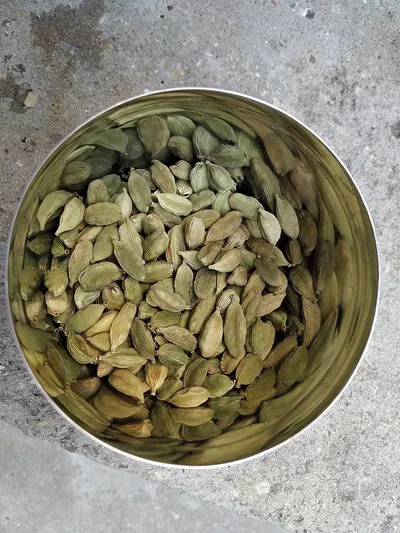
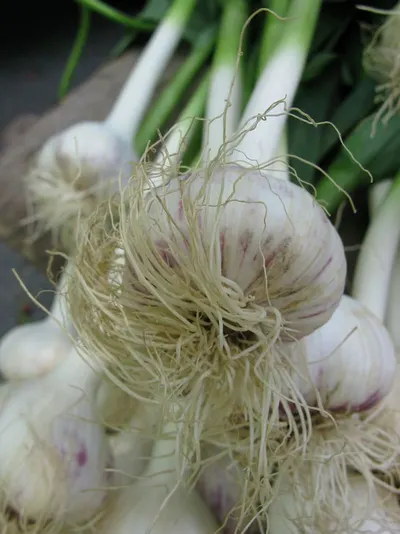

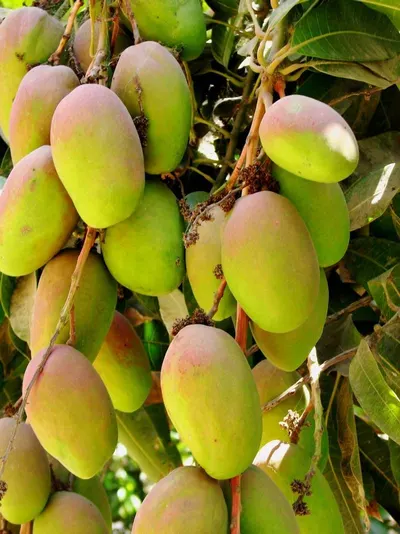
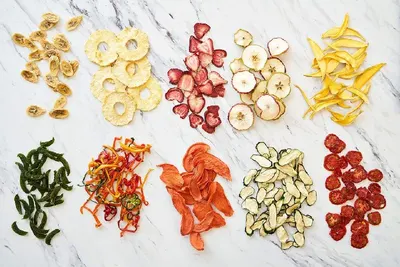


About Precepts Exim - Green Cardamom Supplier in India
India, with a catalogue of eight active products, supplies a range of fresh horticultural items and garments through Precepts Exim. The listed items include Green Cardamom, Fresh Onion, Fresh Cavendish Banana (HS code 0803.90), Mango, Okra (commonly called Lady Finger), Green Chilli, Knitted & Woven Garments, and Turmeric. Each product is presented under its generic category without additional specifications in the supplied data. The banana entry specifies the material as Fresh Cavendish Banana (Musa acuminata, AAA Group).
The catalogue groups the spices and vegetables together, reflecting typical Indian export baskets. No HS codes are provided for Green Cardamom, Onion, Mango, Okra, Green Chilli, Garments, or Turmeric, while the banana entry is linked to HS chapter 08 for fresh fruit. The supplier does not disclose further technical parameters such as grade, size, or moisture content. The product count of eight indicates a focused portfolio rather than a broad commodity range.
Product Range and Specialties of Precepts Exim
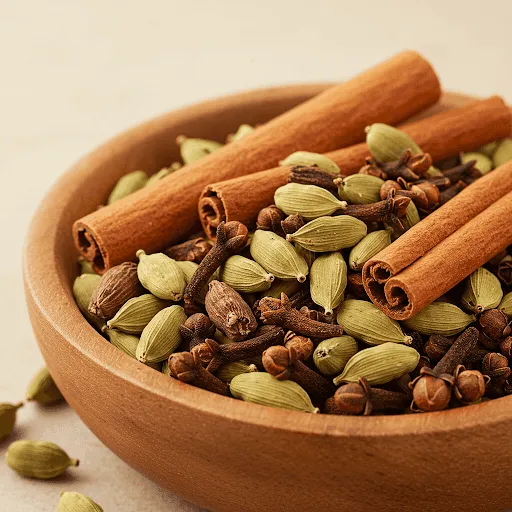
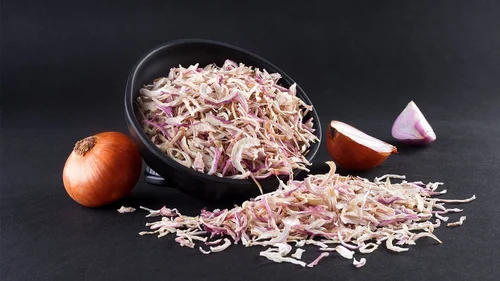
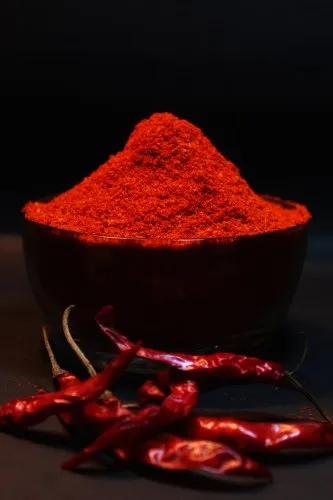
Precepts Exim lists Green Cardamom, a spice commonly exported in whole pod form with pod length of 10‑12 mm and moisture below 12 %, classified under HS 0905. Fresh Onion is usually shipped in 5‑10 kg mesh bags, meeting size grades of 40‑60 mm and HS 0703. The Fresh Cavendish Banana (HS 0803.90) is typically packed in 12‑15 kg bunches, with a shelf life of 14‑21 days under refrigerated transport. Mangoes, often of the Alphonso or Kesar varieties, fall under HS 0804 and are graded by size (A‑C) and pulp firmness. Okra (Lady Finger) is classified under HS 0709, commonly supplied in 20 kg cartons with length 10‑12 cm per pod. Green Chilli, HS 0904, is exported with capsaicin levels ranging from 10 000‑30 000 Scoville units and moisture around 85 %. Knitted & Woven Garments fall under HS 6203, with typical fabric weight of 150‑250 g/m² for t‑shirts and 200‑300 g/m² for shirts. Turmeric, HS 0910, is usually ground to a particle size of 200‑300 µm and contains curcumin levels of 3‑5 %.
Industry practice for these Indian exports includes wooden crates or corrugated boxes for fresh produce, with inner liners of polyethylene. Garments are packed in poly‑bagged cartons, often on a 40 ft container basis of 1 200‑1 400 pieces depending on garment type. Quality assurance commonly involves ISO 22000 or HACCP food safety systems, though the supplier's own certifications are not listed.
Frequently Asked Questions About Precepts Exim
What HS codes does Precepts Exim use for its fresh produce?
The catalogue specifies HS 0803.90 for Fresh Cavendish Banana. Typical HS classifications for the other fresh items are HS 0905 for Green Cardamom, HS 0703 for Onion, HS 0804 for Mango, HS 0709 for Okra (Lady Finger), HS 0904 for Green Chilli and HS 0910 for Turmeric. Garments are generally classified under HS 6203.
Which markets does Precepts Exim primarily export to?
The supplier’s product mix aligns with export flows from India to the European Union, the United States, the Middle East and Southeast Asian countries. Garments also find demand in North America, Europe and the Gulf Cooperation Council region.
Which certifications should a buyer request for the spices and vegetables?
Buyers should ask for a phytosanitary certificate, FSSAI registration, and a food‑safety system certificate such as ISO 22000 or HACCP. Additional documents may include pesticide residue test reports and moisture content analysis specific to each commodity.
What is the typical packaging for bananas from this supplier?
Bananas are usually packed in bunches weighing 12‑15 kg, placed in insulated wooden crates or reinforced cardboard boxes to preserve freshness during transit. The crates are often lined with polyethylene film and labeled with HS 0803.90.
How are garments packed and what size standards apply?
Garments are packed in poly‑bagged cartons, each carton containing a set number of pieces according to the buyer's size range. The HS code for these items is 6203 and common fabric weights are 150‑250 g/m² for t‑shirts and 200‑300 g/m² for shirts. Size specifications follow standard international size charts (e.g., ISO 8371).
 India
Related Suppliers & Products
Explore similar suppliers, related products and trending categories