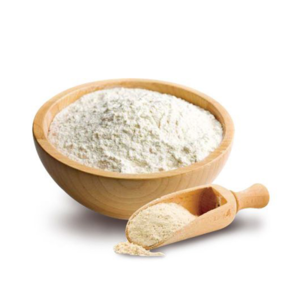
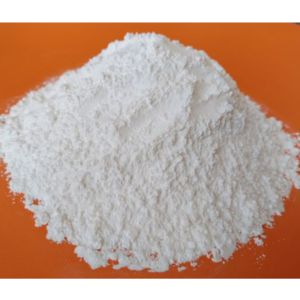
Agriculture›
 Apparel and fashion accessories›
 Construction & real estate›💡Electronic & Electrical›🍎Food & Beverages›🛋️Home furnishing & supplies›⚗️Industrial goods & chemical›🪨Minerals & metals›📦Miscellaneous›Agriculture›Apparel and fashion accessories›Construction & real estate›💡Electronic & Electrical›🍎Food & Beverages›🛋️Home furnishing & supplies›⚗️Industrial goods & chemical›🪨Minerals & metals›📦Miscellaneous›
Pratibha Refractory Minerals
⚓ Harbor , IndiaNew supplier / no reviews yet
Pratibha Refractory Minerals Product Catalog
About Pratibha Refractory Minerals - Other Ores & Minerals Supplier in India
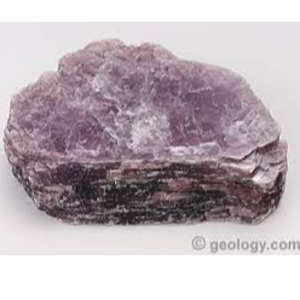
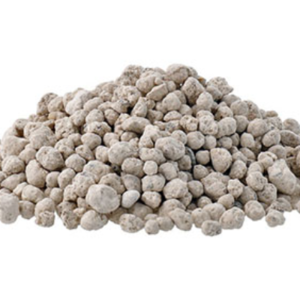
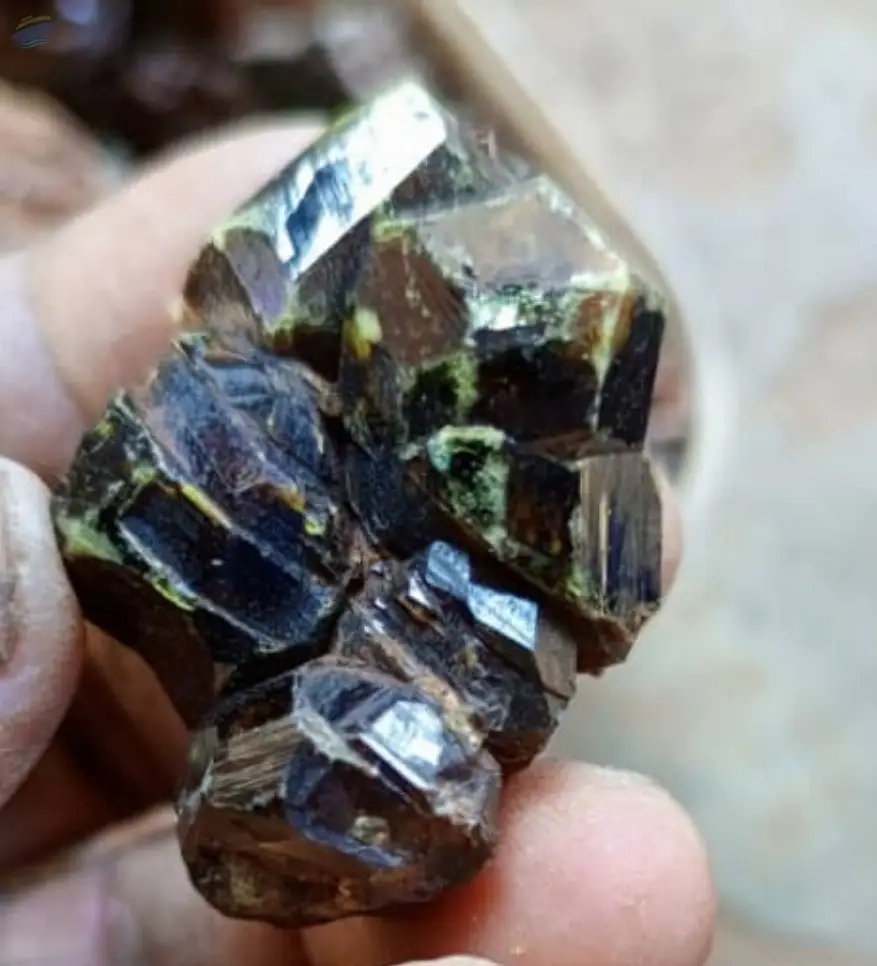
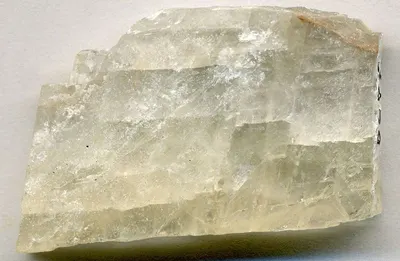
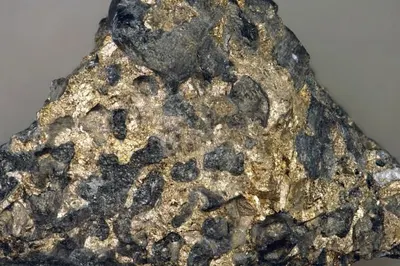
India is the source country for Pratibha Refractory Minerals, which lists eight active mineral products in its catalogue. The product set includes Kaolin, Pyrophyllite, Sillimanite, China Clay, Dolomite (HS 2518.10, calcium magnesium carbonate), Quartz (HS 2506.10, natural silicon dioxide), Feldspar (HS 2529.10, potash and sodium feldspar powder) and Kyanite (HS 2508.50, aluminum silicate). These items fall under the broader categories of Other Ores & Minerals, Kaolin and Quartz as classified in the supplier’s top categories. Each product is identified by its material composition, for example Dolomite as CaMg(CO3)2 and Quartz as SiO2. The catalogue does not provide additional specifications such as particle size or purity for the listed items.
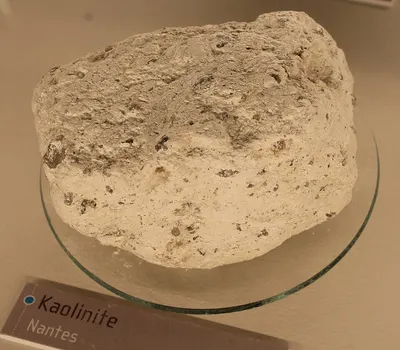
Within the eight‑item list, the supplier does not disclose processing forms beyond the raw mineral description, but the HS codes indicate standard bulk export classifications used for industrial minerals. The inclusion of both aluminosilicate minerals (Kyanite, Sillimanite, Pyrophyllite) and silicate powders (Feldspar) suggests potential applications in refractory, ceramics and glass manufacturing. The Kaolin and China Clay entries are grouped under the Kaolin category, reflecting their common use as filler and pigment. No explicit certification or quality grade is indicated in the supplied data. Buyers can therefore rely on the material identifiers and HS codes when assessing compatibility with their own specification requirements.
Product Range and Specialties of Pratibha Refractory Minerals
Kaolin and China Clay from Indian sources are typically supplied with a brightness of 90 - 95 ISO units, silica content above 45 % and moisture below 2 %. Particle size distribution often targets a median size (d50) of 2 - 5 µm for fine applications, and bulk density ranges from 1.9 to 2.2 g cm‑3. Quartz exported under HS 2506.10 commonly meets a SiO2 purity of 99.5 % or higher, with moisture content under 0.5 % and a standard mesh size of 40 - 200. Feldspar powders (HS 2529.10) are usually graded to 95 - 98 % K‑ or Na‑feldspar purity, with a particle size of 200 mesh (75 µm) and bulk density around 2.5 g cm‑3. Dolomite (HS 2518.10) is generally offered with a combined CaO+MgO content of 95 % or more, calcium‑to‑magnesium ratio close to 1:1, and moisture below 1 %. Refractory aluminosilicates such as Pyrophyllite, Sillimanite and Kyanite are commonly specified by Al2O3 content (>50 %), bulk density (2.5 - 3.0 g cm‑3) and thermal stability up to 1700 °C, with particle sizes adapted to the target refractory formulation.
Frequently Asked Questions About Pratibha Refractory Minerals
What mineral products does Pratibha Refractory Minerals currently list?
The supplier lists eight mineral products: Kaolin, Pyrophyllite, Sillimanite, China Clay, Dolomite (HS 2518.10, calcium magnesium carbonate), Quartz (HS 2506.10, natural silicon dioxide), Feldspar (HS 2529.10, potash and sodium feldspar powder) and Kyanite (HS 2508.50, aluminum silicate).
Which HS codes are associated with the supplier’s quartz and dolomite offerings?
Quartz is classified under HS code 2506.10, while Dolomite is listed under HS code 2518.10. These codes belong to Chapter 25 for minerals and are used for customs clearance.
What typical specifications should I verify for Kaolin sourced from India?
Buyers usually check for a silica content above 45 %, brightness in the range of 90 - 95 ISO units, moisture below 2 %, bulk density between 1.9 and 2.2 g cm‑3, and a median particle size (d50) of 2 - 5 µm. A recent laboratory analysis report should confirm these values.
Which certifications are commonly required for refractory minerals exported from India?
International buyers often request ISO 9001 quality‑management certification, ISO 14001 environmental certification, and REACH registration for EU shipments. Additional ASTM or ISO standards may be cited depending on the end‑use, such as ASTM C618 for pozzolanic materials.
How are the minerals typically packaged for overseas shipment?
Bulk minerals are usually packed in 1‑ton woven polypropylene or polypropylene bags that are moisture‑resistant, then loaded into 20‑foot or 40‑foot containers. The packaging is designed to protect against contamination and breakage during sea freight.
IndiaRelated Suppliers & Products
Explore similar suppliers, related products and trending categories