Potop Co. Ltd. — Supplier
About Potop Co. Ltd. - Industrial Machinery Supplier in China
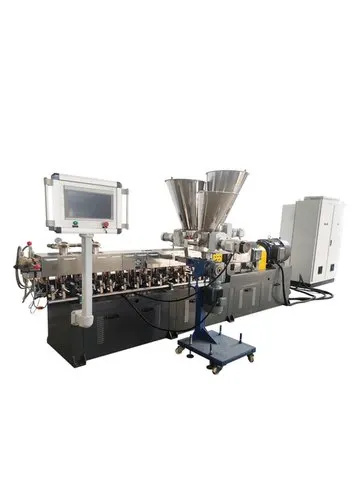
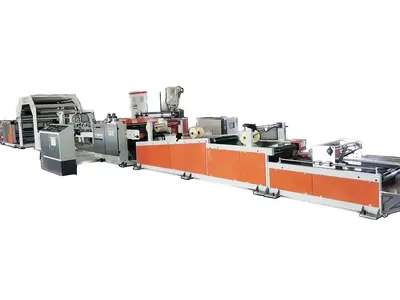
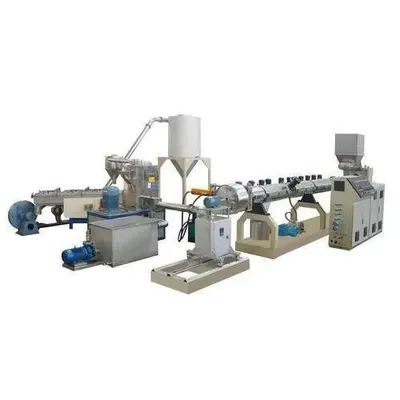
Potop Co. Ltd. operates from China and maintains a catalogue of seven active products. The offerings are classified under Industrial Machinery, Laboratory Equipments & Instruments, Packaging Machinery and Light & Medium Machinery. All listed items are types of film processing equipment used in plastic manufacturing. The machines are designed for laboratory‑scale to small‑batch production, covering casting, calendering and blown film processes. Buyers typically evaluate these units for output width, film thickness range, power rating and control system.
The product list includes the POTOP Desktop Cast Film Extruder, Desktop Extrusion Three‑roll Calender, Small Split Type Cast Film Extruder, Small Split Type Calendering Extruder, 10ratio Film Lab Biaxial Stretcher, Desktop Blow Film Machine and Three‑layer Blown Film Machine. These machines address film extrusion, calendering, biaxial stretching and multilayer blown film production. Each model is referenced without a specific HS code in the supplied data. The range spans desktop units for R&D labs to split‑type machines for limited production runs. The catalogue does not disclose capacity figures, but the naming suggests laboratory‑size throughput.
Product Range and Specialties of Potop Co. Ltd.
Film extrusion and calendering machinery are core equipment for converting polymer granules into flat films. In the plastic processing sector, standard grades for blown film machines include polyethylene (PE) and polypropylene (PP) with thicknesses from 10 µm to 150 µm. Calender rolls are often steel or chrome‑plated with surface finishes measured in microns; typical tensile strength of the produced film follows ASTM D882. Biaxial stretchers are used to orient films to improve tensile strength and barrier properties, commonly targeting a 10:1 stretch ratio. Buyers of laboratory‑scale equipment usually require a modular control interface, power consumption below 15 kW, and the ability to change die sets quickly.
Chinese manufacturers of such machinery often comply with ISO 9001 quality management and provide CE marking for EU markets. Commonly, the equipment is shipped in standard 20‑ft or 40‑ft containers with wooden crates, and specifications are documented in data sheets referencing ISO 14001 environmental management where applicable.
Trade and Export Information - Potop Co. Ltd.
China is a leading exporter of plastic processing machinery, and equipment of the types listed by Potop Co. Ltd. is typically classified under HS chapter 84, especially heading 8479 for machines for working rubber or plastics. Major import regions include Southeast Asia, Europe and North America, where automotive, packaging and consumer‑goods manufacturers source film production lines. Buyers usually request CE Declaration of Conformity, ISO 9001 certification and test reports confirming film thickness tolerance (±5 %). Shipping is commonly arranged on FOB Shanghai or Ningbo, with freight in 20‑ft containers accommodating one to two desktop units or a split‑type extruder and calender set.
Regulatory checks often involve customs inspection of the machine’s compliance documentation and verification of safety standards such as IEC 60204 for electrical equipment. Export documentation from China normally includes a commercial invoice, packing list, certificate of origin and, when required, a test certificate from an accredited laboratory.
Sourcing from Potop Co. Ltd. - Buyer Guidance
When sourcing the Potop film processing machines, buyers should request a detailed data sheet that lists motor power, maximum film width, thickness range, material compatibility and control system specifications. It is advisable to obtain a CE Declaration of Conformity and, if the destination market requires, an UL or CSA listing before finalizing the order. Sample production runs or pilot testing can be arranged on the desktop models to verify film quality against standards such as ASTM D123 for polyethylene film clarity.
Buyers should also confirm the warranty period, on‑site installation support and the availability of spare parts for the specific die and roll sizes. Lead times for laboratory‑scale units are typically 30‑45 days from order confirmation, while split‑type machines may require 60‑90 days due to larger frame construction. Payment terms are often structured as a deposit against a pro‑forma invoice followed by balance upon shipment, with documents presented under a letter of credit or escrow arrangement.
Frequently Asked Questions About Potop Co. Ltd.
What types of film processing equipment does Potop Co. Ltd. list?
Potop Co. Ltd. lists seven models: Desktop Cast Film Extruder, Desktop Extrusion Three‑roll Calender, Small Split Type Cast Film Extruder, Small Split Type Calendering Extruder, 10ratio Film Lab Biaxial Stretcher, Desktop Blow Film Machine and Three‑layer Blown Film Machine. Each model targets laboratory or small‑batch production.
Which HS code category do these machines generally fall under?
These machines are generally classified under HS heading 8479, which covers machines for working rubber or plastics within chapter 84. The specific code depends on the exact configuration and function.
What certifications should a buyer verify for these machines?
Buyers should request a CE Declaration of Conformity and evidence of ISO 9001 quality‑management certification. Additional safety certificates such as IEC 60204 for electrical equipment are common for export to European and North American markets.
What specifications are typical for a desktop blown film machine?
Typical specifications include motor power up to 15 kW, maximum film width around 300 mm, thickness range of 10‑150 µm, compatibility with PE and PP resins, and a PLC‑based control panel. Buyers also look for die changeability and built‑in film thickness monitoring.
How are these machines packaged for shipment?
Machines are packed in wooden crates to protect delicate components and loaded into standard 20‑ft or 40‑ft containers. One or two desktop units fit in a 20‑ft container, while larger split‑type units usually occupy a full 40‑ft container.
Which Incoterms are commonly used for exporting Potop’s equipment?
Export transactions commonly use FOB Shanghai or FOB Ningbo, allowing the buyer to arrange freight. CIF to the destination port is also frequently agreed when the buyer prefers the seller to handle maritime transport.
What lead time and minimum order quantity can a buyer expect?
The minimum order is typically a single machine per model. Lead time is about 30 days for desktop units and 60‑90 days for split‑type equipment, depending on configuration and optional accessories.
What documentation should a buyer request before placing an order?
Buyers should request the full technical data sheet, CE Declaration of Conformity, ISO 9001 certificate, and any test reports that verify film thickness tolerance and electrical safety. A warranty certificate and spare‑parts list are also advisable.




 , China