Agriculture›
 Apparel and fashion accessories›
 Construction & real estate›💡Electronic & Electrical›🍎Food & Beverages›🛋️Home furnishing & supplies›⚗️Industrial goods & chemical›🪨Minerals & metals›📦Miscellaneous›Agriculture›Apparel and fashion accessories›Construction & real estate›💡Electronic & Electrical›🍎Food & Beverages›🛋️Home furnishing & supplies›⚗️Industrial goods & chemical›🪨Minerals & metals›📦Miscellaneous›
Plastiva Uab Product Catalog


About Plastiva Uab - Laminates Supplier in Lithuania
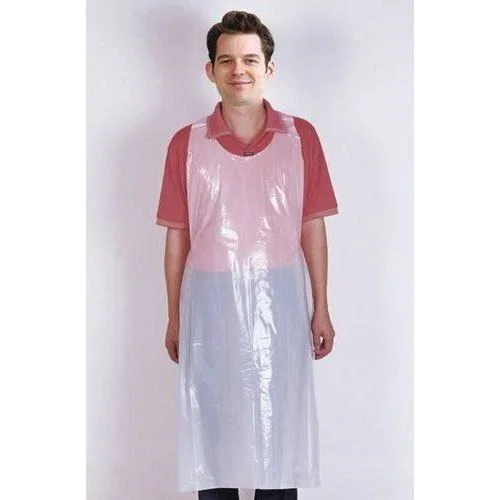
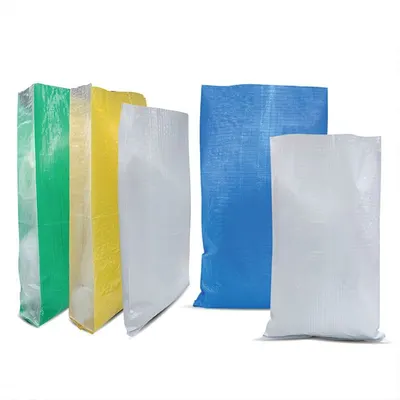
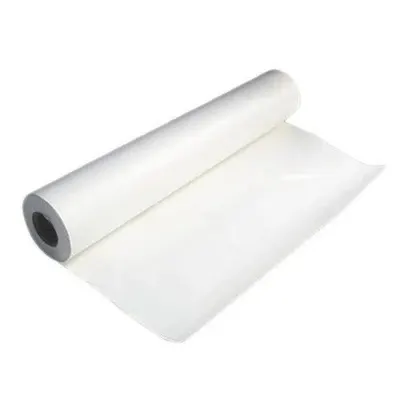
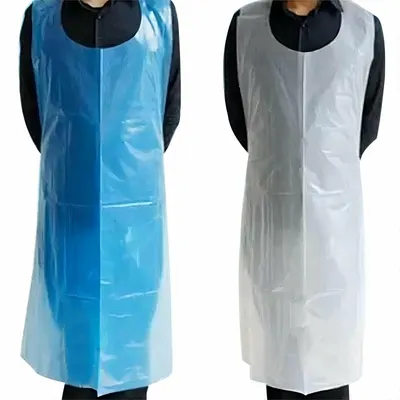
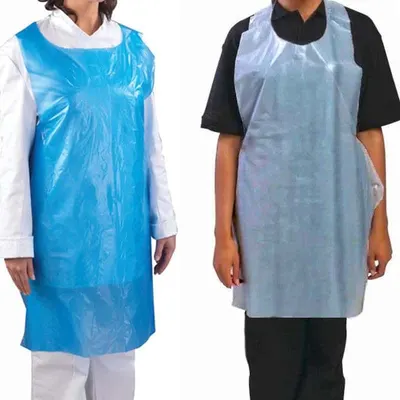
Plastiva Uab is based in Lithuania, a Baltic EU member that exports a portfolio of six listed products. The catalogue includes Polyethylene Double Flat Film, Polyethylene half‑sleeve film, Disposable Apron (HS code 3926.20, material LDPE), Polyethylene Film Sleeve, Polyethylene Bags and Polyethylene Films. The listed top categories are Laminates, Medical Caps, Disposable Aprons and PP (Polypropylene) Plastic Bags, indicating a focus on flexible polymer packaging and medical‑grade disposable items. Each product falls under the broader HS chapter 39 for plastics, with the Disposable Apron specifically classified under sub‑heading 3926.20 for polymer articles for the conveyance or packing of goods. The supplier’s “harbor” trust tier suggests it is positioned within the middle segment of the platform’s risk assessment hierarchy.
Lithuania’s proximity to major EU logistics hubs enables relatively short transit times to Western Europe, the Nordics and the Middle East. Exporters of polyethylene films from Lithuania typically ship in 20‑ft or 40‑ft containers, using standard palletised packaging or bulk rolls depending on the buyer’s specifications. The EU’s REACH regulation governs the chemical safety of polymer additives, so buyers often request compliance certificates for the specific polymer grade. While Plastiva Uab does not list any certifications, purchasers should verify that the LDPE used in the Disposable Apron meets EN 13432 or comparable biodegradability standards where required. Overall, the company’s product set aligns with common demand for low‑density polyethylene films used in medical and food‑service packaging.
Product Range and Specialties of Plastiva Uab
The catalogue lists six polyethylene‑based items: two flat films, a half‑sleeve film, a film sleeve, bulk bags and a general films line, plus a single disposable apron classified under HS 3926.20. In the plastics packaging sector, flat films are typically supplied in gauges ranging from 20 µm to 100 µm, with melt flow indices (MFI) between 2 and 10 g/10 min for LDPE grades. Half‑sleeve and sleeve films often target medical or food‑service applications and are produced to meet ISO 9001 quality‑management processes, with surface finishes that can be matte or glossy depending on extrusion settings. Disposable aprons made from LDPE are usually 0.05‑0.10 mm thick, feature a water‑repellent coating, and are packaged in bulk cartons of 5,000 units for export. Polyethylene bags may be supplied in standard sizes such as 30 × 40 cm or custom dimensions, with typical load‑bearing capacities of 0.5 kg to 2 kg per bag.
Frequently Asked Questions About Plastiva Uab
What polymer grades does Plastiva Uab offer for its flat films?
The flat films are listed as polyethylene, which in the industry is typically supplied as low‑density polyethylene (LDPE) with melt flow indices between 2 and 10 g/10 min and thicknesses from 20 µm to 100 µm.
Which HS codes apply to Plastiva Uab’s polyethylene products?
Only the Disposable Apron is explicitly assigned HS 3926.20; the remaining items fall under the broader HS chapter 39 for plastics, such as 3919 for polymer films.
What certifications should a buyer request from Plastiva Uab?
Buyers should ask for ISO 9001 quality‑management certification, REACH compliance documentation, and, for medical items, CE marking and any relevant biocompatibility test reports.
Is the Disposable Apron compliant with EU medical‑device regulations?
The catalogue provides the HS code 3926.20 and material LDPE; buyers should request a CE Declaration of Conformity and any relevant test reports (e.g., EN 13432 or ISO 10993) to confirm compliance.
What packaging formats are used for the polyethylene bags?
Exporters of LDPE bags from Lithuania commonly use bulk cartons or shrink‑wrapped pallets; standard bag sizes range from 30 × 40 cm to custom dimensions, with typical load capacities of 0.5‑2 kg per bag.
 Lithuania
Related Suppliers & Products
Explore similar suppliers, related products and trending categories