Agriculture›
 Apparel and fashion accessories›
 Construction & real estate›💡Electronic & Electrical›🍎Food & Beverages›🛋️Home furnishing & supplies›⚗️Industrial goods & chemical›🪨Minerals & metals›📦Miscellaneous›Agriculture›Apparel and fashion accessories›Construction & real estate›💡Electronic & Electrical›🍎Food & Beverages›🛋️Home furnishing & supplies›⚗️Industrial goods & chemical›🪨Minerals & metals›📦Miscellaneous›
Philiplee Global Company (Ltd) LLC
⚓ Harbor , Sri LankaNew supplier / no reviews yet
Philiplee Global Company (Ltd) LLC Product Catalog
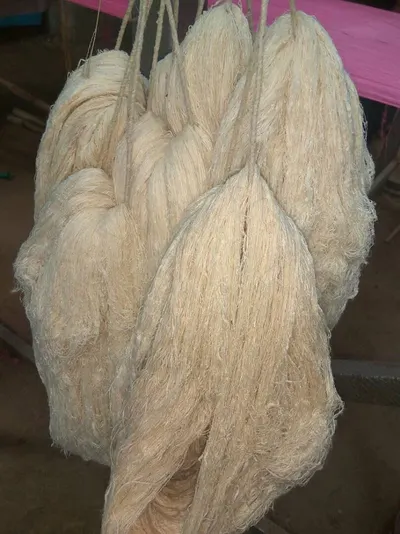
About Philiplee Global Company (Ltd) LLC - Coir Fibers Supplier in Sri Lanka
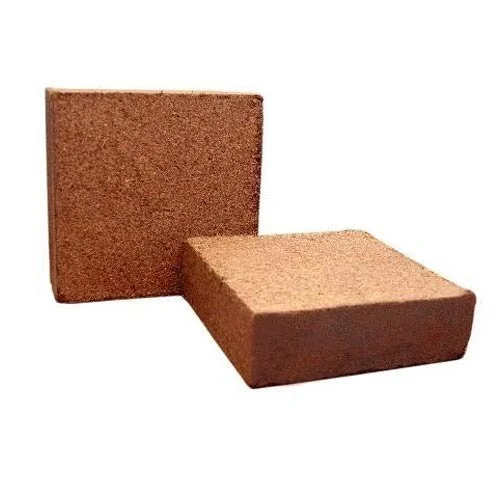
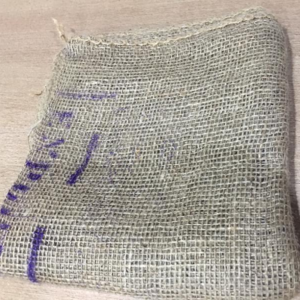
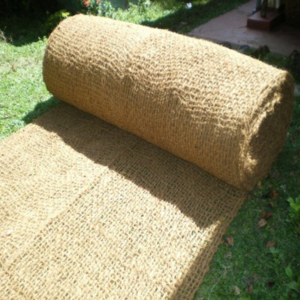
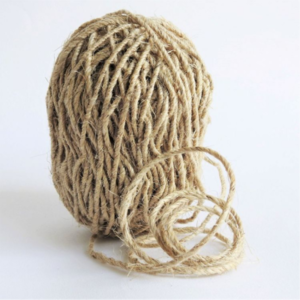
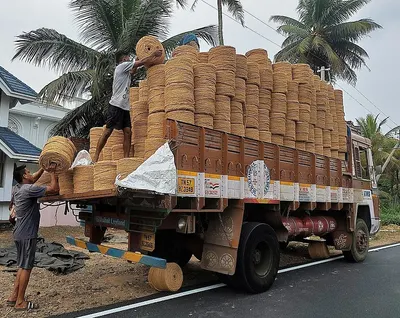
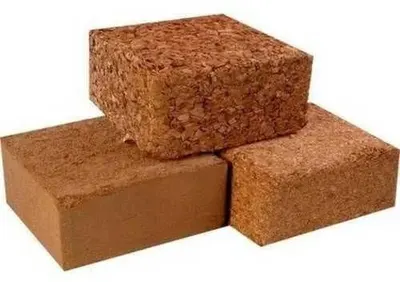
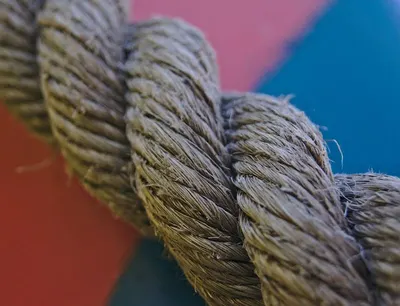
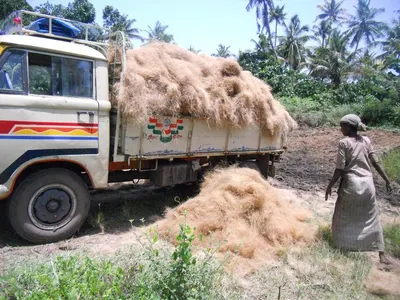
Sri Lanka‑based Philiplee Global Company (Ltd) LLC lists nine active products in its catalogue. The company focuses on coir and coconut by‑products, covering categories such as Coir Fibers, Other Coir Products, Coconut By‑Products, Coco Peat & Coir Pith, Agriculture Bags, and Ropes/Twines. Its product list includes Cocopeat, Coir Bristle Fiber, Coconut Product, Twisted Coir Fiber, Coconut Twisted Fiber, Coconut Fiber Bale, Coco Peat, Grow Bag, and Coir Rope. Each item falls under the broader coir and coconut processing sector, which is a major export segment for Sri Lanka. The catalogue reflects a diversified set of raw and semi‑finished materials used in horticulture, landscaping, and agricultural applications.
The listed items align with international HS classifications commonly used for these commodities. For example, coco peat and coir pith are classified under HS chapter 12 (1202), while coir fibers, ropes and twines belong to HS chapter 14 (1402). The products are typically supplied in bulk bags ranging from 20 kg to 50 kg, or as bales for fiber, and are prepared for export in standard 20‑ft or 40‑ft containers. Buyers often import these goods into Europe, North America, the Middle East and Southeast Asia for use in greenhouse media, erosion control, and horticultural packaging. The supplier’s catalog does not specify certifications, so buyers should verify compliance with relevant standards during procurement.
Product Range and Specialties of Philiplee Global Company (Ltd) LLC
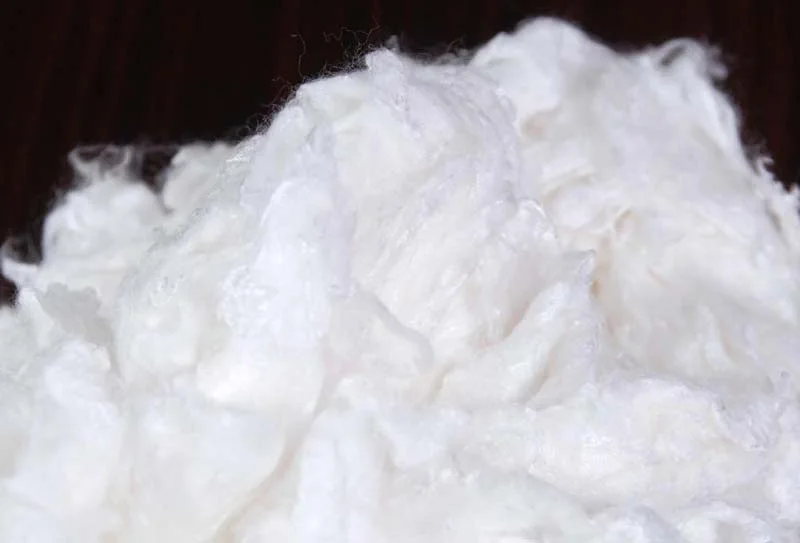
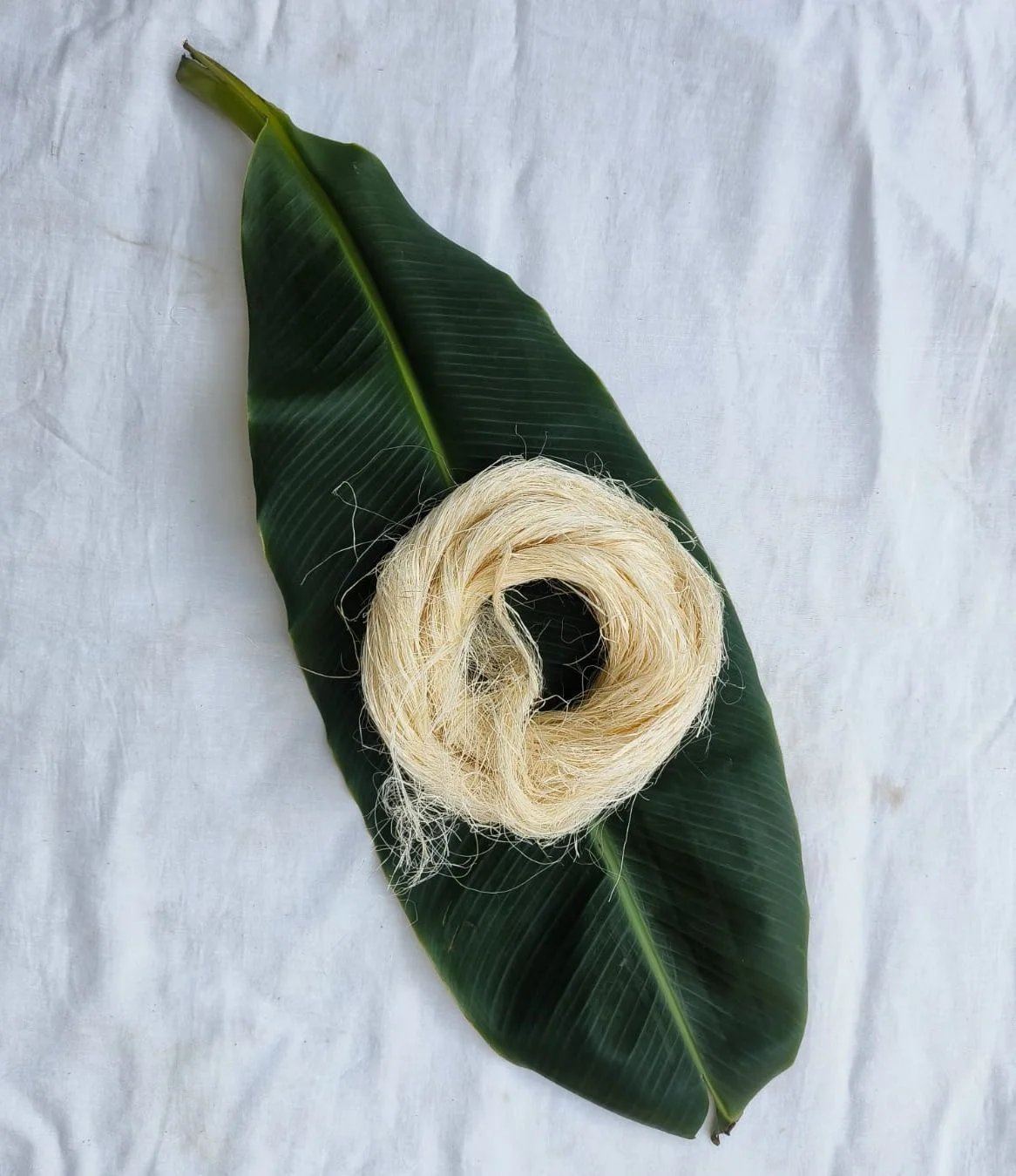
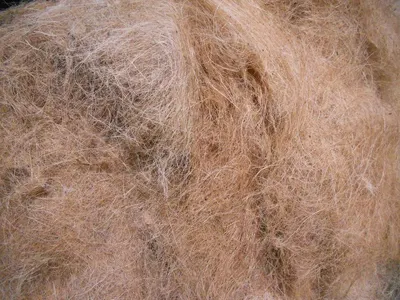
Philiplee Global’s catalogue contains nine specific items. The coir‑based line includes Cocopeat, Coir Bristle Fiber, Twisted Coir Fiber, Coconut Twisted Fiber, Coconut Fiber Bale and Coir Rope. The coconut by‑product segment lists Coconut Product, while the horticultural media segment offers Coco Peat and Grow Bag. These items are derived from the husk of the coconut, processed into fibers, pith, and packed forms suitable for agricultural use.
In the global market, coco peat is usually graded by particle size (fine, medium, coarse) and moisture content of 45 % - 55 % at 20 °C, with a pH of 5.5 - 6.5. Coir fibers are commonly offered in lengths of 5 mm to 30 mm and bulk density of 0.3 - 0.4 g cm⁻³; bristle fibers may have a tensile strength of 15 - 20 MPa. Baled coir fiber is often compressed to 200 - 250 kg per bale for shipping efficiency. Grow bags are supplied in capacities from 5 L to 150 L, typically made of woven coir fabric with a burst strength of 120 kPa. Ropes and twines are manufactured to meet ISO 9001 quality‑management practices in the sector, with breaking loads ranging from 200 N to 1 kN depending on diameter.
Frequently Asked Questions About Philiplee Global Company (Ltd) LLC
What product categories does Philiplee Global offer?
The supplier lists nine items across coco peat, coir fibers, twisted fibers, coconut fiber bales, grow bags and coir rope, all derived from coconut husk.
Which HS codes are relevant for these products?
Coco peat and coir pith fall under HS 1202, while coir fibers, ropes and twines are classified under HS 1402.
What typical specifications should I verify for coco peat?
Verify particle‑size grade (fine, medium, coarse), moisture content between 45 % and 55 %, pH 5.5‑6.5 and bulk density around 0.3 g cm⁻³.
What are common quality tests for coir rope?
Buyers usually request tensile‑strength testing (breaking load 200 N‑1 kN), elongation at break and visual inspection for uniformity, documented in an ISO‑based test report.
What packaging formats are used for export?
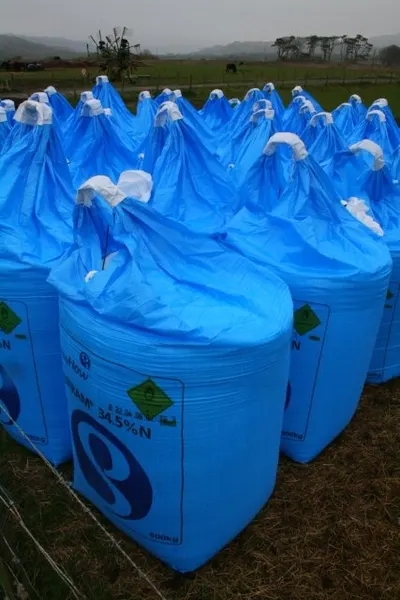
Bulk coco peat is packed in 20 kg or 50 kg polypropylene bags, fiber bales are compressed to 200‑250 kg per bale, and rope is shipped in bundled rolls on Euro‑pallets, all suitable for 20‑ft or 40‑ft containers.
Sri LankaRelated Suppliers & Products
Explore similar suppliers, related products and trending categories