Perfect Exports — Supplier
About Perfect Exports - Medical Face Masks Supplier in India
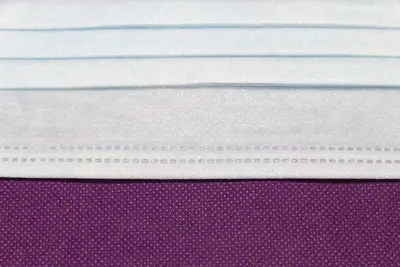
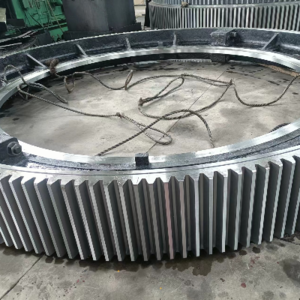
Perfect Exports is based in India and currently lists eight distinct products across several industrial and consumer categories. The supplier’s catalogue includes items such as pistons for machinery, PP non‑woven spunbond fabric, a shot blasting machine, singing bowls, Himalayan yak chew, a backpack, wool dryer balls, and a blast room. These products fall under the broader top‑category groups reported for the company, which include medical face masks, light and medium machinery, non‑woven fabric, medical gloves, musical instruments, animal food, backpacks and wool. The active product count of eight indicates a focused but diversified offering.
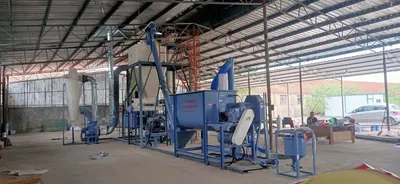
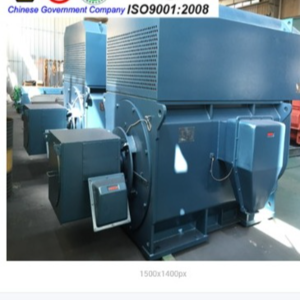
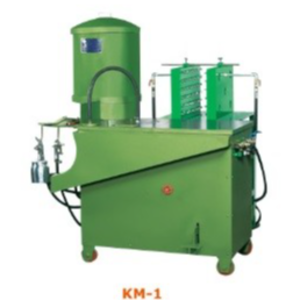
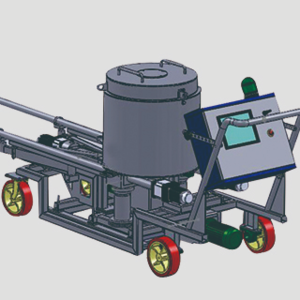
Within the machinery segment, Perfect Exports lists pistons and a shot blasting machine together with a blast room, all typical components of metal‑working and surface‑preparation lines. The non‑woven segment is represented by a polypropylene spunbond fabric, a material commonly supplied in rolls of 40‑50 kg and used for filtration or disposable hygiene products. The musical instrument line consists of hand‑crafted singing bowls, while the animal‑food line features Himalayan yak chew, a chewable product for livestock. The consumer accessories include a single‑size backpack and wool dryer balls intended for household laundry use.
Product Range and Specialties of Perfect Exports
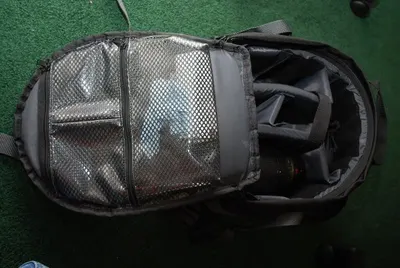
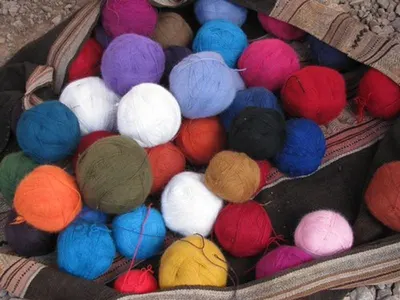
Machinery items such as pistons are usually produced from forged carbon steel or alloy steel with tensile strength in the range of 600 - 800 MPa and dimensional tolerances of ±0.02 mm for automotive or industrial engines. Shot blasting machines and associated blast rooms are typically rated for air flow between 30 - 80 m³/min, use abrasive media of 0.2 - 2 mm size, and comply with ISO 9001 quality management and CE marking for safety. PP non‑woven spunbond fabric is commonly supplied in widths of 1 - 2 m, gram‑weight of 30 - 50 g/m², and meets ASTM D3775 or ISO 9073 standards for filtration efficiency. Singing bowls are generally made of bronze alloy with a diameter of 15 - 30 cm, producing resonant frequencies measured in Hertz. Himalayan yak chew is an animal feed product that must comply with local feed safety regulations and typically contains 10 - 15 % crude protein. Backpacks are commonly constructed from nylon or polyester canvas with load capacity of 10 - 20 kg, and wool dryer balls are made from 100 % virgin wool, weighing 50 - 100 g each.
Trade and Export Information - Perfect Exports
India exports machinery components, non‑woven fabrics, and textile accessories to regions including the Middle East, Southeast Asia, Europe and North America. Buyers of pistons and shot blasting equipment often request CE conformity, ISO 9001 certification and test reports such as hardness (Rockwell) and impact resistance. Non‑woven spunbond fabric shipments are usually packed in 20‑ft containers, with moisture content below 5 % and accompanied by material safety data sheets (MSDS) and test certificates for filtration efficiency (e.g., BFE > 95 %). Musical instruments like singing bowls are frequently shipped in wooden crates with protective padding to prevent damage, and importers may require a certificate of origin and compliance with the U.S. Consumer Product Safety Commission (CPSC) for metal items. Animal feed products such as yak chew are subject to phytosanitary certification and may need to meet the importing country’s maximum residue limits (MRL). Backpacks and wool dryer balls are classified under textile and household goods HS chapters 62 and 63, and typical import documentation includes a commercial invoice, packing list and, where required, a test report for flammability.
Sourcing from Perfect Exports - Buyer Guidance
Potential buyers should request the supplier’s ISO 9001 or equivalent quality management certificates for the pistons, shot blasting machine and blast room, together with product test reports confirming tensile strength, hardness and dimensional accuracy. For the PP non‑woven fabric, ask for ISO 9073 or ASTM D3775 compliance certificates, gram‑weight specification sheet, and a sample roll to verify fabric hand and filtration performance. When sourcing singing bowls, obtain a material composition certificate and a vibration frequency report to ensure acoustic quality. Animal feed buyers must see a phytosanitary certificate, nutritional analysis, and any relevant feed‑grade approvals. For the backpack and wool dryer balls, request fabric composition labels, load‑capacity test results, and packaging dimensions to plan container loading. In all cases, confirm the Incoterm (e.g., FOB or CIF) and verify that the supplier can provide a commercial invoice and packing list matching the declared HS chapter.
Frequently Asked Questions About Perfect Exports
What product categories does Perfect Exports list?
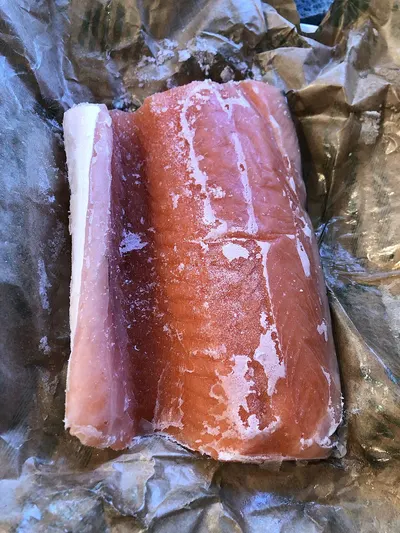
Perfect Exports lists pistons, polypropylene spunbond non‑woven fabric, a shot blasting machine, a blast room, singing bowls, Himalayan yak chew, a backpack and wool dryer balls.
How can I verify the quality of the pistons?
Request the supplier’s ISO 9001 certificate, a hardness test report (Rockwell or Vickers), and dimensional tolerance data; samples can be inspected for material grade and surface finish.
What specifications are typical for PP non‑woven spunbond fabric?
Buyers usually look for gram‑weight of 30 - 50 g/m², width of 1 - 2 m, moisture content below 5 %, and compliance with ASTM D3775 or ISO 9073 for filtration efficiency.
Which certifications are commonly required for the shot blasting machine?
The machine should carry CE marking for safety, an ISO 9001 quality system certificate, and a test report showing air flow rate (30 - 80 m³/min) and abrasive media compatibility.
What documentation is needed for importing Himalayan yak chew?
Importers typically require a phytosanitary certificate, a nutritional analysis sheet, and a certificate of origin to satisfy feed safety regulations.
How are singing bowls packaged for export?
They are usually placed in wooden crates with foam padding, accompanied by a material composition certificate and, where required, a CPSC compliance statement.
What are the usual container sizes for the non‑woven fabric and other bulk goods?
PP non‑woven fabric and pistons are commonly loaded in 20‑ft or 40‑ft containers; a 40‑ft container can hold approximately 20 - 25 rolls of fabric or 1 - 2 tonnes of metal parts, depending on packaging.




 , India