Organic Sourcing SARL — Verified Supplier
About Organic Sourcing SARL - Essential Oils Supplier in Morocco
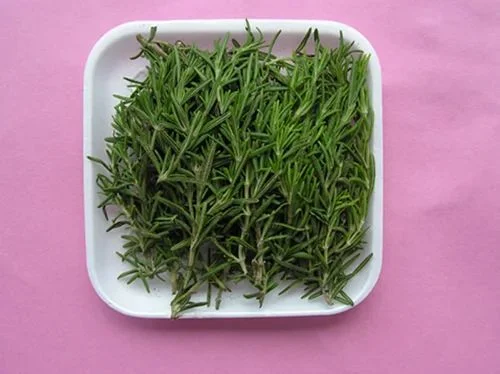
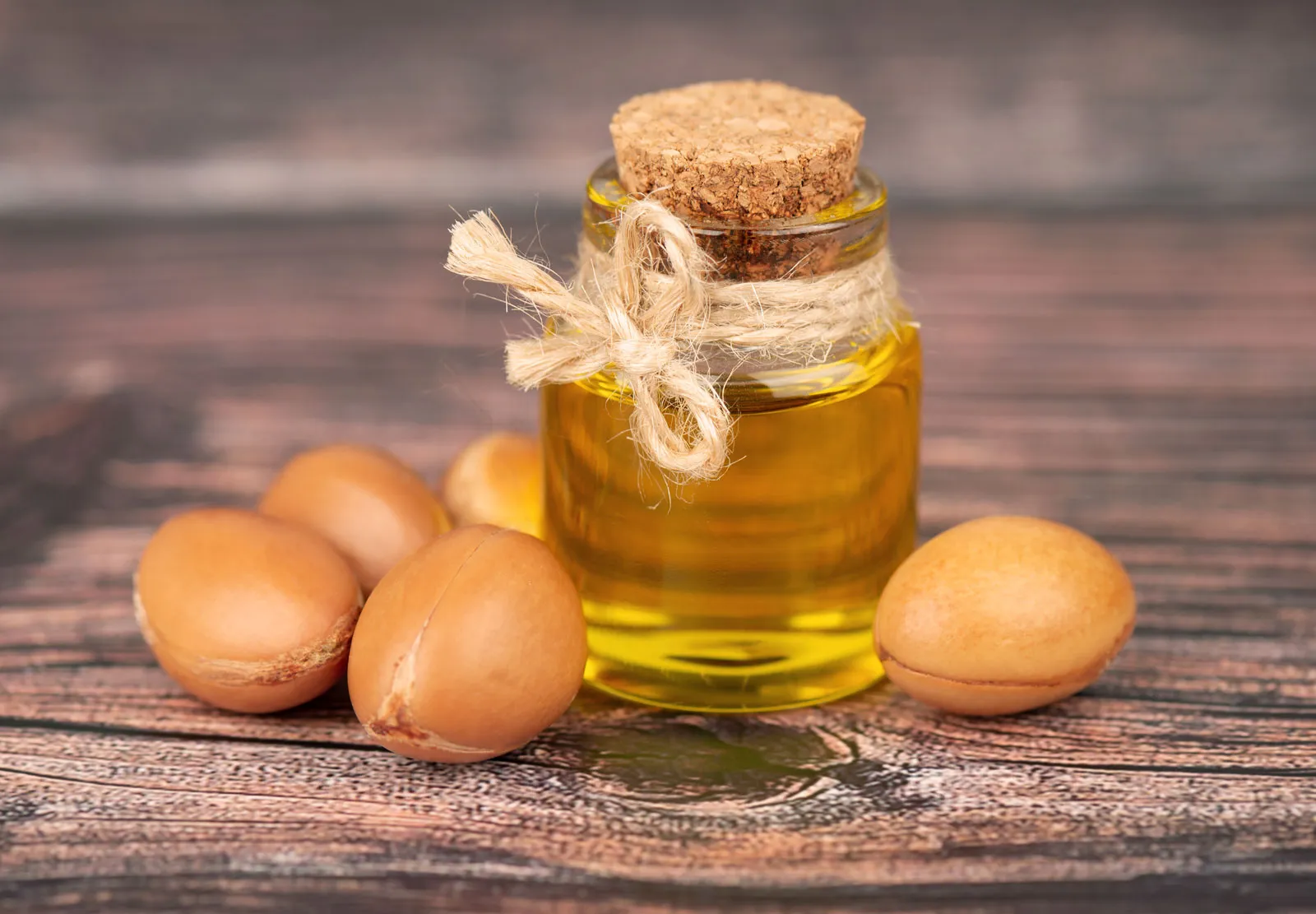
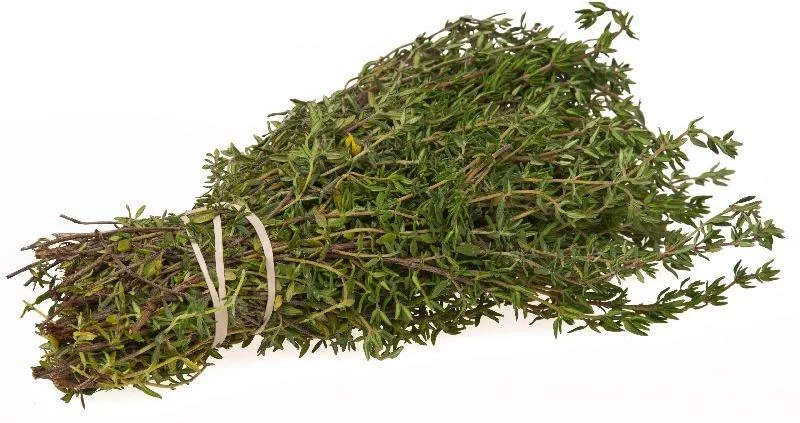
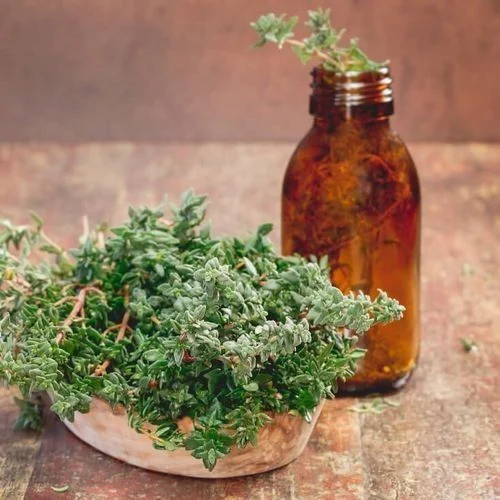
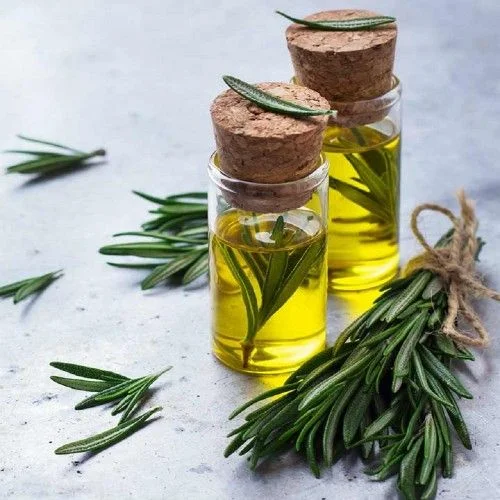
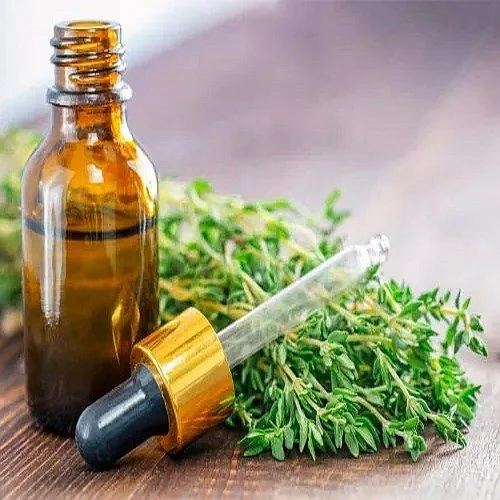
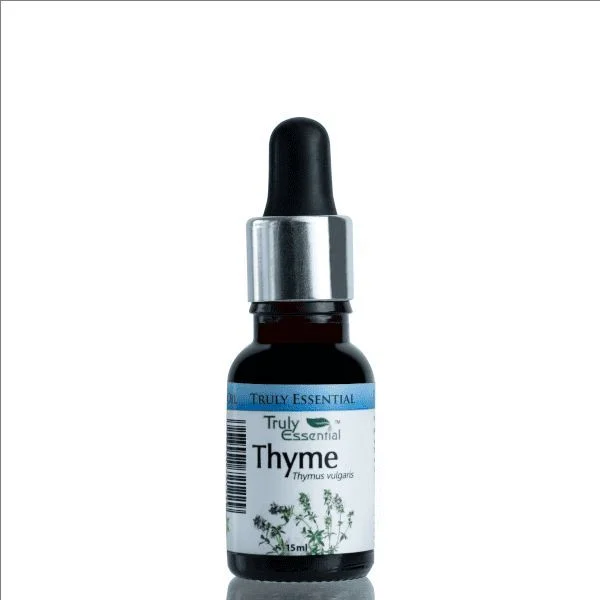
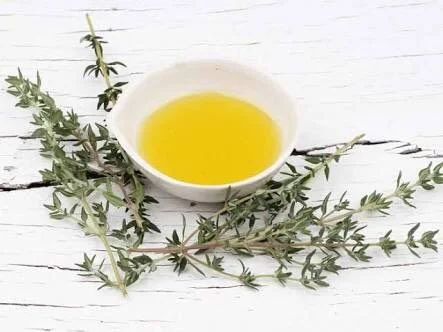
Morocco hosts Organic Sourcing SARL, a supplier that currently lists 16 active products across three top categories: Essential Oils, Herbs, and Olive Oil. The catalogue includes dried rosemary leaf, carob fruit, and a range of essential oils such as petit grain, rose otto, thyme, verbena, ylang‑ylang, sweet fennel, cajeput, basil, blue tansy (chamomile) and atlas cedar, as well as refined olive oil and roasted argan oil for edible use. These items fall under HS Chapter 33 (essential oils, code 3301), HS Chapter 12 for dried herbs (code 1211) and HS Chapter 15 for olive oil (code 1509). The supplier’s portfolio therefore covers both aromatic liquids and bulk plant material suitable for food, cosmetics and fragrance applications.
The product list shows a focus on high‑value botanical extracts, with each essential oil presented as a separate SKU. Olive‑oil related items include a refined edible grade and a roasted argan oil, indicating processing steps beyond simple cold‑pressing. Herbs are represented by a single dried leaf product, while the fruit‑derived carob is listed without further processing details. All 16 items are described without reference to specific certifications, leaving the verification of quality standards to the buyer’s due‑diligence process.
Product Range and Specialties of Organic Sourcing SARL
Organic Sourcing SARL’s catalogue groups its items into three logical families. Essential oils are typically evaluated against ISO 9235, which defines purity thresholds (often ≥ 95 % vol) and requires gas‑chromatography/mass‑spectrometry (GC/MS) profiles; common grades include ‘therapeutic‑grade’ and ‘aroma‑grade’. Dried herbs such as rosemary leaf are usually sold with moisture content below 12 % and conform to USP or European Pharmacopoeia specifications when used in nutraceuticals. Refined olive oil is generally classified by free‑fatty‑acid (FFA) value and peroxide number, with edible‑grade products meeting EU regulation limits (FFA ≤ 0.8 %).
Trade and Export Information - Organic Sourcing SARL
Moroccan exporters of essential oils, herbs and olive products primarily serve the European Union, United States and GCC markets, where demand for natural aromatics and Mediterranean oils remains strong. HS 3301 items are subject to customs inspections that often request a Certificate of Origin, a laboratory COA and, where applicable, an organic certification (EU‑organic or USDA‑organic). Olive oil under HS 1509 may require a phytosanitary certificate and compliance with EU food‑safety regulations (Regulation 1169/2011). Shipping is commonly arranged in 20‑ft or 40‑ft containers, with essential oils packed in glass bottles or HDPE drums, herbs in paper bags or bulk bags, and olive oil in food‑grade drums or bulk tankers. Incoterms such as FOB or CIF are routinely used, and buyers should verify that packaging meets UN 3470 (for liquids) or UN 3225 (for dried plant material) standards.
Sourcing from Organic Sourcing SARL - Buyer Guidance
When sourcing from Organic Sourcing SARL, buyers should request a recent Certificate of Analysis that includes GC/MS data for essential oils, pesticide residue limits and moisture content for herbs, and standard oil quality parameters (FFA, peroxide value, UV‑absorption) for olive oil. Verification of any organic claim should be backed by an EU‑organic or USDA‑organic certificate, and a general ISO 9001 or GMP audit report can provide additional confidence in the supplier’s quality system. Samples are typically supplied in 5 ml (essential oils) or 500 g (herbs) quantities; buyers should confirm sample availability before committing to bulk orders.
Frequently Asked Questions About Organic Sourcing SARL
What product categories does Organic Sourcing SARL offer?
The supplier lists items in three categories: Essential Oils, Dried Herbs and Edible Oils, covering 16 individual SKUs such as rosemary leaf, various essential oils, and refined olive oil.
How are the essential oils classified for export?
Moroccan essential oils are classified under HS Chapter 33, code 3301. Export shipments usually need to meet ISO 9235 purity specifications and are accompanied by a laboratory COA and GC/MS report.
Which certifications should a buyer request for these Moroccan products?
Buyers should ask for a Certificate of Origin, a recent laboratory COA, and, if the product is marketed as organic, an EU‑organic or USDA‑organic certificate. Additional GMP or ISO 9001 documentation is common for bulk exporters.
What are the common packaging formats for the oils listed?
Small‑volume essential oils are typically packed in 100 ml or 250 ml amber glass bottles; larger batches use 5 L HDPE drums or 25 kg IBCs. Refined olive oil is often shipped in 20 kg food‑grade drums or bulk containers.
What are typical minimum order quantities (MOQ) and lead times?
MOQs range from 50 L for premium essential oils to 500 kg for bulk herbs. Lead times are generally 30‑45 days after a confirmed purchase order and receipt of required documentation.
Which markets import Moroccan essential oils and olives most frequently?
The European Union, United States and Gulf Cooperation Council (GCC) countries are the largest importers of Moroccan essential oils and olive‑oil products.
What documentation is needed to clear customs for these products?
Standard customs paperwork includes a commercial invoice, packing list, Bill of Lading, Certificate of Origin and product‑specific COAs. For edible oils, a phytosanitary certificate may also be required.




 , Morocco