Agriculture›
 Apparel and fashion accessories›
 Construction & real estate›💡Electronic & Electrical›🍎Food & Beverages›🛋️Home furnishing & supplies›⚗️Industrial goods & chemical›🪨Minerals & metals›📦Miscellaneous›Agriculture›Apparel and fashion accessories›Construction & real estate›💡Electronic & Electrical›🍎Food & Beverages›🛋️Home furnishing & supplies›⚗️Industrial goods & chemical›🪨Minerals & metals›📦Miscellaneous›
Organic Dehydrated Foods Pvt. Ltd.
⚓ Harbor , IndiaNew supplier / no reviews yet
Organic Dehydrated Foods Pvt. Ltd. Product Catalog

About Organic Dehydrated Foods Pvt. Ltd. - Agriculture Supplier in India
India hosts Organic Dehydrated Foods Pvt. Ltd., which lists 17 active dehydrated products in its catalogue. The company focuses on agricultural and herbal product categories. Its inventory includes a variety of fruit slices and plant powders. All items are described as dehydrated, indicating low moisture content suitable for long‑term storage. The catalogue is organized without specifying HS codes.
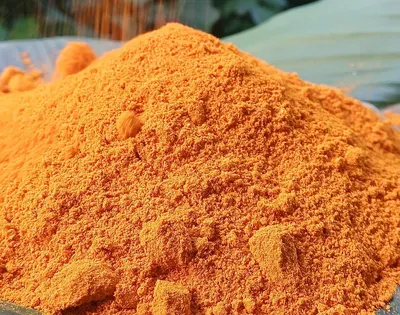
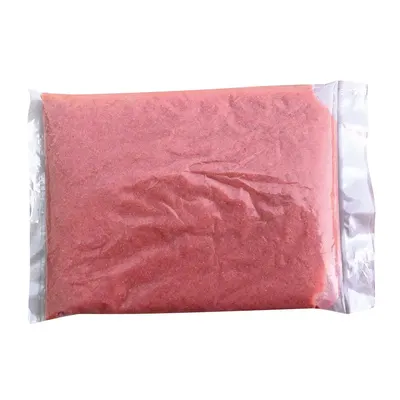
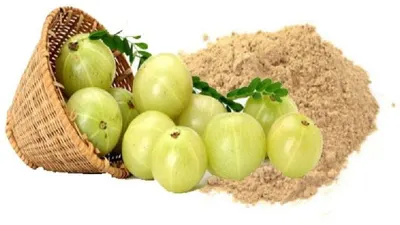
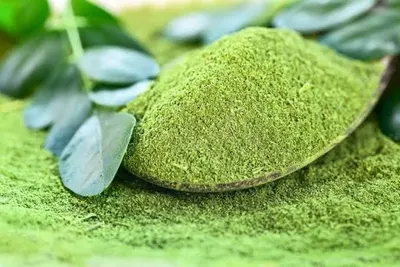
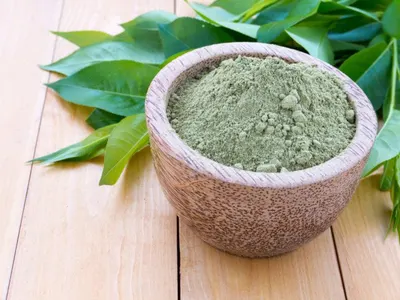
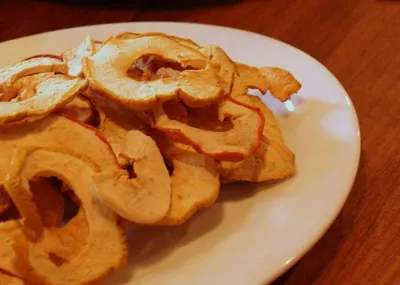
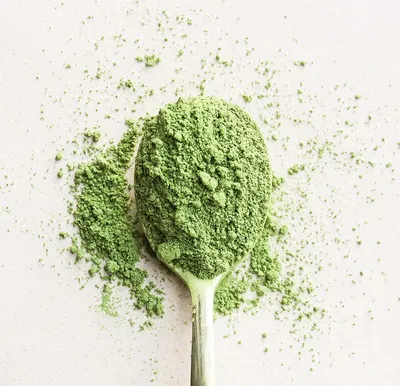
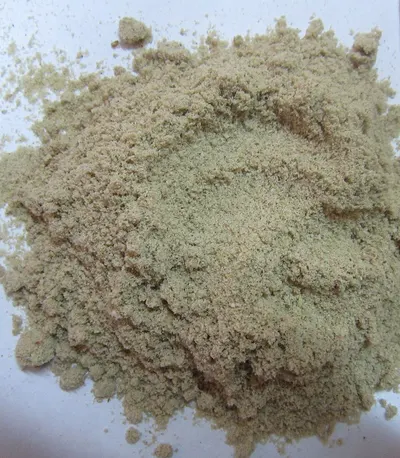
The fruit segment comprises apple, jamun, pineapple, kiwi and strawberry slices, each presented as ready‑to‑use dried pieces. The herbal segment contains powders derived from alfalfa, bottle gourd, wheat grass, green amla, green ginger, mint leaves, moringa leaves, pumpkin, radish, beet root, spinach leaves and sweet potato. These powders are typically produced by hot‑air or freeze‑dry methods to retain bioactive compounds. Product specifications commonly include moisture levels below 10 % and particle sizes ranging from fine to coarse depending on the source material. Packaging formats in the market range from sealed polyethylene bags to bulk containers.
Product Range and Specialties of Organic Dehydrated Foods Pvt. Ltd.
The catalogue lists five dehydrated fruit slices - apple, jamun, pineapple, kiwi and strawberry - and twelve herbal powders including alfalfa, bottle gourd, wheat grass, green amla, green ginger, mint, moringa, pumpkin, radish, beet root, spinach and sweet potato. In the broader industry, dehydrated fruit slices are graded by moisture content (typically ≤8 %), color uniformity, and soluble solids (Brix) ranging from 12 - 18 for sweet varieties. Herbal powders are evaluated on moisture (≤10 %), particle size distribution (often 200 - 500 µm), and active compound retention. Common standards such as ISO 22000, HACCP and FSSAI guidelines apply to both categories, and organic producers often obtain USDA Organic or EU Organic certification. Market packaging includes 5 kg resealable bags, 25 kg bulk drums, and palletized 20‑ft containers that can hold up to 500 kg of dried fruit slices or 800 kg of herb powders.
Frequently Asked Questions About Organic Dehydrated Foods Pvt. Ltd.
What dehydrated fruit slices are available from Organic Dehydrated Foods?
The supplier lists apple, jamun, pineapple, kiwi and strawberry slices, each provided as low‑moisture dried pieces suitable for snack or ingredient use.
Which herbal powders does the catalogue include?
The catalogue includes powders made from alfalfa, bottle gourd, wheat grass, green amla, green ginger, mint leaves, moringa leaves, pumpkin, radish, beet root, spinach leaves and sweet potato.
What typical moisture levels should buyers expect for these products?
Dehydrated fruit slices generally have moisture ≤8 %, while herbal powders are commonly below 10 % moisture to ensure shelf stability.
Which certifications are commonly required for Indian dehydrated foods?
Buyers usually request ISO 22000 or HACCP compliance, FSSAI registration, and, for organic claims, USDA Organic, EU Organic or India’s NPOP certification.
What packaging formats are standard for these dried products?
Industry practice includes sealed polyethylene bags of 5 kg, bulk drums of 25 kg, and palletized loads in 20‑ft containers for larger shipments.
IndiaRelated Suppliers & Products
Explore similar suppliers, related products and trending categories