Omt Smart Card Technology (Hk) Co., Ltd. — Supplier

About Omt Smart Card Technology (Hk) Co., Ltd. - RFID and Smart Card Supplier in China

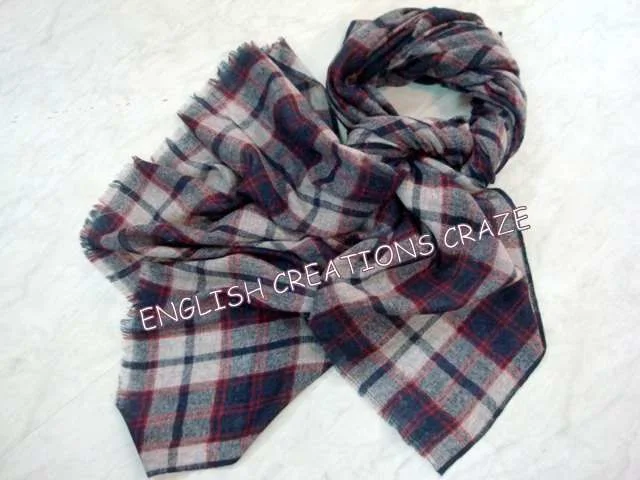
Omt Smart Card Technology (Hk) Co., Ltd. is a China-based supplier listing 20 active products on its catalogue, concentrated in RFID/smart card hardware, contactless inlays and tags, identification wristbands, and a smaller set of labels, fashion accessories, electric components and knitted/woven garments. The smart card and RFID portion covers CR80-format and non-standard form factors (28 mm round, 40x25 mm), clamshell cards on the Tk4100 chip platform, dual-frequency UHF + S50 hybrid cards, HF prelam 5x5 mm inlays, 30 mm Mifare wet inlays, ABS tokens under HS 8538.90, Mifare e-seal tags, 24C16 contact cards, NXP Mifare 1K cards and Mini Mifare S20 cards. The identification accessories include silicone wristbands, HF soft PVC wristbands, HF PP wristbands at 260 mm, HF PVC wristbands and HF paper stickers in 40x25 mm, plus UHF ABS metal tags, UHF garment tags and mobile tags for asset tracking.

The supplier's catalogue reflects the typical mix seen at Guangdong and Shenzhen RFID converters: chip modules from NXP (Mifare Classic 1K, Mifare Mini S20), EM Microelectronic (Tk4100, EM4200-family read-only 125 kHz) and compatible HF/UHF ICs, paired with PVC, ABS, silicone, PP and paper substrates. Form factors span ISO/IEC 7810 ID-1 cards (85.6 x 53.98 mm), CR80, clamshell (roughly 86 x 54 x 1.8 mm), tokens, wristbands and adhesive labels/inlays, which is the standard physical range for access control, public transport, events, laundry, logistics and apparel tracking applications.

Product Range and Specialties of Omt Smart Card Technology (Hk) Co., Ltd.

The 20-product catalogue is built around five practical sub-families. Contact smart cards include the 24C16 EEPROM-based card and the contact card with hologram label, both built on ISO/IEC 7816 contact interfaces. 125 kHz read-only cards and tokens include the Tk4100 clamshell card and the ABS token (HS 8538.90, ABS plastic), used for low-cost access control and time-and-attendance. 13.56 MHz HF products include Mifare Classic 1K cards, Mini S20 cards, UHF+S50 dual-frequency cards, HF prelam 5x5 mm, 30 mm Mifare wet inlays, HF soft PVC wristbands, HF PP wristbands 260 mm, HF PVC wristbands and HF paper stickers 40x25 mm, all typically built to ISO/IEC 14443 Type A or 15693 protocols. UHF (860-960 MHz) products include UHF ABS metal tags and UHF garment tags, generally aligned with EPC Class 1 Gen 2 / ISO/IEC 18000-63. Non-standard form factors (28 mm round, 40x25 mm) and the Mifare e-seal and mobile tag round out the line for tamper-evident and asset-tracking use cases.

Industry buyers in this category typically evaluate memory size (1K, 4K, 7-byte UID), operating frequency (125 kHz, 13.56 MHz, 860-960 MHz), read range (2-10 cm for HF, 1-8 m for UHF), substrate (PVC, PET, ABS, silicone, paper), and the print method (offset, silk-screen, thermal transfer or laser engraving). Common variants requested alongside catalogue items include custom artwork, sequential numbering, QR or barcode overprint, UID numbering, and encoding services. Certifications that are standard for this category, and which buyers typically ask to confirm, include ISO/IEC 14443, ISO/IEC 15693, ISO/IEC 18000-63, ISO/IEC 7810/7816, and RoHS/REACH compliance for the substrate materials; payment and transit cards additionally fall under EMVCo and PCI PTS where applicable.

Trade and Export Information - Omt Smart Card Technology (Hk) Co., Ltd.

Smart cards, RFID inlays, tags and wristbands exported from China are typically shipped under HS heading 8523 (cards incorporating a magnetic stripe or electronic chip), with related components under 8538.90 (the ABS token's specific code), 8529 (aerial/antenna parts) and 3919/4821 for self-adhesive paper and PVC labels. Mainland China, and the Guangdong-Shenzhen cluster in particular, is one of the world's principal manufacturing bases for RFID inlays and finished cards, exporting to Southeast Asia, the Middle East, Africa, Eastern Europe and Latin America for transit, ID, loyalty and supply-chain programs. Typical Incoterms used by Chinese RFID exporters are EXW, FOB Shenzhen/Hong Kong, and CIF for sea freight; air freight is common for sample and small-quantity orders.

Buyers in this category are usually system integrators, access-control and time-and-attendance OEMs, public-transport ticketing operators, event-management firms, laundry and hospitality chains, apparel and logistics brands running RFID source-tagging, and government or NGO programs issuing ID or e-seal documents. Documents commonly required at shipment include a commercial invoice, packing list, bill of lading or airway bill, certificate of origin (Form E for ASEAN, Form F for China, or GSP Form A where applicable), and a RoHS or REACH test report for the substrate. Pre-shipment inspection (PSI) by SGS, Bureau Veritas or TUV is frequently requested on first orders, and chip-level traceability (lot code, wafer origin) is a standard buyer requirement for Mifare and UHF Gen 2 programs.

Sourcing from Omt Smart Card Technology (Hk) Co., Ltd. - Buyer Guidance

For a first order with this supplier, request IC samples and a pre-production sample of each form factor (card, wristband, inlay, tag) so the chip UID, memory map and antenna tuning can be validated against your reader hardware. Ask for the IC datasheet, the ISO/IEC conformance statement where applicable, a RoHS/REACH test report, and a salt-spray or drop-test report for ABS tokens and wristbands if the end use involves outdoor or industrial environments. For UHF tags, confirm the EPC Class 1 Gen 2 / ISO/IEC 18000-63 protocol, the operating band (ETSI 865-868 MHz for EU, FCC 902-928 MHz for the Americas, or 920-925 MHz for parts of Asia), and the read range on your specific substrate (cardboard, plastic, metal, fabric).

Confirm MOQ per SKU, lead time for samples (typically 5-10 working days) and for bulk production (usually 10-20 working days after sample approval), and the artwork file format (AI or CDR with Pantone codes and 0.3 mm bleed). Verify packaging norms - 200 cards per inner box and 2,000-5,000 per carton is typical for CR80 cards, while inlays are shipped on reel with a leader/ trailer and ESD protection. Ask for a written warranty on chip authenticity (genuine NXP, EM or Impinj silicon), a replacement policy for defective units, and a clear policy on UID uniqueness for HF cards. Finally, agree on a third-party pre-shipment inspection covering quantity, artwork, chip function and read-range tests before the balance payment is released.

Frequently Asked Questions About Omt Smart Card Technology (Hk) Co., Ltd.

What frequency bands and chip platforms does the catalogue cover?

The catalogue covers 125 kHz (Tk4100 clamshell), 13.56 MHz HF (NXP Mifare Classic 1K, Mifare Mini S20, ISO/IEC 14443A and 15693 inlays and wristbands) and 860-960 MHz UHF (UHF ABS metal tag, UHF garment tag). Buyers should confirm the specific regional band (ETSI, FCC or 920-925 MHz) for UHF orders.

Which ISO/IEC standards should I ask the supplier to confirm?

Request confirmation of ISO/IEC 7810/7816 for contact cards, ISO/IEC 14443 Type A for Mifare products, ISO/IEC 15693 for HF prelam and long-range HF items, and ISO/IEC 18000-63 / EPC Class 1 Gen 2 for UHF tags. A RoHS or REACH test report should also be requested for PVC, ABS, silicone and paper substrates.

Can the cards and wristbands be supplied with custom artwork and encoding?

Yes, the listed cards, ABS tokens and wristbands are typically produced with custom offset or silk-screen artwork, sequential numbering, UID printing and chip encoding. Send vector artwork (AI or CDR) with Pantone references, 0.3 mm bleed and a written specification for memory zones, keys and access bits.

What is the typical MOQ and lead time for an RFID order from this supplier?

MOQ in this category commonly starts at 500-1,000 pieces for standard CR80 cards, 1,000-2,000 pieces for wristbands, and 5,000-10,000 pieces for inlays or paper stickers. Sample lead time is usually 5-10 working days and bulk production 10-20 working days after artwork and sample approval.

How are the cards, inlays and wristbands packaged for export?

CR80 cards are typically packed 200 per inner box and 2,000-5,000 per export carton; inlays are shipped on 5,000-10,000 unit reels with leader and trailer; wristbands are bagged in 100-piece OPP bags and then carton-packed. All shipments should include ESD protection for electronic components.

Which documents should I expect with the shipment?

Standard export documents include commercial invoice, packing list, bill of lading or airway bill, certificate of origin (Form E, Form F or GSP Form A depending on destination) and a RoHS/REACH test report. A pre-shipment inspection report from SGS, Bureau Veritas or TUV is often added on first orders.

How can I verify that the chips inside are genuine?

Request the IC lot code, wafer origin and a written warranty of authenticity from the supplier, and have samples read on a certified reader to confirm the UID format and memory map. For Mifare Classic 1K and S20, a crypto and NUID check on a standard NXP reader is the usual verification step.

Which industries typically buy these smart card and RFID products from China?

Typical buyers include access-control and time-and-attendance system integrators, public-transport and event ticketing operators, laundry and hospitality chains, apparel and logistics brands running RFID source-tagging, and ID or e-seal programs for government, utilities and industrial asset tracking. Southeast Asia, the Middle East, Africa, Eastern Europe and Latin America are common destination regions.


Featured Products from this Supplier

Other Suppliers in Primary Category

Top Trusted Suppliers

Related Products

Trending in Parent Category

More Suppliers in Category

Related Products

Other Suppliers

EximNext
7.1K+ live requirements
Register Free🎁 Reach global buyers
Post Requirement
🌍 Trusted by 225K+ businesses in 200+ countries|
7.1K+ active requirements right now
✉️ [email protected]
|
Sell on EximNextPost Requirement
EximNext
AgricultureApparelConstructionElectronicFoodHomeIndustrialMineralsMiscellaneous
🔥 Deals|✨ AI Match|🏭 Suppliers|📋 Buy Leads|💰 Trade Finance
7.1K+ live RFQs·194.8K+ suppliers
🎁 Reach global buyers →
EximNext
EximNext
Register Free
🎁 Reach global buyers
Sign In
📋Post Requirement💬Get Quotes✨AI Match📋RFQ Marketplace
All Categories
Services & Tools
🏭Supplier Directory🔥Today's Deals💰Trade Finance
Sell on EximNext →
AboutContactBlogHelp
Electronics  ·  China
20
products listed

Omt Smart Card Technology (Hk) Co., Ltd.

⚓ Harbor
Country flag , ChinaNew supplier / no reviews yet
🛡️
77/100
Trust Score

Omt Smart Card Technology (Hk) Co., Ltd. Product Catalog

Showing 12 of 20 products
View all products →
Mini Mifare S20 Cards
⚓ Harbor
Mini Mifare S20 Cards
Contact
MOQ: 1 Unit
Smart Card Custom Nxp Mifare 1k Card
⚓ Harbor
Smart Card Custom Nxp Mifare 1k Card
Contact
MOQ: 1 Unit
Uhf Garment Tag
⚓ Harbor
Uhf Garment Tag
Contact
MOQ: 1 Unit
Uhf Abs Metal Tag
⚓ Harbor
Uhf Abs Metal Tag
Contact
MOQ: 1 Unit
Mobile Tag
⚓ Harbor
Mobile Tag
Contact
MOQ: 1 Unit
Hf Paper Sticker 40x25mm
⚓ Harbor
Hf Paper Sticker 40x25mm
Contact
MOQ: 1 Unit
Silicone Wristband
⚓ Harbor
Silicone Wristband
Contact
MOQ: 1 Unit
Hf Pvc Wristband
⚓ Harbor
Hf Pvc Wristband
Contact
MOQ: 1 Unit
Hf Pp Wristband 260mm
⚓ Harbor
Hf Pp Wristband 260mm
Contact
MOQ: 1 Unit
Hf Soft Pvc Wristband
⚓ Harbor
Hf Soft Pvc Wristband
Contact
MOQ: 1 Unit
24c16 Contact Card
⚓ Harbor
24c16 Contact Card
Contact
MOQ: 1 Unit
Contact Card+hologram Label
⚓ Harbor
Contact Card+hologram Label
Contact
MOQ: 1 Unit

About Omt Smart Card Technology (Hk) Co., Ltd. - RFID and Smart Card Supplier in China

Omt Smart Card Technology (Hk) Co., Ltd. is a China-based supplier listing 20 active products on its catalogue, concentrated in RFID/smart card hardware, contactless inlays and tags, identification wristbands, and a smaller set of labels, fashion accessories, electric components and knitted/woven garments. The smart card and RFID portion covers CR80-format and non-standard form factors (28 mm round, 40x25 mm), clamshell cards on the Tk4100 chip platform, dual-frequency UHF + S50 hybrid cards, HF prelam 5x5 mm inlays, 30 mm Mifare wet inlays, ABS tokens under HS 8538.90, Mifare e-seal tags, 24C16 contact cards, NXP Mifare 1K cards and Mini Mifare S20 cards. The identification accessories include silicone wristbands, HF soft PVC wristbands, HF PP wristbands at 260 mm, HF PVC wristbands and HF paper stickers in 40x25 mm, plus UHF ABS metal tags, UHF garment tags and mobile tags for asset tracking.

The supplier's catalogue reflects the typical mix seen at Guangdong and Shenzhen RFID converters: chip modules from NXP (Mifare Classic 1K, Mifare Mini S20), EM Microelectronic (Tk4100, EM4200-family read-only 125 kHz) and compatible HF/UHF ICs, paired with PVC, ABS, silicone, PP and paper substrates. Form factors span ISO/IEC 7810 ID-1 cards (85.6 x 53.98 mm), CR80, clamshell (roughly 86 x 54 x 1.8 mm), tokens, wristbands and adhesive labels/inlays, which is the standard physical range for access control, public transport, events, laundry, logistics and apparel tracking applications.

Product Range and Specialties of Omt Smart Card Technology (Hk) Co., Ltd.

The 20-product catalogue is built around five practical sub-families. Contact smart cards include the 24C16 EEPROM-based card and the contact card with hologram label, both built on ISO/IEC 7816 contact interfaces. 125 kHz read-only cards and tokens include the Tk4100 clamshell card and the ABS token (HS 8538.90, ABS plastic), used for low-cost access control and time-and-attendance. 13.56 MHz HF products include Mifare Classic 1K cards, Mini S20 cards, UHF+S50 dual-frequency cards, HF prelam 5x5 mm, 30 mm Mifare wet inlays, HF soft PVC wristbands, HF PP wristbands 260 mm, HF PVC wristbands and HF paper stickers 40x25 mm, all typically built to ISO/IEC 14443 Type A or 15693 protocols. UHF (860-960 MHz) products include UHF ABS metal tags and UHF garment tags, generally aligned with EPC Class 1 Gen 2 / ISO/IEC 18000-63. Non-standard form factors (28 mm round, 40x25 mm) and the Mifare e-seal and mobile tag round out the line for tamper-evident and asset-tracking use cases.

Industry buyers in this category typically evaluate memory size (1K, 4K, 7-byte UID), operating frequency (125 kHz, 13.56 MHz, 860-960 MHz), read range (2-10 cm for HF, 1-8 m for UHF), substrate (PVC, PET, ABS, silicone, paper), and the print method (offset, silk-screen, thermal transfer or laser engraving). Common variants requested alongside catalogue items include custom artwork, sequential numbering, QR or barcode overprint, UID numbering, and encoding services. Certifications that are standard for this category, and which buyers typically ask to confirm, include ISO/IEC 14443, ISO/IEC 15693, ISO/IEC 18000-63, ISO/IEC 7810/7816, and RoHS/REACH compliance for the substrate materials; payment and transit cards additionally fall under EMVCo and PCI PTS where applicable.

Trade and Export Information - Omt Smart Card Technology (Hk) Co., Ltd.

Smart cards, RFID inlays, tags and wristbands exported from China are typically shipped under HS heading 8523 (cards incorporating a magnetic stripe or electronic chip), with related components under 8538.90 (the ABS token's specific code), 8529 (aerial/antenna parts) and 3919/4821 for self-adhesive paper and PVC labels. Mainland China, and the Guangdong-Shenzhen cluster in particular, is one of the world's principal manufacturing bases for RFID inlays and finished cards, exporting to Southeast Asia, the Middle East, Africa, Eastern Europe and Latin America for transit, ID, loyalty and supply-chain programs. Typical Incoterms used by Chinese RFID exporters are EXW, FOB Shenzhen/Hong Kong, and CIF for sea freight; air freight is common for sample and small-quantity orders.

Buyers in this category are usually system integrators, access-control and time-and-attendance OEMs, public-transport ticketing operators, event-management firms, laundry and hospitality chains, apparel and logistics brands running RFID source-tagging, and government or NGO programs issuing ID or e-seal documents. Documents commonly required at shipment include a commercial invoice, packing list, bill of lading or airway bill, certificate of origin (Form E for ASEAN, Form F for China, or GSP Form A where applicable), and a RoHS or REACH test report for the substrate. Pre-shipment inspection (PSI) by SGS, Bureau Veritas or TUV is frequently requested on first orders, and chip-level traceability (lot code, wafer origin) is a standard buyer requirement for Mifare and UHF Gen 2 programs.

Sourcing from Omt Smart Card Technology (Hk) Co., Ltd. - Buyer Guidance

For a first order with this supplier, request IC samples and a pre-production sample of each form factor (card, wristband, inlay, tag) so the chip UID, memory map and antenna tuning can be validated against your reader hardware. Ask for the IC datasheet, the ISO/IEC conformance statement where applicable, a RoHS/REACH test report, and a salt-spray or drop-test report for ABS tokens and wristbands if the end use involves outdoor or industrial environments. For UHF tags, confirm the EPC Class 1 Gen 2 / ISO/IEC 18000-63 protocol, the operating band (ETSI 865-868 MHz for EU, FCC 902-928 MHz for the Americas, or 920-925 MHz for parts of Asia), and the read range on your specific substrate (cardboard, plastic, metal, fabric).

Confirm MOQ per SKU, lead time for samples (typically 5-10 working days) and for bulk production (usually 10-20 working days after sample approval), and the artwork file format (AI or CDR with Pantone codes and 0.3 mm bleed). Verify packaging norms - 200 cards per inner box and 2,000-5,000 per carton is typical for CR80 cards, while inlays are shipped on reel with a leader/ trailer and ESD protection. Ask for a written warranty on chip authenticity (genuine NXP, EM or Impinj silicon), a replacement policy for defective units, and a clear policy on UID uniqueness for HF cards. Finally, agree on a third-party pre-shipment inspection covering quantity, artwork, chip function and read-range tests before the balance payment is released.

Frequently Asked Questions About Omt Smart Card Technology (Hk) Co., Ltd.

What frequency bands and chip platforms does the catalogue cover?

The catalogue covers 125 kHz (Tk4100 clamshell), 13.56 MHz HF (NXP Mifare Classic 1K, Mifare Mini S20, ISO/IEC 14443A and 15693 inlays and wristbands) and 860-960 MHz UHF (UHF ABS metal tag, UHF garment tag). Buyers should confirm the specific regional band (ETSI, FCC or 920-925 MHz) for UHF orders.

Which ISO/IEC standards should I ask the supplier to confirm?

Request confirmation of ISO/IEC 7810/7816 for contact cards, ISO/IEC 14443 Type A for Mifare products, ISO/IEC 15693 for HF prelam and long-range HF items, and ISO/IEC 18000-63 / EPC Class 1 Gen 2 for UHF tags. A RoHS or REACH test report should also be requested for PVC, ABS, silicone and paper substrates.

Can the cards and wristbands be supplied with custom artwork and encoding?

Yes, the listed cards, ABS tokens and wristbands are typically produced with custom offset or silk-screen artwork, sequential numbering, UID printing and chip encoding. Send vector artwork (AI or CDR) with Pantone references, 0.3 mm bleed and a written specification for memory zones, keys and access bits.

What is the typical MOQ and lead time for an RFID order from this supplier?

MOQ in this category commonly starts at 500-1,000 pieces for standard CR80 cards, 1,000-2,000 pieces for wristbands, and 5,000-10,000 pieces for inlays or paper stickers. Sample lead time is usually 5-10 working days and bulk production 10-20 working days after artwork and sample approval.

How are the cards, inlays and wristbands packaged for export?

CR80 cards are typically packed 200 per inner box and 2,000-5,000 per export carton; inlays are shipped on 5,000-10,000 unit reels with leader and trailer; wristbands are bagged in 100-piece OPP bags and then carton-packed. All shipments should include ESD protection for electronic components.

Which documents should I expect with the shipment?

Standard export documents include commercial invoice, packing list, bill of lading or airway bill, certificate of origin (Form E, Form F or GSP Form A depending on destination) and a RoHS/REACH test report. A pre-shipment inspection report from SGS, Bureau Veritas or TUV is often added on first orders.

How can I verify that the chips inside are genuine?

Request the IC lot code, wafer origin and a written warranty of authenticity from the supplier, and have samples read on a certified reader to confirm the UID format and memory map. For Mifare Classic 1K and S20, a crypto and NUID check on a standard NXP reader is the usual verification step.

Which industries typically buy these smart card and RFID products from China?

Typical buyers include access-control and time-and-attendance system integrators, public-transport and event ticketing operators, laundry and hospitality chains, apparel and logistics brands running RFID source-tagging, and ID or e-seal programs for government, utilities and industrial asset tracking. Southeast Asia, the Middle East, Africa, Eastern Europe and Latin America are common destination regions.

About Omt Smart Card Technology (Hk) Co., Ltd. - RFID and Smart Card Supplier in China

Omt Smart Card Technology (Hk) Co., Ltd. is a China-based supplier listing 20 active products on its catalogue, concentrated in RFID/smart card hardware, contactless inlays and tags, identification wristbands, and a smaller set of labels, fashion accessories, electric components and knitted/woven garments. The smart card and RFID portion covers CR80-format and non-standard form factors (28 mm round, 40x25 mm), clamshell cards on the Tk4100 chip platform, dual-frequency UHF + S50 hybrid cards, HF prelam 5x5 mm inlays, 30 mm Mifare wet inlays, ABS tokens under HS 8538.90, Mifare e-seal tags, 24C16 contact cards, NXP Mifare 1K cards and Mini Mifare S20 cards. The identification accessories include silicone wristbands, HF soft PVC wristbands, HF PP wristbands at 260 mm, HF PVC wristbands and HF paper stickers in 40x25 mm, plus UHF ABS metal tags, UHF garment tags and mobile tags for asset tracking.

The supplier's catalogue reflects the typical mix seen at Guangdong and Shenzhen RFID converters: chip modules from NXP (Mifare Classic 1K, Mifare Mini S20), EM Microelectronic (Tk4100, EM4200-family read-only 125 kHz) and compatible HF/UHF ICs, paired with PVC, ABS, silicone, PP and paper substrates. Form factors span ISO/IEC 7810 ID-1 cards (85.6 x 53.98 mm), CR80, clamshell (roughly 86 x 54 x 1.8 mm), tokens, wristbands and adhesive labels/inlays, which is the standard physical range for access control, public transport, events, laundry, logistics and apparel tracking applications.

Product Range and Specialties of Omt Smart Card Technology (Hk) Co., Ltd.

The 20-product catalogue is built around five practical sub-families. Contact smart cards include the 24C16 EEPROM-based card and the contact card with hologram label, both built on ISO/IEC 7816 contact interfaces. 125 kHz read-only cards and tokens include the Tk4100 clamshell card and the ABS token (HS 8538.90, ABS plastic), used for low-cost access control and time-and-attendance. 13.56 MHz HF products include Mifare Classic 1K cards, Mini S20 cards, UHF+S50 dual-frequency cards, HF prelam 5x5 mm, 30 mm Mifare wet inlays, HF soft PVC wristbands, HF PP wristbands 260 mm, HF PVC wristbands and HF paper stickers 40x25 mm, all typically built to ISO/IEC 14443 Type A or 15693 protocols. UHF (860-960 MHz) products include UHF ABS metal tags and UHF garment tags, generally aligned with EPC Class 1 Gen 2 / ISO/IEC 18000-63. Non-standard form factors (28 mm round, 40x25 mm) and the Mifare e-seal and mobile tag round out the line for tamper-evident and asset-tracking use cases.

Industry buyers in this category typically evaluate memory size (1K, 4K, 7-byte UID), operating frequency (125 kHz, 13.56 MHz, 860-960 MHz), read range (2-10 cm for HF, 1-8 m for UHF), substrate (PVC, PET, ABS, silicone, paper), and the print method (offset, silk-screen, thermal transfer or laser engraving). Common variants requested alongside catalogue items include custom artwork, sequential numbering, QR or barcode overprint, UID numbering, and encoding services. Certifications that are standard for this category, and which buyers typically ask to confirm, include ISO/IEC 14443, ISO/IEC 15693, ISO/IEC 18000-63, ISO/IEC 7810/7816, and RoHS/REACH compliance for the substrate materials; payment and transit cards additionally fall under EMVCo and PCI PTS where applicable.

Trade and Export Information - Omt Smart Card Technology (Hk) Co., Ltd.

Smart cards, RFID inlays, tags and wristbands exported from China are typically shipped under HS heading 8523 (cards incorporating a magnetic stripe or electronic chip), with related components under 8538.90 (the ABS token's specific code), 8529 (aerial/antenna parts) and 3919/4821 for self-adhesive paper and PVC labels. Mainland China, and the Guangdong-Shenzhen cluster in particular, is one of the world's principal manufacturing bases for RFID inlays and finished cards, exporting to Southeast Asia, the Middle East, Africa, Eastern Europe and Latin America for transit, ID, loyalty and supply-chain programs. Typical Incoterms used by Chinese RFID exporters are EXW, FOB Shenzhen/Hong Kong, and CIF for sea freight; air freight is common for sample and small-quantity orders.

Buyers in this category are usually system integrators, access-control and time-and-attendance OEMs, public-transport ticketing operators, event-management firms, laundry and hospitality chains, apparel and logistics brands running RFID source-tagging, and government or NGO programs issuing ID or e-seal documents. Documents commonly required at shipment include a commercial invoice, packing list, bill of lading or airway bill, certificate of origin (Form E for ASEAN, Form F for China, or GSP Form A where applicable), and a RoHS or REACH test report for the substrate. Pre-shipment inspection (PSI) by SGS, Bureau Veritas or TUV is frequently requested on first orders, and chip-level traceability (lot code, wafer origin) is a standard buyer requirement for Mifare and UHF Gen 2 programs.

Sourcing from Omt Smart Card Technology (Hk) Co., Ltd. - Buyer Guidance

For a first order with this supplier, request IC samples and a pre-production sample of each form factor (card, wristband, inlay, tag) so the chip UID, memory map and antenna tuning can be validated against your reader hardware. Ask for the IC datasheet, the ISO/IEC conformance statement where applicable, a RoHS/REACH test report, and a salt-spray or drop-test report for ABS tokens and wristbands if the end use involves outdoor or industrial environments. For UHF tags, confirm the EPC Class 1 Gen 2 / ISO/IEC 18000-63 protocol, the operating band (ETSI 865-868 MHz for EU, FCC 902-928 MHz for the Americas, or 920-925 MHz for parts of Asia), and the read range on your specific substrate (cardboard, plastic, metal, fabric).

Confirm MOQ per SKU, lead time for samples (typically 5-10 working days) and for bulk production (usually 10-20 working days after sample approval), and the artwork file format (AI or CDR with Pantone codes and 0.3 mm bleed). Verify packaging norms - 200 cards per inner box and 2,000-5,000 per carton is typical for CR80 cards, while inlays are shipped on reel with a leader/ trailer and ESD protection. Ask for a written warranty on chip authenticity (genuine NXP, EM or Impinj silicon), a replacement policy for defective units, and a clear policy on UID uniqueness for HF cards. Finally, agree on a third-party pre-shipment inspection covering quantity, artwork, chip function and read-range tests before the balance payment is released.

Frequently Asked Questions About Omt Smart Card Technology (Hk) Co., Ltd.
What frequency bands and chip platforms does the catalogue cover?
The catalogue covers 125 kHz (Tk4100 clamshell), 13.56 MHz HF (NXP Mifare Classic 1K, Mifare Mini S20, ISO/IEC 14443A and 15693 inlays and wristbands) and 860-960 MHz UHF (UHF ABS metal tag, UHF garment tag). Buyers should confirm the specific regional band (ETSI, FCC or 920-925 MHz) for UHF orders.
Which ISO/IEC standards should I ask the supplier to confirm?
Request confirmation of ISO/IEC 7810/7816 for contact cards, ISO/IEC 14443 Type A for Mifare products, ISO/IEC 15693 for HF prelam and long-range HF items, and ISO/IEC 18000-63 / EPC Class 1 Gen 2 for UHF tags. A RoHS or REACH test report should also be requested for PVC, ABS, silicone and paper substrates.
Can the cards and wristbands be supplied with custom artwork and encoding?
Yes, the listed cards, ABS tokens and wristbands are typically produced with custom offset or silk-screen artwork, sequential numbering, UID printing and chip encoding. Send vector artwork (AI or CDR) with Pantone references, 0.3 mm bleed and a written specification for memory zones, keys and access bits.
What is the typical MOQ and lead time for an RFID order from this supplier?
MOQ in this category commonly starts at 500-1,000 pieces for standard CR80 cards, 1,000-2,000 pieces for wristbands, and 5,000-10,000 pieces for inlays or paper stickers. Sample lead time is usually 5-10 working days and bulk production 10-20 working days after artwork and sample approval.
How are the cards, inlays and wristbands packaged for export?
CR80 cards are typically packed 200 per inner box and 2,000-5,000 per export carton; inlays are shipped on 5,000-10,000 unit reels with leader and trailer; wristbands are bagged in 100-piece OPP bags and then carton-packed. All shipments should include ESD protection for electronic components.
Which documents should I expect with the shipment?
Standard export documents include commercial invoice, packing list, bill of lading or airway bill, certificate of origin (Form E, Form F or GSP Form A depending on destination) and a RoHS/REACH test report. A pre-shipment inspection report from SGS, Bureau Veritas or TUV is often added on first orders.
How can I verify that the chips inside are genuine?
Request the IC lot code, wafer origin and a written warranty of authenticity from the supplier, and have samples read on a certified reader to confirm the UID format and memory map. For Mifare Classic 1K and S20, a crypto and NUID check on a standard NXP reader is the usual verification step.
Which industries typically buy these smart card and RFID products from China?
Typical buyers include access-control and time-and-attendance system integrators, public-transport and event ticketing operators, laundry and hospitality chains, apparel and logistics brands running RFID source-tagging, and ID or e-seal programs for government, utilities and industrial asset tracking. Southeast Asia, the Middle East, Africa, Eastern Europe and Latin America are common destination regions.

Omt Smart Card Technology (Hk) Co., Ltd.
Country flag China
⚓ HarborElectronics
77/100
Trust Score
20
Products
✓ Free to contact — no commission
✓ Escrow payment available
✓ Verified business identity
Compare more suppliers
Post a requirement — get 10 quotes free
Let verified suppliers compete for your business. Free, fast, no commitment.
Due Diligence
Verify this supplier's real shipping history.
Every shipment, every buyer, every port. Trade data that can't be faked.
Run due diligence →
Discover More

Related Suppliers & Products

Explore similar suppliers, related products and trending categories

Featured Products from this Supplier

Other Suppliers in Primary Category

Top Trusted Suppliers

Related Products

Trending in Parent Category

More Suppliers in Category

Stay ahead in global trade
Weekly market insights & new supplier alerts.
EximNext
Exim Next is a leading global B2B marketplace, connecting over 220,000 registered suppliers and buyers across 200+ countries. As a trusted import export marketplace, it serves as the essential B2B portal for businesses worldwide, empowering them to expand their international reach. With Exim Next, businesses can trade smarter and grow faster.
SECURE PAYMENTS
VISAMastercardPayPalSWIFTL/CEscrow
Follow us
© 2026 EximNext