Agriculture›
 Apparel and fashion accessories›
 Construction & real estate›💡Electronic & Electrical›🍎Food & Beverages›🛋️Home furnishing & supplies›⚗️Industrial goods & chemical›🪨Minerals & metals›📦Miscellaneous›Agriculture›Apparel and fashion accessories›Construction & real estate›💡Electronic & Electrical›🍎Food & Beverages›🛋️Home furnishing & supplies›⚗️Industrial goods & chemical›🪨Minerals & metals›📦Miscellaneous›
Nanjing Nake Nano Biomaterials Co., Ltd
⚓ Harbor , ChinaNew supplier / no reviews yet
Nanjing Nake Nano Biomaterials Co., Ltd Product Catalog
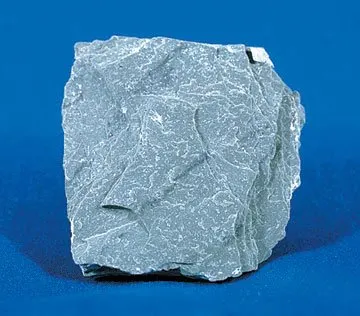
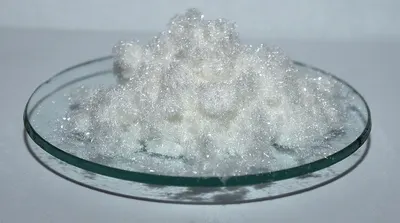
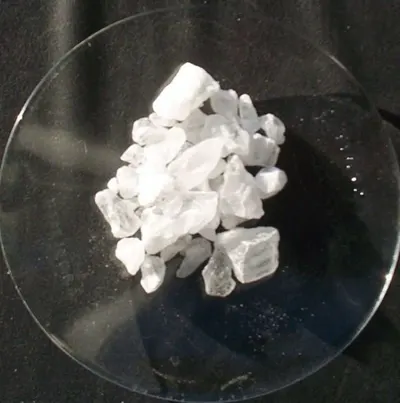
About Nanjing Nake Nano Biomaterials Co., Ltd - Hydroxyapatite Supplier in China
China‑based Nanjing Nake Nano Biomaterials Co., Ltd lists five distinct hydroxyapatite products in its catalogue. The active product count is five, covering particle sizes from 20 nm short rods to 100 µm powders. Each entry specifies a nominal size and a stated purity of 99 % for the nano‑scale grades. The catalogue does not associate any HS codes with the items, focusing solely on the material description and dimensional range.
The supplier groups the hydroxyapatite items under a single material family, indicating applications that span biomedical, 3D‑printing, and agricultural uses. Product titles such as “Hydroxyapatite 15 µm For 3D Printing” suggest a targeted market for additive manufacturing feedstock, while the nano‑rod form is typical for bio‑active coatings. No additional product categories or certifications are claimed in the provided data.
Product Range and Specialties of Nanjing Nake Nano Biomaterials Co., Ltd
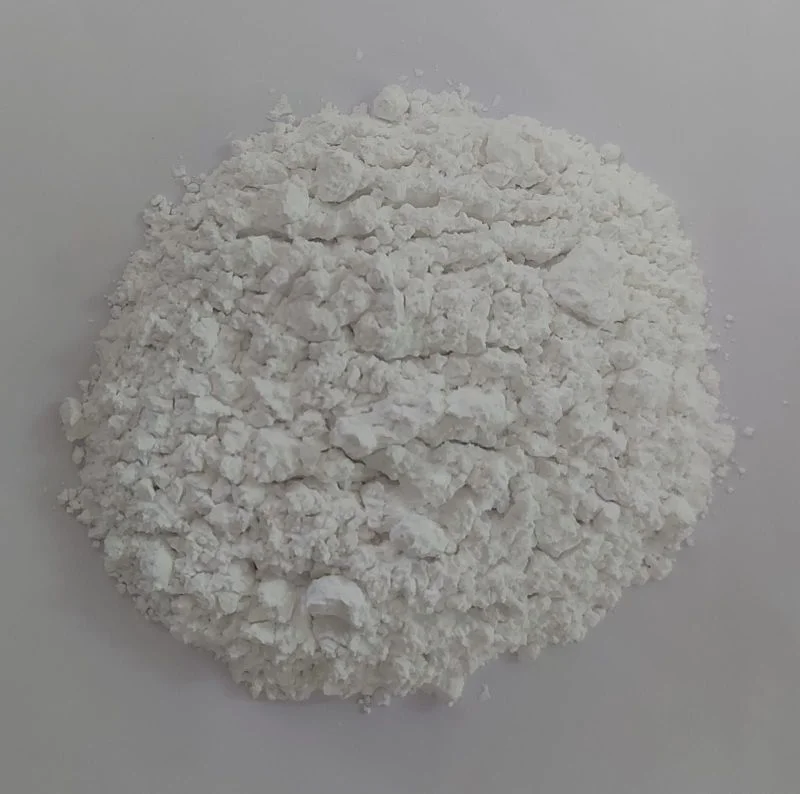
The five listed products are hydroxyapatite powders with nominal particle sizes of 20 nm (short rod), 60 nm, 50 µm, 15 µm (specified for 3D printing), and 100 µm. In the broader market, hydroxyapatite is graded by purity (often ≥99 % Ca₁₀(PO₄)₆(OH)₂) and by particle size distribution, with nano‑scale grades used for medical implants and coatings, and micron‑scale grades for bone graft substitutes and agricultural soil amendments. Typical specifications include a Ca/P molar ratio of 1.67, moisture content below 0.5 %, and a surface area measured in m²/g for nano‑particles.
Buyers of hydroxyapatite commonly request a Certificate of Analysis (CoA) confirming purity, particle‑size distribution (e.g., D10‑D90 values), and phase composition by X‑ray diffraction. For 3D‑printing feedstock, the material is often supplied as a dry powder with flow‑ability data (e.g., Hall flow rate) and may be pre‑mixed with polymer binders. Micron‑scale grades intended for agronomic use are usually packaged in bulk drums with bulk density and bulk moisture specifications.
Frequently Asked Questions About Nanjing Nake Nano Biomaterials Co., Ltd
What particle sizes are available for hydroxyapatite from Nanjing Nake Nano Biomaterials?
The catalogue lists five sizes: 20 nm short rods, 60 nm, 50 µm, 15 µm (specified for 3D printing), and 100 µm powders.
What purity level is claimed for the nano‑scale hydroxyapatite products?
Both nano‑scale items (20 nm and 60 nm) are described as 99 % pure calcium phosphate.
Which certifications should a buyer verify before purchasing hydroxyapatite for medical use?
Buyers should request ISO 13485 certification, a current Certificate of Analysis, and any FDA or REACH documentation relevant to the target market.
What packaging formats are typical for these hydroxyapatite powders?
Hydroxyapatite is commonly packed in sealed 25 kg or 50 kg steel drums; bulk shipments may use large polyethylene bags with inner liners.
What is a typical lead time for an order of hydroxyapatite powder?
Lead times usually range from 2 to 4 weeks after order confirmation, depending on batch size and required quality testing.
ChinaRelated Suppliers & Products
Explore similar suppliers, related products and trending categories