Naam Global Group — Verified Supplier
About Naam Global Group - Petroleum By Products Supplier in United States
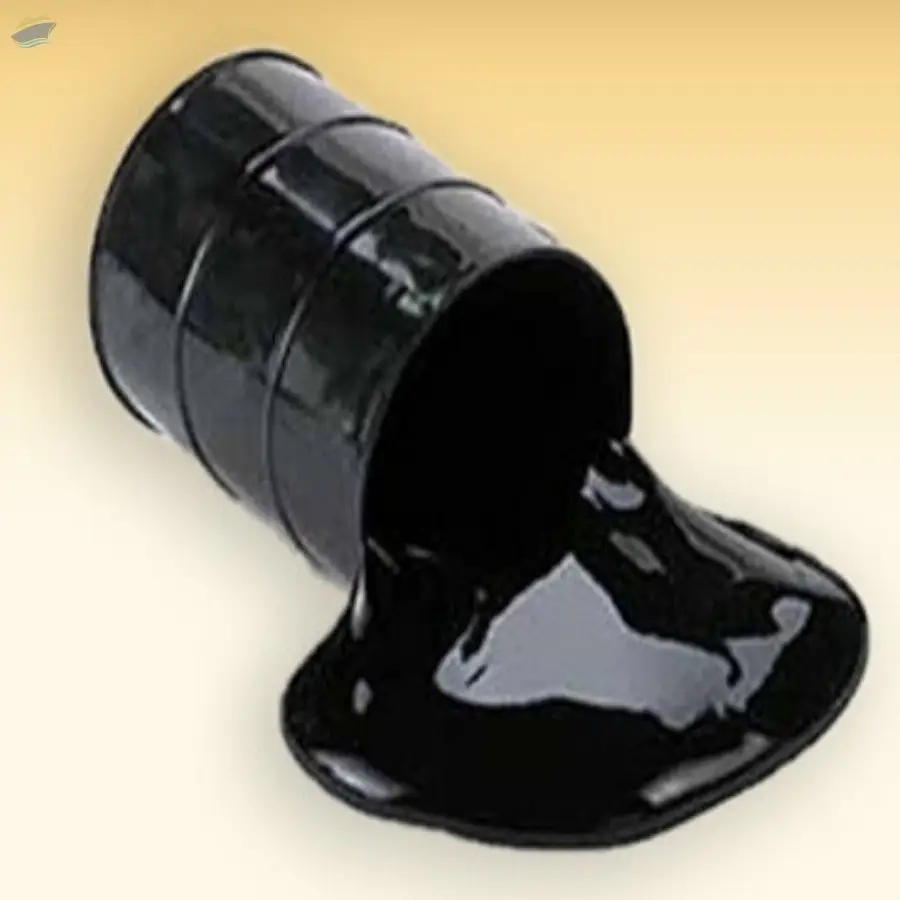
Naam Global Group is based in the United States and currently lists fourteen distinct petroleum and fertilizer products. The catalogue includes Jet Fuel A1, Aviation Kerosene JP‑54, Diesel D6 and EN‑590 10 ppm, Liquefied Natural Gas (LNG), Liquefied Petroleum Gas (LPG), Mazut M100, Petroleum Coke, Urea granular, Di‑Ammonium Phosphate (DAP), Export Blend Crude Oil (GOST 9965‑76), Basra Light Crude, and Iraqi Heavy Crude. Each entry is grouped under top categories such as Crude Oil, Diesel, Bitumen/Asphalt, Urea, LPG/LNG, and DAP. The supplier is classified as an imported tier with a “harbor” trust tier, indicating a moderate level of verification by the platform. The product list reflects a focus on bulk energy commodities and nitrogen‑based fertilizers commonly traded on global spot markets.
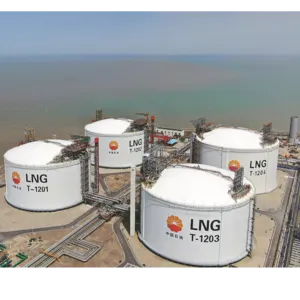
The listed products span several HS‑chapter families that are standard for the industry, including petroleum oils, refined fuels, natural gas liquids, and fertilizer chemicals. Jet Fuel A1 and Aviation Kerosene JP‑54 fall under the aviation turbine fuel specifications (ASTM D1655, DEF STAN 91‑91) with flash points above 38 °C and sulfur limits typically below 30 ppm. Diesel D6 and EN‑590 10 ppm are specified to meet Euro 5 diesel standards (sulfur ≤10 ppm, cetane number ≥51). LNG and LPG are traded as liquefied gases with methane or propane/butane composition and are shipped in insulated tanks or ISO LR1 containers. Urea granular and DAP are nitrogen fertilizers usually graded at 46 % N (Urea) and 18‑46‑0 (DAP) and are exported in bulk bags or bulk carriers. The crude oil entries (Basra Light, Iraqi Heavy, Export Blend) are described by API gravity and sulfur content, which buyers typically verify against assay reports.
Product Range and Specialties of Naam Global Group
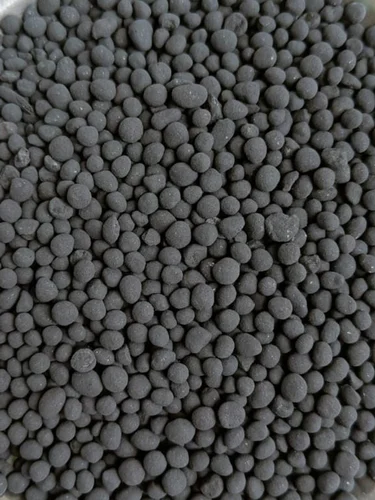
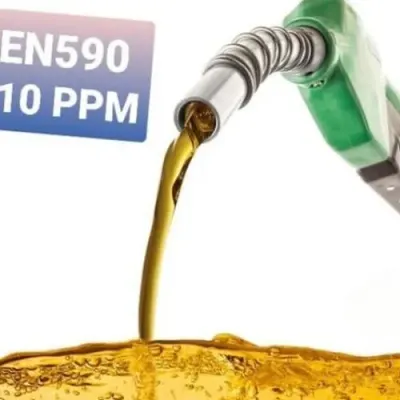
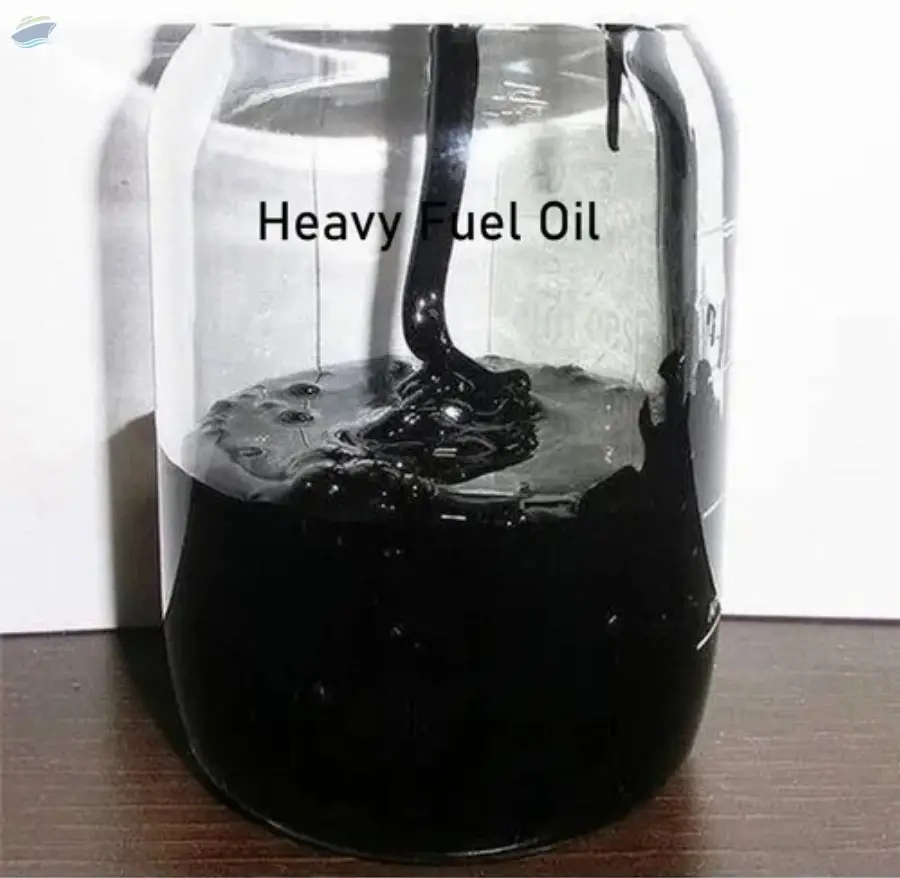
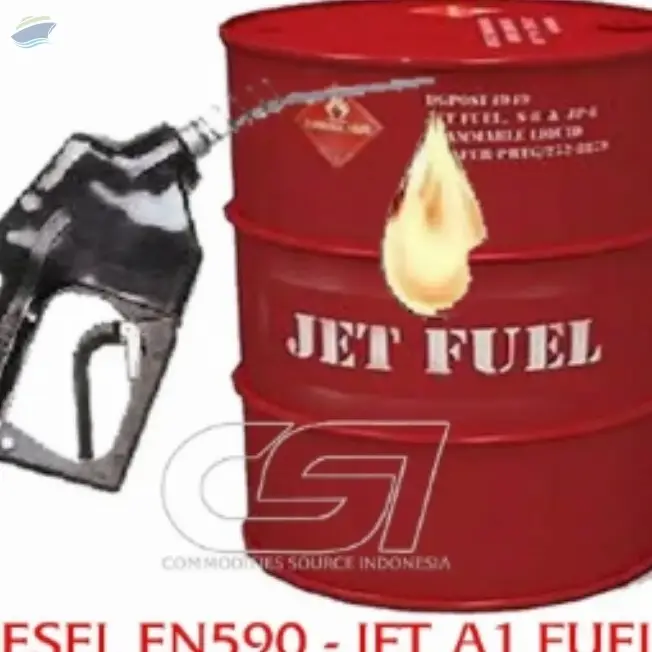
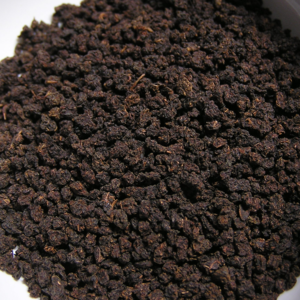
The catalogue offers refined fuel grades such as Jet Fuel A1, Aviation Kerosene JP‑54, Diesel D6 Virgin Low Pour, and Diesel EN‑590 10 ppm, each conforming to internationally recognised specifications for aviation and road transport. In the gas segment, LNG is supplied as a cryogenic liquid meeting ISO 19901‑1 standards, while LPG is offered as a propane‑butane mix commonly classified under the LPG trade specifications of 70 % propane and 30 % butane. The solid fuel segment includes Petroleum Coke, a high‑carbon fuel with typical moisture <0.5 % and ash content 0.5‑1.5 %, and Mazut M100, a heavy fuel oil with viscosity around 380 cSt at 50 °C and sulfur content often <2 %.
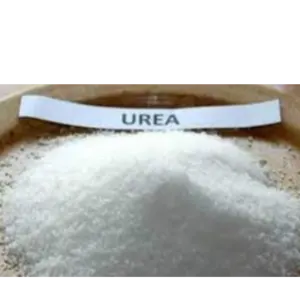
Fertilizer products comprise granular Urea (46 % nitrogen by weight) and Di‑Ammonium Phosphate (18‑46‑0 grade) which are standard for agricultural applications. Crude oil offerings cover Omani Heavy and Light, Basra Heavy, and an Export Blend referenced by GOST 9965‑76, each normally described by API gravity (e.g., 28‑32 °API for heavy grades) and sulfur levels (up to 1 %). Buyers can expect product documentation such as assay sheets, specification certificates, and material safety data sheets for each line item.
Trade and Export Information - Naam Global Group
United States exporters of refined fuels, LNG, LPG, and petroleum coke typically ship to Europe, East Asia, and the Middle East, where demand for jet fuel, diesel, and heavy fuel oil remains strong. Bulk shipments are usually loaded in IMO‑type tankers for crude, diesel and mazut, while LNG is transported in specialized cryogenic carriers and LPG in pressurised ISO tanks or LPG carriers. Standard Incoterms for these commodities are FOB or CIF, with buyers often requiring pre‑shipment inspection reports and third‑party assay verification to satisfy import regulations. Common certifications requested by importers include ISO 9001 quality management, API Q1 for refinery operations, and, where applicable, OHSAS 18001 for handling hazardous materials.
Regulatory frameworks such as the U.S. Department of Energy reporting requirements and the International Maritime Organization’s MARPOL Annex VI emission standards affect the export of high‑sulfur fuels. Fertilizer exports of Urea and DAP are subject to the Fertilizer Institute’s quality guidelines and may need phytosanitary certificates for certain destination countries. Packaging for bulk fertilizers is generally in 25‑ton polypropylene bags or bulk carriers with moisture‑controlled holds. Buyers should verify that the supplier can provide the necessary export licenses and compliance documents for the target market.
Sourcing from Naam Global Group - Buyer Guidance
When sourcing from Naam Global Group, buyers should request the latest assay report for each fuel grade, confirming API gravity, sulfur content, flash point, and viscosity where applicable. For LNG and LPG, a gas quality certificate indicating calorific value, Wobbe index, and composition is standard practice before contract finalisation. Fertilizer purchasers should obtain a certificate of analysis showing nitrogen, phosphorus, and potassium content, as well as moisture and particle size distribution for granular Urea and DAP.
It is advisable to confirm the supplier’s capability to provide ISO 9001 or API Q1 certification copies, especially for refined products that will be shipped under strict quality regimes. Buyers should also clarify packaging details - whether fuel will be delivered in ISO tank containers, bulk tankers, or bagged formats - and agree on Incoterms that align with their logistics network. Pre‑shipment inspection by an independent surveyor, such as SGS or Bureau Veritas, is a common risk‑mitigation step for high‑value bulk commodities.
Frequently Asked Questions About Naam Global Group
What refined fuel grades does Naam Global Group offer?
The supplier lists Jet Fuel A1, Aviation Kerosene JP‑54, Diesel D6 Virgin Low Pour Fuel Oil, and Diesel EN‑590 10 ppm, all of which conform to standard aviation and diesel specifications.
Can I obtain assay reports for the crude oil products?
Yes, the supplier provides assay sheets for Export Blend Crude Oil, Basra Light Crude, and Iraqi Heavy Crude, detailing API gravity, sulfur, and other key parameters.
What are the typical specifications for the LNG and LPG products?
LNG is supplied as a cryogenic liquid meeting ISO 19901‑1 standards; LPG is offered as a propane‑butane mix, commonly around 70 % propane and 30 % butane, with standard calorific values.
Which certifications should I request before purchasing?
Buyers should request ISO 9001 quality management, API Q1 refinery certification, and any relevant safety or environmental certificates such as OHSAS 18001 for hazardous fuels.
What packaging options are available for Urea and DAP?
Urea granular and DAP are typically packed in 25‑ton polypropylene bags or shipped in bulk carriers with moisture‑controlled holds, depending on order size.
What Incoterms are commonly used for these commodities?
FOB (Free on Board) and CIF (Cost, Insurance, Freight) are the standard Incoterms applied to the fuel, crude oil, and fertilizer shipments from the United States.
How is the petroleum coke exported?
Petroleum coke is exported in bulk, usually loaded onto bulk carriers or in sealed containers, with moisture content below 0.5 % and ash content around 0.5‑1.5 %.
Are pre‑shipment inspections required?
Importers frequently arrange independent pre‑shipment inspections by agencies such as SGS or Bureau Veritas to verify product quality and quantity before loading.




 , United States