Mountain View Financial Services Inc. — Verified Supplier
About Mountain View Financial Services Inc. - Urea Supplier in United States
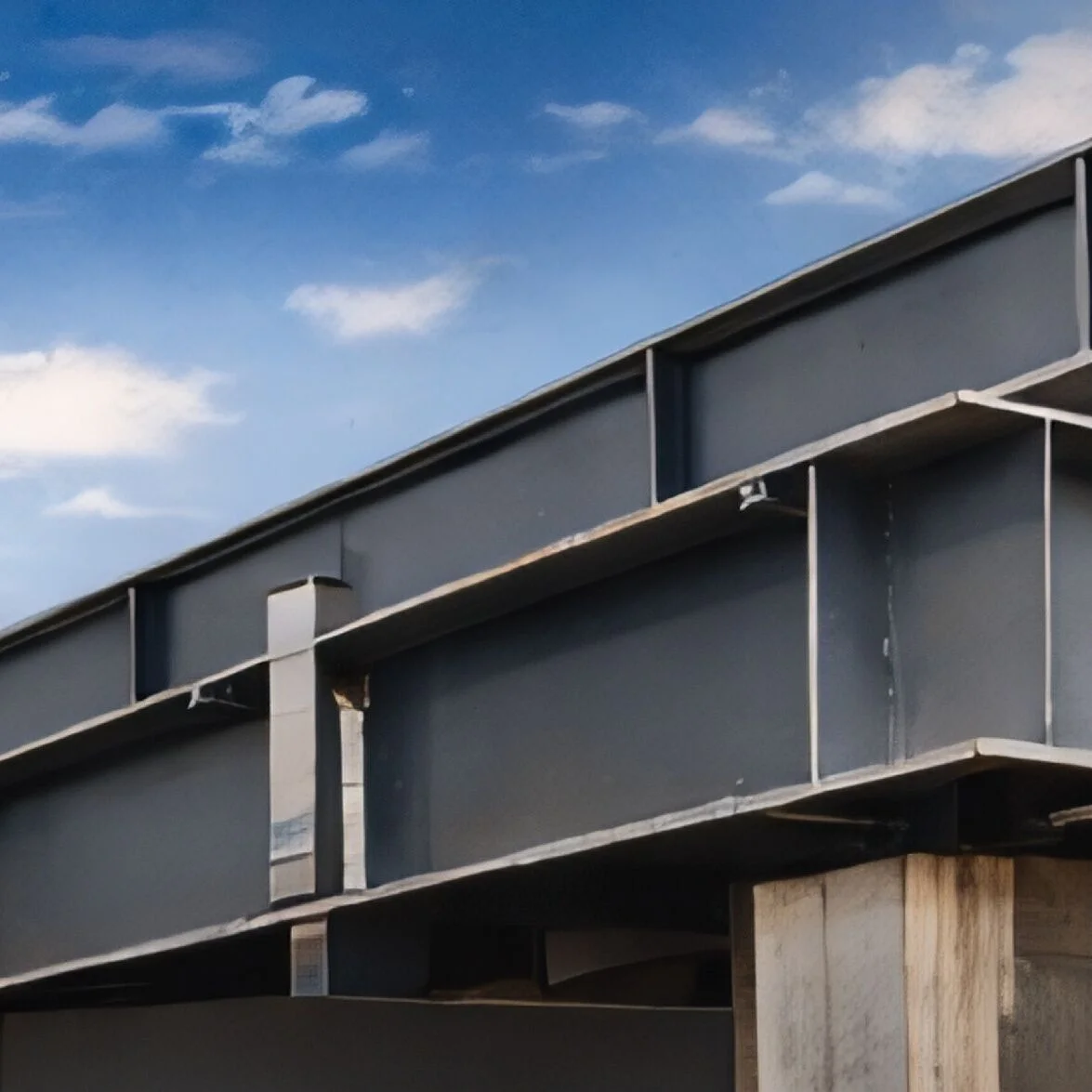
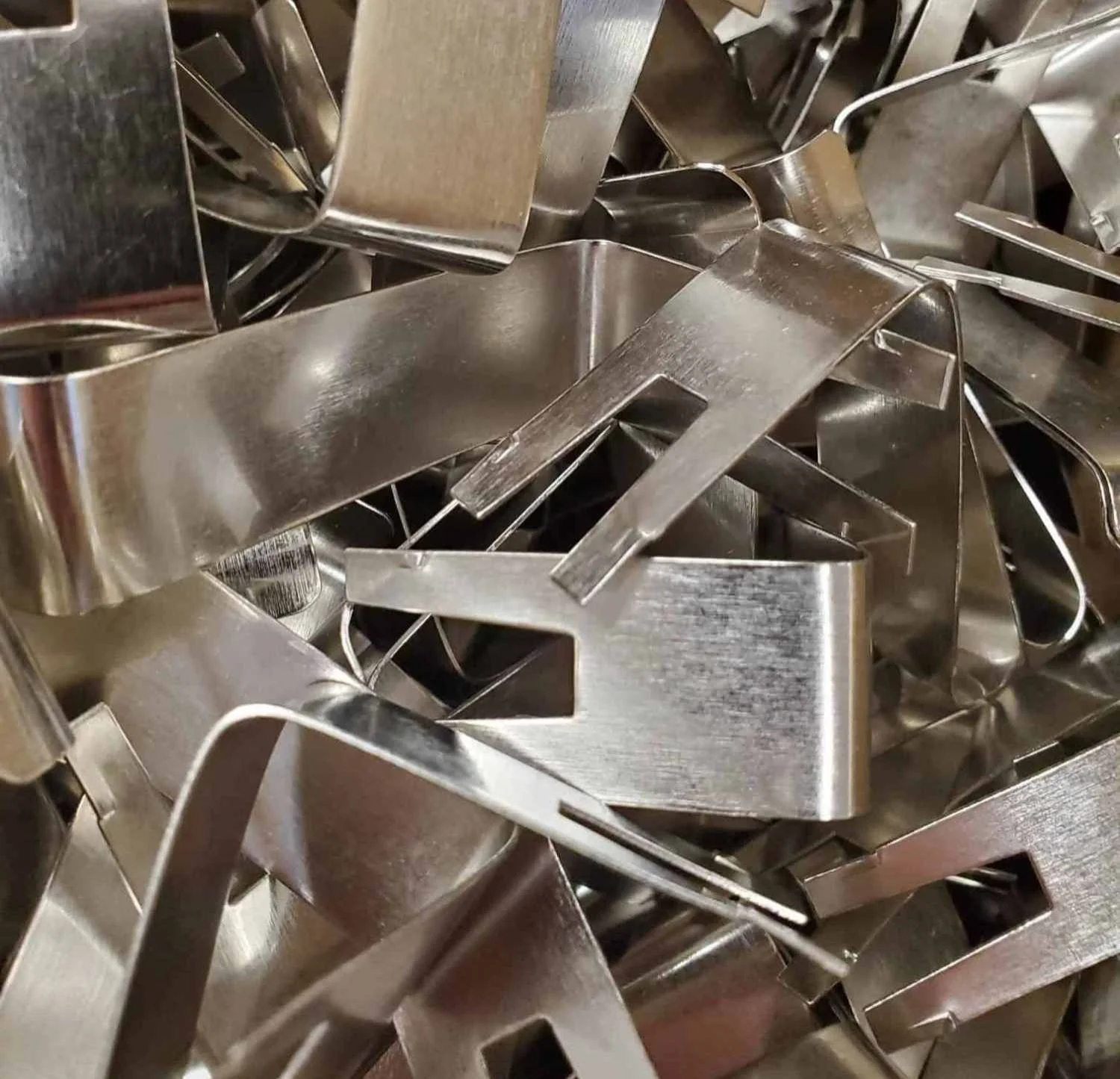
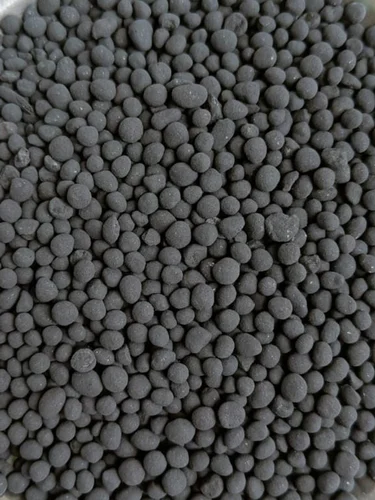
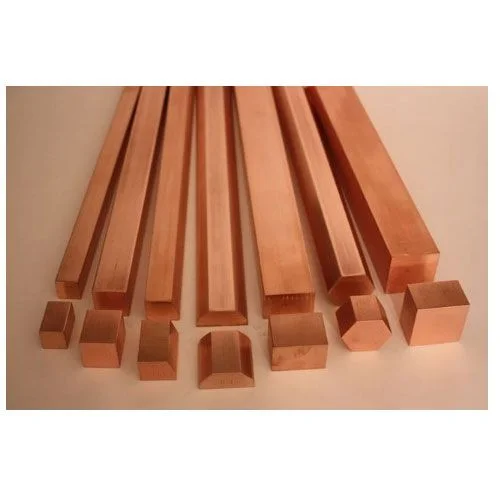
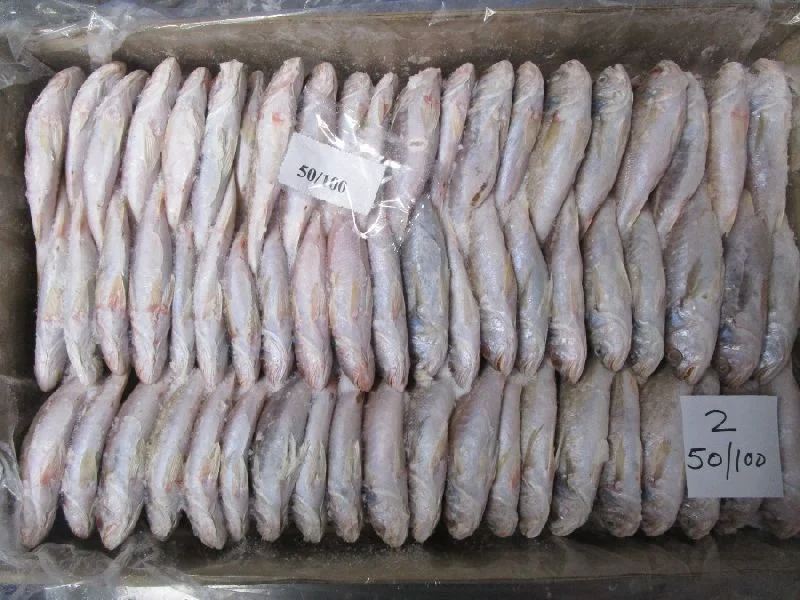
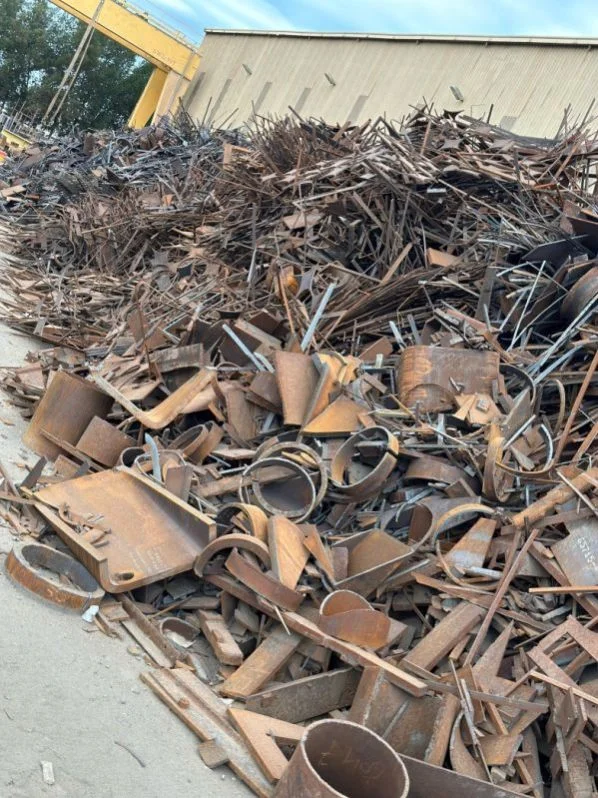
The United States supplier lists a total of 23 active products across a broad spectrum of commodity groups. The catalogue includes petroleum derivatives such as Bitumen, Mazut, Crude Oil, D2 (GASOIL) diesel and LPG, as well as aviation fuel (Jet Fuel) and Methanol. Agricultural bulk items are represented by Sugar, Corn, Wheat, Barley (HS 1003.90, Hordeum vulgare grain), Soybean, Chicken and Tuna Fish. Fertiliser offerings feature Urea 46 % Prilled, Urea N46 Prilled, NPK Fertilizer and Di‑Ammonium Phosphate (HS 3105.40, 18 % N, 46 % P2O5). Metal and construction materials include Copper cathodes (HS 7403.11, 99.99 % purity), Iron and Steel (HS 7201.10), Metal Scraps (HS 7204.49), Used Rails (HS 7204.29, recycled carbon/alloy steel R50‑R65) and Cement & Clinker (HS 2523.29).
Product Range and Specialties of Mountain View Financial Services Inc.
The product list follows standard industry classifications. Bitumen is typically supplied in grade 60/70 with a penetration of 70 × 0.1 mm and complies with ASTM D5. Jet Fuel conforms to ASTM D1655 specifications for aviation kerosene, while Mazut is usually a heavy fuel oil of grade V with a viscosity of 300‑500 cSt at 50 °C. Crude Oil grades are described by API gravity, commonly ranging from 30‑35 °API for West Texas Intermediate equivalents. Diesel D2 meets EN 590 requirements for sulfur content (<10 ppm) and cetane number (>51). LPG is sold as a propane‑butane mix meeting ISO 18287, and Methanol purity is typically ≥99.8 % with water content <0.1 %. Urea prills are graded at 46 % nitrogen (ICUMSA‑type grade) and Di‑Ammonium Phosphate is supplied with the stated nutrient analysis. Copper cathodes are electrolytic with a minimum purity of 99.99 % Cu, while recycled rails and metal scraps are categorized under HS 7204 with alloy specifications noted in the product description. Cement clinker follows ASTM C150 Type I specifications for Portland cement.
Trade and Export Information - Mountain View Financial Services Inc.
United States exporters of petroleum products, fertilizers and bulk commodities generally ship to markets in Asia, Europe and Latin America using bulk carriers, tankers or 20‑/40‑ft containers depending on product form. HS chapter 27 (mineral fuels) and chapter 72 (iron and steel) dominate customs filings for the listed items, with typical certifications including ISO 9001 quality management, API product certifications for oil grades, and SGS inspection reports for metals. Buyers frequently request a Certificate of Origin, a Bill of Lading, and a Material Safety Data Sheet (MSDS) for chemicals such as Methanol and Di‑Ammonium Phosphate. For agricultural grains, phytosanitary certificates and compliance with the Import Food Safety System (IFSS) of the destination country are standard. Common Incoterms used by US suppliers are FOB (port of loading) and CIF (destination port), and shipments of bulk steel or cement are often loaded in ocean freight containers or bulk vessels with moisture protection measures.
Sourcing from Mountain View Financial Services Inc. - Buyer Guidance
Prospective buyers should obtain a detailed product specification sheet that lists grade, purity, moisture content and any applicable industry standards before placing an order. Request a recent Certificate of Analysis (CoA) for chemicals and fertilizers, a Mill Test Report (MTR) for copper cathodes, and a third‑party inspection report for used rails and metal scraps. Verify that the supplier can provide the required export documentation such as a Certificate of Origin, phytosanitary certificate for grains, and compliance statements for REACH or other destination‑country regulations. For bulk shipments, confirm container size (20 ft or 40 ft), loading conditions and minimum order quantities, which typically start at 10 metric tons for steel scrap or 5 metric tons for fertilizer grades.
Frequently Asked Questions About Mountain View Financial Services Inc.
What HS codes are associated with the metal products offered?
The recycled Used Rails are classified under HS 7204.29, Metal Scraps under HS 7204.49, and general Iron and Steel under HS 7201.10. Copper cathodes carry HS 7403.11.
Which certifications should I request for the Urea products?
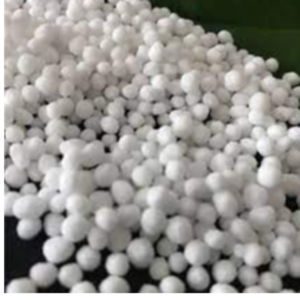
Buyers normally ask for a Certificate of Analysis confirming the 46 % nitrogen content, an ISO 9001 quality management certificate, and any relevant fertilizer registration documents required by the importing country.
How is Bitumen typically packaged for export?
Bitumen is usually shipped in insulated steel drums or bulk tanker trucks that maintain a temperature above 150 °C to prevent solidification, and the shipment is documented with a Bill of Lading and a product specification sheet meeting ASTM D5.
What quality tests are standard for Di‑Ammonium Phosphate?
Standard tests include nutrient analysis for nitrogen (18 %) and phosphorus pentoxide (46 %), moisture content below 0.5 %, and a solubility test in water, all reported in a Certificate of Analysis.
Are there typical Incoterms used for the grain commodities?
For grains such as Barley, Wheat and Corn, suppliers commonly employ FOB at a US Gulf port or CIF to the buyer’s destination port, with cargo loaded in 20‑ft or 40‑ft containers fitted with moisture‑proof liners.
What documentation is required for exporting LPG from the United States?
Export of LPG generally requires a Bill of Lading, a Certificate of Origin, a safety data sheet (SDS), and compliance with the US Department of Transportation’s hazardous material regulations, as well as any destination‑country import permits.
How can I verify the purity of the copper cathodes?
Request a recent Mill Test Report that specifies chemical composition, a minimum 99.99 % copper purity, and any applicable ISO 14001 environmental compliance statements.
What are the typical lead times for bulk steel shipments?
Lead times for bulk steel such as Iron and Steel or Metal Scraps are usually 4‑6 weeks from order confirmation, depending on stock availability and vessel scheduling.




 , United States