MOHINA GMBH — Verified Supplier
About MOHINA GMBH - Fertilizers Supplier in Austria
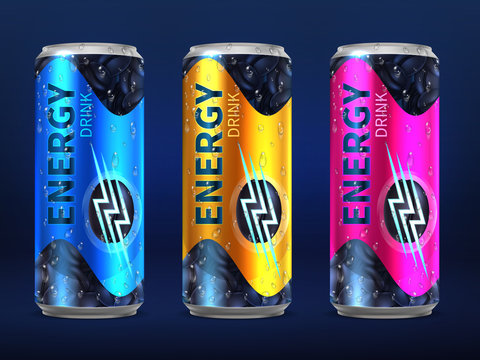
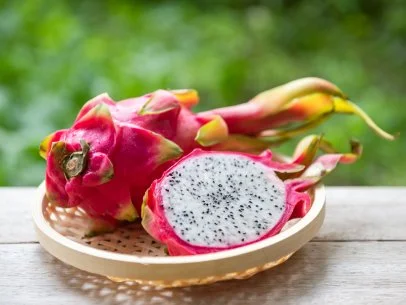
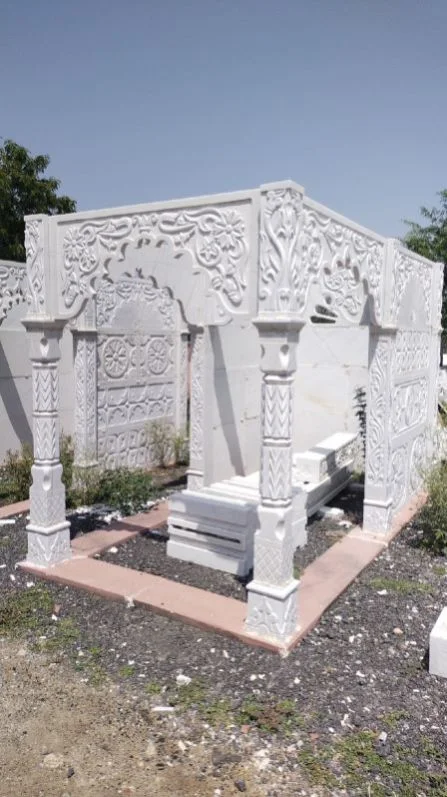
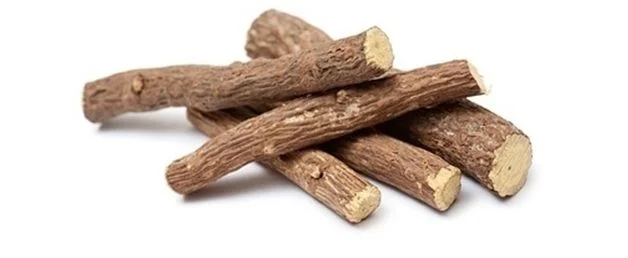
MOHINA GMBH is based in Wien, Austria and currently lists ten active products across its catalogue. The listed items span Fertilizers, Marble & Granite, Uzbek ceramic plates and vases, Artemia salina (commonly known as brine shrimp used in aquaculture), Licorice Root, fresh cherries (HS code 0809.29, classified as fresh agricultural produce - black cherries), Pomegranate Fruit, Lemon, Persimmon, and a Honey‑Based Halal Syrup marketed as an energy drink. Each entry is recorded under its specific product name without additional sub‑variants, and the only HS code supplied in the catalogue relates to the cherry product. The supplier is categorized as an imported tier within the trade platform and is located in the Austrian capital region. The catalogue does not provide further quantitative details such as packaging size or freight terms.
The catalogue groups the items into broader categories such as Fertilizers, stone products, ornamental ceramics, aquaculture feed, botanical extracts, and fresh fruit and processed syrup. While most products lack explicit HS codes in the data, the inclusion of fresh cherries under 0809.29 indicates a focus on fresh produce classification, and the presence of marble and granite suggests alignment with HS chapter 68 stone products. The supplier’s product mix reflects typical export categories from Central European sources, combining agricultural, mineral, and specialty food items. No additional corporate claims or historical data are supplied beyond the product list and location.
Product Range and Specialties of MOHINA GMBH
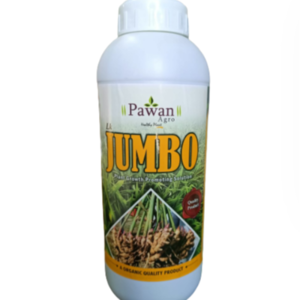
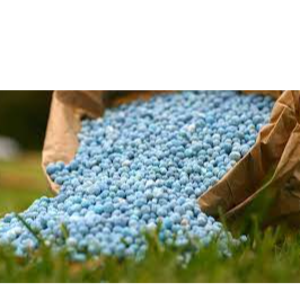
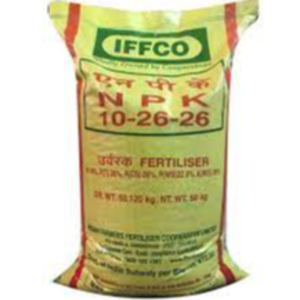
The product list includes conventional nitrogen‑phosphorus‑potassium (NPK) Fertilizer formulations, which in the industry are often graded by nutrient percentage (e.g., 12‑12‑12) and moisture content below 12 %. Marble and Granite are typically supplied as cut slabs or tiles with surface finishes ranging from polished to honed, and quality is measured by compressive strength (usually 70 - 120 MPa) and absence of fissures. The Uzbek ceramic plates and vases fall under ceramic ware (HS 6907) and are commonly evaluated for glaze uniformity, lead‑free glazes, and dimensions expressed in centimeters. Artemia salina is marketed as live or dried fishmeal, with protein contents of 45 - 55 % and low ash, and is frequently shipped in 20 ft containers with breathable packaging. Licorice Root is traded as a botanical extract, with glycyrrhizin content typically between 2‑5 % and moisture under 12 %. Fresh cherries, pomegranate, lemon, and persimmon are classified as fresh agricultural produce; quality parameters include size grading (e.g., cherry diameter 20 - 25 mm), Brix sugar content (usually 12‑14 % for cherries), and absence of pesticide residues per EU maximum residue limits. The honey‑based halal syrup is a processed food product usually containing 30‑35 % total sugars, a defined halal certification, and is packaged in food‑grade PET bottles or glass jars.
Trade and Export Information - MOHINA GMBH
Austria’s export profile for stone products such as marble and granite targets construction markets in Germany, Italy, and the Middle East, with HS chapter 68 shipments often requiring CE marking for safety and conformity. Fertilizer exports from Central Europe are commonly directed to Eastern European and North African agricultural sectors, and buyers typically request phytosanitary certificates and analysis reports for nutrient content under HS 3105. Fresh fruit exports - including cherries, pomegranate, lemon, and persimmon - are usually shipped in refrigerated containers (20 ft or 40 ft) with insulated pallets, and importing regions include EU member states, Russia, and GCC countries; compliance with EU plant health regulations and the International Plant Protection Convention (IPPC) is standard. Processed food items such as honey‑based halal syrup are subject to HACCP audits, halal certification bodies, and labeling requirements under HS 2208, with major buyers located in Southeast Asia and the Middle East. Artemia salina products are often used in aquaculture farms in China, Vietnam, and the United States, and the HS code 0306 for fishmeal and related animal feed triggers mandatory sanitary inspections and, where applicable, ISO 22000 food safety compliance. Overall, shipments from Austria follow Incoterms such as FOB Vienna or CIF Hamburg, with typical container loads ranging from 15 tonnes for bulk fertilizers to 2 tonnes for marble slabs.
Sourcing from MOHINA GMBH - Buyer Guidance
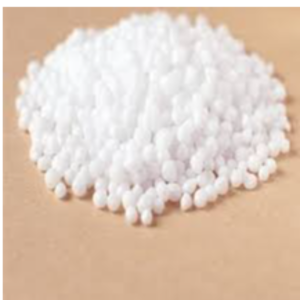
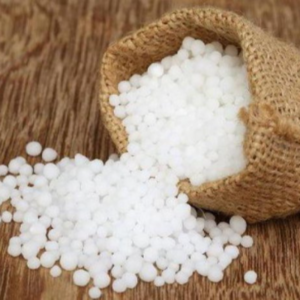
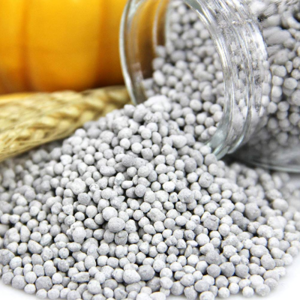
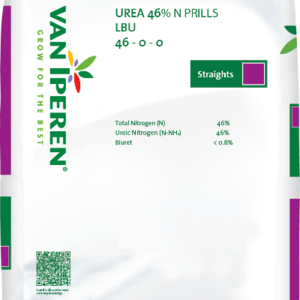
When sourcing Fertilizer from MOHINA GMBH, request a recent analysis certificate showing N‑P‑K percentages, moisture content, and heavy‑metal limits in accordance with EU Regulation 2003/2003. For marble and granite, ask for a material test report indicating compressive strength, dimensions, and any surface treatment certifications (e.g., CE or EN 12467). Fresh fruit buyers should obtain a phytosanitary certificate, a pesticide residue analysis, and a packing list specifying crate size (e.g., 40 × 30 × 30 cm) and cooling temperature (typically 0 °C for cherries). Artemia salina shipments should be accompanied by a protein content lab report and a declaration of any preservatives used. Licorice Root purchases benefit from a glycyrrhizin content assay and a declaration of origin, while the honey‑based halal syrup requires a halal certification copy and a nutrition facts sheet. Verify that the HS codes on commercial invoices match the product (e.g., 0809.29 for cherries) and confirm container loading plans to avoid under‑ or over‑packing.
Frequently Asked Questions About MOHINA GMBH
What product categories does MOHINA GMBH list in its catalogue?
The catalogue includes Fertilizer, Marble & Granite, Uzbek ceramic plates & vase, Artemia salina, Licorice Root, fresh Cherries (HS 0809.29), Pomegranate Fruit, Lemon, Persimmon, and a Honey‑Based Halal Syrup.
Which HS code is provided for any product in the catalogue?
Only the fresh Cherry entry includes an HS code, which is 0809.29 and is classified as fresh agricultural produce - black cherries.
What typical quality specifications should a buyer request for the Fertilizer product?
Buyers should ask for a nutrient analysis showing the N‑P‑K ratio, moisture content below 12 %, and a heavy‑metal limits report complying with EU Regulation 2003/2003.
How is the Marble & Granite product usually evaluated before purchase?
Evaluation normally involves a compressive strength test (70 - 120 MPa), measurement of slab dimensions, surface finish inspection, and verification of any CE or EN 12467 conformity certificates.
What documentation is standard for importing fresh cherries from Austria?
Standard documentation includes a phytosanitary certificate, a pesticide residue analysis report, and a commercial invoice that lists HS code 0809.29.
Which certifications are commonly required for the Honey Based Halal Syrup?
The syrup typically needs a halal certification from an accredited body, a HACCP compliance statement, and a nutrition facts sheet indicating sugar content (30‑35 %).
What are the usual packaging and shipping formats for Artemia salina?
Artemia salina is often packed in moisture‑proof 25 kg bags or bulk drums, placed in 20 ft containers with breathable venting, and shipped under Incoterm FOB or CIF.
What should a buyer verify regarding HS codes before placing an order?
The buyer should ensure that the HS code on the commercial invoice matches the specific product (e.g., 0809.29 for cherries) and that it aligns with the applicable customs tariff and inspection requirements of the importing country.




 , Austria