Modi Bros — Supplier
About Modi Bros - Artificial Jewellery Supplier in India
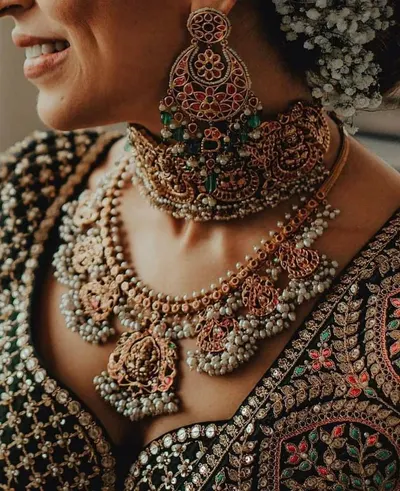
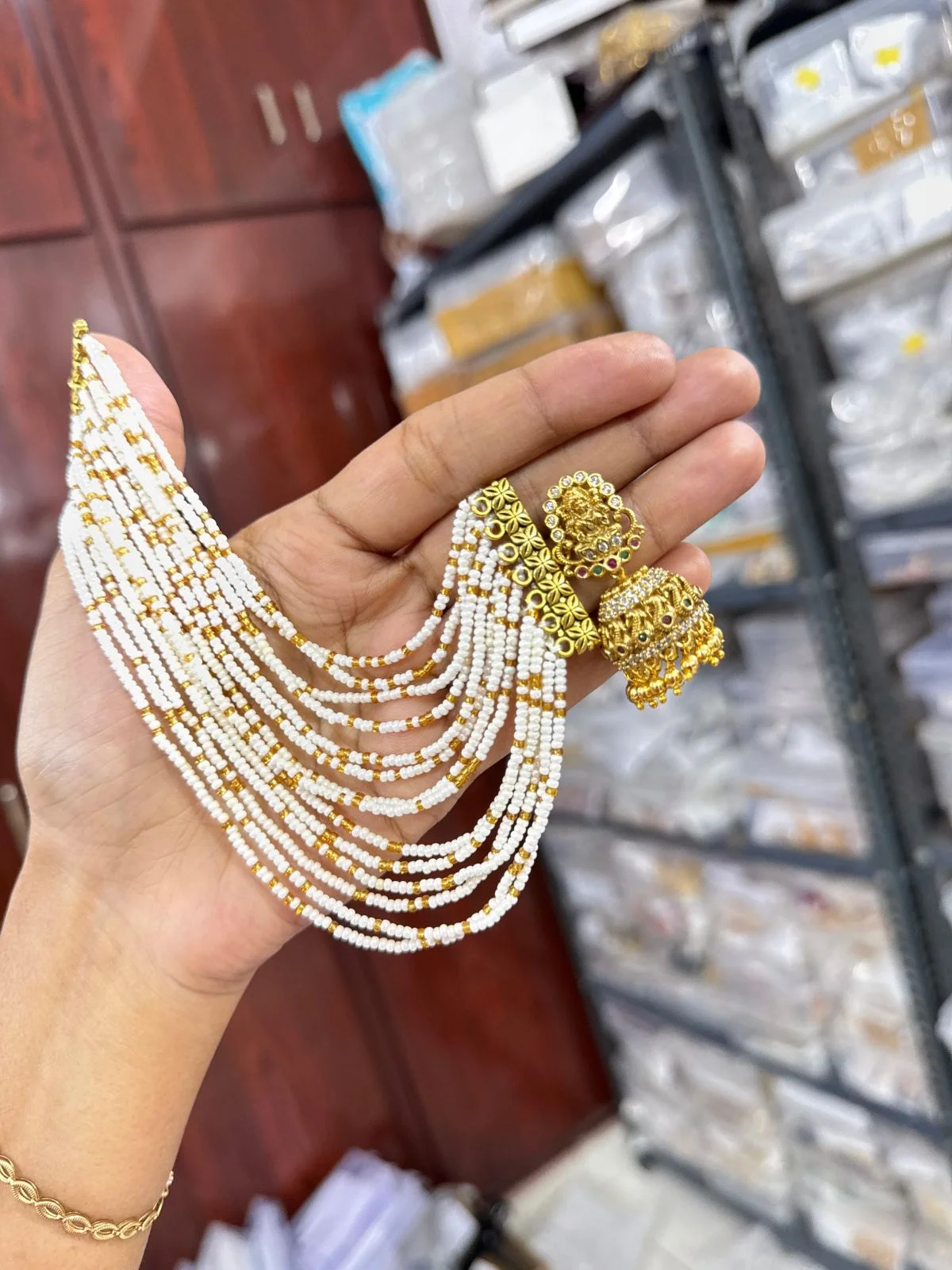
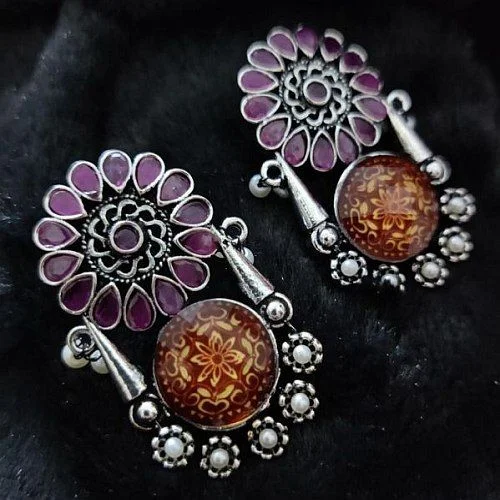
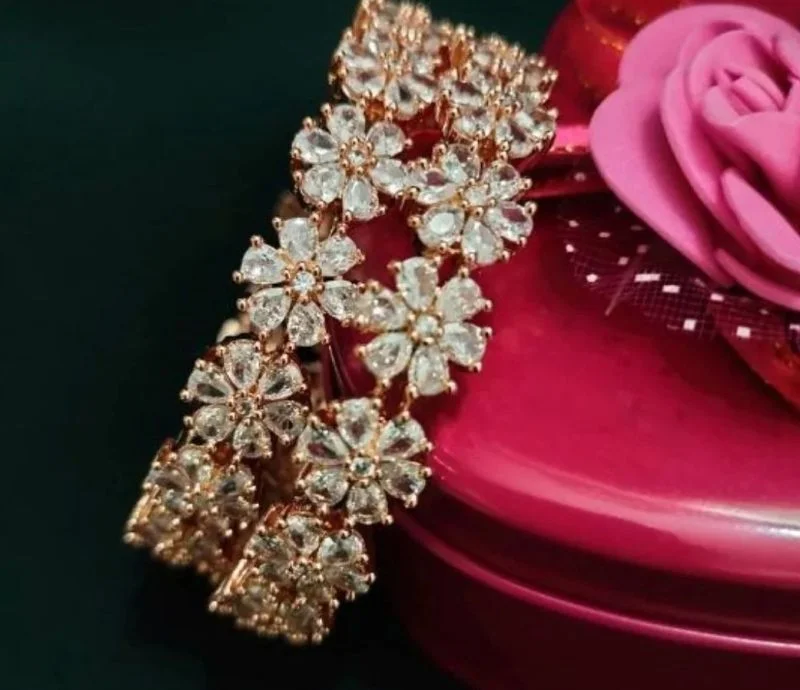
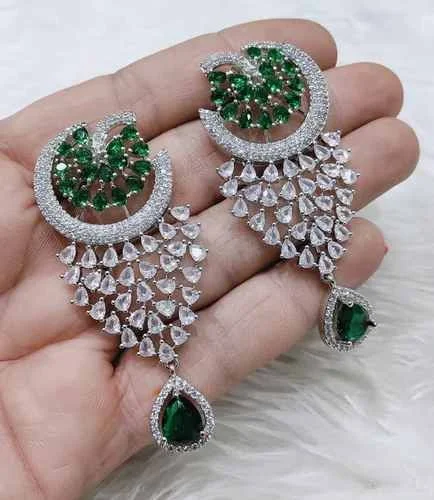
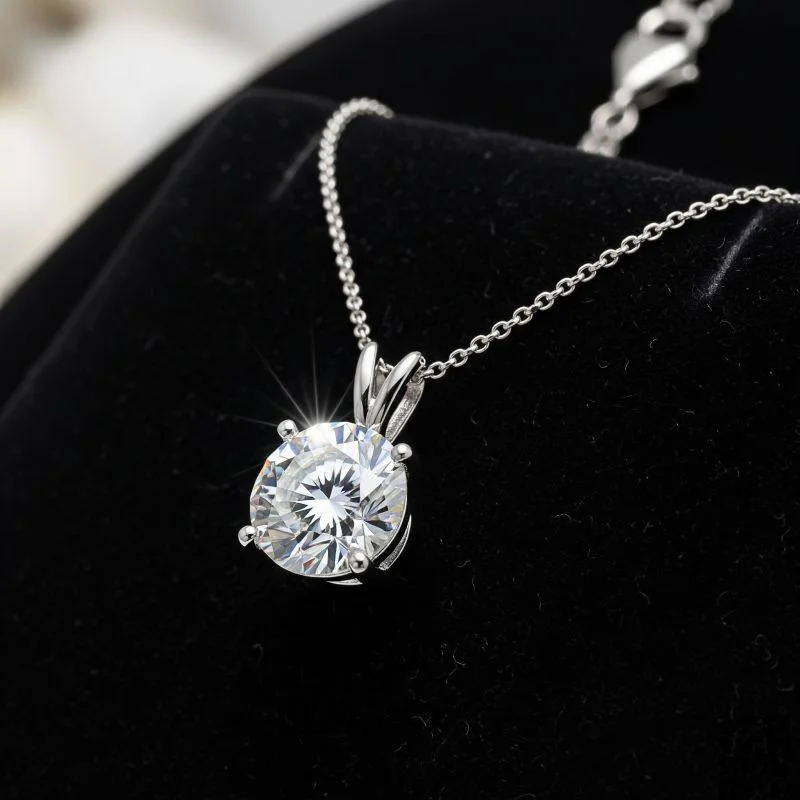
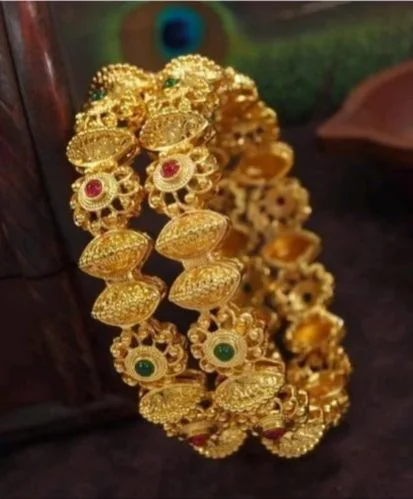
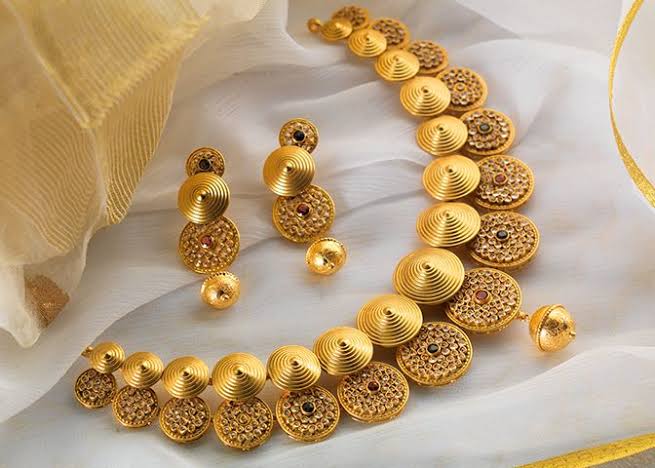
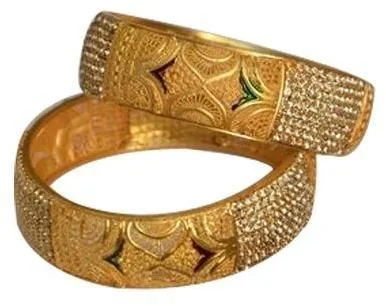
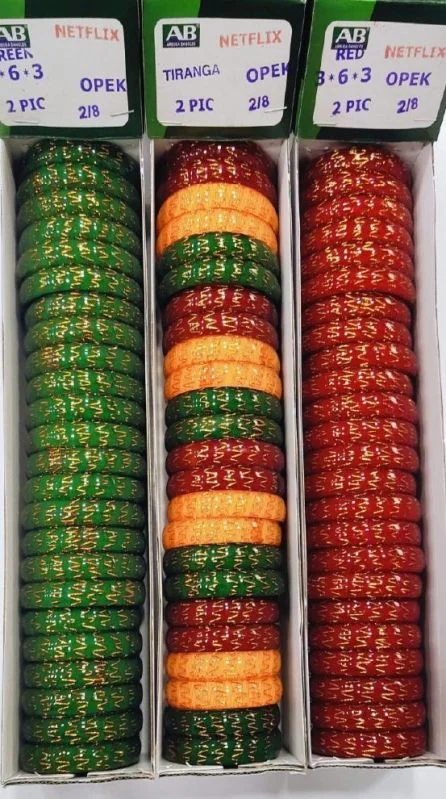
Modi Bros is based in India and lists six distinct artificial jewellery products in its catalogue. The catalogue includes imitation jewelry, necklaces, bangles, earrings, and two entries with spelling variations of bangles and earrings. These items fall under the artificial jewellery segment, which is commonly classified under HS Chapter 71 for imitation jewelry and accessories. The supplier’s active product count of six reflects a focused portfolio covering neckwear and wrist ornaments made from typical alloy or polymer bases. Each product entry aligns with the broader category of artificial bangles, earrings, necklaces, and jewellery as indicated in the top categories.
The listed products are presented without additional specifications such as material composition, size, or finish, which are standard details buyers usually request. The catalogue does not provide HS codes, certifications, or manufacturing locations beyond the country level, so prospective buyers should seek those details directly. The six‑product offering suggests a niche focus rather than a broad manufacturing line, positioning Modi Bros within the segment of Indian exporters of costume jewelry.
Product Range and Specialties of Modi Bros
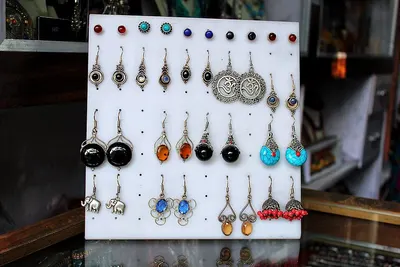
Modi Bros offers imitation jewelry, necklaces, bangles and earrings as shown in its catalogue. In the artificial jewellery market, such items are typically produced from zinc alloy, copper alloy, brass, or high‑impact plastics, often plated with nickel, chrome or gold‑tone finishes to achieve desired aesthetics. Common grades for costume jewelry include lead‑free compliance (often <0.05% lead) and nickel release limits below 0.5 µg/cm² as per EU REACH standards. Buyers frequently encounter variations such as crystal‑embellished earrings, beaded necklaces, and resin‑filled bangles, which may be indicated by product descriptions or SKUs.
Industry practice groups artificial jewellery into size ranges (e.g., bangles 180‑210 mm circumference, earrings 5‑20 mm length) and weight categories (typically 5‑30 g per piece). Packaging often involves poly‑bag or cardboard boxes, with a standard container load of 20 ft containers holding 10‑12 k pieces depending on packaging density. These specifications help buyers compare product suitability across suppliers.
Trade and Export Information - Modi Bros
India is a major exporter of costume jewellery, with shipments typically directed to the United States, European Union, Middle East and Southeast Asian markets. HS Chapter 71 (specifically sub‑heading 7117 for imitation jewellery) governs customs classification, and customs authorities often request material safety data sheets and test reports for lead and cadmium content. Export documentation commonly includes a commercial invoice, packing list, certificate of origin, and where required, a test report complying with ISO 17025 for metal safety.
Buyers importing artificial jewellery from India usually work with freight forwarders to arrange 20 ft or 40 ft containers under CIF or FOB terms. The industry standard for packaging is to use sealed poly‑bags inside cardboard cartons, with moisture‑resistant liners for metal items to prevent oxidation during sea transit. Typical certifications requested by importers include ISO 9001 quality management, CE marking for EU markets, and compliance with the US Consumer Product Safety Commission (CPSC) limits on lead in children’s jewelry.
Sourcing from Modi Bros - Buyer Guidance
When sourcing from Modi Bros, buyers should request detailed material composition sheets, confirming whether the items are alloy‑based, plastic, or mixed. Sample pieces should be inspected for finish quality, plating thickness, and dimensional tolerances such as bangle circumference or earring length. Test reports for lead, cadmium and nickel release are standard for compliance with EU REACH and US CPSC regulations and should be provided before finalizing orders.
Buyers should also verify the supplier’s ability to meet packaging requirements, such as poly‑bag sealing and carton dimensions, and confirm the lead time for production, which in the Indian costume jewellery sector typically ranges from 15 to 30 days for standard designs. Requesting a pre‑shipment inspection report (PSI) or a third‑party quality audit can further reduce risk, especially for larger container orders.
Frequently Asked Questions About Modi Bros
What materials are commonly used in Modi Bros' artificial bangles and earrings?
The catalogue does not list material specifics, but Indian costume jewellery manufacturers usually employ zinc alloy, brass, copper alloy or high‑impact plastic, often plated with nickel or chrome for a shiny finish.
Which HS code applies to the imitation jewelry listed by Modi Bros?
Artificial jewellery is generally classified under HS Chapter 71, with sub‑heading 7117 covering imitation jewellery and accessories.
What certifications should a buyer request from Modi Bros before purchase?
Buyers typically ask for ISO 9001 quality management, a test report for lead and cadmium compliance, and where required, CE or CPSC conformity documentation.
How are the products usually packaged for export?
Standard export packaging for Indian artificial jewellery includes sealed poly‑bags placed inside cardboard cartons, with container loads of 20 ft or 40 ft containers depending on order size.
What is the typical lead time for producing the listed items?
In the Indian costume jewellery sector, standard designs are often produced within 15‑30 days, though exact lead times should be confirmed with the supplier for each order.
Which markets commonly import artificial jewellery from India?
Major import destinations include the United States, European Union countries, the Middle East and Southeast Asia, where buyers look for lead‑free, REACH‑compliant products.
What sample procedures are recommended before placing a bulk order?
Request physical samples of each style to verify dimensions, finish and plating, and obtain a laboratory test report for metal safety limits before confirming the full order.
Are there any typical customs requirements for importing these goods?
Customs authorities usually require a commercial invoice, packing list, certificate of origin and, for metal items, a safety test report demonstrating compliance with lead and cadmium limits.




 , India