Mevive International — Verified Supplier
About Mevive International - Fruit Powder Supplier in India
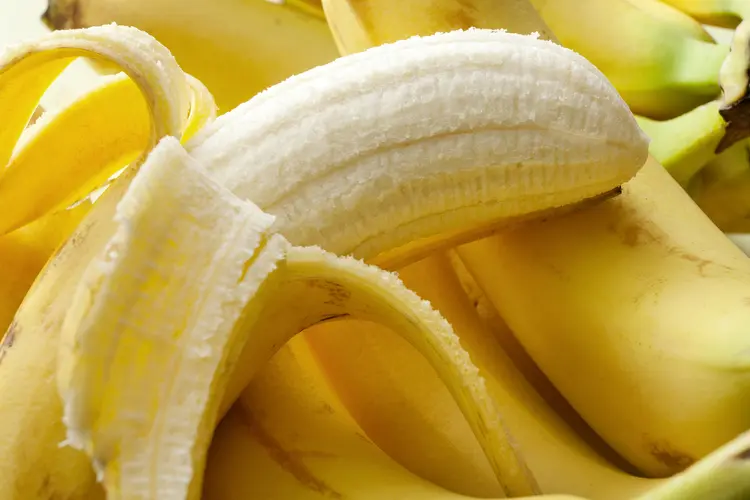
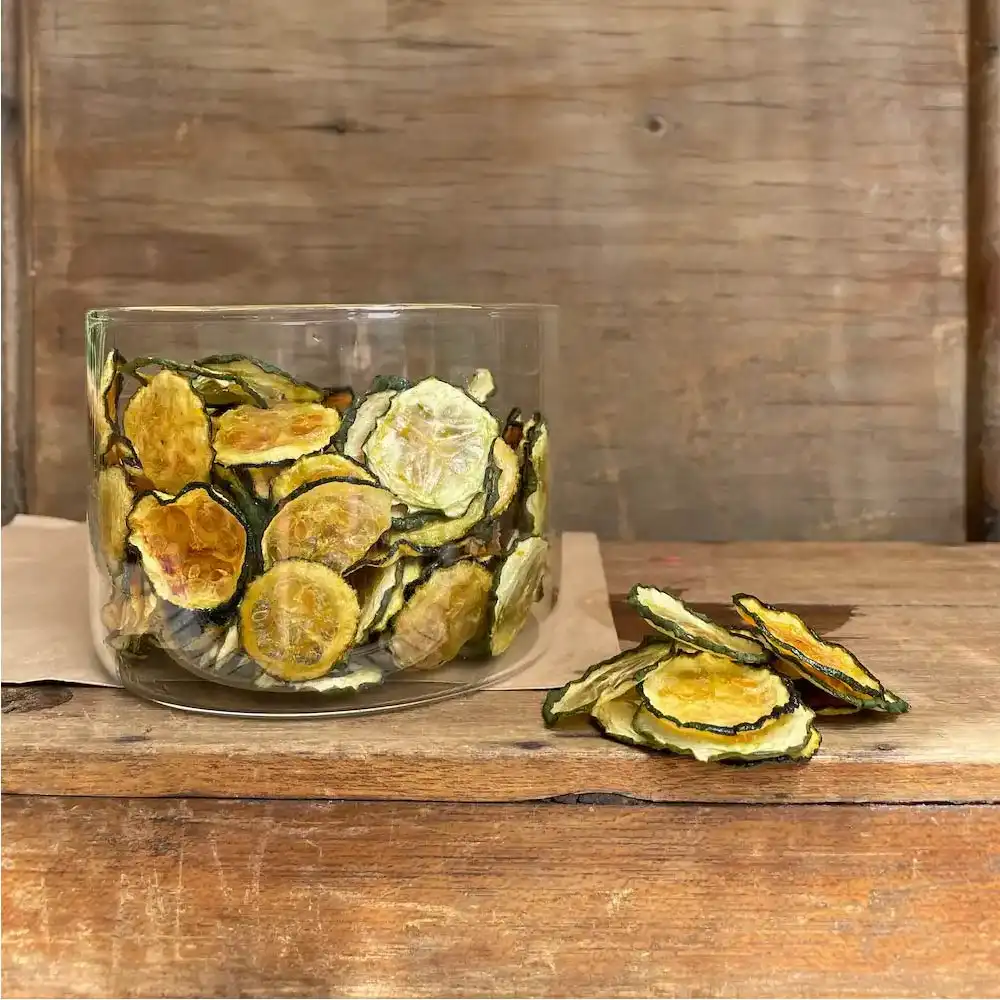
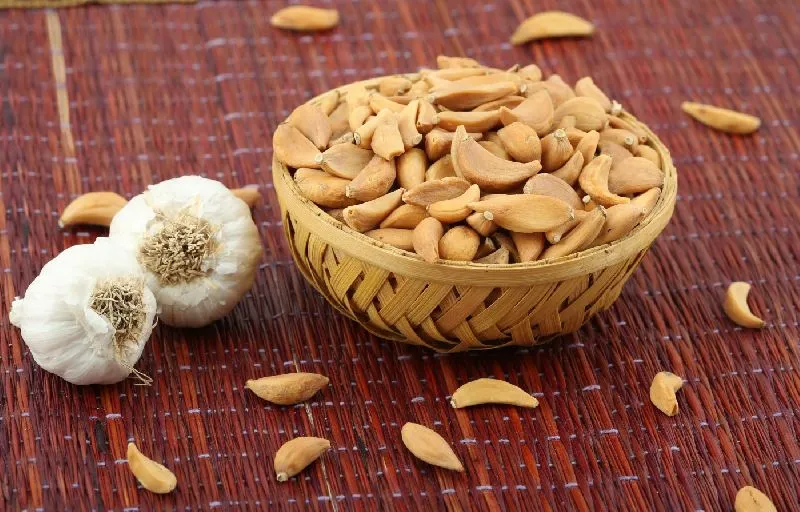
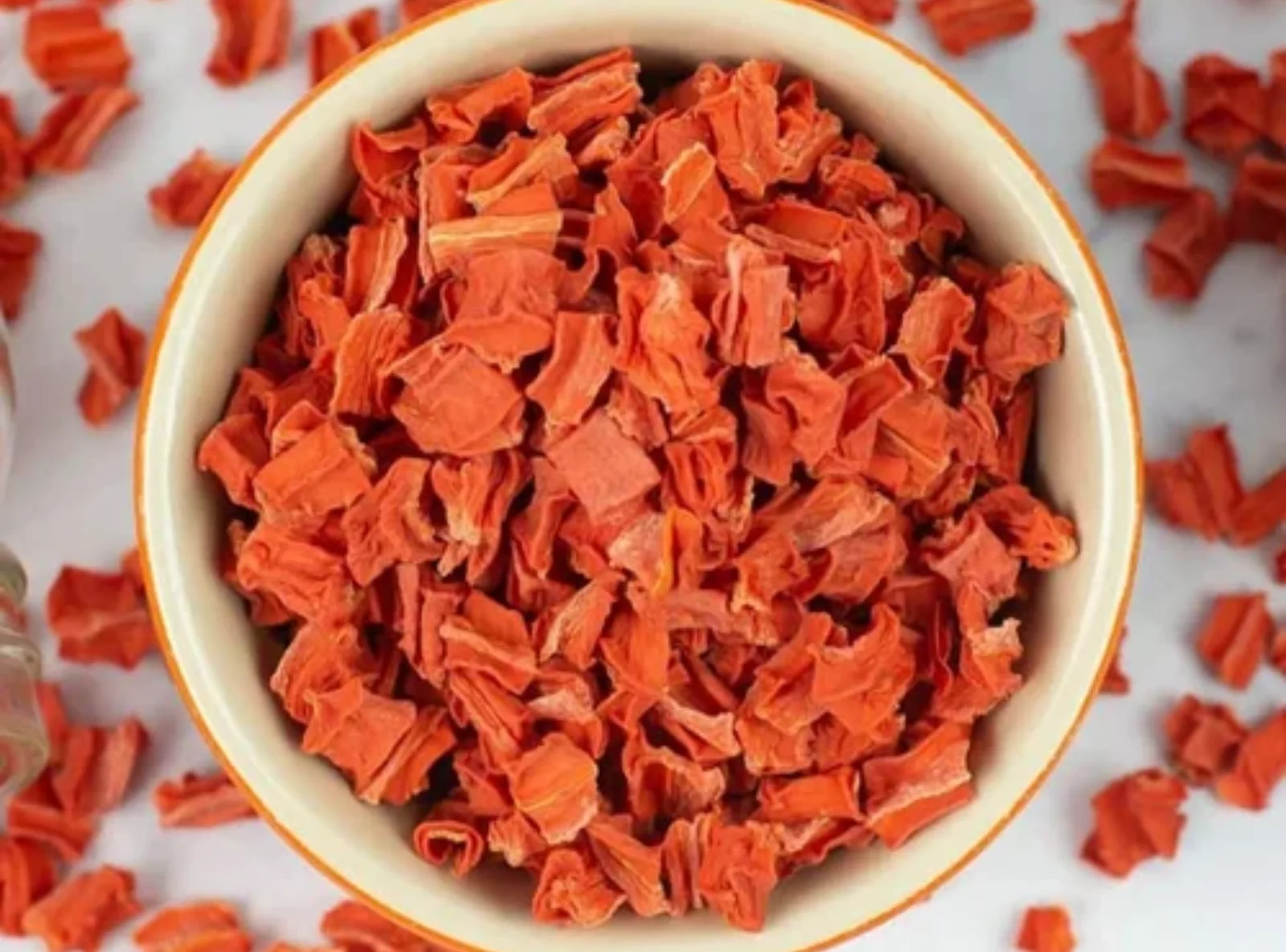
India hosts the listed catalogue of Mevive International, which currently features 16 active products across fruit powders, dehydrated onions, dehydrated garlic, dehydrated carrots, and assorted spice powders. The supplier groups its offerings under broad categories such as Fruit Powder, Dehydrated Onion, Vegetable Powder, Dehydrated Garlic, Dehydrated Vegetables, Dehydrated Carrot and Spices Powder, matching the product titles that appear in its catalogue. Each entry is presented without additional branding or client references, allowing buyers to focus on the specific form - flakes, powders or spray‑dried powders - that suit their formulation needs. The catalogue includes items ranging from Dehydrated Green Chilli Powder to Spray Dried Banana Powder, covering both vegetable and fruit origins. All products are identified by their descriptive names only, without HS‑code listings in the source data, which aligns with standard export listings for bulk food ingredients.
The product list comprises items such as Dehydrated Green Chilli Powder, Dehydrated Red Capsicum Flakes, Spray Dried Beetroot Powder, Spray Dried Mango Powder, Dehydrated Garlic Flakes, Dehydrated Garlic Powder, and a set of onion and carrot powders in both flakes and fine powder forms. Additional entries include Dehydrated Raw Mango Powder, Dehydrated Tamarind Powder, Spray Dried Lemon Powder and Spray Dried Banana Powder, completing the 16‑item portfolio. The range reflects a focus on heat‑stable, low‑moisture powders suitable for seasoning blends, instant soups, and beverage mixes. No further company history, employee numbers or revenue figures are supplied in the source data.
Product Range and Specialties of Mevive International
The catalogue spans two principal processing families: spray‑dried fruit powders and dehydrated vegetable/garlic powders. In the fruit segment, spray drying typically yields powders with moisture levels below 5 % and particle sizes between 150‑300 µm, often graded to ICUMSA 45‑70 for colour and purity, which is the common benchmark for mango, beetroot, lemon and banana powders. Dehydrated vegetable and spice powders such as garlic, onion, carrot and capsicum are usually produced by hot‑air or freeze‑dry methods, delivering moisture contents of 6‑9 % and particle size distributions of 250‑600 µm. Industry standards for these products include limits on total ash (≤ 5 %), microbial counts (≤ 10 CFU/g for coliforms) and pesticide residues that meet Codex limits. Buyers frequently request specifications for colour (Lovibond values), solubility (percentage dissolved in water at 25 °C), and bulk density (0.4‑0.6 g/ml) to ensure consistency in downstream processing.
Typical grades for dehydrated onion and garlic powders are classified as “food‑grade” with specifications such as moisture ≤ 8 %, volatile oil content ≥ 1.5 % for garlic, and onion pungency measured by pyruvic acid content (≥ 30 µmol/g). Carrot powders often target a beta‑carotene content of 8‑12 mg/100 g, while capsicum flakes are evaluated for Scoville heat units (SHU) and colour intensity. These parameters are widely used by processors in the snack, seasoning and beverage industries to match product performance expectations.
Trade and Export Information - Mevive International
India is a major exporter of dehydrated vegetable powders and spray‑dried fruit powders, with shipments typically directed to Europe, the Middle East, North America and Southeast Asia. The relevant HS chapters for these goods are 0904 (vegetables, dehydrated), 0905 (spices and related products) and 2005 (vegetable preparations, fruit powders). Export shipments are commonly packed in 25 kg polypropylene bulk bags, sometimes placed in 20‑ft containers for bulk orders, and shipped under CIF or FOB terms. Buyers usually require evidence of compliance with Indian food safety regulations, namely FSSAI registration, and often request international certifications such as ISO 22000, HACCP or GMP, especially for food‑service and private‑label applications. Indian exporters also need to meet destination country inspections, including EU Rapid Alert System for Food and Feed (RASFF) checks or US FDA prior‑notice filings, which are facilitated by providing full product specifications, lab test reports and origin certificates.
Sourcing from Mevive International - Buyer Guidance
When sourcing from Mevive International, buyers should request the latest FSSAI licence copy, a Certificate of Analysis (CoA) for each batch, and any third‑party lab reports covering moisture, ash, colour, microbial limits and pesticide residues. It is advisable to verify that the product complies with the buyer’s target market standards - for example, EU food law requires limits on heavy metals and specific pesticide residues, while the US FDA references Codex limits. Samples of at least 1 kg per SKU should be obtained before finalizing volume orders, allowing the buyer to conduct in‑house solubility and sensory tests. Buyers should also confirm packaging details, such as inner liners, bag weight tolerance (± 0.5 kg) and labelling requirements for country of origin and batch number.
Frequently Asked Questions About Mevive International
What product formats are offered for the powders?
Mevive International supplies the powders in bulk polypropylene bags, typically 25 kg each, with an inner liner for moisture protection. Some items are also available in 5 kg bags for trial orders, and the packaging complies with ISO 9001‑compatible labelling standards.
What are the typical specifications for Dehydrated Garlic Powder?
The garlic powder is specified with moisture ≤ 8 %, particle size < 500 µm, volatile oil content ≥ 1.5 %, and microbial limits not exceeding 10 CFU/g for coliforms. Colour is measured by Lovibond values, usually around 5R 10Y. Pesticide residues are required to be below Codex maximum residue limits.
Which certifications does Mevive International hold?
The supplied facts do not list any certifications for Mevive International. Buyers should therefore request copies of the supplier’s FSSAI registration, ISO 22000 or HACCP certificates, and any organic or non‑GMO attestations that are relevant to their market.
What is the minimum order quantity (MOQ) for a single SKU?
The standard MOQ is 500 kg per SKU, which can be adjusted based on packaging configuration and buyer’s trial requirements. Smaller quantities may be accommodated for sample shipments, typically 1‑2 kg per product.
What lead time should a buyer expect after order confirmation?
Lead time ranges from 30 to 45 days, covering raw material sourcing, processing, quality testing and packaging. Lead times may extend during peak harvest seasons for fruit powders.
How are the products packaged for international shipment?
Products are packed in 25 kg polypropylene bulk bags with an inner polyethylene liner, stacked on wooden pallets and shrink‑wrapped for container loading. Pallet dimensions follow the standard 1200 mm × 1000 mm size for 20‑ft containers and 1200 mm × 1200 mm for 40‑ft containers.
Which HS codes are applicable to these powders?
Dehydrated vegetable powders such as onion, garlic and carrot fall under HS 0904, while spice powders like capsicum and garlic flakes are classified under HS 0905. Spray‑dried fruit powders such as mango, beetroot and banana are generally assigned to HS 2005.
How can a buyer request a sample?
A buyer should submit a written request naming the specific product, desired sample quantity (normally 1‑2 kg), and the delivery address. The supplier will arrange shipment under a nominal cost, providing a CoA with the sample for verification.




 , India