Agriculture›
 Apparel and fashion accessories›
 Construction & real estate›💡Electronic & Electrical›🍎Food & Beverages›🛋️Home furnishing & supplies›⚗️Industrial goods & chemical›🪨Minerals & metals›📦Miscellaneous›Agriculture›Apparel and fashion accessories›Construction & real estate›💡Electronic & Electrical›🍎Food & Beverages›🛋️Home furnishing & supplies›⚗️Industrial goods & chemical›🪨Minerals & metals›📦Miscellaneous›
Metro Enterprises Product Catalog

About Metro Enterprises - Packaging Items & Containers Supplier in India
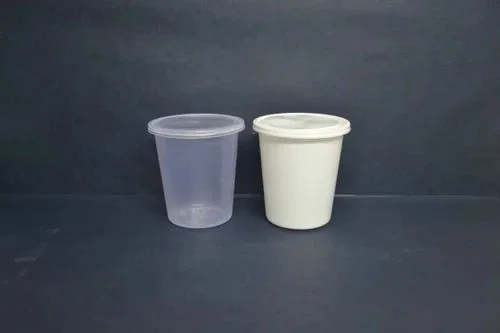
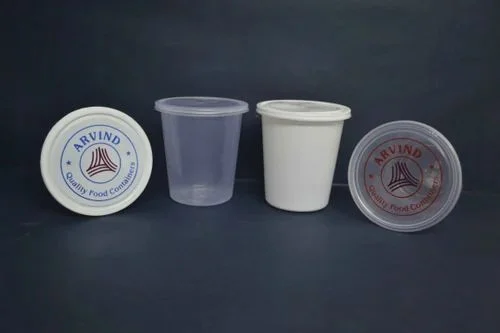
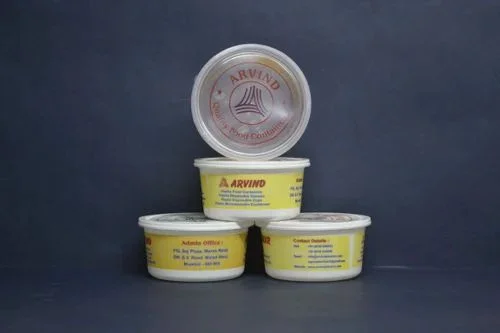
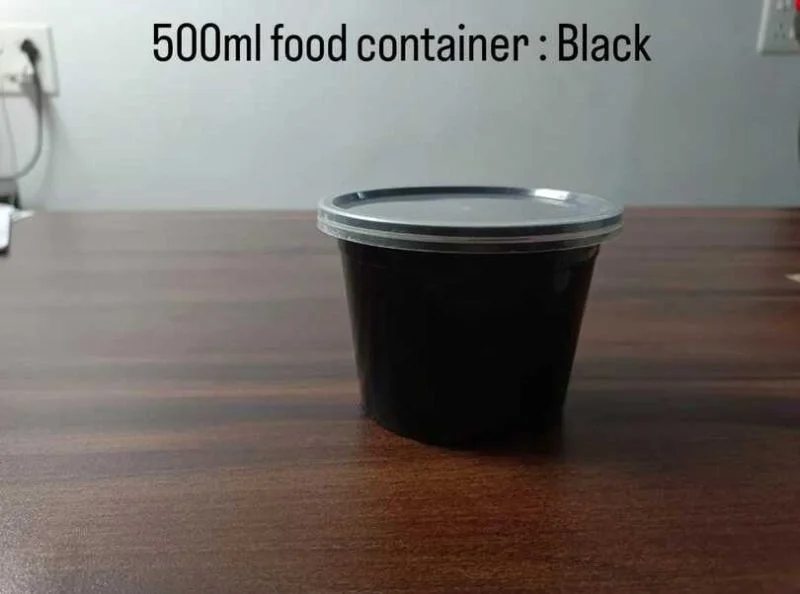
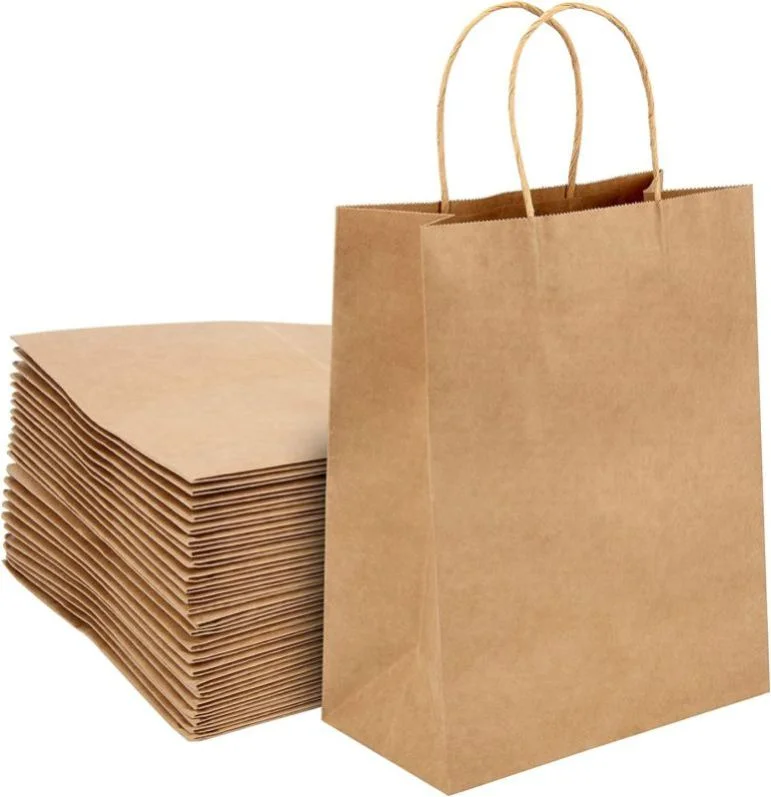
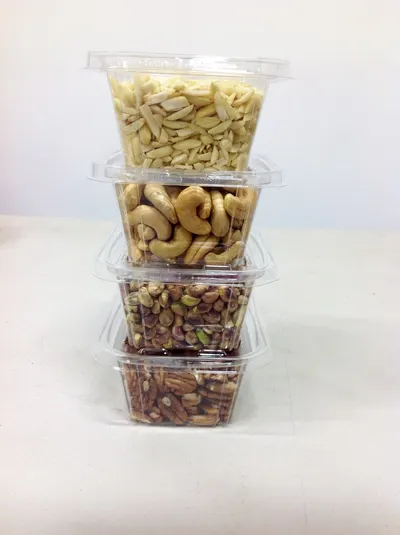
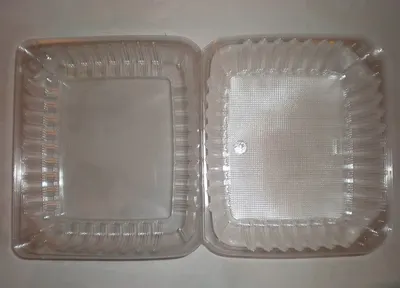
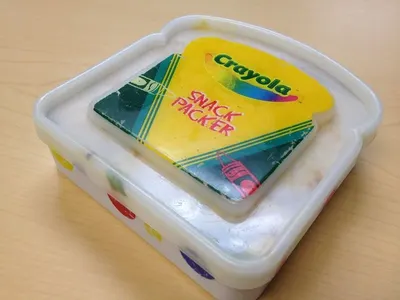
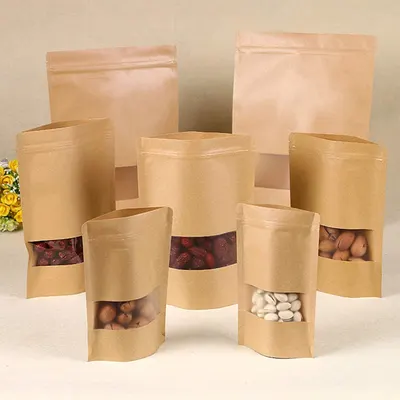
Metro Enterprises is based in India and currently lists seven active products. The catalogue focuses on packaging items and containers, specifically a series of plastic food containers and biodegradable paper bags. The plastic range includes rectangular containers of 1000 ml, 650 ml and 500 ml, as well as round containers of 500 ml, 250 ml and 120 ml. All plastic items are described as food‑grade containers suitable for direct contact with consumables. The paper offering is a biodegradable bag intended for retail or food‑service use.
These items fall under HS chapter 39 for plastic tableware (commonly classified under 3924.90) and HS chapter 48 for paper bags (often under 4819.10). Typical material specifications for the plastic containers are polypropylene or polyethylene with a melt flow index between 5 and 15 g/10 min. Standard dimensions correspond to the listed capacities, with wall thickness generally ranging from 0.5 mm for 120 ml units to 1.2 mm for 1000 ml units. Biodegradable paper bags are usually produced from kraft paper with a basis weight of 70 - 100 gsm and a compostability additive meeting EN 13432. The product set therefore covers both rigid polymer containers and flexible paper packaging within the Indian manufacturing sector.
Product Range and Specialties of Metro Enterprises
Metro Enterprises lists seven products: three rectangular plastic food containers (1000 ml, 650 ml, 500 ml), three round plastic containers (500 ml, 250 ml, 120 ml), and a biodegradable paper bag. The plastic containers are marketed for food storage and delivery, while the paper bag is positioned as an eco‑friendly alternative for packaging.
In the broader packaging market, plastic food containers are frequently manufactured from food‑grade polypropylene (PP) meeting FDA 21 CFR 177.1520 or EU Regulation 1935/2004, with typical melt flow indices of 6 - 12 g/10 min and a clear or colored finish. Round and rectangular shapes allow stacking efficiency, and wall thickness is usually selected to meet a minimum impact resistance of 1 MPa. Biodegradable paper bags are commonly produced from FSC‑certified kraft paper, impregnated with a compostable polymer blend that achieves at least 90 % degradation within 180 days under industrial composting conditions, as defined by EN 13432. Buyers often request test reports for tensile strength (≥15 N for 100 mm width) and moisture resistance (≤8 % moisture content).
Frequently Asked Questions About Metro Enterprises
Which markets does Metro Enterprises primarily export to?
While specific destinations are not listed, Indian packaging exporters commonly serve buyers in North America, the European Union, the Middle East and Southeast Asia, and the same pattern applies to Metro Enterprises' product range.
What material are the plastic food containers made from?
The containers are manufactured from food‑grade polypropylene or polyethylene, materials commonly approved for direct food contact under FDA and EU regulations.
Are the plastic containers suitable for direct food contact?
Yes, the listed containers are described as food‑grade and meet standard migration limits, but buyers should verify the supplier’s food‑contact certification before use.
Which certifications should I request for the plastic containers?
Typical certifications include FDA food‑contact approval, ISO 9001 quality management, and a test report showing compliance with EU Regulation 1935/2004.
How are the biodegradable paper bags tested for compostability?
Buyers should request a compostability test report that meets EN 13432, which demonstrates at least 90 % degradation within 180 days under industrial composting conditions.
 India
Related Suppliers & Products
Explore similar suppliers, related products and trending categories