Mercatofoods Pty Ltd — Verified Supplier

About Mercatofoods Pty Ltd - Beans Supplier in Australia

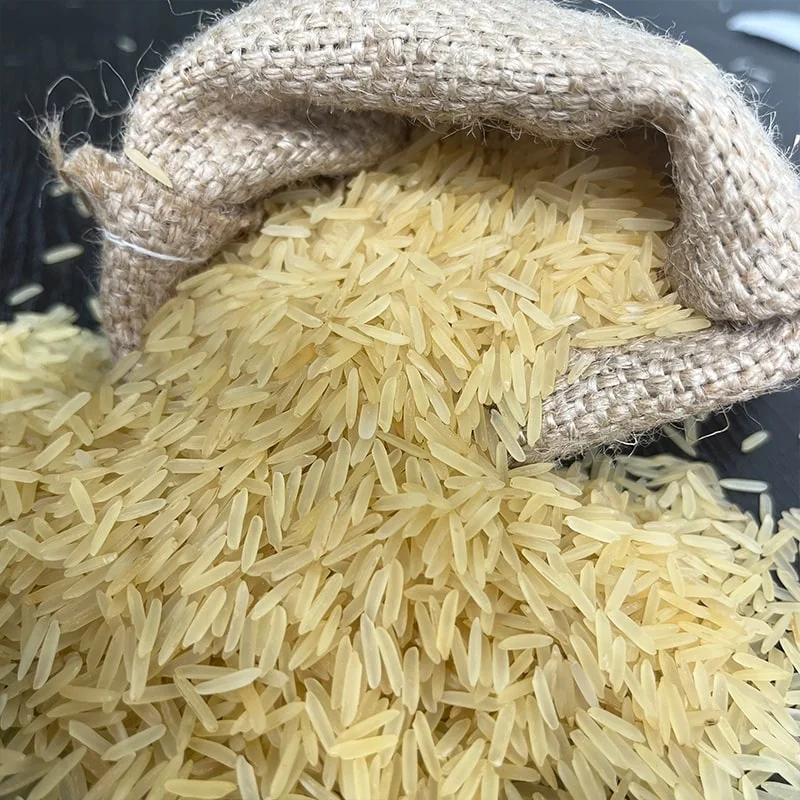
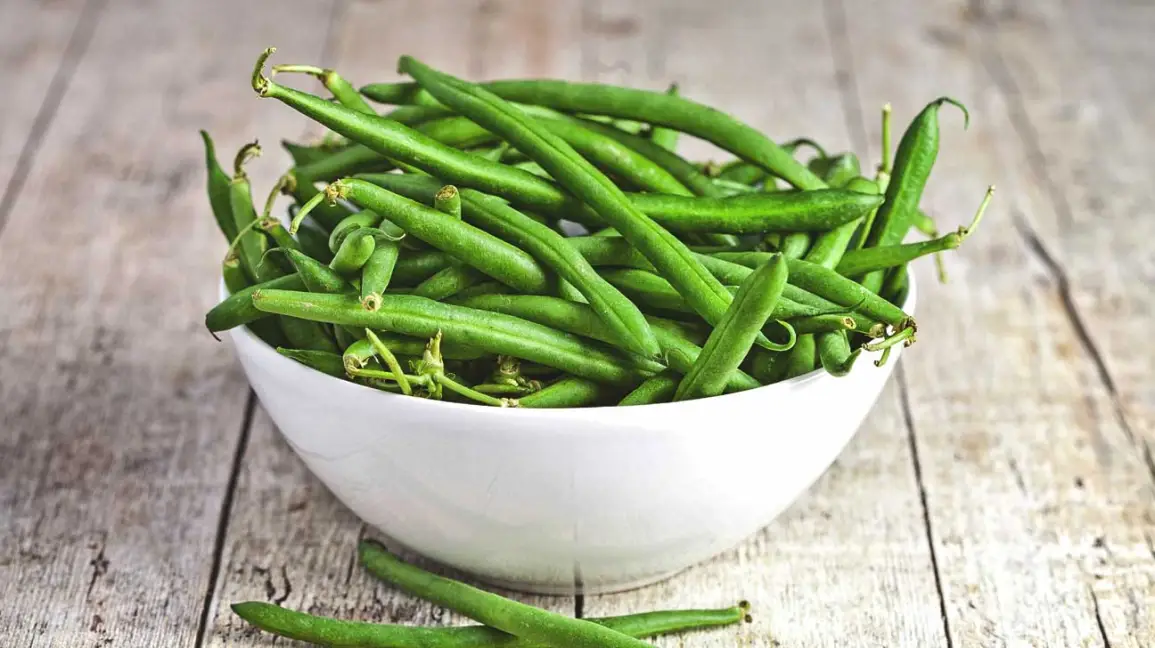
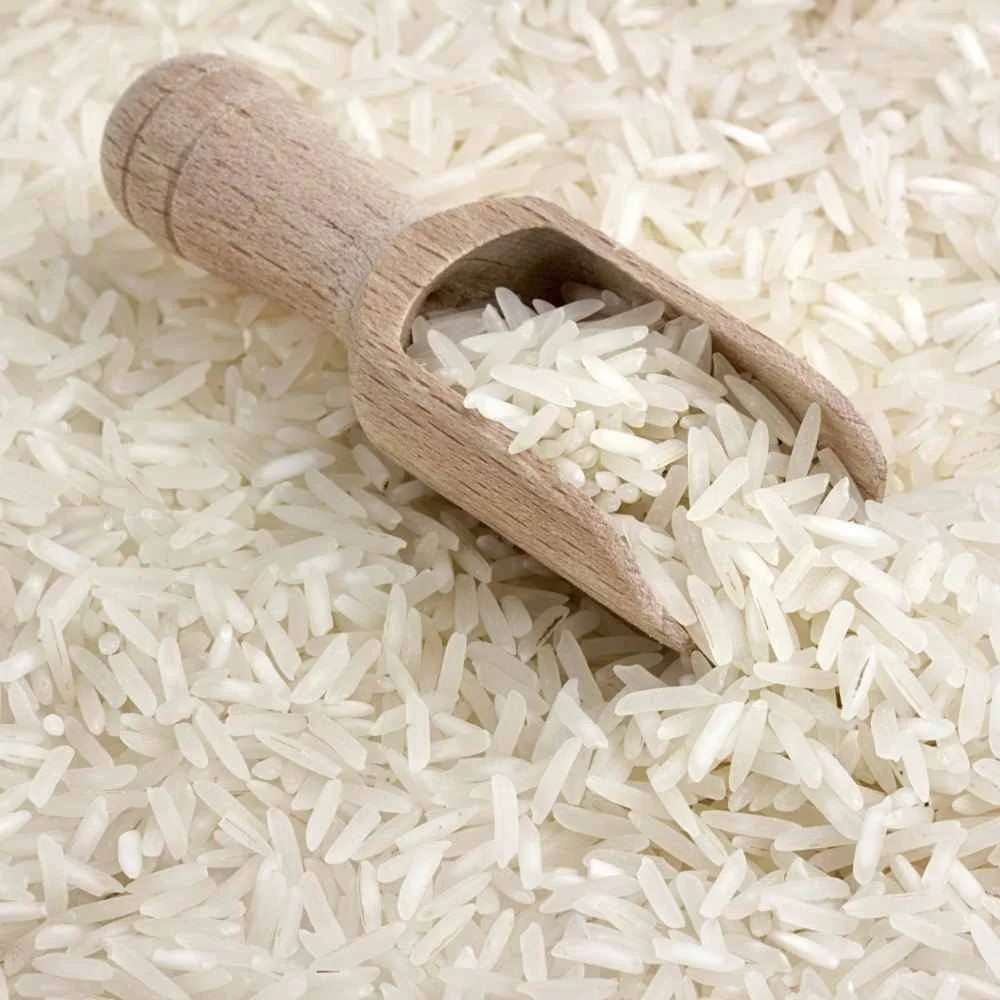
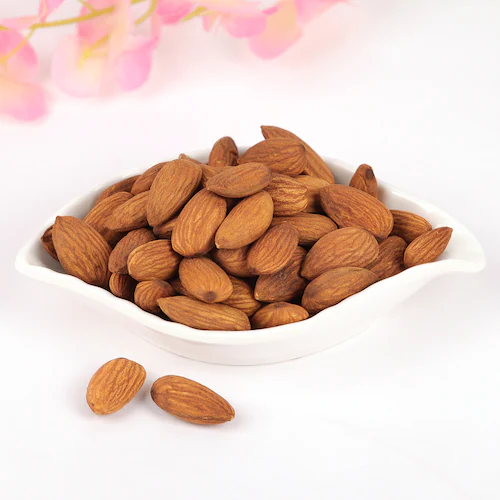
Australia‑based Mercatofoods Pty Ltd lists 63 active products across several food categories. The catalogue covers beans, milk powder, rice, sugar, palm oil, lentils, raisins and fresh meat, reflecting a broad agricultural portfolio. Specific items include Basmati rice (HS 1006.30) classified under long‑grain aromatic rice, Almonds (HS 0802.12) as shelled almond kernels, and Black tea (HS 0902.40) derived from fully fermented Camellia sinensis leaves. Other entries such as cashews, walnuts, pistachios, various meat cuts and multiple milk‑powder types are listed without HS codes in the supplied data. The product set also contains three ICUMSA sugar grades - 45, 100 and 150 - and a range of specialty rice varieties like Jasmine, Japonica and Calrose. The rice segment lists both basmati and non‑basmati types, including Jasmine, Japonica, Calrose and Comolino, each falling under the 1006 HS chapter for milled rice. Nut offerings span cashews, almonds, walnuts, pine nuts, peanuts, hazelnuts, macadamia, pecans, Brazil nuts and pistachios, all typical export commodities from Australia. Meat listings comprise chicken, beef, lamb and goat cuts, while milk‑powder entries cover full‑cream, skimmed and camel varieties. The sugar grades follow the ICUMSA colour scale used globally for refined white sugar. Tea products are represented by Black tea and Green tea, with the former assigned HS 0902.40.

Product Range and Specialties of Mercatofoods Pty Ltd

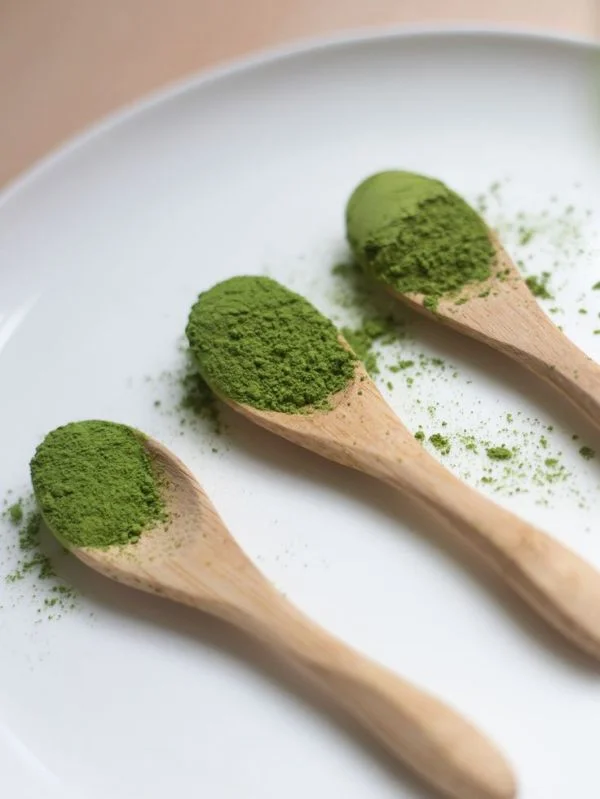
The catalogue’s rice items - Basmati, Jasmine, Japonica, Calrose and Comolino - are normally graded by kernel length (7 - 8 mm for basmati), aroma intensity, moisture content below 14 % and broken grain percentage under 5 %. Australian exporters often meet the Codex Alimentarius standards for pesticide residues and heavy metals in these rice varieties. The nut selection adheres to common specifications such as shelling percentage above 95 %, moisture ≤5 %, and aflatoxin limits of less than 10 ppb, with size grading (e.g., 12 mm + for almonds) used by international buyers. Milk powders are typically produced to meet ISO‑22000 food‑safety protocols, with full‑cream powder containing 26 - 28 % protein, 26 - 27 % fat, and skimmed powder limited to ≤1 % fat and 34 - 36 % protein. Sugar grades ICUMSA 45, 100 and 150 correspond to colour values of 45, 100 and 150 units, respectively, and are commonly inspected for moisture ≤0.05 % and ash content around 0.04 %. Industry practice for tea classifies Black tea under BOP (Broken Orange Pekoe) grades, with leaf size ranging from 2 mm to 6 mm and moisture below 12 %. Green tea is usually sold in bulk leaf or tea‑bag form, with polyphenol content and catechin levels disclosed on the certificate of analysis. These standards, together with the HS‑code families (1006 for rice, 0802 for almonds, 0902 for tea), provide a consistent reference for buyers evaluating Mercatofoods’ product range.

Trade and Export Information - Mercatofoods Pty Ltd

Australia is a recognized source of high‑quality agricultural commodities, and its exporters benefit from established phytosanitary protocols and reliable logistics to the Asia‑Pacific, Middle‑East and European markets. Rice products under HS 1006 are frequently shipped in 25 kg polypropylene bags, loaded at approximately 20 tons per 20‑ft container, while nut consignments use 1 ton bulk bags or 500 kg cartons, often requiring fumigation certificates. Sugar grades classified by ICUMSA are subject to customs inspections that verify colour and moisture values against the certificate of analysis, and buyers typically request ISO 9001 or ISO 22000 compliance. Milk powders are exported in 1 kg tins or 20 kg drum packs, with a standard requirement for a sanitary‑inspection certificate and a certificate of origin to qualify for preferential tariffs under free‑trade agreements. Common buyer‑required certifications include HACCP, FSSC 22000 and, where applicable, organic accreditation; these should be confirmed before contract finalisation.

Sourcing from Mercatofoods Pty Ltd - Buyer Guidance

When sourcing from Mercatofoods, buyers should request a detailed product specification sheet that lists moisture content, grain length, broken percentage for rice, and aflatoxin limits for nuts. A laboratory‑tested Certificate of Analysis covering protein, fat, lactose (for milk powders) and ICUMSA colour values (for sugar) should be obtained prior to shipment. Verification of phytosanitary certificates, origin certificates and any food‑safety system certifications (e.g., ISO 22000, HACCP) is essential to satisfy import‑regulatory requirements. Buyers are advised to confirm packaging dimensions - such as 25 kg rice bags or 500 g tea bags - and to negotiate minimum order quantities that align with container capacities (e.g., 20 tons for rice, 5 tons for nuts). Lead times of 30‑45 days are typical, allowing time for sample approval, documentation preparation and customs clearance.

Frequently Asked Questions About Mercatofoods Pty Ltd

What HS codes apply to Mercatofoods' rice products?

Rice items such as Basmati, Jasmine, Calrose and other milled varieties fall under HS 1006.30 for aromatic rice and HS 1006.90 for non‑aromatic milled rice, as defined by the World Customs Organization.

Which quality specifications should be verified for the nut range?

Buyers should ask for a Certificate of Analysis showing moisture ≤5 %, aflatoxin < 10 ppb, shelling percentage above 95 % and size grading that matches international nut standards.

What documentation is typical for importing the listed milk powders?

Standard documents include a laboratory analysis sheet (protein 26‑28 % for full‑cream, fat ≤1 % for skimmed), a phytosanitary certificate, a certificate of origin and confirmation of food‑safety system compliance such as ISO 22000 or HACCP.

Are there common certifications required for the ICUMSA sugar grades?

Importers usually request a Certificate of Analysis confirming the ICUMSA colour value, moisture ≤0.05 % and compliance with ISO 9001 or ISO 22000 food‑safety schemes.

What packaging formats are used for the tea products?

Black tea and green tea are typically packed in 25 kg jute sacks or 500 g bulk tea bags, complying with HS 0902.40 requirements and allowing efficient container loading.

What are typical lead times and minimum order quantities for the rice line?

Lead times range from 30 to 45 days after order confirmation, with a minimum order of roughly 20 metric tons per shipment, which fits a standard 20‑ft container.

Which markets commonly import Australian fresh meat from suppliers like Mercatofoods?

Middle‑East countries, Southeast Asian nations and several European markets are major importers of Australian chicken, beef, lamb and goat meat, usually classified under HS 0201‑0206 headings.

How should a buyer arrange sample testing for palm‑oil related products?

Although palm oil is listed among Mercatofoods' top categories, buyers should request a sample analysed for free fatty acid content, peroxide value and iodine value, together with a Certificate of Analysis and confirmation of ISO 22000 or HACCP compliance before placing a full order.

Featured Products from this Supplier

Other Suppliers in Primary Category

Top Trusted Suppliers

Related Products

Trending in Parent Category

More Suppliers in Category

Related Products

Other Suppliers

EximNext
58.4K+ live requirements
Register Free🎁 5 free buy-lead credits
Post Requirement
🌍 Trusted by 224.4K+ businesses in 200+ countries|
58.4K+ active requirements right now
✉️ [email protected]
|
Sell on EximNextPost Requirement
EximNext
AgricultureApparelConstructionElectronicFoodHomeIndustrialMineralsMiscellaneous
🔥 Deals|✨ AI Match|🏭 Suppliers|📋 Buy Leads|💰 Trade Finance|⭐ Upgrade
58.4K+ live RFQs·194.5K+ suppliers
🎁 5 free credits →
EximNext
EximNext
Register Free
🎁 5 free buy-lead credits
Sign In
📋Post Requirement💬Get QuotesAI Match📋RFQ Marketplace
All Categories
Services & Tools
🏭Supplier Directory🔥Today's Deals💰Trade FinanceMembership
Sell on EximNext
AboutContactBlogHelp
🏭

Mercatofoods Pty Ltd

Harbor
Country flag , Australia
🛡️
77/100
Trust Score

Mercatofoods Pty Ltd Product Catalog

Showing 12 of 63 products
View all products →
Mustard Oil
Harbor
Mustard Oil
Contact
MOQ: 1 Unit
Rice bran oil
Harbor
Rice bran oil
Contact
MOQ: 1 Unit
Broad Beans
Harbor
Broad Beans
Contact
MOQ: 1 Unit
Panorama millet
Harbor
Panorama millet
Contact
MOQ: 1 Unit
Pinto Beans
Harbor
Pinto Beans
Contact
MOQ: 1 Unit
Borlotti beans
Harbor
Borlotti beans
Contact
MOQ: 1 Unit
Red kidney beans
Harbor
Red kidney beans
Contact
MOQ: 1 Unit
Mung Beans
Harbor
Mung Beans
Contact
MOQ: 1 Unit
Chick Peas
Harbor
Chick Peas
Contact
MOQ: 1 Unit
Lentils
Harbor
Lentils
Contact
MOQ: 1 Unit
Goji berries
Harbor
Goji berries
Contact
MOQ: 1 Unit
Figs
Harbor
Figs
Contact
MOQ: 1 Unit

About Mercatofoods Pty Ltd - Beans Supplier in Australia

Australia‑based Mercatofoods Pty Ltd lists 63 active products across several food categories. The catalogue covers beans, milk powder, rice, sugar, palm oil, lentils, raisins and fresh meat, reflecting a broad agricultural portfolio. Specific items include Basmati rice (HS 1006.30) classified under long‑grain aromatic rice, Almonds (HS 0802.12) as shelled almond kernels, and Black tea (HS 0902.40) derived from fully fermented Camellia sinensis leaves. Other entries such as cashews, walnuts, pistachios, various meat cuts and multiple milk‑powder types are listed without HS codes in the supplied data. The product set also contains three ICUMSA sugar grades - 45, 100 and 150 - and a range of specialty rice varieties like Jasmine, Japonica and Calrose. The rice segment lists both basmati and non‑basmati types, including Jasmine, Japonica, Calrose and Comolino, each falling under the 1006 HS chapter for milled rice. Nut offerings span cashews, almonds, walnuts, pine nuts, peanuts, hazelnuts, macadamia, pecans, Brazil nuts and pistachios, all typical export commodities from Australia. Meat listings comprise chicken, beef, lamb and goat cuts, while milk‑powder entries cover full‑cream, skimmed and camel varieties. The sugar grades follow the ICUMSA colour scale used globally for refined white sugar. Tea products are represented by Black tea and Green tea, with the former assigned HS 0902.40.

Product Range and Specialties of Mercatofoods Pty Ltd

The catalogue’s rice items - Basmati, Jasmine, Japonica, Calrose and Comolino - are normally graded by kernel length (7 - 8 mm for basmati), aroma intensity, moisture content below 14 % and broken grain percentage under 5 %. Australian exporters often meet the Codex Alimentarius standards for pesticide residues and heavy metals in these rice varieties. The nut selection adheres to common specifications such as shelling percentage above 95 %, moisture ≤5 %, and aflatoxin limits of less than 10 ppb, with size grading (e.g., 12 mm + for almonds) used by international buyers. Milk powders are typically produced to meet ISO‑22000 food‑safety protocols, with full‑cream powder containing 26 - 28 % protein, 26 - 27 % fat, and skimmed powder limited to ≤1 % fat and 34 - 36 % protein. Sugar grades ICUMSA 45, 100 and 150 correspond to colour values of 45, 100 and 150 units, respectively, and are commonly inspected for moisture ≤0.05 % and ash content around 0.04 %. Industry practice for tea classifies Black tea under BOP (Broken Orange Pekoe) grades, with leaf size ranging from 2 mm to 6 mm and moisture below 12 %. Green tea is usually sold in bulk leaf or tea‑bag form, with polyphenol content and catechin levels disclosed on the certificate of analysis. These standards, together with the HS‑code families (1006 for rice, 0802 for almonds, 0902 for tea), provide a consistent reference for buyers evaluating Mercatofoods’ product range.

Trade and Export Information - Mercatofoods Pty Ltd

Australia is a recognized source of high‑quality agricultural commodities, and its exporters benefit from established phytosanitary protocols and reliable logistics to the Asia‑Pacific, Middle‑East and European markets. Rice products under HS 1006 are frequently shipped in 25 kg polypropylene bags, loaded at approximately 20 tons per 20‑ft container, while nut consignments use 1 ton bulk bags or 500 kg cartons, often requiring fumigation certificates. Sugar grades classified by ICUMSA are subject to customs inspections that verify colour and moisture values against the certificate of analysis, and buyers typically request ISO 9001 or ISO 22000 compliance. Milk powders are exported in 1 kg tins or 20 kg drum packs, with a standard requirement for a sanitary‑inspection certificate and a certificate of origin to qualify for preferential tariffs under free‑trade agreements. Common buyer‑required certifications include HACCP, FSSC 22000 and, where applicable, organic accreditation; these should be confirmed before contract finalisation.

Sourcing from Mercatofoods Pty Ltd - Buyer Guidance

When sourcing from Mercatofoods, buyers should request a detailed product specification sheet that lists moisture content, grain length, broken percentage for rice, and aflatoxin limits for nuts. A laboratory‑tested Certificate of Analysis covering protein, fat, lactose (for milk powders) and ICUMSA colour values (for sugar) should be obtained prior to shipment. Verification of phytosanitary certificates, origin certificates and any food‑safety system certifications (e.g., ISO 22000, HACCP) is essential to satisfy import‑regulatory requirements. Buyers are advised to confirm packaging dimensions - such as 25 kg rice bags or 500 g tea bags - and to negotiate minimum order quantities that align with container capacities (e.g., 20 tons for rice, 5 tons for nuts). Lead times of 30‑45 days are typical, allowing time for sample approval, documentation preparation and customs clearance.

Frequently Asked Questions About Mercatofoods Pty Ltd

What HS codes apply to Mercatofoods' rice products?

Rice items such as Basmati, Jasmine, Calrose and other milled varieties fall under HS 1006.30 for aromatic rice and HS 1006.90 for non‑aromatic milled rice, as defined by the World Customs Organization.

Which quality specifications should be verified for the nut range?

Buyers should ask for a Certificate of Analysis showing moisture ≤5 %, aflatoxin < 10 ppb, shelling percentage above 95 % and size grading that matches international nut standards.

What documentation is typical for importing the listed milk powders?

Standard documents include a laboratory analysis sheet (protein 26‑28 % for full‑cream, fat ≤1 % for skimmed), a phytosanitary certificate, a certificate of origin and confirmation of food‑safety system compliance such as ISO 22000 or HACCP.

Are there common certifications required for the ICUMSA sugar grades?

Importers usually request a Certificate of Analysis confirming the ICUMSA colour value, moisture ≤0.05 % and compliance with ISO 9001 or ISO 22000 food‑safety schemes.

What packaging formats are used for the tea products?

Black tea and green tea are typically packed in 25 kg jute sacks or 500 g bulk tea bags, complying with HS 0902.40 requirements and allowing efficient container loading.

What are typical lead times and minimum order quantities for the rice line?

Lead times range from 30 to 45 days after order confirmation, with a minimum order of roughly 20 metric tons per shipment, which fits a standard 20‑ft container.

Which markets commonly import Australian fresh meat from suppliers like Mercatofoods?

Middle‑East countries, Southeast Asian nations and several European markets are major importers of Australian chicken, beef, lamb and goat meat, usually classified under HS 0201‑0206 headings.

How should a buyer arrange sample testing for palm‑oil related products?

Although palm oil is listed among Mercatofoods' top categories, buyers should request a sample analysed for free fatty acid content, peroxide value and iodine value, together with a Certificate of Analysis and confirmation of ISO 22000 or HACCP compliance before placing a full order.

About Mercatofoods Pty Ltd - Beans Supplier in Australia

Australia‑based Mercatofoods Pty Ltd lists 63 active products across several food categories. The catalogue covers beans, milk powder, rice, sugar, palm oil, lentils, raisins and fresh meat, reflecting a broad agricultural portfolio. Specific items include Basmati rice (HS 1006.30) classified under long‑grain aromatic rice, Almonds (HS 0802.12) as shelled almond kernels, and Black tea (HS 0902.40) derived from fully fermented Camellia sinensis leaves. Other entries such as cashews, walnuts, pistachios, various meat cuts and multiple milk‑powder types are listed without HS codes in the supplied data. The product set also contains three ICUMSA sugar grades - 45, 100 and 150 - and a range of specialty rice varieties like Jasmine, Japonica and Calrose. The rice segment lists both basmati and non‑basmati types, including Jasmine, Japonica, Calrose and Comolino, each falling under the 1006 HS chapter for milled rice. Nut offerings span cashews, almonds, walnuts, pine nuts, peanuts, hazelnuts, macadamia, pecans, Brazil nuts and pistachios, all typical export commodities from Australia. Meat listings comprise chicken, beef, lamb and goat cuts, while milk‑powder entries cover full‑cream, skimmed and camel varieties. The sugar grades follow the ICUMSA colour scale used globally for refined white sugar. Tea products are represented by Black tea and Green tea, with the former assigned HS 0902.40.

Product Range and Specialties of Mercatofoods Pty Ltd

The catalogue’s rice items - Basmati, Jasmine, Japonica, Calrose and Comolino - are normally graded by kernel length (7 - 8 mm for basmati), aroma intensity, moisture content below 14 % and broken grain percentage under 5 %. Australian exporters often meet the Codex Alimentarius standards for pesticide residues and heavy metals in these rice varieties. The nut selection adheres to common specifications such as shelling percentage above 95 %, moisture ≤5 %, and aflatoxin limits of less than 10 ppb, with size grading (e.g., 12 mm + for almonds) used by international buyers. Milk powders are typically produced to meet ISO‑22000 food‑safety protocols, with full‑cream powder containing 26 - 28 % protein, 26 - 27 % fat, and skimmed powder limited to ≤1 % fat and 34 - 36 % protein. Sugar grades ICUMSA 45, 100 and 150 correspond to colour values of 45, 100 and 150 units, respectively, and are commonly inspected for moisture ≤0.05 % and ash content around 0.04 %. Industry practice for tea classifies Black tea under BOP (Broken Orange Pekoe) grades, with leaf size ranging from 2 mm to 6 mm and moisture below 12 %. Green tea is usually sold in bulk leaf or tea‑bag form, with polyphenol content and catechin levels disclosed on the certificate of analysis. These standards, together with the HS‑code families (1006 for rice, 0802 for almonds, 0902 for tea), provide a consistent reference for buyers evaluating Mercatofoods’ product range.

Trade and Export Information - Mercatofoods Pty Ltd

Australia is a recognized source of high‑quality agricultural commodities, and its exporters benefit from established phytosanitary protocols and reliable logistics to the Asia‑Pacific, Middle‑East and European markets. Rice products under HS 1006 are frequently shipped in 25 kg polypropylene bags, loaded at approximately 20 tons per 20‑ft container, while nut consignments use 1 ton bulk bags or 500 kg cartons, often requiring fumigation certificates. Sugar grades classified by ICUMSA are subject to customs inspections that verify colour and moisture values against the certificate of analysis, and buyers typically request ISO 9001 or ISO 22000 compliance. Milk powders are exported in 1 kg tins or 20 kg drum packs, with a standard requirement for a sanitary‑inspection certificate and a certificate of origin to qualify for preferential tariffs under free‑trade agreements. Common buyer‑required certifications include HACCP, FSSC 22000 and, where applicable, organic accreditation; these should be confirmed before contract finalisation.

Sourcing from Mercatofoods Pty Ltd - Buyer Guidance

When sourcing from Mercatofoods, buyers should request a detailed product specification sheet that lists moisture content, grain length, broken percentage for rice, and aflatoxin limits for nuts. A laboratory‑tested Certificate of Analysis covering protein, fat, lactose (for milk powders) and ICUMSA colour values (for sugar) should be obtained prior to shipment. Verification of phytosanitary certificates, origin certificates and any food‑safety system certifications (e.g., ISO 22000, HACCP) is essential to satisfy import‑regulatory requirements. Buyers are advised to confirm packaging dimensions - such as 25 kg rice bags or 500 g tea bags - and to negotiate minimum order quantities that align with container capacities (e.g., 20 tons for rice, 5 tons for nuts). Lead times of 30‑45 days are typical, allowing time for sample approval, documentation preparation and customs clearance.

Frequently Asked Questions About Mercatofoods Pty Ltd
What HS codes apply to Mercatofoods' rice products?
Rice items such as Basmati, Jasmine, Calrose and other milled varieties fall under HS 1006.30 for aromatic rice and HS 1006.90 for non‑aromatic milled rice, as defined by the World Customs Organization.
Which quality specifications should be verified for the nut range?
Buyers should ask for a Certificate of Analysis showing moisture ≤5 %, aflatoxin < 10 ppb, shelling percentage above 95 % and size grading that matches international nut standards.
What documentation is typical for importing the listed milk powders?
Standard documents include a laboratory analysis sheet (protein 26‑28 % for full‑cream, fat ≤1 % for skimmed), a phytosanitary certificate, a certificate of origin and confirmation of food‑safety system compliance such as ISO 22000 or HACCP.
Are there common certifications required for the ICUMSA sugar grades?
Importers usually request a Certificate of Analysis confirming the ICUMSA colour value, moisture ≤0.05 % and compliance with ISO 9001 or ISO 22000 food‑safety schemes.
What packaging formats are used for the tea products?
Black tea and green tea are typically packed in 25 kg jute sacks or 500 g bulk tea bags, complying with HS 0902.40 requirements and allowing efficient container loading.
What are typical lead times and minimum order quantities for the rice line?
Lead times range from 30 to 45 days after order confirmation, with a minimum order of roughly 20 metric tons per shipment, which fits a standard 20‑ft container.
Which markets commonly import Australian fresh meat from suppliers like Mercatofoods?
Middle‑East countries, Southeast Asian nations and several European markets are major importers of Australian chicken, beef, lamb and goat meat, usually classified under HS 0201‑0206 headings.
How should a buyer arrange sample testing for palm‑oil related products?
Although palm oil is listed among Mercatofoods' top categories, buyers should request a sample analysed for free fatty acid content, peroxide value and iodine value, together with a Certificate of Analysis and confirmation of ISO 22000 or HACCP compliance before placing a full order.

🏭
Mercatofoods Pty Ltd
Country flag , Australia
Harbor
77/100
Trust Score
📦
63
Products
Free to contact — no commission
Escrow payment available
Verified business identity
Compare more suppliers
Post a requirement — get 10 quotes free
Let verified suppliers compete for your business. Free, fast, no commitment.
EximNext Verified Supplier
Business identity verified
Physical address confirmed
Financial history checked
Certifications authenticated
Trade references validated
Due Diligence
Verify this supplier's real shipping history.
Every shipment, every buyer, every port. Trade data that can't be faked.
Run due diligence →
Discover More

Related Suppliers & Products

Explore similar suppliers, related products and trending categories

Featured Products from this Supplier

Other Suppliers in Primary Category

Top Trusted Suppliers

Related Products

Trending in Parent Category

More Suppliers in Category

Stay ahead in global trade
Weekly market insights & new supplier alerts.
EximNext
Exim Next is a leading global B2B marketplace, connecting over 205,000 verified suppliers and buyers across 200+ countries. As a trusted import export marketplace, it serves as the essential B2B portal for businesses worldwide, empowering them to expand their international reach. With Exim Next, businesses can trade smarter and grow faster.
SECURE PAYMENTS
VISAMastercardPayPalSWIFTL/CEscrow
Follow us
© 2026 EximNext