Agriculture›
 Apparel and fashion accessories›
 Construction & real estate›💡Electronic & Electrical›🍎Food & Beverages›🛋️Home furnishing & supplies›⚗️Industrial goods & chemical›🪨Minerals & metals›📦Miscellaneous›Agriculture›Apparel and fashion accessories›Construction & real estate›💡Electronic & Electrical›🍎Food & Beverages›🛋️Home furnishing & supplies›⚗️Industrial goods & chemical›🪨Minerals & metals›📦Miscellaneous›
Mateks Gst Trade Ltd. Product Catalog

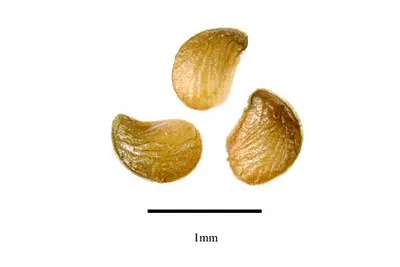

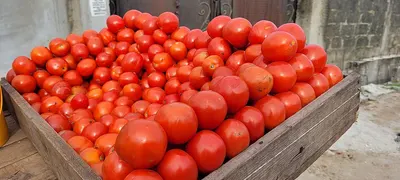
About Mateks Gst Trade Ltd. - Apricot Supplier in Turkey
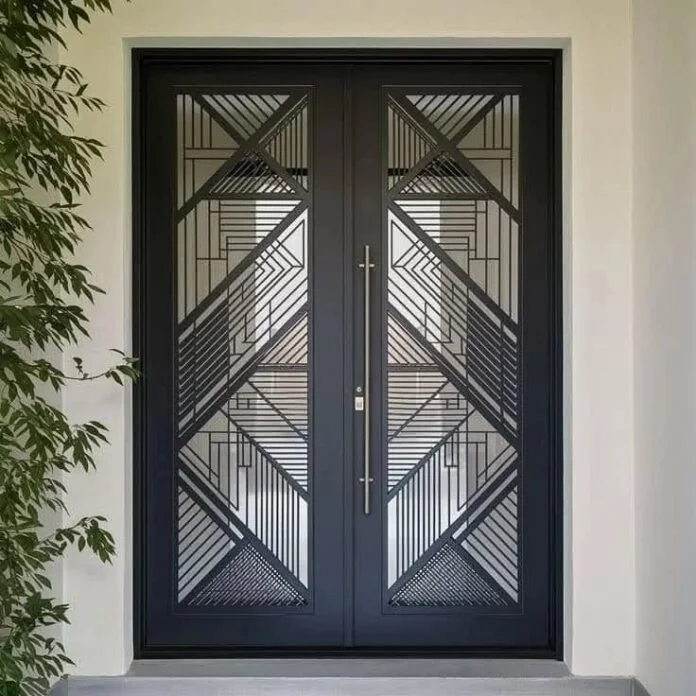
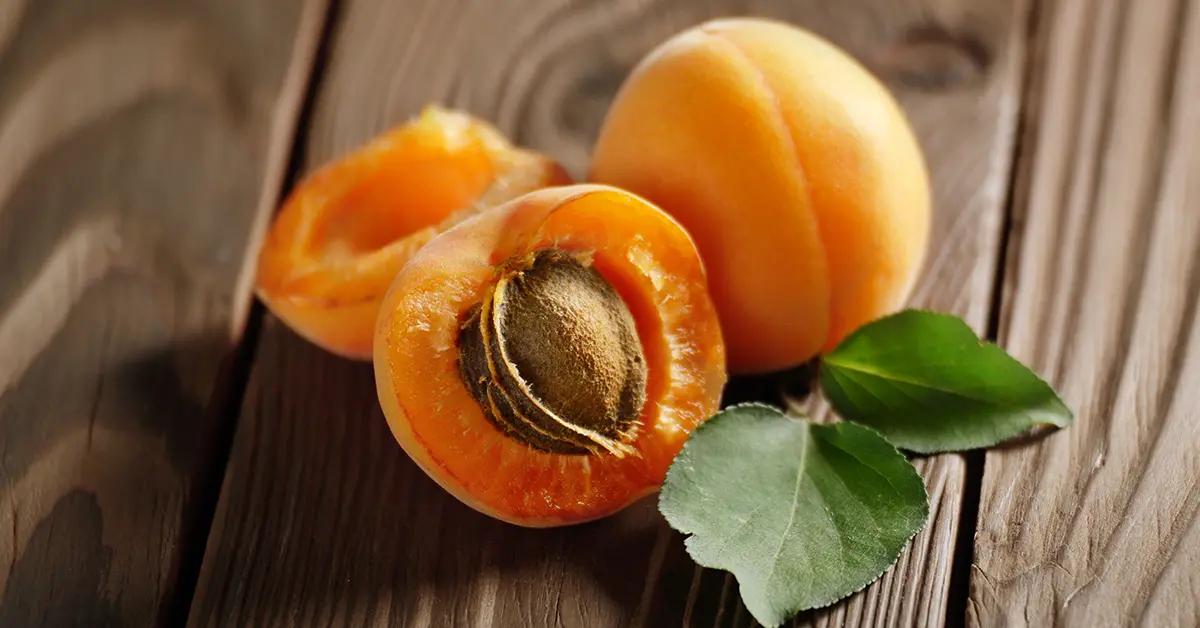
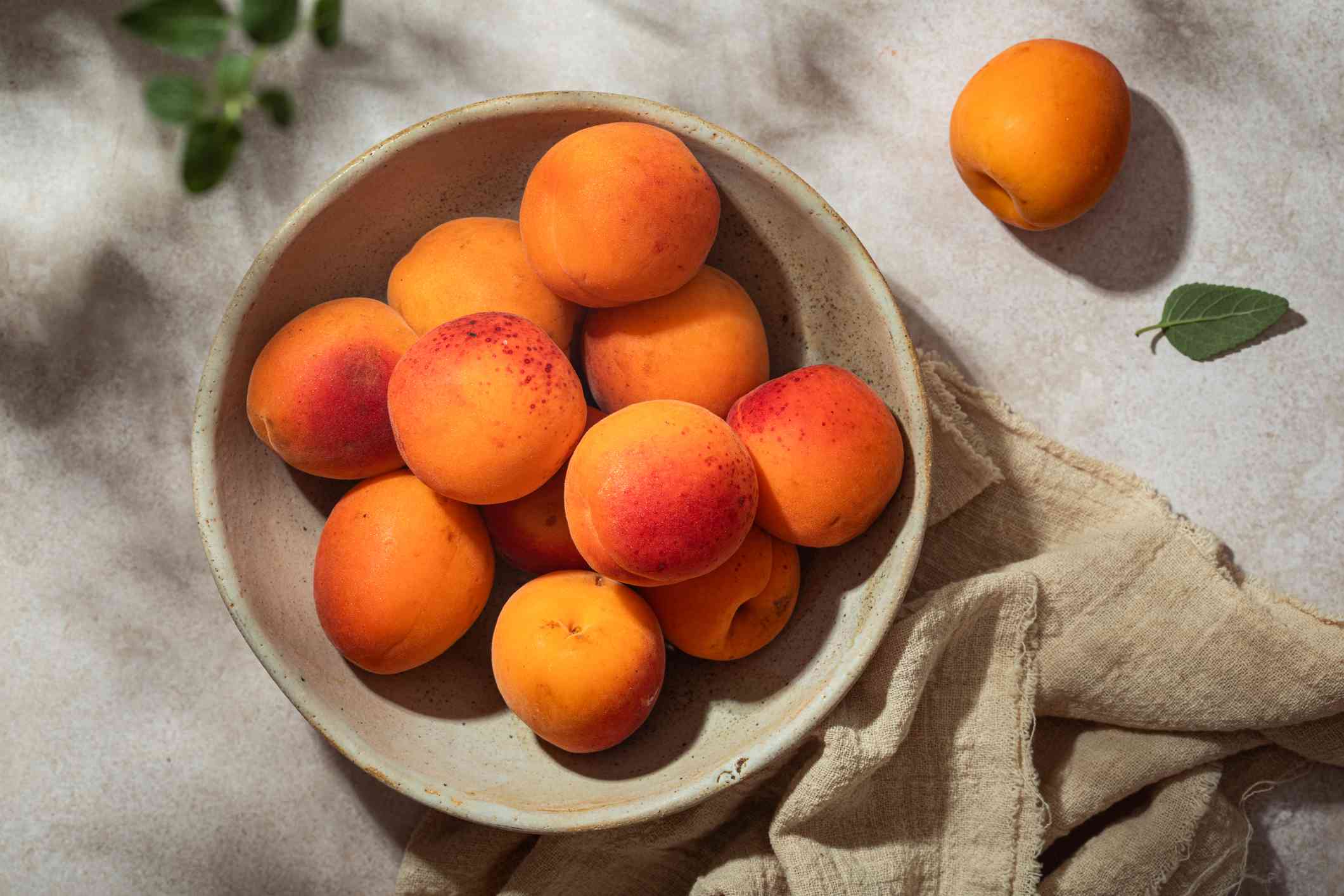
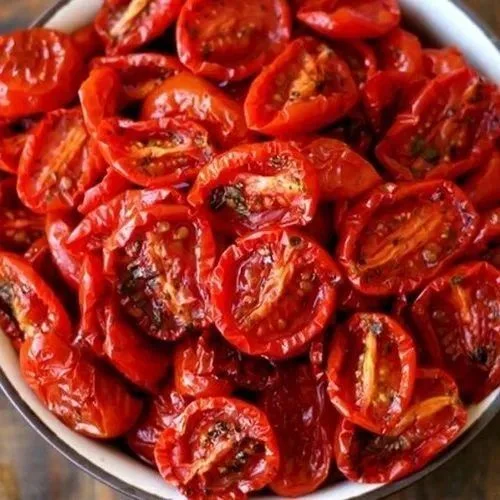
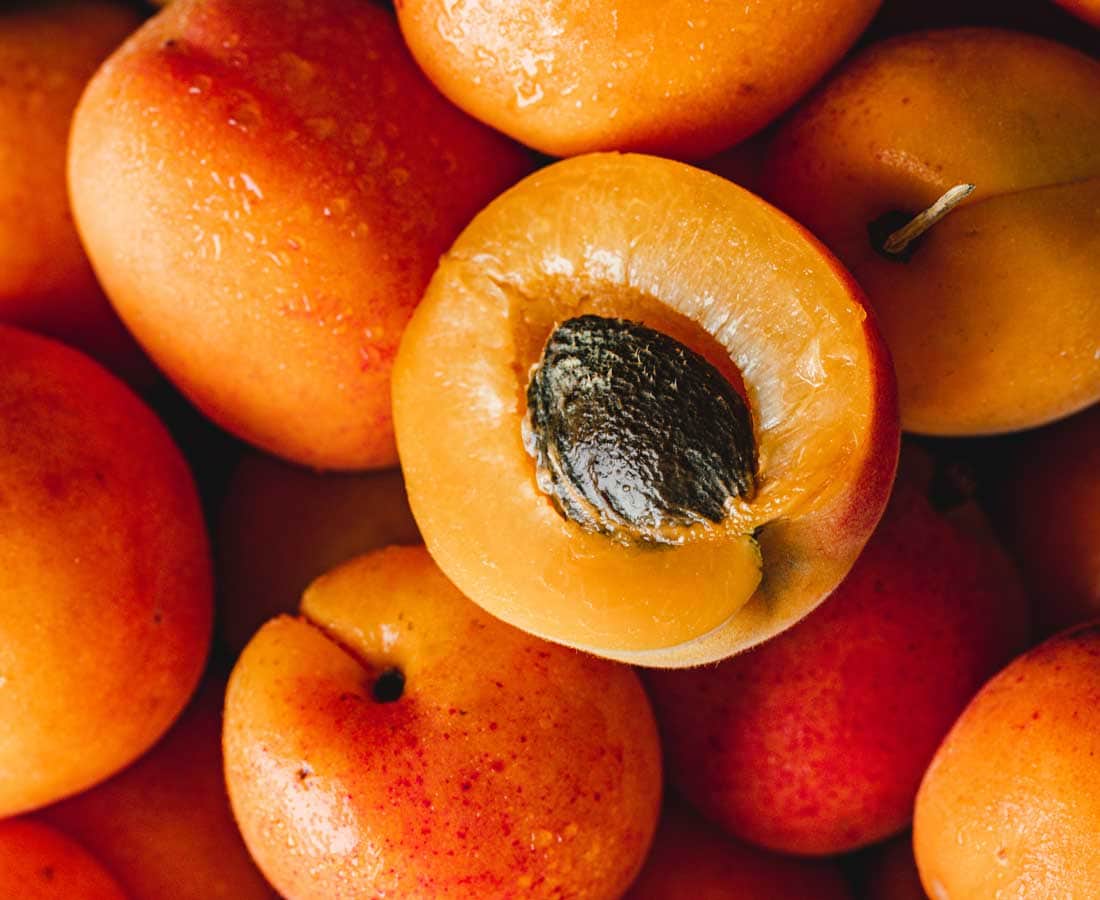
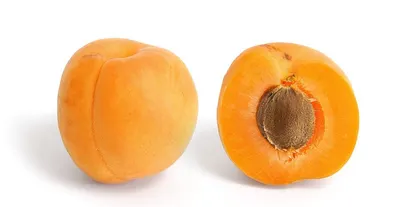
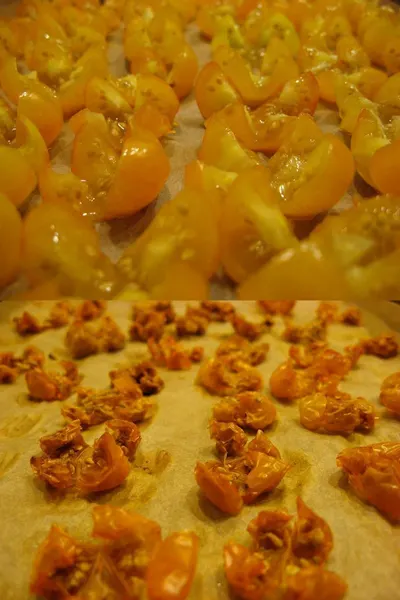
Mateks Gst Trade Ltd. is based in Turkey and lists seven active products across food and hardware categories. The catalogue includes Apricot Kernel (HS 1212.99, dried natural kernels), Edible or Cooking Oil, Tomato Paste, Dried Apricots (HS 0813.40, whole dried Prunus armeniaca), Fresh Apricot (HS 0813.10, fresh or sundried fruit), metal and PVC Doors (HS 7308.30) and Sundried Tomato. The product set spans the HS code families 1212, 0813, 1515 (vegetable oil) and 7308, covering both agricultural and metalwork commodities. Each entry specifies material type where available, such as metal, PVC, glass panels for doors.
The food items are typical export commodities from Turkey, where apricot kernels are processed for confectionery and oil extraction, and tomato derivatives are used in sauces and culinary applications. The hardware entry focuses on metal and PVC doors with optional glass and granite lamination, a segment commonly supplied to construction projects. The supplier’s trust tier is listed as harbor, indicating a moderate level of verification within the platform. No additional company history or capacity figures are provided.
Product Range and Specialties of Mateks Gst Trade Ltd.
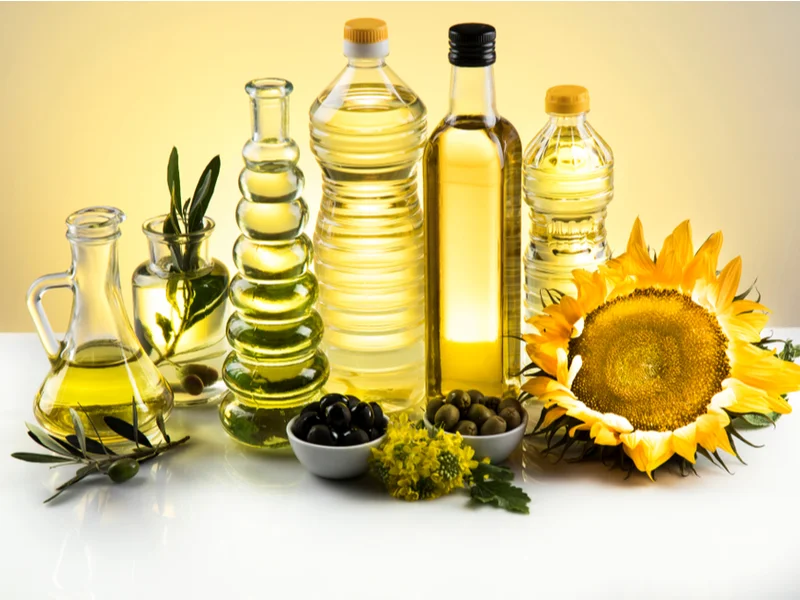
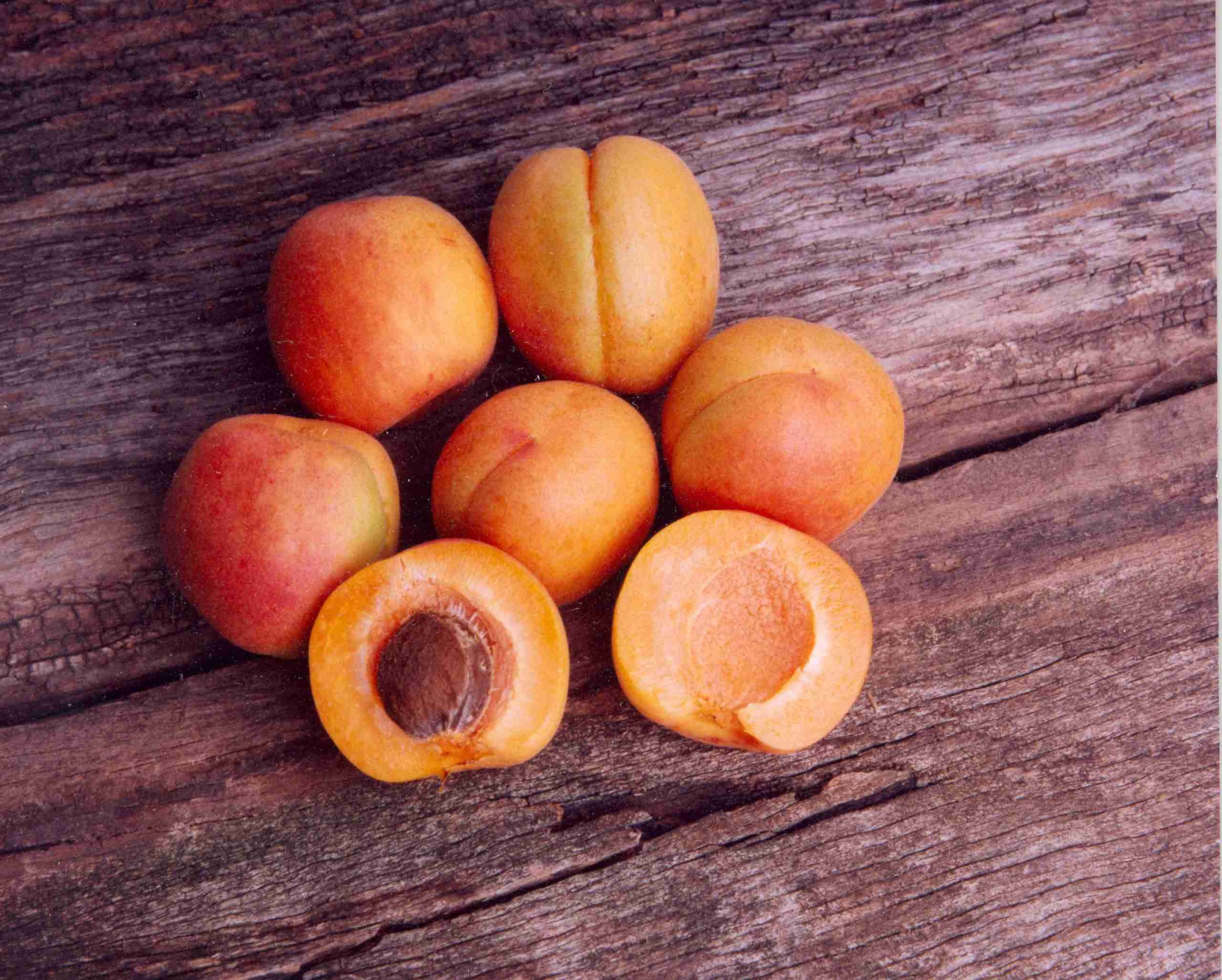
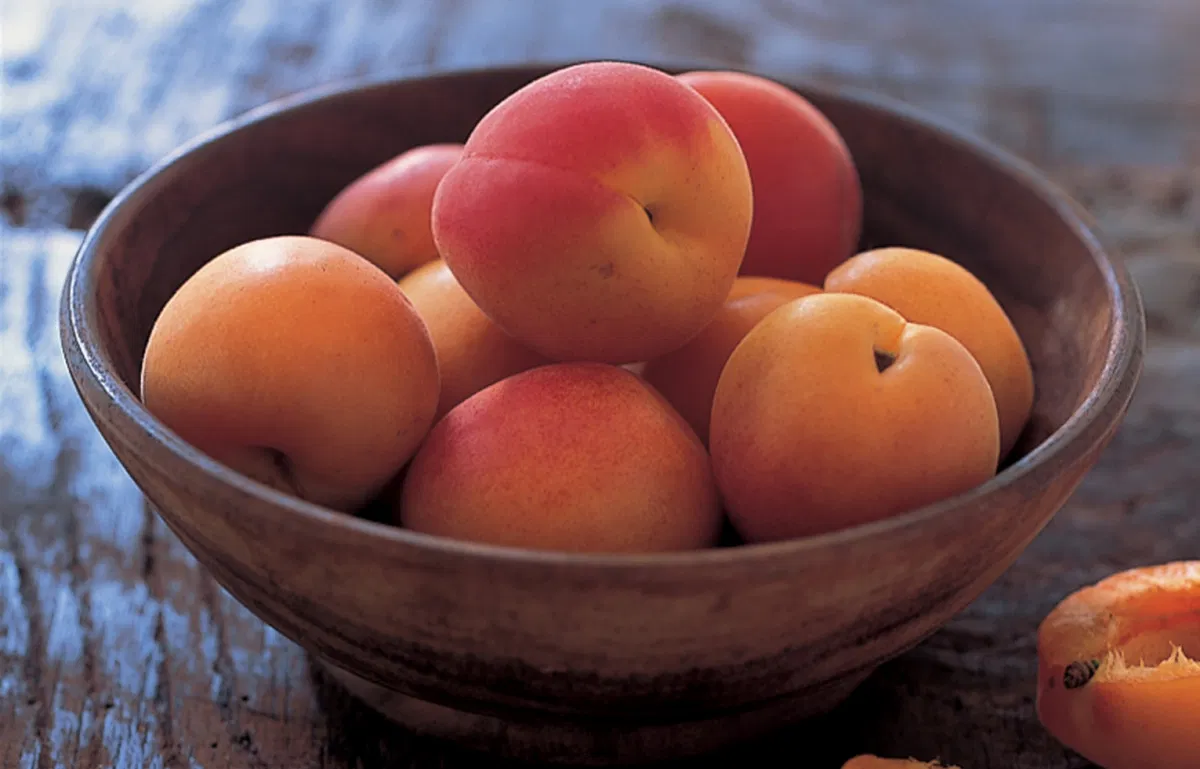
The listed foods comprise Apricot Kernel, Dried Apricots, Fresh Apricot, Sundried Tomato, Tomato Paste and an Edible or Cooking Oil. In the market, apricot kernels are graded by size (6‑12 mm), moisture content below 10 % and free from foreign matter; dried apricots typically have moisture under 12 % and sugar content of 50‑55 %. Fresh apricots are evaluated for size 30‑45 mm, soluble solids 9‑12 % Brix, and a shelf life of 7‑10 days when chilled. Tomato paste is usually required to meet Brix 24‑30 %, total acidity under 0.5 % and salt 6‑8 %, packed in 20 kg drums or 5 kg cans. Vegetable oil specifications often include free fatty acid < 0.1 %, peroxide value < 10 meq/kg, iodine value 85‑95 and flash point > 220 °C, with ISO 22000 food safety certification. The Doors product falls under HS 7308.30 and is typically fabricated from steel or PVC profiles with glass inserts, complying with CE marking, EN 14351 safety standards and often carrying ISO 9001 quality management certification.
Frequently Asked Questions About Mateks Gst Trade Ltd.
Which markets does Mateks Gst Trade Ltd. primarily serve?
The supplier’s catalogue does not list specific destinations, but Turkish exporters of apricot, oil and tomato products commonly supply the EU, the Middle East and North Africa, while doors are typically shipped to regional construction markets.
What HS codes are used for the apricot products?
Apricot Kernel is classified under HS 1212.99, Dried Apricots under HS 0813.40 and Fresh Apricot (including dehydrated/sundried) under HS 0813.10. These codes are standard for apricot‑related fruit and seed exports.
Which quality tests are standard for the edible oil?
Buyers typically request a certificate of analysis showing free fatty acid < 0.1 %, peroxide value < 10 meq/kg, iodine value 85‑95 and a flash point above 220 °C. Compliance with ISO 22000 or HACCP is also commonly required.
What packaging formats are typical for tomato paste?
Tomato paste is most often packed in 20 kg metal drums or 5 kg food‑grade cans, sealed for transport in standard 20‑ft containers. The packaging must meet food‑contact safety standards.
What certifications should I request for the food items?
Standard documentation includes a phytosanitary certificate, a certificate of origin, an ISO 22000 or HACCP audit report, and, if the product is marketed as organic, an EU organic certificate.
 Turkey
Related Suppliers & Products
Explore similar suppliers, related products and trending categories