Luminescent Chemicals — Verified Supplier
About Luminescent Chemicals - Industrial Chemicals Supplier in India
India, supplier Luminescent Chemicals lists 51 active products spanning industrial chemicals, chemicals & allied products, agriculture, and mercury compounds. The catalogue includes inorganic salts such as Mercury(II) sulfate (HS 2852.10) and Mercury(II) bromide (HS 2850.00), transition‑metal sulfates like Nickel sulfate (HS 2833.24) and copper carbonate (HS 2836.99). A series of bismuth derivatives - bismuth oxychloride (HS 2825.90), bismuth hydroxide (HS 2825.90), bismuth nitrate (HS 2834.20) and bismuth iodide (HS 2827.60) - are also listed. Organic intermediates are present, for example 2‑amino‑3‑chloro‑1,4‑naphthoquinone (HS 2933.69) and 4‑diethylaminobenzaldehyde (HS 2912.29). The product list further contains specialty pigments such as Pigment Yellow 138 and organoselenium agents like L‑(+)-selenomethionine (HS 2930.90).
Product Range and Specialties of Luminescent Chemicals
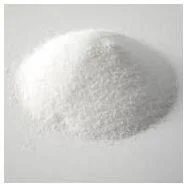
Typical grades for the inorganic salts in this catalogue match standard analytical‑grade specifications, often ≥99.9 % purity for mercury compounds, 98‑99 % purity for nickel sulfate hexahydrate, and 95‑99 % purity for copper carbonate used in electro‑plating and catalyst preparation. Bismuth oxychloride, hydroxide, nitrate and iodide are commonly supplied as high‑purity (≥99 %) white powders for pharmaceutical and specialty‑pigment applications. Organic intermediates such as 2‑amino‑3‑chloro‑1,4‑naphthoquinone and 4‑diethylaminobenzaldehyde are typically offered at ≥98 % purity and are used in dye synthesis, agro‑chemical research and fine‑chemical manufacturing. The catalogue also includes analytical reagents like dimethyl glyoxime (≥99 % purity) and coordination compounds such as manganese(III) acetylacetonate, which are standard in laboratory analysis and material science. Products are generally packed in sealed polyethylene drums, glass bottles or laminated foil bags, with container loads calibrated to 20 ft or 40 ft containers for bulk shipments.
Trade and Export Information - Luminescent Chemicals
Exporters of industrial chemicals from India frequently ship to Europe, the United States, the Middle East and Southeast Asian markets, where the HS‑code families 28‑29 are routinely processed under REACH, GHS and ISO‑based quality systems. Mercury compounds (HS 2850‑2852) are subject to additional export licensing under the Indian DGFT and often require documentation of mercury content limits for destination countries. Buyers typically request certificates of analysis, safety data sheets, and proof of compliance with REACH or equivalent regional regulations. Standard logistics involve FOB loading at Indian ports such as Mumbai or Nhava Sheva, with CIF or DAP terms commonly negotiated for bulk containers. Packaging follows industry norms: 200 L steel drums for inorganic salts, 25 kg fiber‑board bags for pigments, and 1 kg amber glass bottles for high‑purity organic reagents.
Sourcing from Luminescent Chemicals - Buyer Guidance
When sourcing from this supplier, purchasers should request a current Certificate of Analysis that specifies assay, impurity profile, moisture content and the analytical method (e.g., ICP‑OES for metal salts, HPLC for organics). A complete Safety Data Sheet prepared in accordance with GHS is essential for handling mercury and other hazardous materials. Verify that the product’s HS code matches the description and that any required export licences for mercury‑containing items are in place. For organic intermediates, buyers often ask for NMR or LC‑MS data to confirm structure and purity before confirming a bulk order. Typical minimum order quantities range from 5 kg for bulk inorganic salts to 1 kg for specialty organic chemicals, with lead times of 3‑6 weeks depending on availability and regulatory clearance.
Frequently Asked Questions About Luminescent Chemicals
What HS codes are associated with the mercury compounds listed by Luminescent Chemicals?
Mercury(II) sulfate and Mercury(II) thiocyanate are classified under HS 2852.10, while Mercury(II) bromide falls under HS 2850.00.
Which purity specifications are common for the nickel sulfate product?
Nickel sulfate hexahydrate is typically supplied at 98‑99 % purity and is used for electro‑plating and catalyst formulations.
What documentation should I request before purchasing copper carbonate?
Ask for a Certificate of Analysis showing assay (95‑99 % purity), moisture content, and a Safety Data Sheet compliant with GHS.
Are REACH or other certifications required for these chemicals?
Buyers should request proof of REACH registration or equivalent regional compliance, as well as any ISO‑9001 quality‑system certificates the supplier can provide.
What are the typical minimum order quantities and lead times?
Bulk inorganic salts usually have a MOQ of 5 kg, while specialty organics may start at 1 kg; lead times are generally 3‑6 weeks after order confirmation.
How are the products packaged for international shipment?
Inorganic salts are packed in 200 L steel drums, pigments in 25 kg fiber‑board bags, and high‑purity organics in amber glass bottles or laminated foil bags, all sealed for container loading.
What incoterms are commonly used for shipments from India?
Suppliers often quote FOB Mumbai for bulk cargo, with buyers arranging CIF or DAP terms for the destination port.




 , India