Luck Chemicals Pvt. Ltd. — Supplier
About Luck Chemicals Pvt. Ltd. - Chemicals & Allied Products Supplier in Singapore
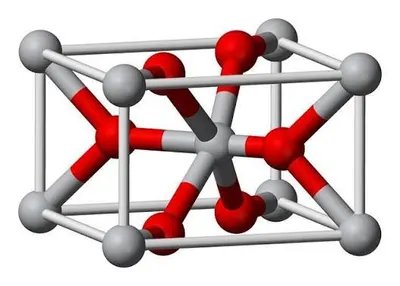
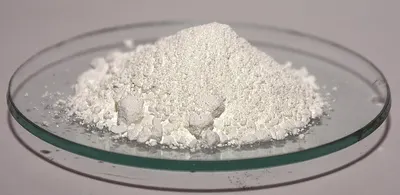
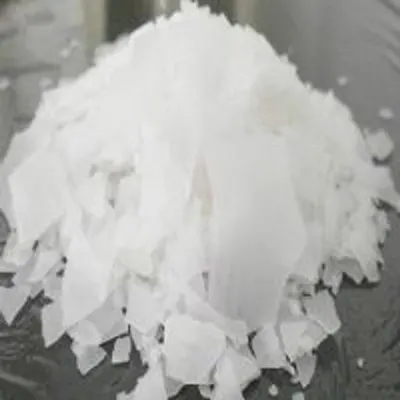
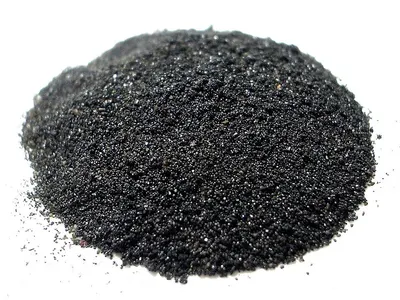
Luck Chemicals Pvt. Ltd. is based in Singapore and currently lists five distinct chemical products in its catalogue. The listed categories include Chemicals & Allied Products, with specific items such as carbon black grades N220, N330, N550 and N660, sodium carboxymethylcellulose, caustic soda flakes, titanium dioxide (anatase and rutile), and zinc oxide. The sodium carboxymethylcellulose entry is recorded under HS code 3912.31 and is described chemically as C6H7O2(OH)2CH2COONa)n. The caustic soda entry carries HS code 2815.11 and specifies sodium hydroxide with a minimum purity of 99 % in flake form. No additional product details such as certifications are provided in the source data.
The carbon black grades N220, N330, N550 and N660 are identified by their standard industry designations, which relate to particle size and structure used in rubber reinforcement and pigment applications. The titanium dioxide offering is presented as anatase and rutile forms, the two crystalline phases commonly differentiated for opacity and brightness performance. Zinc oxide is listed without further specification, a material frequently used in rubber compounding, cosmetics, and pharmaceuticals. All five products are grouped under the supplier’s primary categories of Caustic Soda, Titanium Dioxide, Zinc Oxide, and broader Chemicals & Allied Products.
Product Range and Specialties of Luck Chemicals Pvt. Ltd.
The catalogue comprises carbon black grades N220, N330, N550 and N660, sodium carboxymethylcellulose (CMC) under HS 3912.31, caustic soda flakes (NaOH, 99 % min) under HS 2815.11, titanium dioxide in both anatase and rutile crystal structures, and zinc oxide. In the carbon black market, N220 and N330 are typical low‑structure grades with a Ductility Index around 30 - 45, while N550 and N660 are higher‑structure grades with a Ductility Index of 50 - 70, used for tire tread and reinforcement. Sodium CMC is supplied in various viscosity grades, commonly expressed as 4 - 10 % solution viscosity at 2 % concentration, and purity levels above 99 % are standard for food‑grade applications.
Caustic soda is normally shipped as 99 % minimum purity flakes, with moisture content below 1 % and soluble ash under 0.5 %. Titanium dioxide grades are differentiated by TiO₂ content (typically 99.5 % or higher), pigment white index (PWI) above 90, and specific crystal phase percentages; anatase is favored for high brightness, rutile for UV stability. Zinc oxide is typically supplied with particle sizes ranging from 0.2 µm to 5 µm and purity of 99 % or greater, suitable for rubber compounding and cosmetics. Packaging for these chemicals commonly includes 20 ft or 40 ft containers with bulk bags (e.g., 1‑ton polypropylene bags) for solid forms, and intermediate bulk containers for liquids.
Trade and Export Information - Luck Chemicals Pvt. Ltd.
Singapore serves as a major transshipment hub for bulk chemicals, with exports of caustic soda, titanium dioxide and zinc oxide frequently destined for East Asia, Europe and North America. HS code 2815 (caustic soda) and 3912 (cellulose derivatives) are routinely subject to customs inspection for purity certificates and safety data sheets, while titanium dioxide falls under HS 2831 and zinc oxide under HS 2817, both requiring compliance with REACH or equivalent regional regulations for heavy‑metal and hazardous‑substance limits.
Buyers typically request a Certificate of Analysis (CoA) confirming purity, moisture and heavy‑metal limits, as well as an MSDS for handling and transport. Shipping terms often use CIF or FOB, with bulk cargo packed in 20‑ft or 40‑ft containers, bulk bags or drums depending on material form. Singapore’s port infrastructure supports rapid container turnaround, and exporters generally align with ISO 9001 quality‑management systems, although specific certifications must be verified with the supplier.
Sourcing from Luck Chemicals Pvt. Ltd. - Buyer Guidance
When sourcing from Luck Chemicals, buyers should request the latest CoA, MSDS, and any test reports related to particle size (for carbon black and zinc oxide) or crystal‑phase composition (for titanium dioxide). For sodium CMC, viscosity grade and degree of substitution should be confirmed, and for caustic soda, moisture and soluble‑ash content must be validated against the 99 % purity claim.
Potential buyers should also inquire about minimum order quantities, which for bulk chemicals are commonly 10 tons per shipment for solid forms and 5 tons for specialty grades, and verify lead times that typically range from 2 to 6 weeks after order confirmation. Packaging specifications such as 1‑ton polypropylene bulk bags, moisture‑resistant liners, and container sealing methods should be agreed in advance to ensure product integrity during transit.
Frequently Asked Questions About Luck Chemicals Pvt. Ltd.
What chemical products are listed in Luck Chemicals' catalogue?
The catalogue lists carbon black grades N220, N330, N550 and N660, sodium carboxymethylcellulose, caustic soda flakes, titanium dioxide (anatase and rutile), and zinc oxide.
Which HS codes are associated with the listed products?
Sodium carboxymethylcellulose is assigned HS code 3912.31 and caustic soda flakes are assigned HS code 2815.11. The other products are commonly classified under HS 2831 for titanium dioxide, HS 2817 for zinc oxide, and HS 2801 for carbon black, although those codes are not specified in the supplier data.
What are the typical specifications for the carbon black grades offered?
Carbon black grades N220 and N330 are low‑structure grades with a Ductility Index of roughly 30 - 45, while N550 and N660 are higher‑structure grades with a Ductility Index of 50 - 70. Particle sizes range from 20 nm to 70 nm, and they are used primarily for rubber reinforcement.
What purity and form does the caustic soda product have?
The caustic soda is supplied as flakes with a minimum purity of 99 % NaOH. Moisture content is typically below 1 % and soluble ash is limited to 0.5 % or less.
What forms of titanium dioxide are available and what quality parameters are common?
Both anatase and rutile crystal forms are offered. Standard quality parameters include TiO₂ content of 99.5 % or higher, a Pigment White Index above 90, and defined crystal‑phase ratios to meet opacity or UV‑stability requirements.
What documentation should a buyer request before purchasing?
Buyers should request a current Certificate of Analysis, a Material Safety Data Sheet, and any specific test reports such as particle‑size distribution for carbon black or zinc oxide, and viscosity or degree‑of‑substitution data for sodium CMC.
What are common packaging and shipping methods for these chemicals?
Solid chemicals are typically packed in 1‑ton polypropylene bulk bags or sealed drums, loaded into 20‑ft or 40‑ft containers. Shipping is usually arranged on CIF or FOB terms, with the supplier handling export customs clearance in Singapore.




 , Singapore