Linrime Inc. — Verified Supplier
About Linrime Inc. - Olive Oil Supplier in Canada
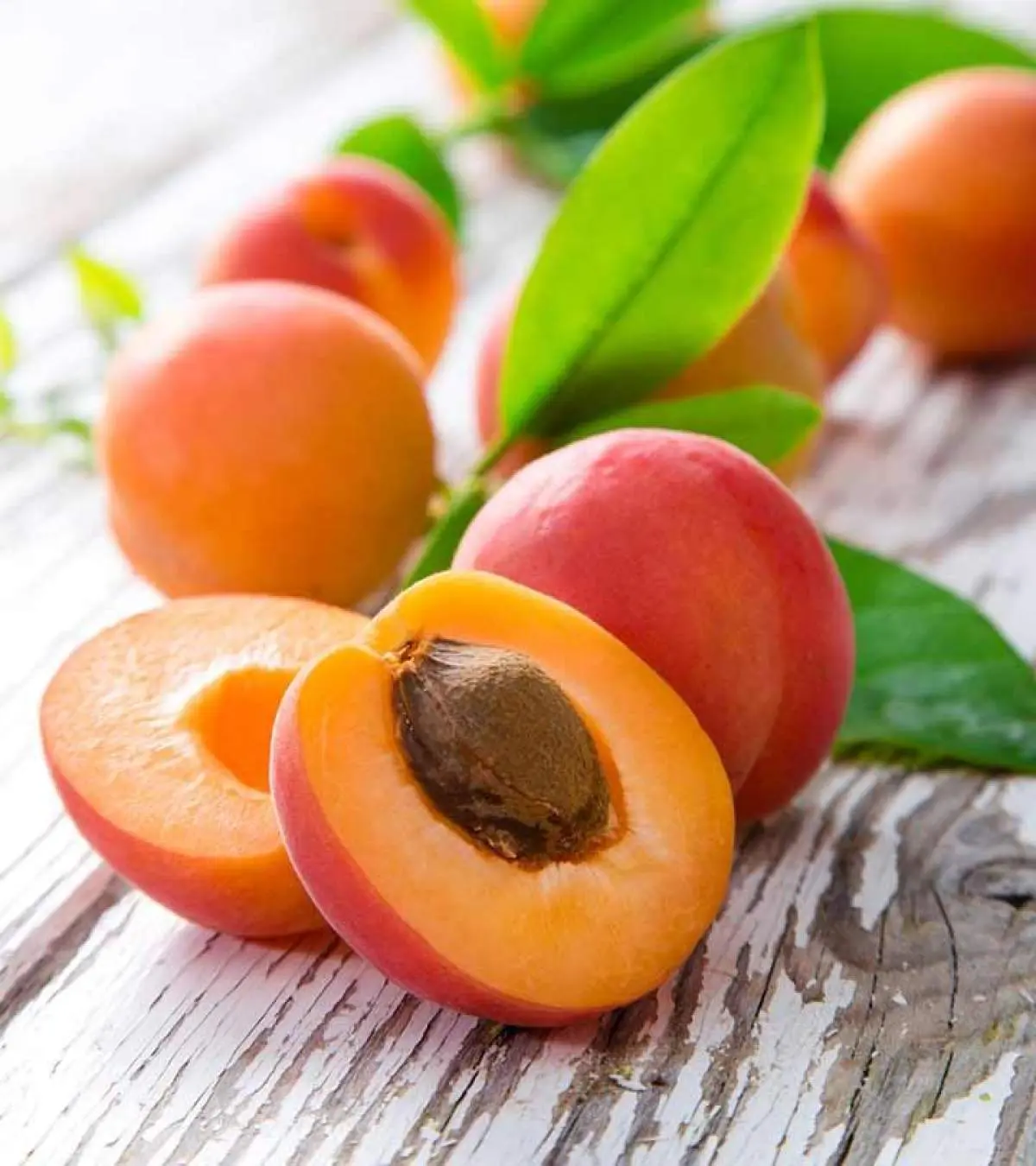
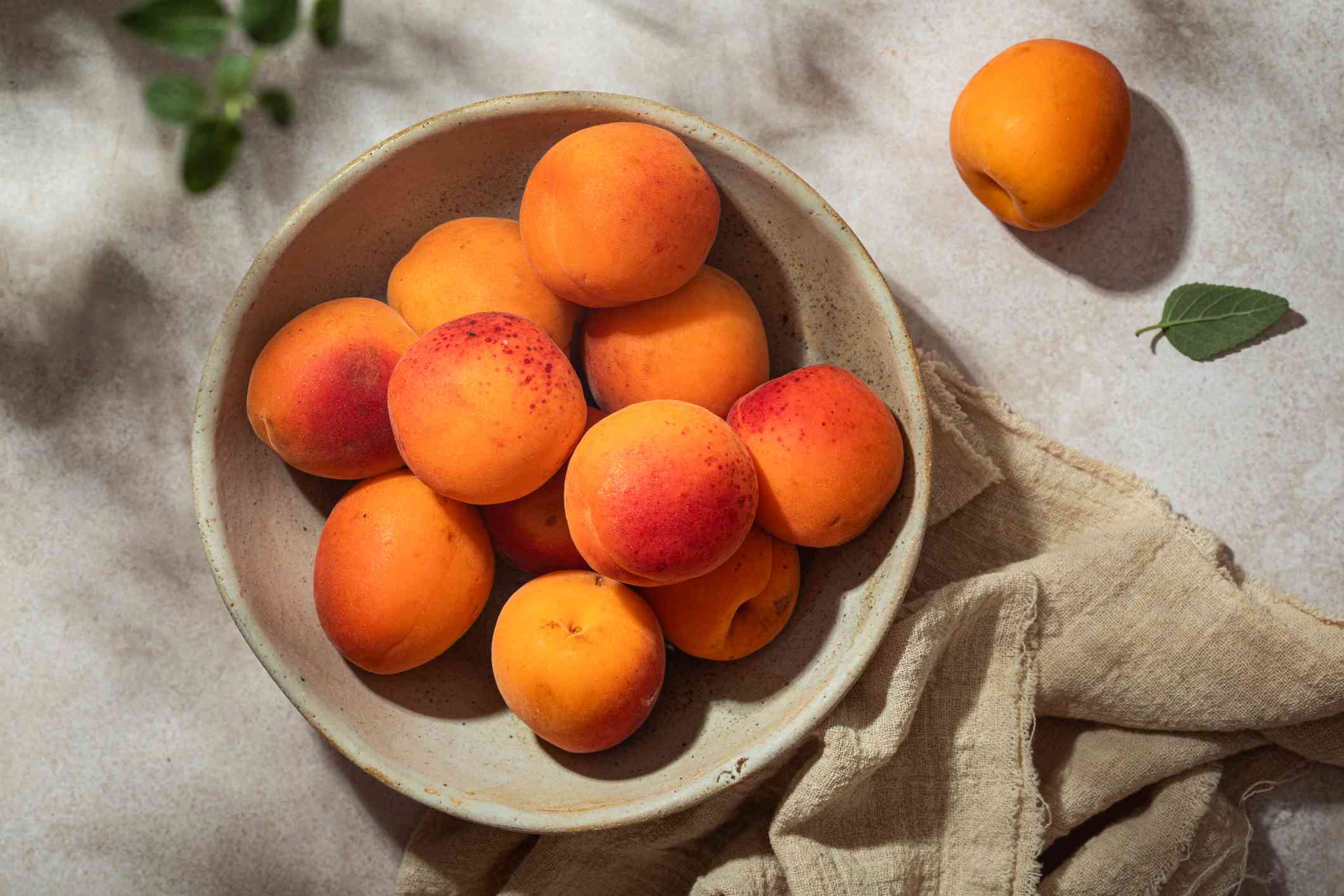
Linrime Inc. is based in Canada and currently lists five distinct food products in its catalogue. The catalogue covers three primary categories: Olive Oil, Apricot, and Figs. The dried apricot entry specifies sulfured or unsulfured Prunus armeniaca and includes the HS code 0813.10. The dried fig entry lists the fruit without an HS code, while three olive oil entries are described as Virgin Olive Oil, Extra Virgin Olive Oil, and Premium Extra Virgin Olive Oil. All products are presented without additional quantitative details such as packaging size or minimum order quantities.
Olive oil products fall under the HS chapter 15.10, which is used worldwide for trade of virgin and extra‑virgin olive oils. Dried apricots and figs belong to HS chapter 08, where dried fruits are commonly classified for customs and tariff purposes. The catalogue does not provide specific grades, but the naming suggests the olive oil range targets the extra‑virgin quality tier. Dried apricots are offered in both sulfured and unsulfured forms, a distinction relevant for consumers sensitive to sulfite residues. The inclusion of both standard and premium olive oil variants indicates a product line that can serve different market segments from retail to food‑service.
Product Range and Specialties of Linrime Inc.
Linrime’s product list includes Dried Apricot (sulfured or unsulfured), Dried Fig, Virgin Olive Oil, Extra Virgin Olive Oil, and Premium Extra Virgin Olive Oil. In the dried fruit market, apricots are commonly sold with a moisture content not exceeding 15 % and a sugar content of 55 %‑65 % by weight, while sulfuring levels are limited to 2 g / kg in many importing countries. Dried figs typically have a moisture range of 18 %‑22 % and are evaluated for uniform size and absence of mold. Extra‑virgin olive oil is internationally defined by a free acidity of ≤0.8 % oleic acid, peroxide value ≤20 meq O₂/kg, and UV absorbance (K232 ≤ 2.50, K270 ≤ 0.22). Premium Extra Virgin Olive Oil often meets the same chemical limits but may be subject to additional organoleptic testing for fruitiness and bitterness. Virgin olive oil is allowed a slightly higher acidity up to 2 % and may be used for cooking applications where a milder flavor profile is acceptable.
Standard packaging for dried apricots and figs includes food‑grade polypropylene bags of 5 kg or 10 kg, with bulk shipments packed in 20‑foot containers holding up to 22 metric tons. Olive oil is frequently packaged in 5 L or 15 L PET bottles, 25 kg steel drums, or 200 L IBCs, and a full 40‑foot container can accommodate roughly 12 metric tons of liquid oil. Industry buyers often request a Certificate of Analysis confirming acidity, peroxide value, and pesticide residues, as well as compliance with ISO 22000 or HACCP food safety systems. While Linrime’s catalogue does not list certifications, suppliers of these product types commonly hold organic, non‑GMO, or kosher certifications depending on market demand.
Trade and Export Information - Linrime Inc.
Canadian exporters of dried fruits and olive oil generally ship to the United States, the European Union, and East Asian markets, where demand for premium fruit snacks and high‑quality olive oil remains strong. The HS code 0813.10 for dried apricots and the broader 0805 chapter for figs are subject to phytosanitary inspections by the importing country’s plant health authority, often requiring a phytosanitary certificate issued by the CFIA. Olive oil shipments under HS 1509 are inspected for compliance with food safety standards such as the EU’s Regulation 1159 and the US Food and Drug Administration’s edible oil standards. Commonly required certifications include ISO 22000, HACCP, and where applicable, organic certification verified by a recognized body. Typical Incoterms used by Canadian food exporters are FOB Toronto or CIF New York, with containerised bulk handling for both liquids and dried goods.
For dried fruits, moisture levels above the specified limits can trigger additional inspections or rejection at the port of entry, making pre‑shipment moisture testing a standard practice. Olive oil containers must be sealed and labeled with country of origin, free acidity, and best‑before date, and many buyers require a third‑party laboratory report confirming the chemical parameters. Canadian exporters often work with freight forwarders experienced in refrigerated or temperature‑controlled transport for olive oil to preserve quality during sea transit. Documentation typically includes the commercial invoice, packing list, bill of lading, certificate of origin, and the relevant phytosanitary or food safety certificates.
Sourcing from Linrime Inc. - Buyer Guidance
Buyers sourcing from Linrime should request a recent Certificate of Analysis for each olive oil batch, covering free acidity, peroxide value, UV absorbance, and pesticide residue limits. For dried apricots and figs, a moisture test report and a sulfite analysis (for sulfured apricots) are standard verification documents. It is advisable to obtain the supplier’s ISO 22000 or HACCP audit report, or to confirm that the processing facilities are certified to these standards before confirming orders. Requesting a phytosanitary certificate for the dried fruit shipments will satisfy most import authority requirements.
Minimum order quantities in the Canadian dried‑fruit market often start at 500 kg per SKU, while olive oil orders may begin at 1 metric ton, though exact MOQs should be confirmed with the supplier. Lead times for bulk shipments are typically 30‑45 days from order confirmation, allowing time for quality testing, packaging, and export documentation. Buyers should specify packaging preferences - e.g., 5 kg PP bags for fruits or 5 L PET bottles for oil - and agree on Incoterms such as FOB Toronto to align with their logistics chain.
Frequently Asked Questions About Linrime Inc.
What olive oil products does Linrime Inc. list?
Linrime lists Virgin Olive Oil, Extra Virgin Olive Oil, and Premium Extra Virgin Olive Oil. All three fall under HS chapter 15.10 for olive oil, and the extra‑virgin variants are expected to meet the ≤0.8 % free acidity standard used internationally.
Which dried fruit items are available from Linrime?
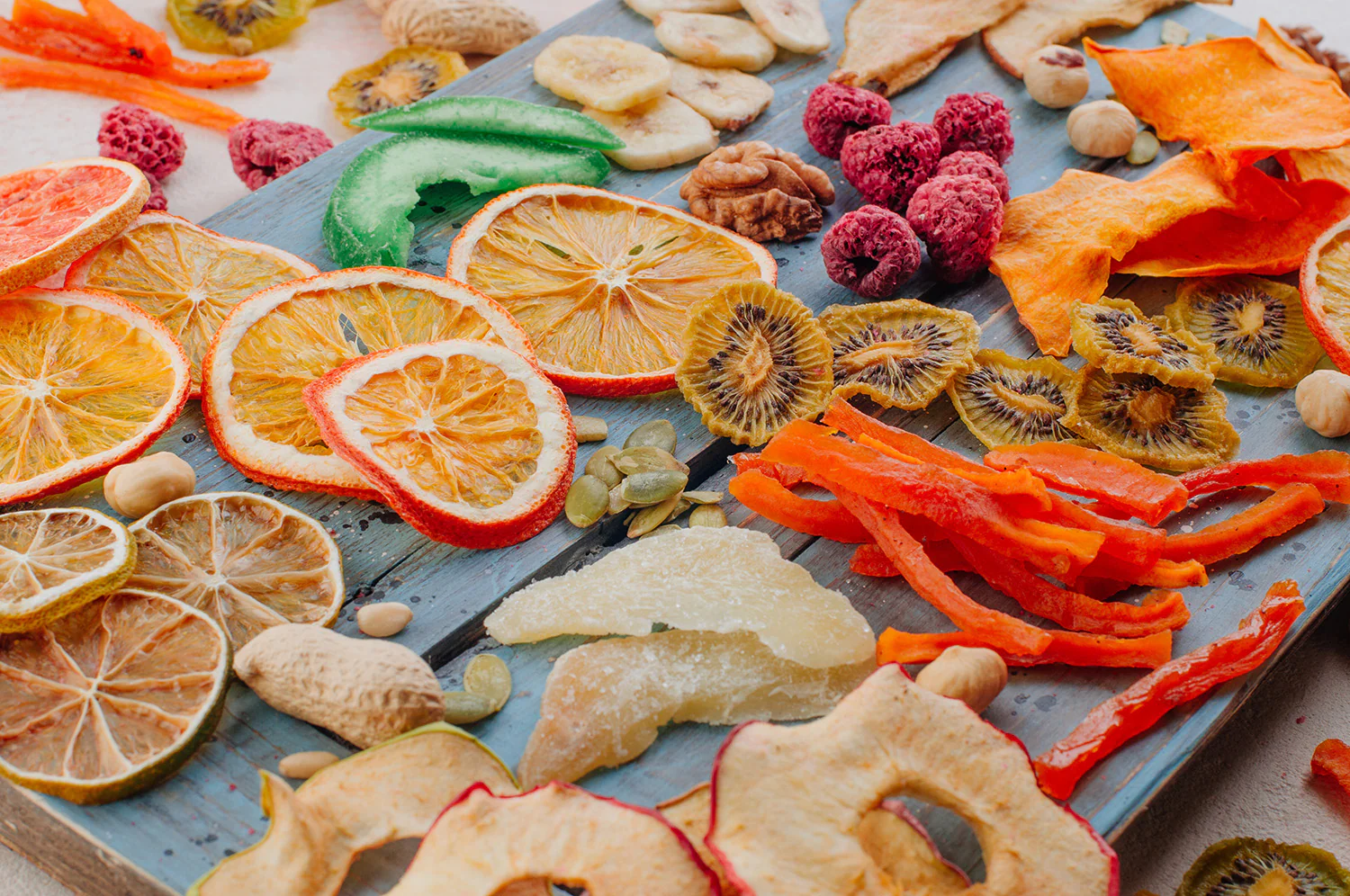
The catalogue includes Dried Apricot, offered in sulfured or unsulfured form and identified with HS code 0813.10, and Dried Fig, which is listed without a specific HS code but is classified under the dried‑fruit HS chapter 08. Buyers typically check moisture content and sulfite levels for these products.
What certifications should a buyer request for the olive oil range?
Buyers should request a Certificate of Analysis showing free acidity, peroxide value, and UV absorbance, and verify that the producer holds a food‑safety certification such as ISO 22000 or HACCP. Additional certifications like organic or kosher may be requested depending on the target market.
How are the dried apricots packaged for export?
Dried apricots are commonly packed in food‑grade polypropylene bags of 5 kg or 10 kg, which can be palletised for container loading. Export shipments usually include a phytosanitary certificate issued by the Canadian Food Inspection Agency.
What are typical HS codes for the products in Linrime’s catalogue?
The only HS code explicitly provided is 0813.10 for Dried Apricot. Olive oil products are generally classified under HS 1509, and dried figs fall under the broader HS 0805 chapter for dried fruits, though the catalogue does not list a specific code for figs.
Which markets commonly import Canadian dried fruits and olive oil?
Major import destinations include the United States, the European Union, and East Asian countries such as Japan and South Korea. These regions often require compliance with their respective food safety regulations and phytosanitary standards.
What are typical minimum order quantities and lead times for Linrime’s products?
Dried fruit orders often start at 500 kg per SKU, while olive oil orders may begin at 1 metric ton. Lead times are generally 30‑45 days from order confirmation to shipment, allowing time for quality testing and export documentation.




 , Canada