Legend — Verified Supplier
About Legend - Leather Wallets Supplier in India
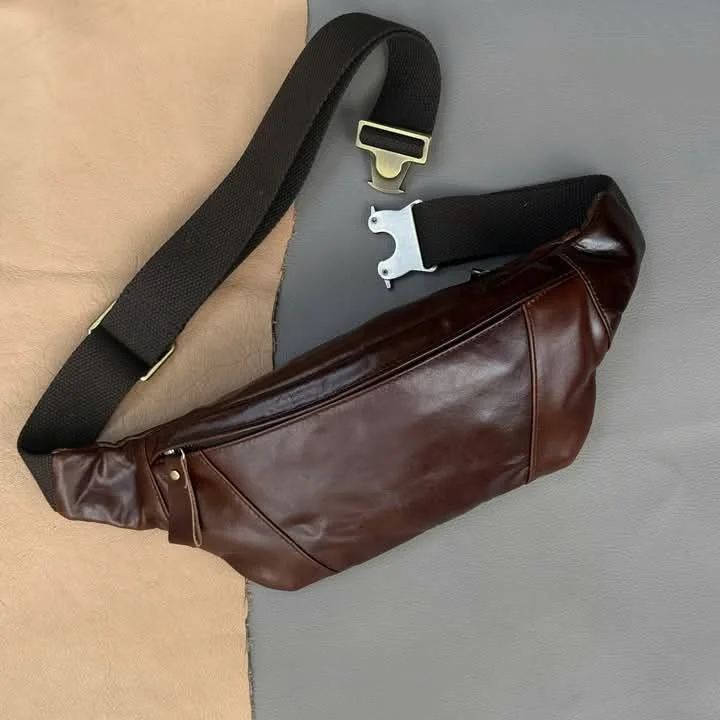
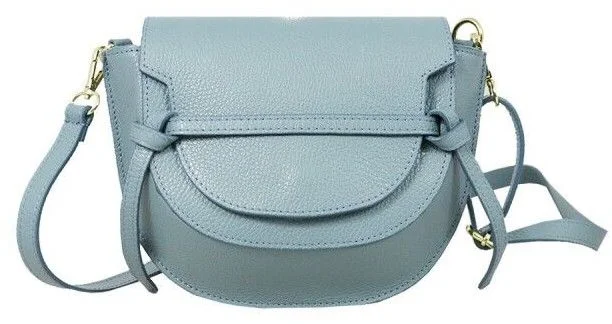
Legend is based in India and lists nine active products in its catalogue. The catalogue includes leather handbags, various wallet styles, cotton bags, and jute bags, covering both fashion accessories and agricultural‑type packaging. Products are classified under categories such as Leather Wallets, Handbags, Cotton Bags, and Jute Bags, reflecting a mix of leather and natural fibre items. Each item is presented without specific HS codes in the source data, but they fall within standard international tariff headings for leather goods and fibre bags.
The supplier’s top categories highlight leather wallets and handbags alongside cotton and jute bags, indicating a focus on both premium accessories and eco‑friendly packaging. The nine listed items comprise leather hand‑bags, men’s and ladies’ wallets and clutches, cotton tote‑style bags, and jute shopping bags. This composition suggests capability to serve markets that demand both finished fashion items and bulk‑export packaging solutions. No certifications are listed in the source data, so buyers should verify compliance with relevant standards.
Product Range and Specialties of Legend
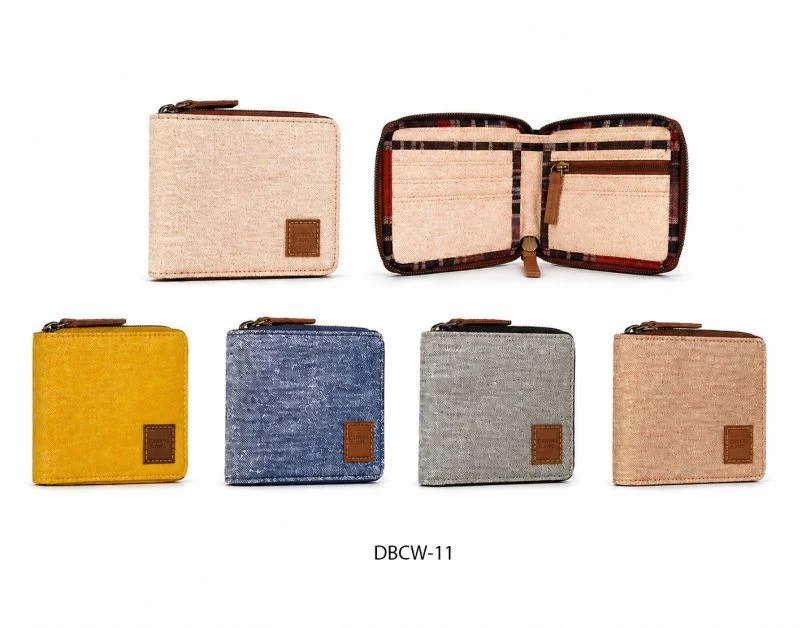
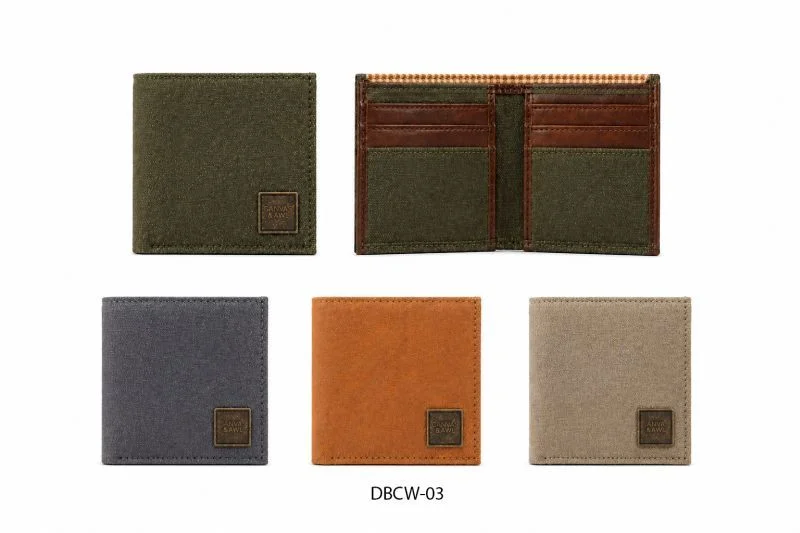
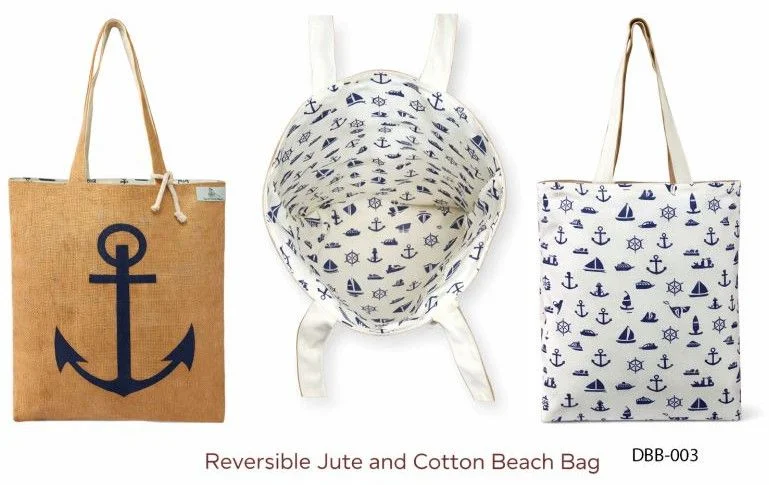
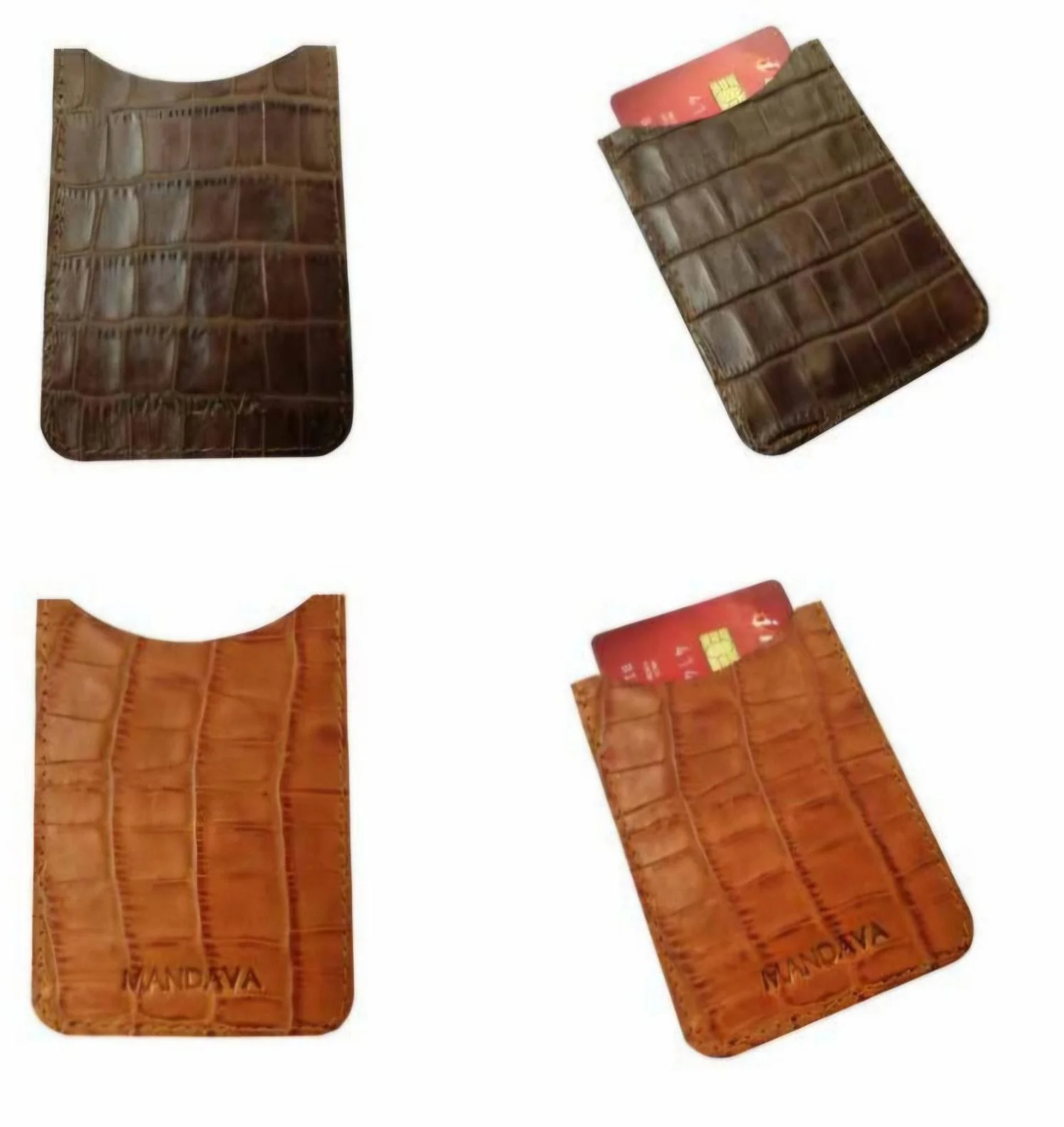
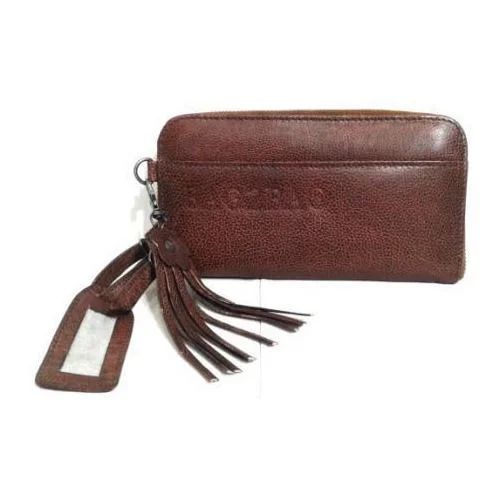
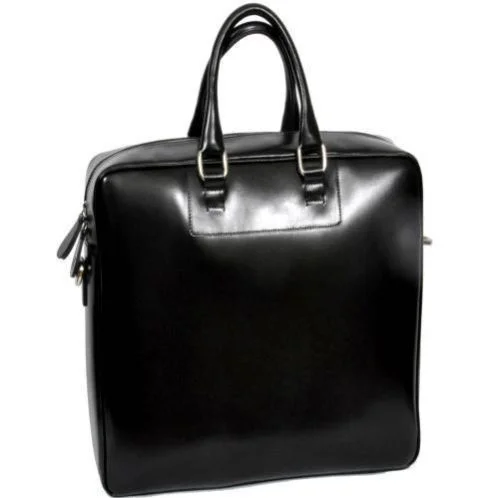
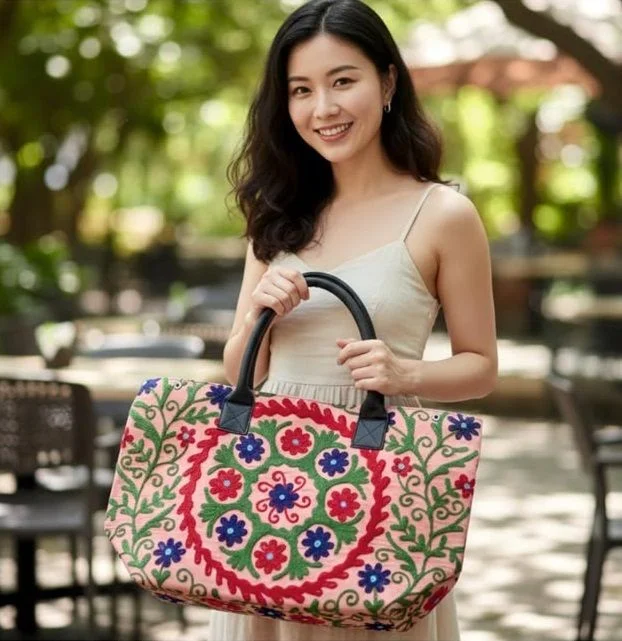
The catalogue shows nine distinct items: Leather Handbags, Men Wallets, Leather Wallets, Cotton Bags, Hand Clutch, Ladies Clutch, Men Wallet, Jute Bags, and Tall Wallet With Zipper. These products span full‑grain or top‑grain leather accessories and natural‑fibre bags made from cotton canvas or jute fibers, with typical weights ranging from 150 g for a leather clutch to 300 g for a cotton tote bag. Leather goods are often graded by leather quality (e.g., LC‑I to LC‑III) and by stitching strength measured in N/mm², while cotton and jute bags are specified by GSM (usually 200‑300 gsm for cotton and 250‑350 gsm for jute).
In the broader industry, leather handbags are commonly produced to meet ISO 9001 quality management and may carry REACH compliance for chemical safety. Cotton bags destined for export often require Oeko‑Tex Standard 100 certification to confirm the absence of harmful substances, and jute bags are frequently tested for tensile strength of 30‑50 MPa and moisture content below 12 %. Buyers typically request material safety data sheets (MSDS) and third‑party lab reports that verify these specifications before placing orders.
Trade and Export Information - Legend
India is a major exporter of leather accessories, with the majority of shipments destined for the United States, European Union, and Middle‑East markets. Leather goods fall under HS Chapter 42 (e.g., HS 4202 for handbags and wallets), while cotton and jute bags are classified under HS Chapter 63 (e.g., HS 6307 for textile bags) and Chapter 73 (e.g., HS 7308 for jute products). Importers in these regions commonly require certificates such as ISO 9001, REACH registration for chemical compliance, and, for cotton bags, Oeko‑Tex Standard 100. Shipping is typically arranged on 40‑ft containers with inner cartons of 20‑30 kg each, and Incoterms like FOB Mumbai or CIF Dubai are frequently used.
Export logistics from Indian ports involve phytosanitary inspection for natural fibre bags and leather tanning residue checks under local environmental regulations. Buyers often ask for a pre‑shipment inspection report issued by agencies such as SGS or Bureau Veritas, especially when the goods are intended for the EU where the EU Timber Regulation (EUTR) and the Waste Electrical and Electronic Equipment (WEEE) directives may apply indirectly to packaging materials. Understanding these regulatory layers helps prevent customs delays and ensures smooth clearance in target markets.
Sourcing from Legend - Buyer Guidance
When sourcing from Legend, buyers should request product samples that include a leather swatch and a finished bag to assess stitching, color consistency, and material feel. It is advisable to ask for a test report confirming leather grade (e.g., LC‑III), tensile strength of jute bags, and GSM verification for cotton bags, as these parameters directly affect durability and compliance. Additionally, request copies of any existing ISO, REACH, or Oeko‑Tex certifications, and verify that the supplier can provide a Certificate of Origin and a commercial invoice matching the HS codes used for customs filing.
Before confirming an order, verify the supplier’s ability to meet typical minimum order quantities (MOQs) of 500 units for leather accessories and 1,000 units for cotton or jute bags, as these figures align with industry norms for bulk export. Confirm lead times, which generally range from 30 days for leather items after pattern approval to 45 days for natural‑fibre bags that require dyeing and fabric finishing. Finally, ensure that packaging specifications meet buyer requirements - for example, double‑wall corrugated boxes with inner dividers for leather goods and poly‑bagged, stack‑able cartons for cotton and jute bags.
Frequently Asked Questions About Legend
What product categories does Legend list in its catalogue?
Legend lists nine products, including Leather Handbags, Men Wallets, Leather Wallets, Cotton Bags, Hand Clutch, Ladies Clutch, Men Wallet, Jute Bags, and Tall Wallet With Zipper.
Are there any certifications mentioned for Legend’s products?
No certifications are provided in the source data. Buyers should request standard certifications such as ISO 9001, REACH, or Oeko‑Tex depending on the product type.
Which HS code chapters typically cover Legend’s product range?
Leather accessories fall under HS Chapter 42 (e.g., HS 4202), while cotton and jute bags are classified under HS Chapter 63 (e.g., HS 6307) and Chapter 73 for jute items.
What are typical material specifications for the cotton and jute bags?
Cotton bags are usually made from 200‑300 gsm canvas, and jute bags are produced with 250‑350 gsm jute fiber, often tested for tensile strength of 30‑50 MPa and moisture content below 12 %.
What sample and testing documents should a buyer request?
Buyers should ask for a leather grade certificate (e.g., LC‑III), GSM and tensile‑strength test reports for fibre bags, and any relevant safety data sheets such as REACH or Oeko‑Tex reports.
What are common minimum order quantities and lead times for these products?
Industry practice suggests MOQs of around 500 units for leather accessories and 1,000 units for cotton or jute bags, with lead times of roughly 30 days for leather items and 45 days for fibre bags after design approval.
How are Legend’s products typically packaged for export?
Leather items are usually packed in double‑wall corrugated boxes with individual protective wraps, while cotton and jute bags are often poly‑bagged and stacked in reinforced cartons suitable for 20‑ft or 40‑ft containers.
Which markets commonly import the types of goods Legend offers?
Key import markets include the United States, European Union countries, and the Middle East, where buyers frequently require compliance with REACH, ISO 9001, and eco‑label certifications for natural‑fibre packaging.




 , India