Agriculture›
 Apparel and fashion accessories›
 Construction & real estate›💡Electronic & Electrical›🍎Food & Beverages›🛋️Home furnishing & supplies›⚗️Industrial goods & chemical›🪨Minerals & metals›📦Miscellaneous›Agriculture›Apparel and fashion accessories›Construction & real estate›💡Electronic & Electrical›🍎Food & Beverages›🛋️Home furnishing & supplies›⚗️Industrial goods & chemical›🪨Minerals & metals›📦Miscellaneous›
LANGFORD GEMS & LAPIDARY Product Catalog
About LANGFORD GEMS & LAPIDARY - Gemstones Supplier in
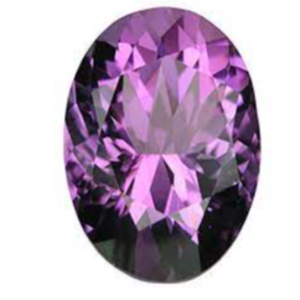
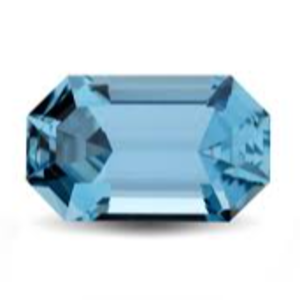
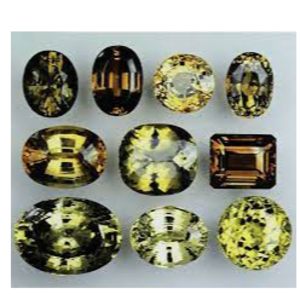
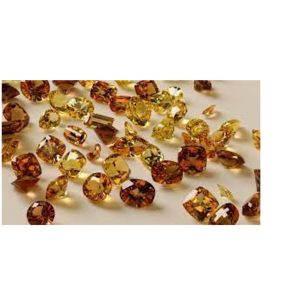
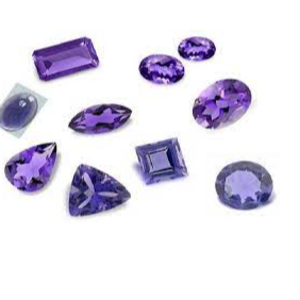
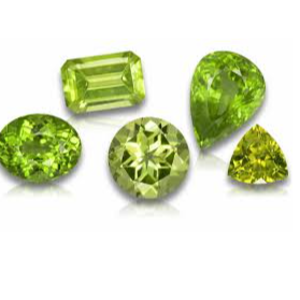
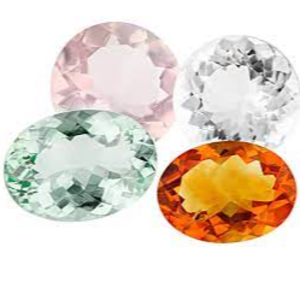
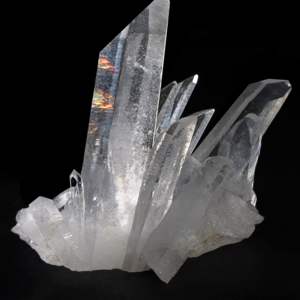
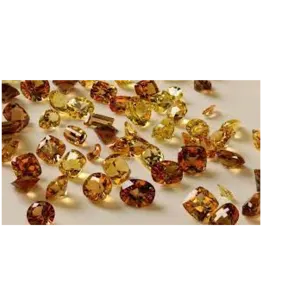
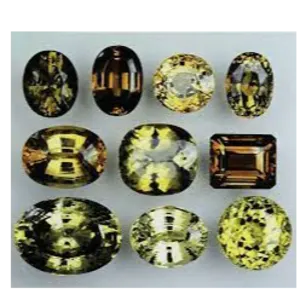
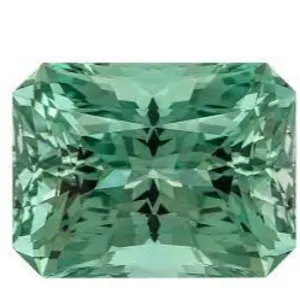
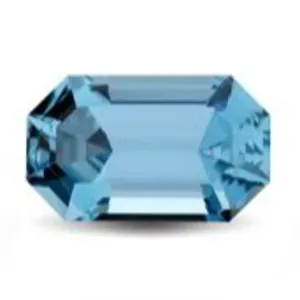
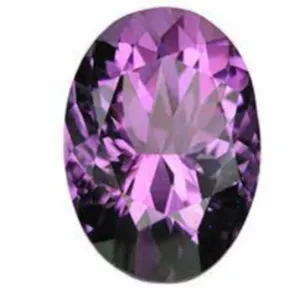
The supplier, LANGFORD GEMS & LAPIDARY, lists nine active products in its catalogue. All items are natural mineral gemstones or quartz, classified under HS chapter 71 for precious stones and HS 2506 for quartz. The catalogue includes amethyst (HS 7103.10), aquamarine (HS 7103.91), beryl (HS 7103.10), chrysoberyl (HS 7103.99), citrine (HS 7103.99), garnet (HS 7103.10), iolite (HS 7103.99), peridot (HS 7103.10) and quartz crystal (HS 2506.10). Materials are identified by their chemical composition, such as SiO2 for amethyst and quartz, Be3Al2Si6O18 for aquamarine, and (Mg,Fe)2SiO4 for peridot. The product list reflects a focus on raw gemstone material rather than processed jewellery.
The supplier’s top categories include turquoise, amber, aquamarine, coir yarn, emerald (panna), beryl, dolomite and cobalt, indicating a broader mineral portfolio beyond the nine listed gemstones. Within the gemstone segment, the items cover a range of colors and mineral families, from blue‑violet iolite to green peridot and yellow citrine. Each gemstone is presented in its natural, untreated form, which aligns with standard industry practice of reporting carat weight and color grade at source. The inclusion of quartz under HS 2506.10 expands the catalogue to include industrial‑grade silica crystals used in optics and electronics. Buyers can therefore source both decorative gemstones and technical quartz from the same supplier.
Product Range and Specialties of LANGFORD GEMS & LAPIDARY
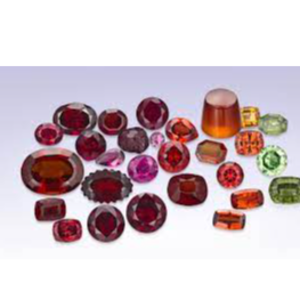
LANGFORD GEMS & LAPIDARY’s catalogue comprises natural amethyst, aquamarine, beryl, chrysoberyl, citrine, garnet, iolite, peridot and quartz crystal, each recorded with its specific HS code. In the gemstone market, buyers typically evaluate these stones by carat weight, color grade (often using GIA or local scales), clarity, and any treatment history; common grades range from AAA to commercial grade depending on hue intensity and inclusions. Amethyst and citrine are usually traded in 6‑8 Mohs hardness and are valued for uniform violet or yellow color, while aquamarine and iolite are assessed for saturation and blue‑violet hue. Peridot is graded by its vivid green saturation and low inclusions, and garnet by its deep red to brown tones. Quartz crystal is often specified by purity (>99.5% SiO2) and crystal size, with applications in optics requiring minimal fracture. The supplier’s product list therefore spans both decorative gemstone grades and industrial‑grade quartz specifications commonly requested by jewelry manufacturers and technology firms alike.
Frequently Asked Questions About LANGFORD GEMS & LAPIDARY
What product categories does LANGFORD GEMS & LAPIDARY offer?
The catalogue lists nine natural gemstones and quartz, including amethyst, aquamarine, beryl, chrysoberyl, citrine, garnet, iolite, peridot and quartz crystal, each identified with its HS code.
What is the typical MOQ and lead time for orders from LANGFORD GEMS & LAPIDARY?
Minimum order quantities often start at one carat per listed gemstone, with larger batches negotiable; lead times reported by similar suppliers range from two to four weeks after payment and sample approval.
Which markets typically import the types of gemstones offered by LANGFORD GEMS & LAPIDARY?
Major importers include jewelry manufacturers and gemstone traders in the United States, European Union, United Arab Emirates, India and China, all of which apply standard customs procedures for HS 7103 and HS 2506 categories.
Which HS codes are associated with the listed gemstones?
Gemstones such as amethyst, beryl, garnet and peridot use HS 7103.10, aquamarine uses 7103.91, chrysoberyl, citrine and iolite use 7103.99, while natural quartz crystal is classified under HS 2506.10.
What typical quality parameters should a buyer verify for these gemstones?
Buyers should confirm carat weight, color grade (e.g., GIA or local scales), clarity, any treatment disclosures, and request laboratory reports that include chemical composition and refractive index.
Related Suppliers & Products
Explore similar suppliers, related products and trending categories