Kutahya Cini Sanayi — Verified Supplier
About Kutahya Cini Sanayi - Ceramic Tiles Supplier in Turkey
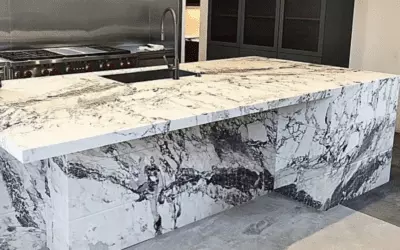
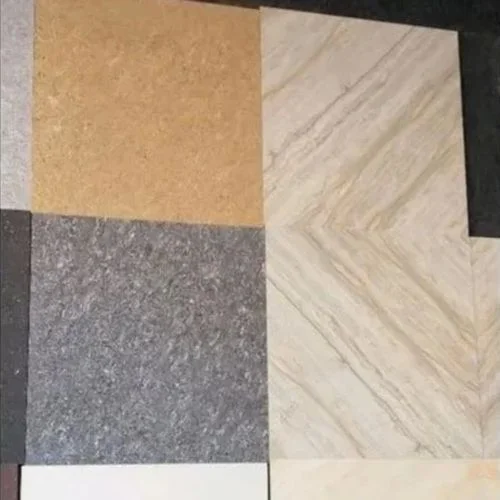
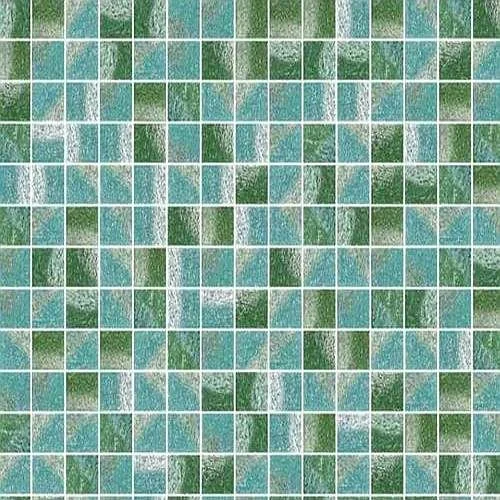
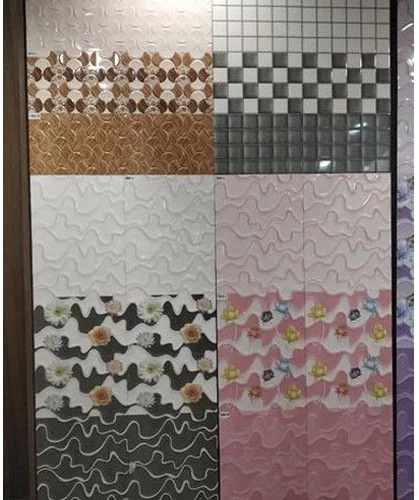
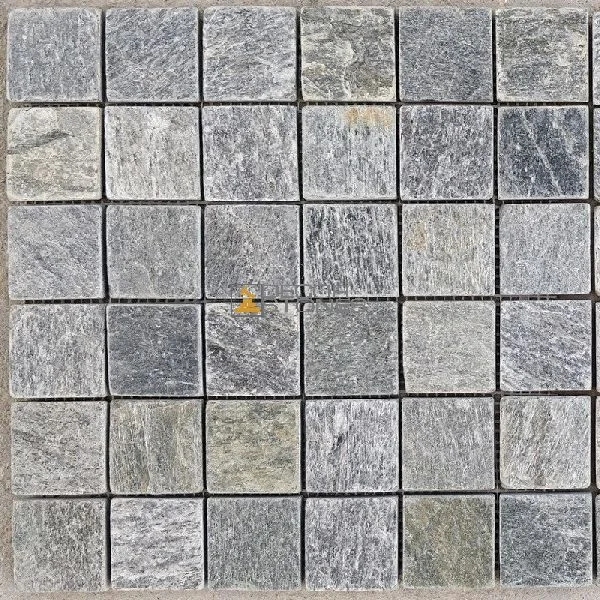
Turkey is a major producer of ceramic and stone building materials, and Kutahya Cini Sanayi lists seven active products. The catalogue includes handmade tile, marble tile (HS code 6802.21, natural marble stone CaCO3), 30x30 cm vitrified ceramic tile, wall tiles, mosaic tiles, handmade ceramic panel, and terracotta tiles. The products fall under the broader categories of ceramic tiles, stone tiles, and block‑type slabs. Marble Tile is classified under HS chapter 68.02 for natural stone, while the other items are typically recorded under HS chapter 68.04 for ceramic products. The supplier’s portfolio therefore covers both natural stone and fired ceramic tile families.
The handmade tile and handmade ceramic panel are produced using traditional shaping techniques, which often result in variable dimensions and surface finishes. Vitrified ceramic tile of 30x30 cm conforms to common industry sizes and is suitable for high‑traffic flooring due to low water absorption. Wall tiles and mosaic tiles are generally used for interior cladding and decorative applications, with standard thicknesses between 6 mm and 10 mm. Terracotta tiles are fired clay products known for porous texture and are frequently specified for rustic or heritage projects. All seven items are listed under the supplier’s “Blocks, Tiles & Slabs” top category, indicating a focus on building‑covering materials.
Product Range and Specialties of Kutahya Cini Sanayi
The catalogue covers handmade tile, marble tile, 30x30 cm vitrified ceramic tile, wall tiles, mosaic tiles, handmade ceramic panel and terracotta tiles. In the ceramic sector, vitrified tiles are typically graded by water absorption (<0.5 %) and PEI rating (3‑5 for medium to heavy traffic), while wall and mosaic tiles often meet EN 14411 thicknesses of 6 - 10 mm. Marble tiles are classified by grade such as AC (Astral Commercial) or DC (Design Commercial) and are measured for thickness (usually 8 - 12 mm) and surface polish. Terracotta tiles are commonly fired at 950‑1050 °C, yielding a porous body that may be sealed for interior use. Industry practice also includes offering size variations, edge profiles and surface finishes to meet architectural specifications.
Trade and Export Information - Kutahya Cini Sanayi
Turkey ranks among the top exporters of ceramic and natural stone tiles, with primary markets in the European Union, the Middle East, the Gulf Cooperation Council and North Africa. Export shipments are recorded under HS chapter 68, specifically 68.04 for vitrified and wall tiles and 68.02 for natural marble tiles. Importers typically require CE marking, ISO 9001 quality management certification and compliance with EN 14411 (ceramic tiles) or ISO 13006 (natural stone tiles). Standard logistics involve loading tiles on Euro pallets, using cardboard boxes for smaller formats and wooden crates for larger slabs, with common Incoterms such as FOB Istanbul or CIF Mediterranean ports. Customs inspections often check for correct HS coding, material certificates and conformity with safety standards like slip‑resistance (R‑value) for floor tiles.
Sourcing from Kutahya Cini Sanayi - Buyer Guidance
When sourcing from Kutahya Cini Sanayi, request a material certificate for the marble tile that confirms the CaCO₃ composition and a petrographic analysis of the stone. For ceramic products, ask for test reports covering water absorption, breaking strength (30‑40 MPa) and PEI rating to verify suitability for the intended traffic level. Verify packaging details - palletized cartons for wall and mosaic tiles, wooden crates for larger slabs - and confirm the agreed Incoterm and lead time before finalizing the order.
Frequently Asked Questions About Kutahya Cini Sanayi
What is the HS code for the marble tile offered?
The marble tile is listed under HS code 6802.21, which belongs to the natural marble stone chapter for raw or finished stone products. This code is used in customs declarations for stone tiles exported from Turkey.
Which standard dimensions are available for the vitrified ceramic tile?
The catalogue specifies a 30 × 30 cm size, matching the common modular dimension used in residential and commercial flooring. Additional sizes can be negotiated according to typical industry practices.
What typical performance specifications apply to the vitrified tile?
Vitrified tiles generally exhibit water absorption below 0.5 %, a PEI rating of 3 to 5 for moderate to heavy traffic, and a breaking strength of 30‑40 MPa. Buyers usually request laboratory test reports confirming these values.
Which certifications are commonly required for Turkish ceramic and stone tiles?
Importers often ask for CE marking, ISO 9001 quality management certification, and compliance with EN 14411 for ceramic tiles or ISO 13006 for natural stone tiles. These documents should be provided before shipment.
What packaging format is used for the mosaic and wall tiles?
Mosaic and wall tiles are typically packed in sturdy cardboard boxes or wooden crates, stacked on Euro pallets to protect the pieces during transit. Each box contains a fixed number of tiles as per standard industry packing ratios.
What are typical lead times and minimum order quantities for these tile products?
Lead times from Turkey usually range from 30 to 45 days after order confirmation. Minimum order quantities are often expressed in square metres, commonly 500 m² for standard tiles and 200 m² for specialty mosaics.
How can a buyer verify the material composition of the marble tile?
Buyers should request a material certificate that lists the CaCO₃ content and a recent petrographic analysis confirming the natural marble origin. A laboratory report with these details is standard practice for stone tile verification.




 , Turkey