Koushyar Company — Verified Supplier
About Koushyar Company - Fresh Fruit Supplier in Germany
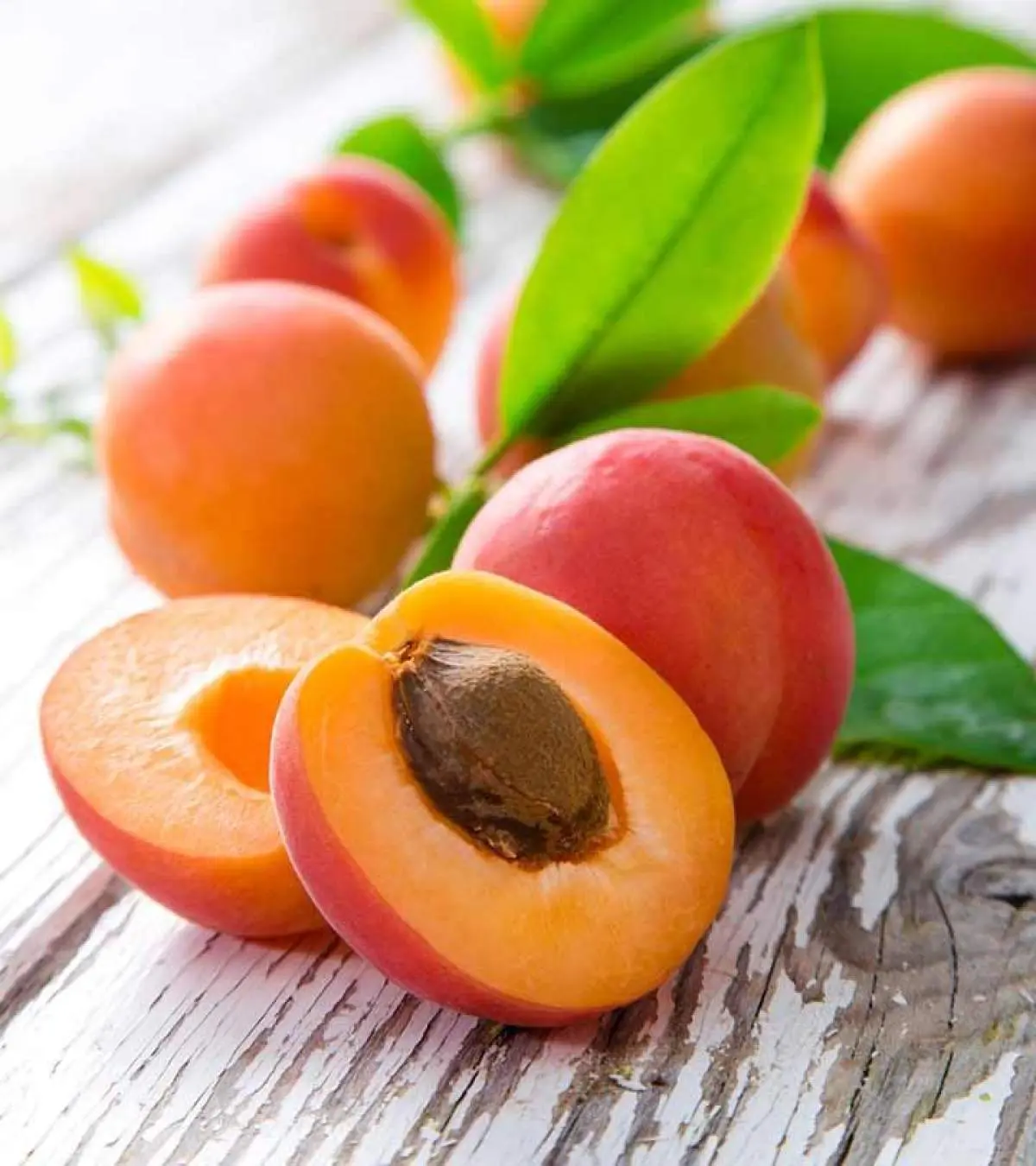
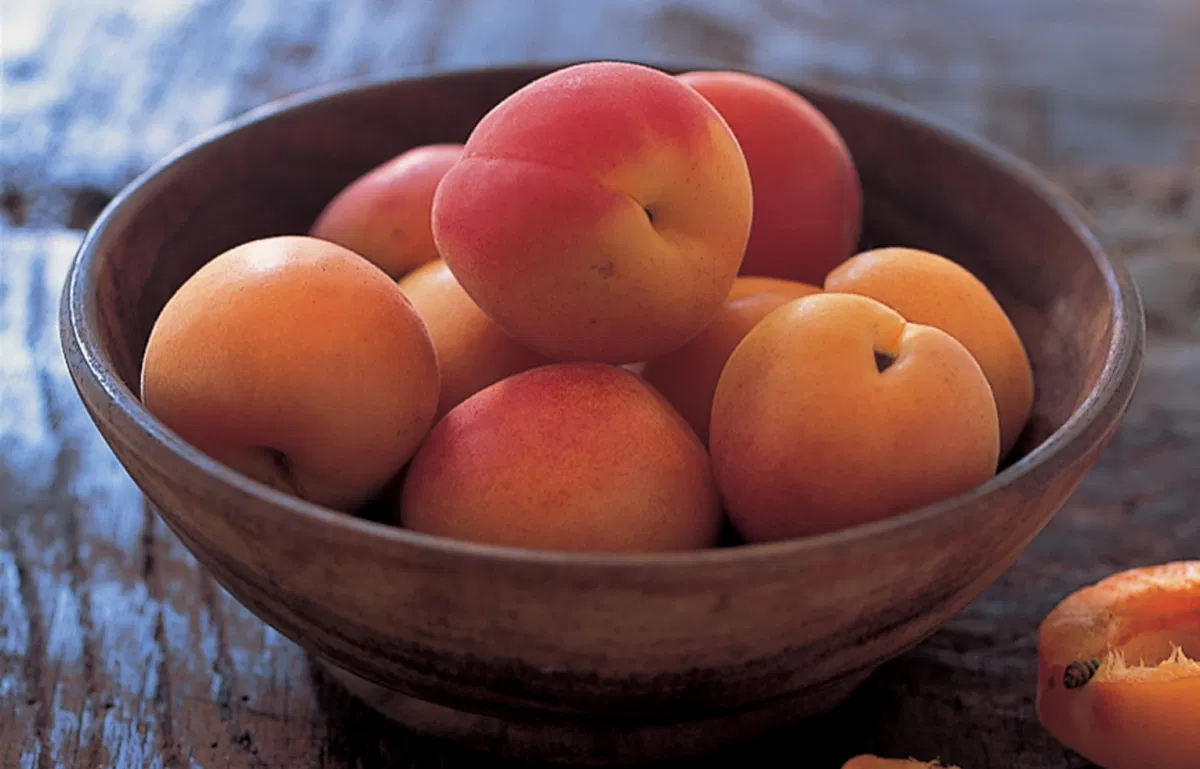
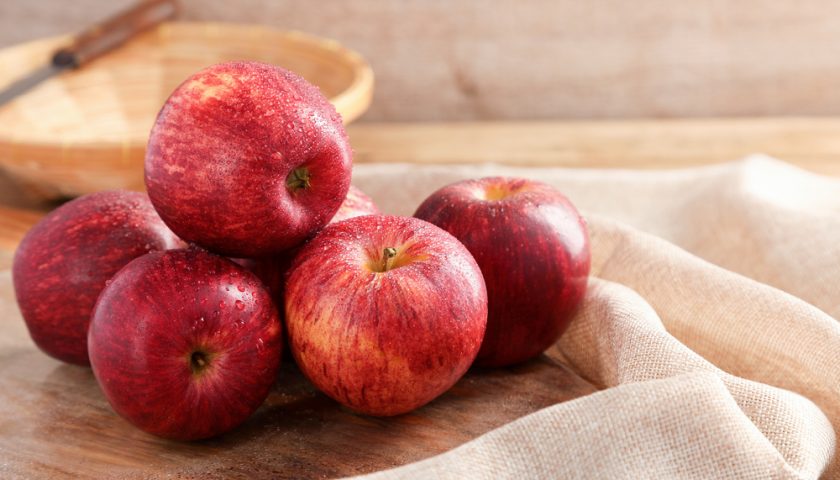
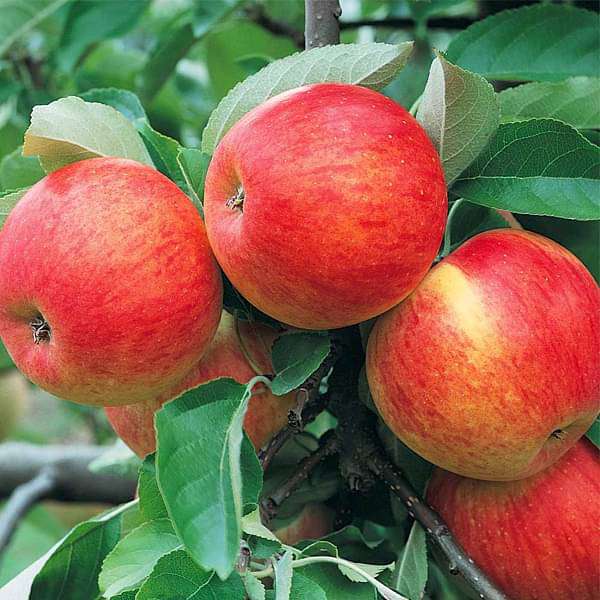
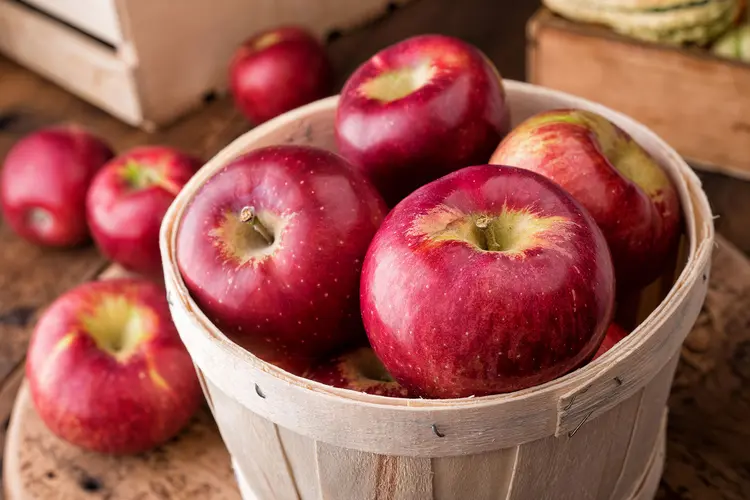
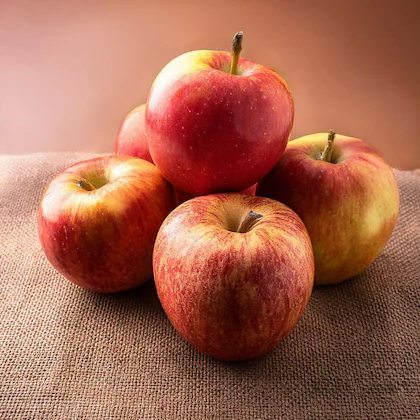
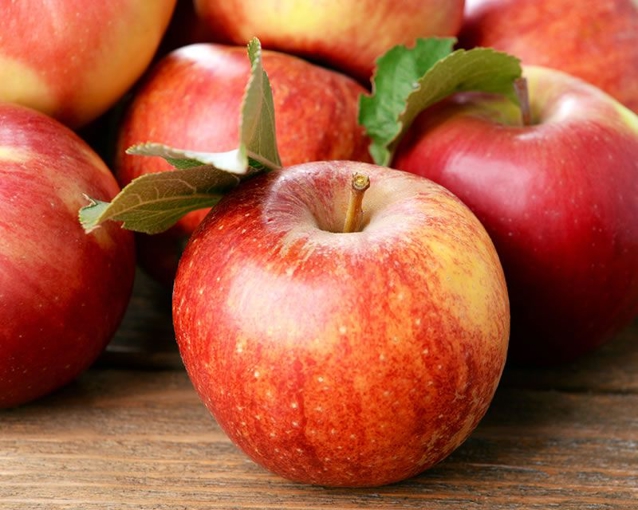
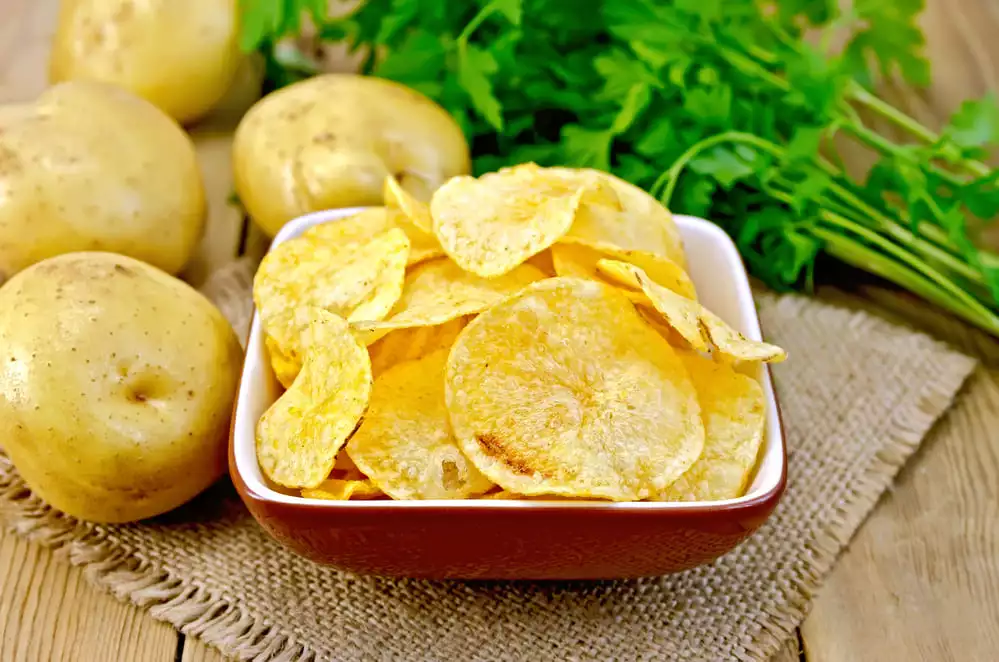
Koushyar Company operates out of Germany and currently lists 13 active products in its catalogue. The list includes fresh whole apples (HS 0808.10, material Fresh Whole Fruit - Malus domestica), oranges, bell pepper (capsicum), kiwi, dates and other dried fruits, cherry, peach, apricot (HS 0813.30, material Dried Prunus Armeniaca), pomegranate, watermelon, lime and lemon, lettuce, and potato. The catalogue groups the fruit items under the broader categories of Apple, Orange, Fresh Capsicum, Kiwi, Dates, Fresh Fruits, Peach and Apricot. Each entry follows the standard HS nomenclature used for fresh or dried produce. The supplier’s trust tier is listed as harbor, indicating a mid‑level verification level in the platform.
Product Range and Specialties of Koushyar Company
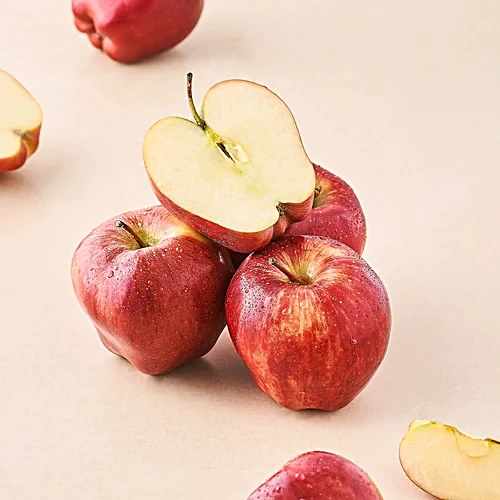
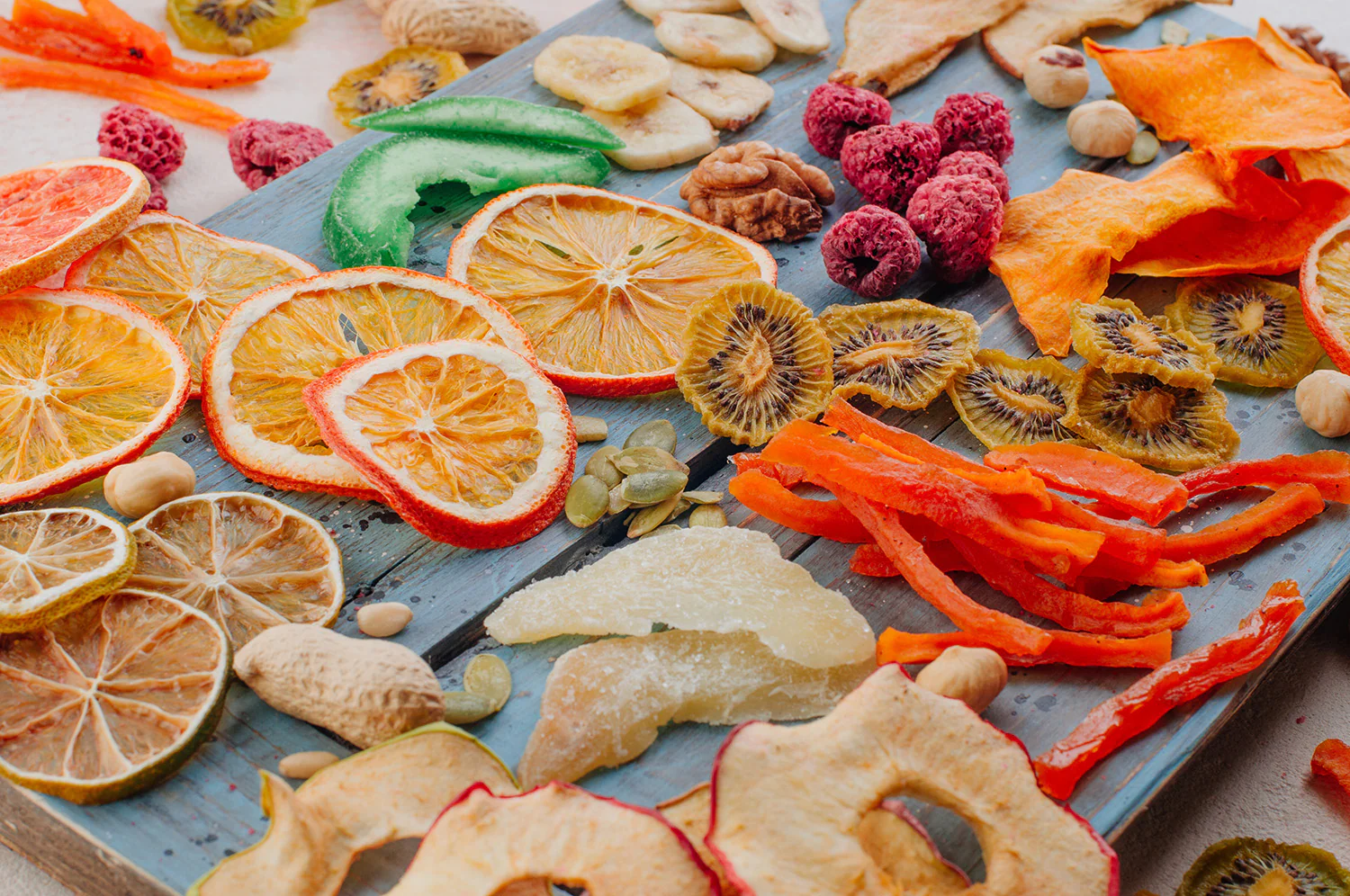
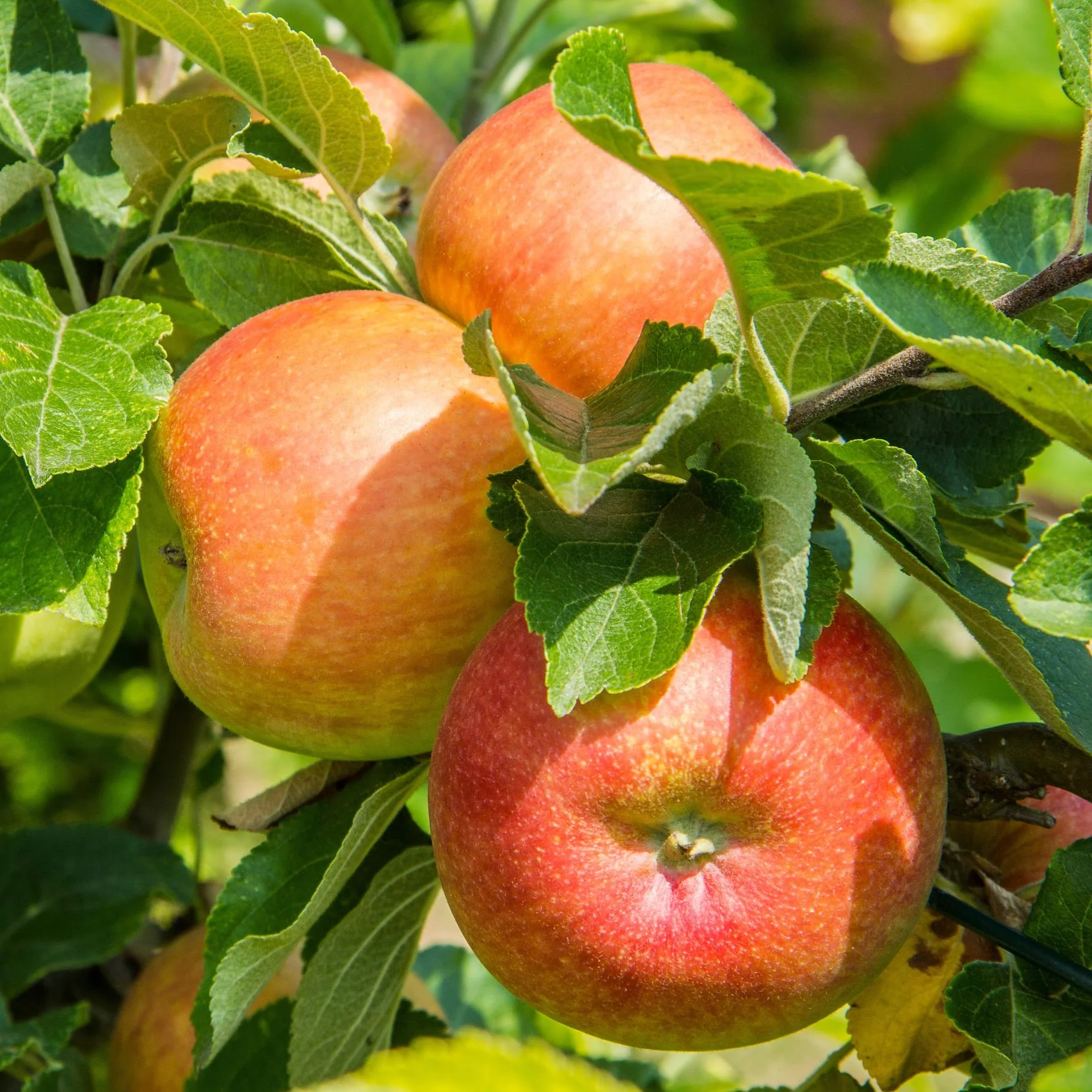
The catalogue includes fresh whole apples, oranges, bell pepper, kiwi, cherry, peach, pomegranate, watermelon, lime and lemon, lettuce and potato, as well as dried dates and apricots. In the fresh fruit market, apples are commonly graded by size (65‑75 mm diameter), colour and sugar content (Brix 11‑14), with Class I representing the highest visual quality. Bell peppers are sorted by length (120‑150 mm), wall thickness and uniform colour, while kiwi is evaluated for firmness and internal Brix of 10‑12. Dried fruits such as dates and apricots are typically sold with moisture levels below 15 % and a total sugar content above 70 % by weight. Industry standards often require compliance with GlobalGAP, BRC Global Standards and ISO 22000 for food safety, and many European buyers request EU organic certification for fruit shipments.
Trade and Export Information - Koushyar Company
Germany is a major exporter of fresh and dried fruit within the European Union and to markets in the Middle East, North Africa and the CIS region. Products classified under HS 08 (e.g., apples, oranges, apricots) are usually shipped in ventilated cardboard boxes or wooden crates on Euro pallets, with container loads of 20 ft or 40 ft depending on volume. Dried fruits such as dates and apricots are packed in multi‑layer bags or bulk boxes, often in 20 ft containers. Commonly required certifications include phytosanitary certificates, GlobalGAP audit reports and, where applicable, EU organic certificates. Buyers typically request the HS code declaration, a commercial invoice, packing list and a certificate of origin, and shipments are frequently handled under FOB or CIF Incoterms.
Sourcing from Koushyar Company - Buyer Guidance
When sourcing from Koushyar Company, buyers should request a sample batch that reflects the size, colour and Brix range expected for the specific fruit, and compare it against the supplier’s product specification sheet. It is advisable to obtain the latest GlobalGAP audit report, phytosanitary certificate and, for dried apricots, a moisture analysis report before confirming the order. Verify that the HS codes provided (0808.10 for fresh apples, 0813.30 for dried apricots) match the intended customs declaration, and confirm packaging details such as crate dimensions and pallet configuration. Typical minimum order quantities are around 5 tonnes for fresh fruit and 2 tonnes for dried fruit, with lead times of 30‑45 days from order confirmation to shipment.
Frequently Asked Questions About Koushyar Company
What fresh fruit products does Koushyar Company list?
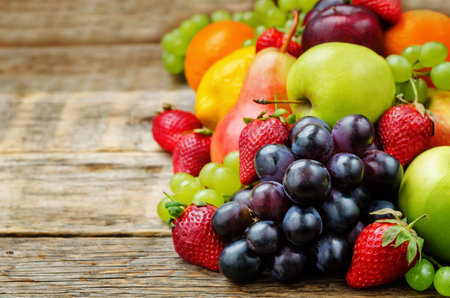
The supplier lists fresh apples (HS 0808.10), oranges, bell pepper, kiwi, cherry, peach, pomegranate, watermelon, lime and lemon, lettuce and potato, plus dried dates and apricots (HS 0813.30). Each product is presented under its respective fruit or vegetable category in the catalogue.
Are HS codes provided for all products?
HS codes are supplied for apples (0808.10) and dried apricots (0813.30); other items are typically classified under the standard HS 08 or 07 chapters for fresh fruit and vegetables. The supplier’s catalogue reflects these common classifications.
Which certifications should a buyer request?
Buyers should request the supplier’s GlobalGAP audit report, a phytosanitary certificate, and any EU organic certification if organic status is required. Additional food‑safety certifications such as BRC or ISO 22000 are also commonly requested for fruit imports.
What are the typical packaging methods for the fresh fruit range?
Fresh fruits are usually packed in ventilated cardboard boxes or wooden crates on Euro pallets, with crate sizes designed to fit 20 ft or 40 ft containers. Dried fruits are packed in bulk bags or sealed cartons suitable for container loading.
What is the usual minimum order quantity and lead time?
Minimum order quantities are generally about 5 tonnes for fresh produce and 2 tonnes for dried fruits. Lead times typically range from 30 to 45 days depending on the product and seasonal availability.
How are shipments typically handled in terms of Incoterms?
Export transactions from Germany often use FOB (Free on Board) or CIF (Cost, Insurance, Freight) terms, allowing the buyer to choose the preferred responsibility for freight and insurance. These terms are standard for fruit and vegetable shipments.
What quality parameters are used for apples?
Apples are graded by size (65‑75 mm diameter), colour, firmness and sugar content (Brix 11‑14). Class I represents the highest visual quality and is the most sought after by premium buyers.
How can a buyer verify the origin of the goods?
The supplier can provide a certificate of origin together with the HS code declaration, which together confirm that the fruit originates from Germany. These documents are required for customs clearance in most importing countries.




 , Germany