Kotinochi JSC — Verified Supplier

About Kotinochi JSC - Coco Peat & Coir Pith Supplier in Viet Nam

Vietnam‑based Kotinochi JSC lists 22 active products across several agricultural and personal‑protective‑equipment categories. The catalogue includes Fresh Cavendish Banana (HS 0803.90), 100 % Natural Fresh Aloe Vera Leaves, multiple coco peat variants, corn silage feeds, animal food, and polypropylene non‑woven face‑mask items (HS 6307.90) as well as Coir Pith and Coir Fibre (HS 5305.11). Each entry reflects a specific material type, ranging from fresh fruit and plant fibres to polymer‑based disposable masks. The supplier’s top categories are recorded as Coco Peat & Coir Pith, Animal & Cattle Feed, Nitrile Disposable Gloves, Aloe Vera, Corn, 3‑Ply Face Mask, Banana and Herbal Products. No additional corporate history, revenue figures or client names are provided, and the only HS codes disclosed correspond to the banana, mask and coir products listed above.

Product Range and Specialties of Kotinochi JSC

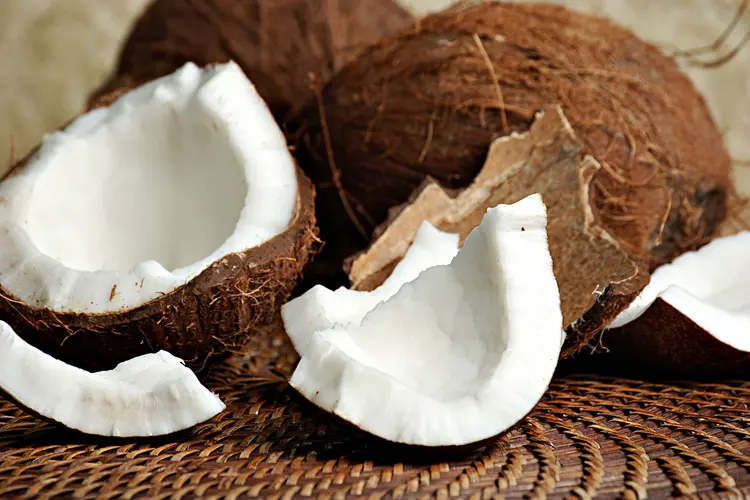
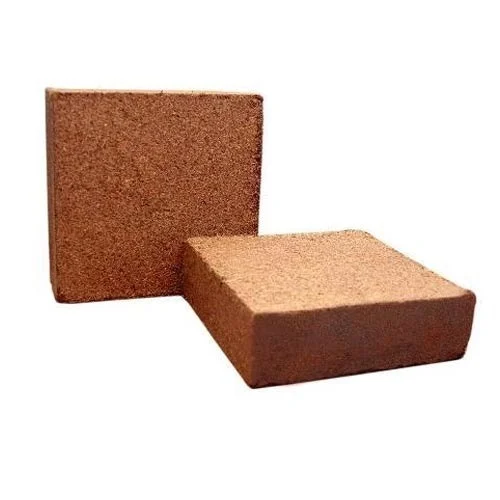
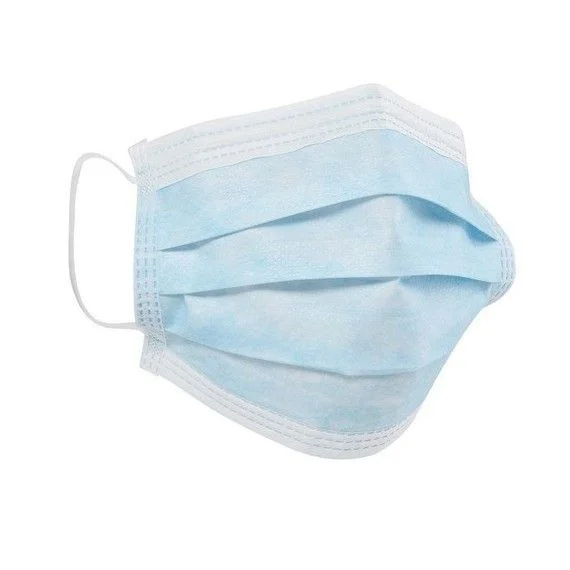
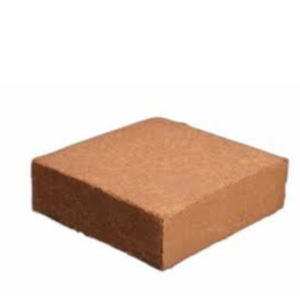
Kotinochi JSC’s product list covers fresh Cavendish bananas, whole‑leaf aloe vera, several grades of coco peat (including “Cocopeat For Plant” and “Coco Peat For Growing Plants”), corn silage (both standard and high‑protein mixes), animal feed, and disposable three‑layer polypropylene masks. In the banana segment, exporters typically grade fruit by size (e.g., 18‑20 cm) and B‑grade standards for export freshness. Coco peat used for horticulture is commonly specified by bulk density (150‑250 kg m⁻³), pH (5.5‑6.5) and electrical conductivity (<1 mS cm⁻¹). Corn silage for feed is evaluated on dry‑matter content (30‑35 %) and crude protein (8‑12 %). Disposable masks are produced from SMS (spunbond‑meltblown‑spunbond) polypropylene and are often required to meet ASTM F2100 Level 2 or EN 14683 Type II specifications.

Trade and Export Information - Kotinochi JSC

Vietnam is a major exporter of tropical fruit, horticultural substrates and agricultural feed, with the EU, China and the United States representing the largest import markets for bananas and coco peat. HS 0803 covers fresh bananas, while HS 5305 applies to coconut husk products, and HS 6307 to non‑woven textile articles such as face masks. Typical export documentation includes phytosanitary certificates for fresh produce, a certificate of origin, and for masks, a test report demonstrating compliance with ASTM or EN standards. Buyers often request CE marking or ISO 13485 for PPE, and GMP or ISO 22000 for food‑grade aloe vera extracts. Shipping is usually in 20‑ft or 40‑ft containers; coco peat is palletized in breathable bags, bananas are packed in ventilated cartons, and masks are boxed in bulk with moisture‑absorbing liners.

Sourcing from Kotinochi JSC - Buyer Guidance

When sourcing bananas from Kotinochi JSC, request a recent phytosanitary certificate, a moisture content analysis (typically 75‑80 %) and size grading documentation. For coco peat, ask for a material safety data sheet, bulk density, pH and EC test results, and confirmation that the product complies with any relevant EU plant‑substrate regulations. Corn silage orders should be accompanied by a laboratory analysis showing dry‑matter and protein percentages, as well as a mycotoxin screening report. For the polypropylene masks, obtain the ASTM F2100 or EN 14683 test report, a CE declaration of conformity if targeting the European market, and details on the SMS fabric weight (usually 30‑45 g m⁻²). In all cases, verify the HS code used on the commercial invoice matches the product listed in the catalogue.

Frequently Asked Questions About Kotinochi JSC

What HS codes does Kotinochi JSC use for its banana exports?

The Fresh Cavendish Banana is listed under HS code 0803.90, which covers other fresh fruit of the banana genus.

Are the face‑mask products certified to any safety standard?

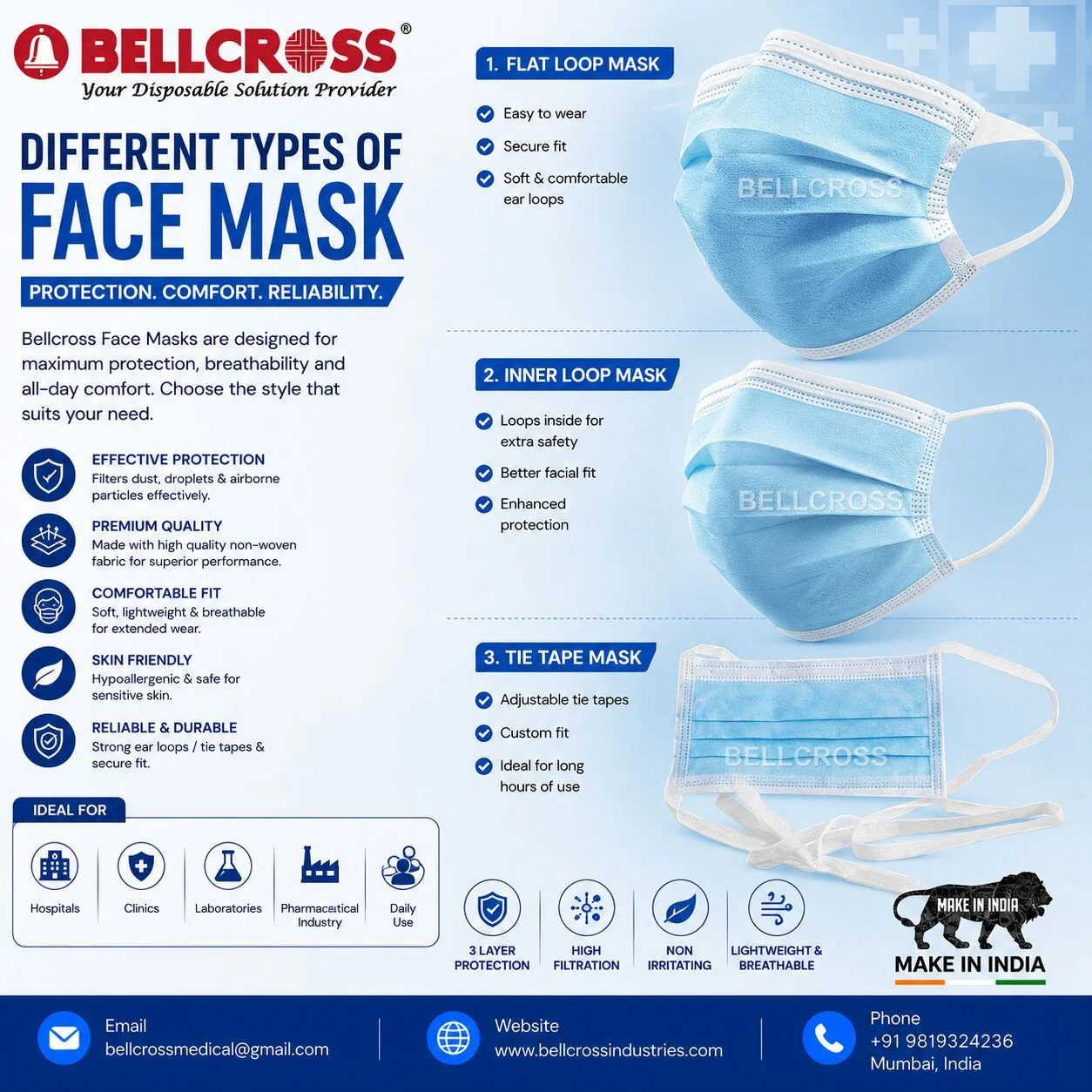
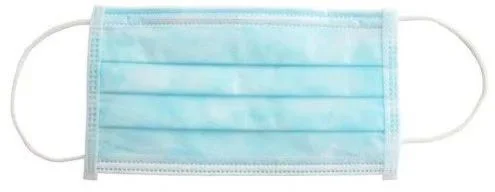
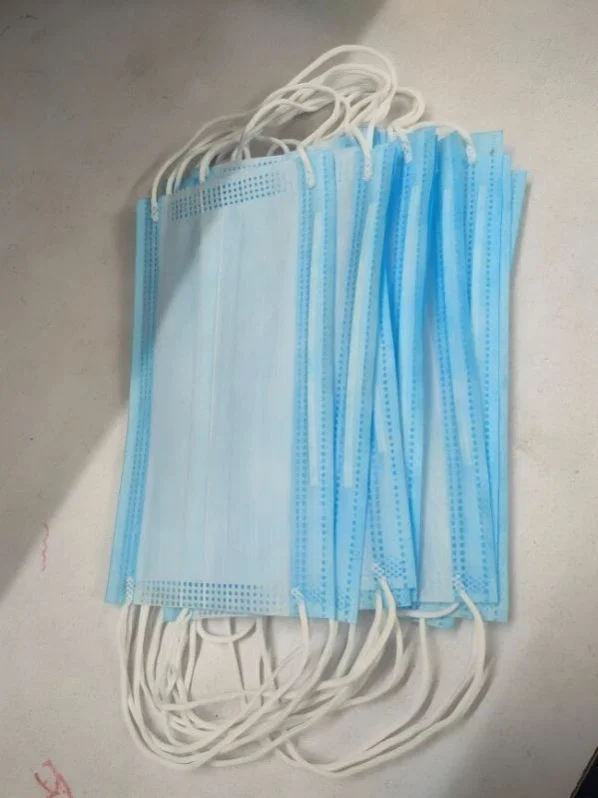
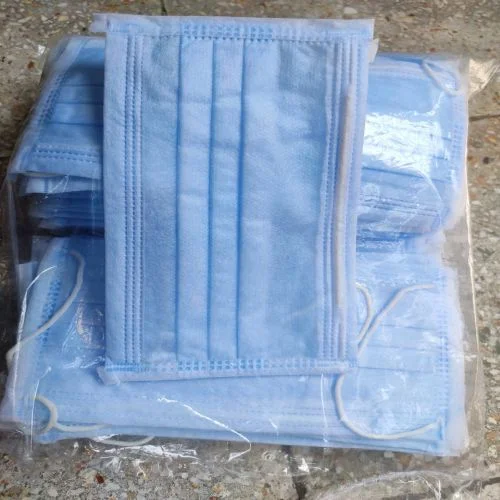
The catalogue cites HS code 6307.90 for the 3‑Ply Disposable Face‑mask and 3‑Layer Mask, indicating they are polypropylene non‑woven SMS fabrics. Buyers should request ASTM F2100 or EN 14683 test reports to confirm compliance.

Which documentation is needed for importing the coco peat products?

Typical imports require a phytosanitary certificate, a material safety data sheet, and test results for bulk density, pH and electrical conductivity. These confirm suitability for horticultural use.

What quality parameters are common for corn silage supplied by Kotinochi JSC?

Corn silage is usually evaluated on dry‑matter content (30‑35 %), crude protein (8‑12 %) and moisture level. Laboratory analysis sheets should be provided before shipment.

Does Kotinochi JSC produce any animal feed besides corn silage?

The catalogue lists a generic “Animal Food” product and “Jumbo Bag Corn Silage Animal Feed,” indicating animal feed offerings are based on corn silage formulations.

Can I obtain a sample of the aloe vera leaf or gel before placing a bulk order?

A sample request should specify whether the need is for fresh leaves, whole‑leaf gel or extracted gel; suppliers typically provide a small quantity along with a GMP or ISO 22000 compliance statement.

What packaging formats are used for the exported products?

Bananas are packed in ventilated cardboard cartons, coco peat in breathable bulk bags, corn silage in jumbo bags (often 1 ton capacity), and masks in sealed cardboard boxes with moisture‑absorbing liners.

Which regions are the primary import markets for Kotinochi JSC’s products?

Vietnamese exporters of bananas, coco peat and agricultural feed commonly ship to the European Union, North America, and East Asian markets such as China, Japan and South Korea.


Featured Products from this Supplier

Other Suppliers in Primary Category

Top Trusted Suppliers

Related Products

Trending in Parent Category

More Suppliers in Category

Related Products

Other Suppliers

EximNext
58.4K+ live requirements
Register Free🎁 5 free buy-lead credits
Post Requirement
🌍 Trusted by 224.3K+ businesses in 200+ countries|
58.4K+ active requirements right now
✉️ [email protected]
|
Sell on EximNextPost Requirement
EximNext
AgricultureApparelConstructionElectronicFoodHomeIndustrialMineralsMiscellaneous
🔥 Deals|✨ AI Match|🏭 Suppliers|📋 Buy Leads|💰 Trade Finance|⭐ Upgrade
58.4K+ live RFQs·194.4K+ suppliers
🎁 5 free credits →
EximNext
EximNext
Register Free
🎁 5 free buy-lead credits
Sign In
📋Post Requirement💬Get QuotesAI Match📋RFQ Marketplace
All Categories
Services & Tools
🏭Supplier Directory🔥Today's Deals💰Trade FinanceMembership
Sell on EximNext
AboutContactBlogHelp
🏭

Kotinochi JSC

Harbor
Country flag , Viet Nam
🛡️
77/100
Trust Score

Kotinochi JSC Product Catalog

Showing 12 of 28 products
View all products →
Coconut Peat
Harbor
Coconut Peat
Contact
MOQ: 1 Unit
Coco Peat
Harbor
Coco Peat
Contact
MOQ: 1 Unit
3 Layer Mask
Harbor
3 Layer Mask
Contact
MOQ: 1 Unit
Quality Blue Medical Gloves
Harbor
Quality Blue Medical Gloves
Contact
MOQ: 1 Unit
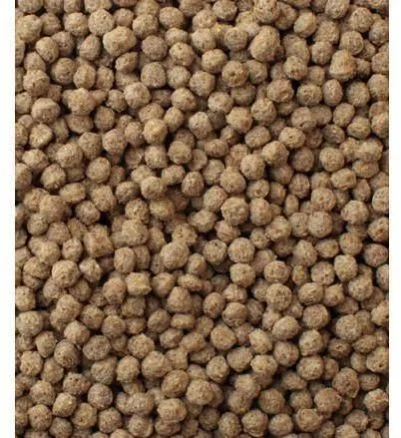
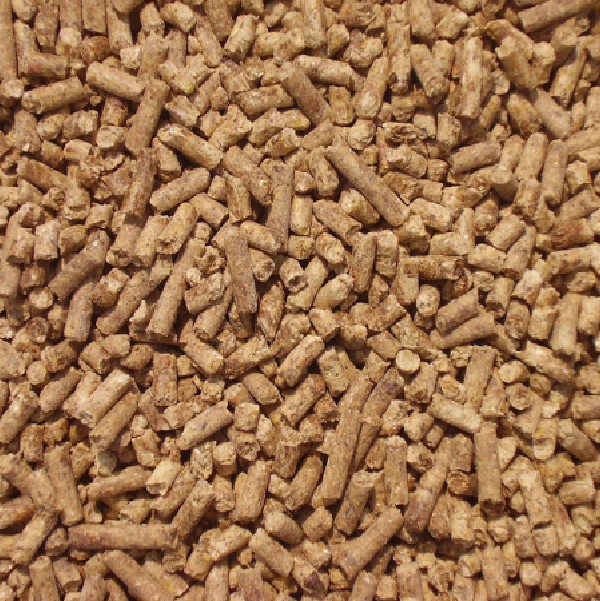
Animal Food
Harbor
Animal Food
Contact
MOQ: 1 Unit
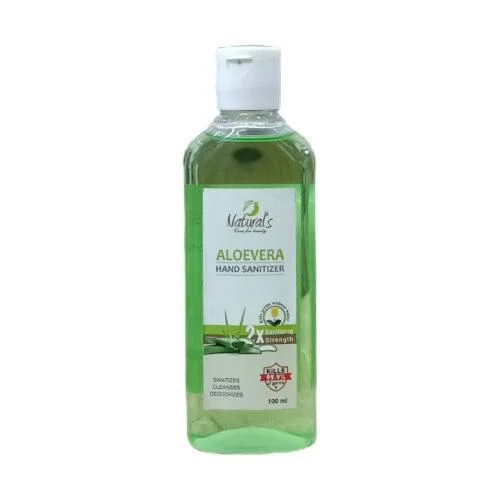
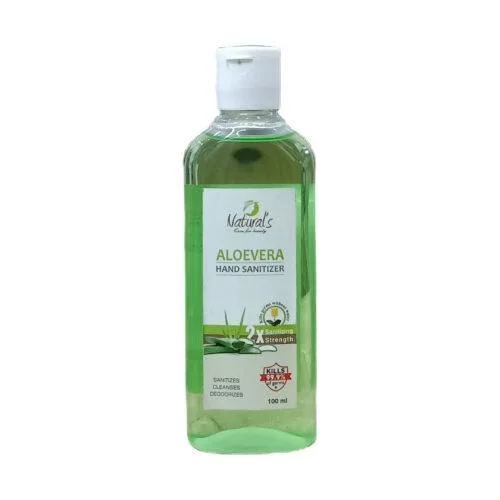
Aloe Vera Hand Sanitizer Gel
Harbor
Aloe Vera Hand Sanitizer Gel
Contact
MOQ: 1 Unit
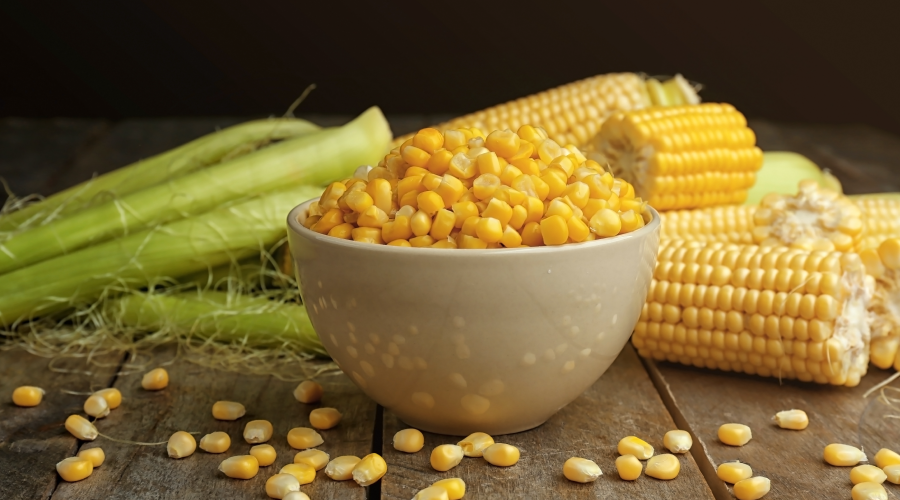
Corn Stalks
Harbor
Corn Stalks
Contact
MOQ: 1 Unit
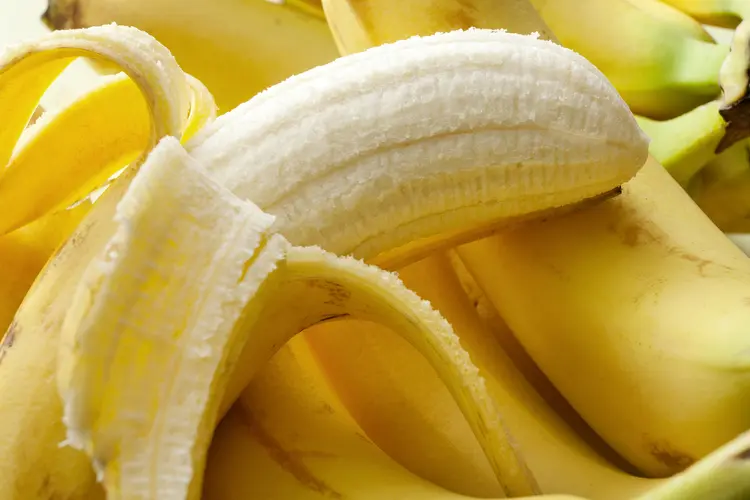
Cavendish Banana
Harbor
Cavendish Banana
Contact
MOQ: 1 Unit
Coir Pith And Coir Fibre
Harbor
Coir Pith And Coir Fibre
Contact
MOQ: 1 Unit
Semi Trailer
Harbor
Semi Trailer
Contact
MOQ: 1 Unit
3 Ply Disposable Face-mask
Harbor
3 Ply Disposable Face-mask
Contact
MOQ: 1 Unit
3 Ply Disposable Face Mask
Harbor
3 Ply Disposable Face Mask
Contact
MOQ: 1 Unit

About Kotinochi JSC - Coco Peat & Coir Pith Supplier in Viet Nam

Vietnam‑based Kotinochi JSC lists 22 active products across several agricultural and personal‑protective‑equipment categories. The catalogue includes Fresh Cavendish Banana (HS 0803.90), 100 % Natural Fresh Aloe Vera Leaves, multiple coco peat variants, corn silage feeds, animal food, and polypropylene non‑woven face‑mask items (HS 6307.90) as well as Coir Pith and Coir Fibre (HS 5305.11). Each entry reflects a specific material type, ranging from fresh fruit and plant fibres to polymer‑based disposable masks. The supplier’s top categories are recorded as Coco Peat & Coir Pith, Animal & Cattle Feed, Nitrile Disposable Gloves, Aloe Vera, Corn, 3‑Ply Face Mask, Banana and Herbal Products. No additional corporate history, revenue figures or client names are provided, and the only HS codes disclosed correspond to the banana, mask and coir products listed above.

Product Range and Specialties of Kotinochi JSC

Kotinochi JSC’s product list covers fresh Cavendish bananas, whole‑leaf aloe vera, several grades of coco peat (including “Cocopeat For Plant” and “Coco Peat For Growing Plants”), corn silage (both standard and high‑protein mixes), animal feed, and disposable three‑layer polypropylene masks. In the banana segment, exporters typically grade fruit by size (e.g., 18‑20 cm) and B‑grade standards for export freshness. Coco peat used for horticulture is commonly specified by bulk density (150‑250 kg m⁻³), pH (5.5‑6.5) and electrical conductivity (<1 mS cm⁻¹). Corn silage for feed is evaluated on dry‑matter content (30‑35 %) and crude protein (8‑12 %). Disposable masks are produced from SMS (spunbond‑meltblown‑spunbond) polypropylene and are often required to meet ASTM F2100 Level 2 or EN 14683 Type II specifications.

Trade and Export Information - Kotinochi JSC

Vietnam is a major exporter of tropical fruit, horticultural substrates and agricultural feed, with the EU, China and the United States representing the largest import markets for bananas and coco peat. HS 0803 covers fresh bananas, while HS 5305 applies to coconut husk products, and HS 6307 to non‑woven textile articles such as face masks. Typical export documentation includes phytosanitary certificates for fresh produce, a certificate of origin, and for masks, a test report demonstrating compliance with ASTM or EN standards. Buyers often request CE marking or ISO 13485 for PPE, and GMP or ISO 22000 for food‑grade aloe vera extracts. Shipping is usually in 20‑ft or 40‑ft containers; coco peat is palletized in breathable bags, bananas are packed in ventilated cartons, and masks are boxed in bulk with moisture‑absorbing liners.

Sourcing from Kotinochi JSC - Buyer Guidance

When sourcing bananas from Kotinochi JSC, request a recent phytosanitary certificate, a moisture content analysis (typically 75‑80 %) and size grading documentation. For coco peat, ask for a material safety data sheet, bulk density, pH and EC test results, and confirmation that the product complies with any relevant EU plant‑substrate regulations. Corn silage orders should be accompanied by a laboratory analysis showing dry‑matter and protein percentages, as well as a mycotoxin screening report. For the polypropylene masks, obtain the ASTM F2100 or EN 14683 test report, a CE declaration of conformity if targeting the European market, and details on the SMS fabric weight (usually 30‑45 g m⁻²). In all cases, verify the HS code used on the commercial invoice matches the product listed in the catalogue.

Frequently Asked Questions About Kotinochi JSC

What HS codes does Kotinochi JSC use for its banana exports?

The Fresh Cavendish Banana is listed under HS code 0803.90, which covers other fresh fruit of the banana genus.

Are the face‑mask products certified to any safety standard?

The catalogue cites HS code 6307.90 for the 3‑Ply Disposable Face‑mask and 3‑Layer Mask, indicating they are polypropylene non‑woven SMS fabrics. Buyers should request ASTM F2100 or EN 14683 test reports to confirm compliance.

Which documentation is needed for importing the coco peat products?

Typical imports require a phytosanitary certificate, a material safety data sheet, and test results for bulk density, pH and electrical conductivity. These confirm suitability for horticultural use.

What quality parameters are common for corn silage supplied by Kotinochi JSC?

Corn silage is usually evaluated on dry‑matter content (30‑35 %), crude protein (8‑12 %) and moisture level. Laboratory analysis sheets should be provided before shipment.

Does Kotinochi JSC produce any animal feed besides corn silage?

The catalogue lists a generic “Animal Food” product and “Jumbo Bag Corn Silage Animal Feed,” indicating animal feed offerings are based on corn silage formulations.

Can I obtain a sample of the aloe vera leaf or gel before placing a bulk order?

A sample request should specify whether the need is for fresh leaves, whole‑leaf gel or extracted gel; suppliers typically provide a small quantity along with a GMP or ISO 22000 compliance statement.

What packaging formats are used for the exported products?

Bananas are packed in ventilated cardboard cartons, coco peat in breathable bulk bags, corn silage in jumbo bags (often 1 ton capacity), and masks in sealed cardboard boxes with moisture‑absorbing liners.

Which regions are the primary import markets for Kotinochi JSC’s products?

Vietnamese exporters of bananas, coco peat and agricultural feed commonly ship to the European Union, North America, and East Asian markets such as China, Japan and South Korea.

About Kotinochi JSC - Coco Peat & Coir Pith Supplier in Viet Nam

Vietnam‑based Kotinochi JSC lists 22 active products across several agricultural and personal‑protective‑equipment categories. The catalogue includes Fresh Cavendish Banana (HS 0803.90), 100 % Natural Fresh Aloe Vera Leaves, multiple coco peat variants, corn silage feeds, animal food, and polypropylene non‑woven face‑mask items (HS 6307.90) as well as Coir Pith and Coir Fibre (HS 5305.11). Each entry reflects a specific material type, ranging from fresh fruit and plant fibres to polymer‑based disposable masks. The supplier’s top categories are recorded as Coco Peat & Coir Pith, Animal & Cattle Feed, Nitrile Disposable Gloves, Aloe Vera, Corn, 3‑Ply Face Mask, Banana and Herbal Products. No additional corporate history, revenue figures or client names are provided, and the only HS codes disclosed correspond to the banana, mask and coir products listed above.

Product Range and Specialties of Kotinochi JSC

Kotinochi JSC’s product list covers fresh Cavendish bananas, whole‑leaf aloe vera, several grades of coco peat (including “Cocopeat For Plant” and “Coco Peat For Growing Plants”), corn silage (both standard and high‑protein mixes), animal feed, and disposable three‑layer polypropylene masks. In the banana segment, exporters typically grade fruit by size (e.g., 18‑20 cm) and B‑grade standards for export freshness. Coco peat used for horticulture is commonly specified by bulk density (150‑250 kg m⁻³), pH (5.5‑6.5) and electrical conductivity (<1 mS cm⁻¹). Corn silage for feed is evaluated on dry‑matter content (30‑35 %) and crude protein (8‑12 %). Disposable masks are produced from SMS (spunbond‑meltblown‑spunbond) polypropylene and are often required to meet ASTM F2100 Level 2 or EN 14683 Type II specifications.

Trade and Export Information - Kotinochi JSC

Vietnam is a major exporter of tropical fruit, horticultural substrates and agricultural feed, with the EU, China and the United States representing the largest import markets for bananas and coco peat. HS 0803 covers fresh bananas, while HS 5305 applies to coconut husk products, and HS 6307 to non‑woven textile articles such as face masks. Typical export documentation includes phytosanitary certificates for fresh produce, a certificate of origin, and for masks, a test report demonstrating compliance with ASTM or EN standards. Buyers often request CE marking or ISO 13485 for PPE, and GMP or ISO 22000 for food‑grade aloe vera extracts. Shipping is usually in 20‑ft or 40‑ft containers; coco peat is palletized in breathable bags, bananas are packed in ventilated cartons, and masks are boxed in bulk with moisture‑absorbing liners.

Sourcing from Kotinochi JSC - Buyer Guidance

When sourcing bananas from Kotinochi JSC, request a recent phytosanitary certificate, a moisture content analysis (typically 75‑80 %) and size grading documentation. For coco peat, ask for a material safety data sheet, bulk density, pH and EC test results, and confirmation that the product complies with any relevant EU plant‑substrate regulations. Corn silage orders should be accompanied by a laboratory analysis showing dry‑matter and protein percentages, as well as a mycotoxin screening report. For the polypropylene masks, obtain the ASTM F2100 or EN 14683 test report, a CE declaration of conformity if targeting the European market, and details on the SMS fabric weight (usually 30‑45 g m⁻²). In all cases, verify the HS code used on the commercial invoice matches the product listed in the catalogue.

Frequently Asked Questions About Kotinochi JSC
What HS codes does Kotinochi JSC use for its banana exports?
The Fresh Cavendish Banana is listed under HS code 0803.90, which covers other fresh fruit of the banana genus.
Are the face‑mask products certified to any safety standard?
The catalogue cites HS code 6307.90 for the 3‑Ply Disposable Face‑mask and 3‑Layer Mask, indicating they are polypropylene non‑woven SMS fabrics. Buyers should request ASTM F2100 or EN 14683 test reports to confirm compliance.
Which documentation is needed for importing the coco peat products?
Typical imports require a phytosanitary certificate, a material safety data sheet, and test results for bulk density, pH and electrical conductivity. These confirm suitability for horticultural use.
What quality parameters are common for corn silage supplied by Kotinochi JSC?
Corn silage is usually evaluated on dry‑matter content (30‑35 %), crude protein (8‑12 %) and moisture level. Laboratory analysis sheets should be provided before shipment.
Does Kotinochi JSC produce any animal feed besides corn silage?
The catalogue lists a generic “Animal Food” product and “Jumbo Bag Corn Silage Animal Feed,” indicating animal feed offerings are based on corn silage formulations.
Can I obtain a sample of the aloe vera leaf or gel before placing a bulk order?
A sample request should specify whether the need is for fresh leaves, whole‑leaf gel or extracted gel; suppliers typically provide a small quantity along with a GMP or ISO 22000 compliance statement.
What packaging formats are used for the exported products?
Bananas are packed in ventilated cardboard cartons, coco peat in breathable bulk bags, corn silage in jumbo bags (often 1 ton capacity), and masks in sealed cardboard boxes with moisture‑absorbing liners.
Which regions are the primary import markets for Kotinochi JSC’s products?
Vietnamese exporters of bananas, coco peat and agricultural feed commonly ship to the European Union, North America, and East Asian markets such as China, Japan and South Korea.

🏭
Kotinochi JSC
Country flag , Viet Nam
Harbor
77/100
Trust Score
📦
28
Products
Free to contact — no commission
Escrow payment available
Verified business identity
Compare more suppliers
Post a requirement — get 10 quotes free
Let verified suppliers compete for your business. Free, fast, no commitment.
EximNext Verified Supplier
Business identity verified
Physical address confirmed
Financial history checked
Certifications authenticated
Trade references validated
Due Diligence
Verify this supplier's real shipping history.
Every shipment, every buyer, every port. Trade data that can't be faked.
Run due diligence →
Discover More

Related Suppliers & Products

Explore similar suppliers, related products and trending categories

Featured Products from this Supplier

Other Suppliers in Primary Category

Top Trusted Suppliers

Related Products

Trending in Parent Category

More Suppliers in Category

Stay ahead in global trade
Weekly market insights & new supplier alerts.
EximNext
Exim Next is a leading global B2B marketplace, connecting over 205,000 verified suppliers and buyers across 200+ countries. As a trusted import export marketplace, it serves as the essential B2B portal for businesses worldwide, empowering them to expand their international reach. With Exim Next, businesses can trade smarter and grow faster.
SECURE PAYMENTS
VISAMastercardPayPalSWIFTL/CEscrow
Follow us
© 2026 EximNext