Khetan Group — Verified Supplier

About Khetan Group - Scientific Instruments Supplier in India

Khetan Group, based in India, offers a range of 6 products, primarily focused on Scientific Instruments. The company lists Cenosphere, Silica ramming mass, Magnetite powder, Microsilica, Laddle covering compound, and Premium Telescopic Channel in its catalogue. These products cater to specific needs in the scientific instruments industry, with applications in various fields such as research, education, and industrial processes. India, being a significant hub for scientific instrument manufacturing, exports these goods to regions like the Middle East, Africa, and Southeast Asia. The country's strategic location and well-developed logistics infrastructure facilitate the efficient export of these products.

Exporters of scientific instruments from India, like Khetan Group, typically adhere to international standards and regulations, ensuring the quality and reliability of their products. Buyers from countries like the United States, the United Kingdom, and Australia usually require compliance with standards such as ISO 9001 and ISO 13485 for medical devices. The HS code families involved in the export of scientific instruments include 9027 for optical instruments and 9031 for other instruments.

Product Range and Specialties of Khetan Group

Khetan Group's product range includes Cenosphere, Silica ramming mass, Magnetite powder, Microsilica, Laddle covering compound, and Premium Telescopic Channel. These products are used in various applications, including industrial processes, research, and education. The typical grades and standard specifications for these products vary, with Cenosphere typically having a purity of 98% and Silica ramming mass having a grain size of 0.1-1 mm. Microsilica, used as a reinforcing filler in rubber and plastics, usually has a surface area of 100-200 m^2/g and a particle size of 0.01-0.1 um.

Buyers of scientific instruments usually require products that meet specific standards and regulations, such as ISO 9001 for quality management and ISO 13485 for medical devices. The materials used in these products, such as silicon dioxide and iron oxide, are typically of high purity and are sourced from reputable suppliers. The common variants of these products include different particle sizes, purities, and packaging options, such as 20 kg or 40 kg bags, or 20 ft or 40 ft containers.

Trade and Export Information - Khetan Group

The trade and export of scientific instruments from India, including those from Khetan Group, involve compliance with various regulations and standards. Exporters typically need to adhere to regulations such as the Export and Import Policy of India and the HS code classification system. The HS code families involved in the export of scientific instruments include 9027 for optical instruments and 9031 for other instruments. The typical regions that import these goods include the Middle East, Africa, and Southeast Asia, with countries like the United Arab Emirates, South Africa, and Indonesia being significant buyers.

The certifications commonly required for scientific instruments include ISO 9001, ISO 13485, and CE marking. The packaging and shipping of these products usually involve standard procedures, such as packaging in bags or containers, and shipping via air or sea freight. The Incoterms used in the export of scientific instruments typically include CIF, FOB, and EXW. The origin-country export context for India includes the country's strategic location, well-developed logistics infrastructure, and favorable export policies.

Sourcing from Khetan Group - Buyer Guidance

When sourcing from Khetan Group, buyers should request specifications, samples, and test reports to verify the quality and reliability of the products. The typical quality parameters for scientific instruments include accuracy, precision, and durability. Buyers should also verify the compliance of the products with relevant standards and regulations, such as ISO 9001 and ISO 13485. The documents that buyers should request include certificates of conformity, test reports, and material safety data sheets.

Buyers should also confirm the MOQ and lead time with Khetan Group to ensure that their requirements can be met. The typical MOQ for scientific instruments can range from 10 to 100 units, and the lead time can range from 2 to 6 weeks. The packaging and shipping options should also be confirmed, including the type of packaging, shipping method, and Incoterms. Any given verification or response from the supplier should be evaluated based on the buyer's specific requirements and the typical industry standards.

Frequently Asked Questions About Khetan Group

What is the typical purity of Cenosphere?

The typical purity of Cenosphere is 98%. However, buyers should request specifications and test reports to verify the actual purity of the product.

What is the grain size of Silica ramming mass?

The grain size of Silica ramming mass can range from 0.1-1 mm. Buyers should request specifications and samples to verify the actual grain size of the product.

What is the surface area of Microsilica?

The surface area of Microsilica can range from 100-200 m^2/g. Buyers should request specifications and test reports to verify the actual surface area of the product.

What are the common packaging options for scientific instruments?

The common packaging options for scientific instruments include 20 kg or 40 kg bags, or 20 ft or 40 ft containers. Buyers should confirm the packaging options with the supplier.

What are the typical Incoterms used in the export of scientific instruments?

The typical Incoterms used in the export of scientific instruments include CIF, FOB, and EXW. Buyers should confirm the Incoterms with the supplier.

What are the certifications commonly required for scientific instruments?

The certifications commonly required for scientific instruments include ISO 9001, ISO 13485, and CE marking. Buyers should request certifications and compliance documents from the supplier.

What is the typical MOQ for scientific instruments?

The typical MOQ for scientific instruments can range from 10 to 100 units. Buyers should confirm the MOQ with the supplier.

What is the typical lead time for scientific instruments?

The typical lead time for scientific instruments can range from 2 to 6 weeks. Buyers should confirm the lead time with the supplier.


Other Suppliers in Scientific Instruments

Top Trusted Suppliers

Related Products in Scientific Instruments

Trending in Parent Category

More Suppliers in Parent Category

Related Products

Other Suppliers

EximNext
58.5K+ live requirements
Register Free🎁 Reach verified global buyers
Post Requirement
🌍 Trusted by 224.6K+ businesses in 200+ countries|
58.5K+ active requirements right now
✉️ [email protected]
|
Sell on EximNextPost Requirement
EximNext
AgricultureApparelConstructionElectronicFoodHomeIndustrialMineralsMiscellaneous
🔥 Deals|✨ AI Match|🏭 Suppliers|📋 Buy Leads|💰 Trade Finance
58.5K+ live RFQs·194.6K+ suppliers
🎁 Reach global buyers →
EximNext
EximNext
Register Free
🎁 Reach verified global buyers
Sign In
📋Post Requirement💬Get QuotesAI Match📋RFQ Marketplace
All Categories
Services & Tools
🏭Supplier Directory🔥Today's Deals💰Trade Finance
Sell on EximNext
AboutContactBlogHelp
🏭

Khetan Group

Harbor
Country flag , India
🛡️
55/100
Trust Score

Khetan Group Product Catalog

Showing 6 of 6 products
View all products →
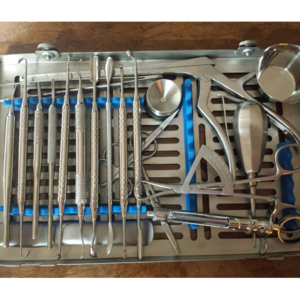
Premium Telescopic Channel
Harbor
Premium Telescopic Channel
Contact
MOQ: 1 Unit
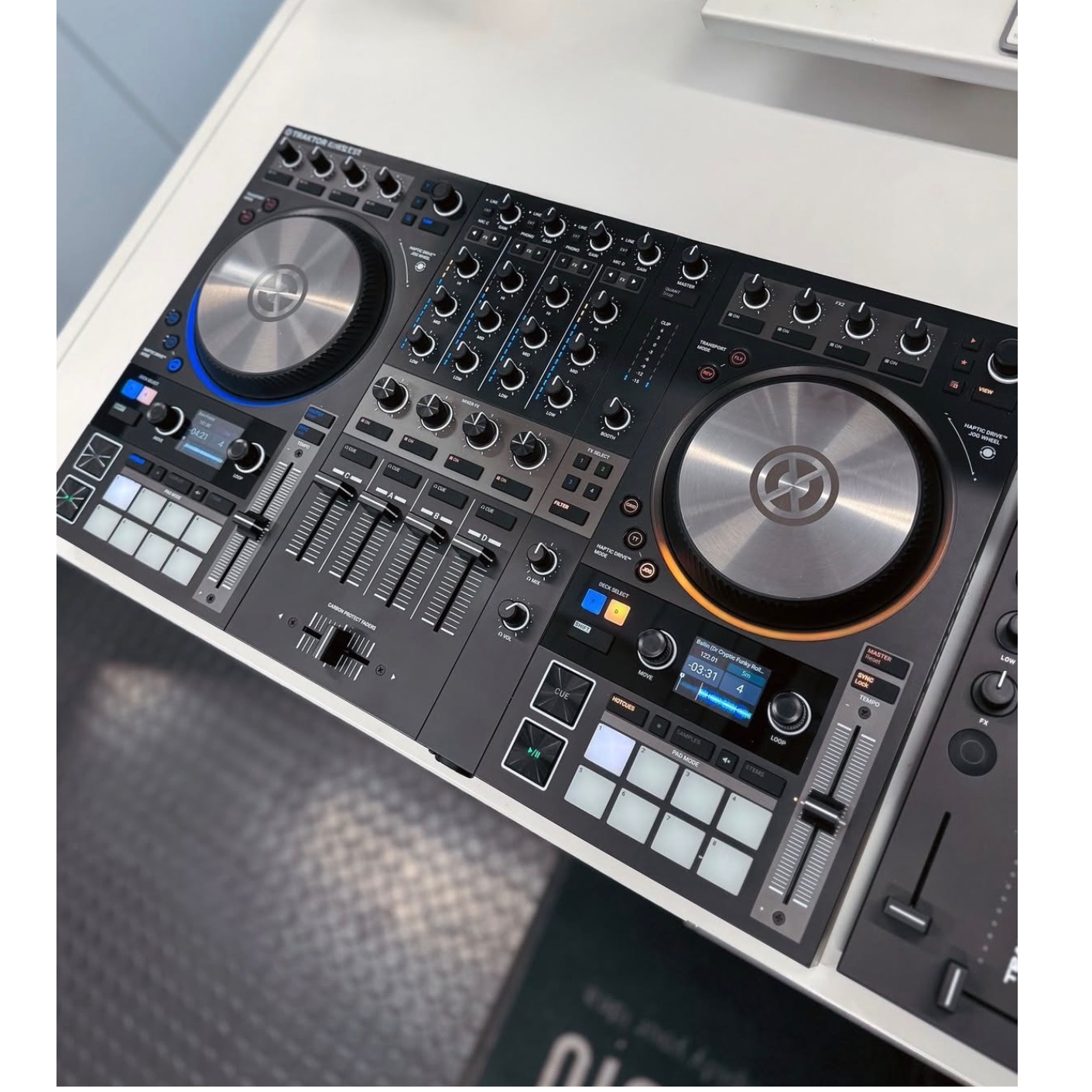
Laddle covering compound
Harbor
Laddle covering compound
Contact
MOQ: 1 Unit
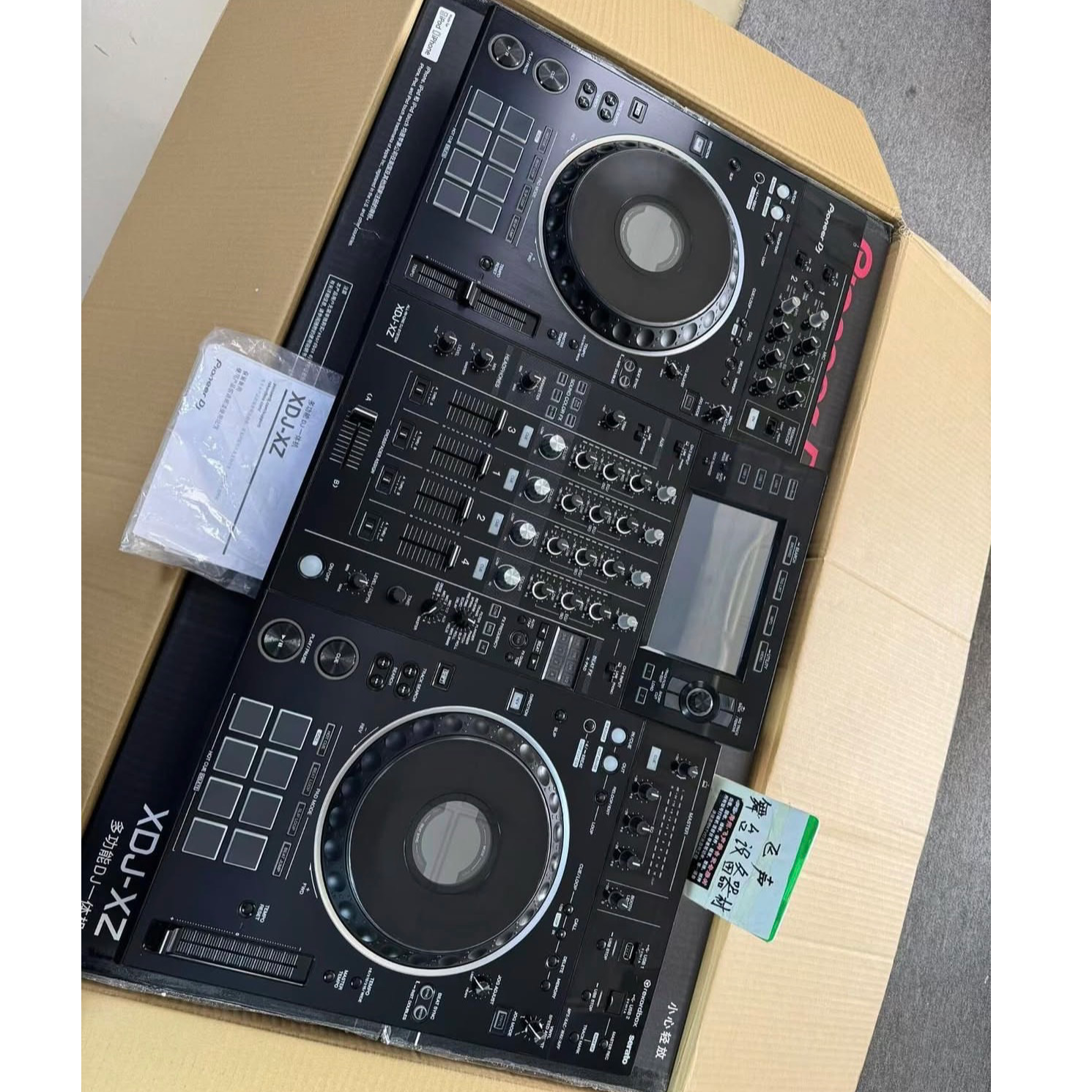
Microsilica
Harbor
Microsilica
Contact
MOQ: 1 Unit
Magnetite powder
Harbor
Magnetite powder
Contact
MOQ: 1 Unit
Silica ramming mass
Harbor
Silica ramming mass
Contact
MOQ: 1 Unit
Cenosphere
Harbor
Cenosphere
Contact
MOQ: 1 Unit

About Khetan Group - Scientific Instruments Supplier in India

Khetan Group, based in India, offers a range of 6 products, primarily focused on Scientific Instruments. The company lists Cenosphere, Silica ramming mass, Magnetite powder, Microsilica, Laddle covering compound, and Premium Telescopic Channel in its catalogue. These products cater to specific needs in the scientific instruments industry, with applications in various fields such as research, education, and industrial processes. India, being a significant hub for scientific instrument manufacturing, exports these goods to regions like the Middle East, Africa, and Southeast Asia. The country's strategic location and well-developed logistics infrastructure facilitate the efficient export of these products.

Exporters of scientific instruments from India, like Khetan Group, typically adhere to international standards and regulations, ensuring the quality and reliability of their products. Buyers from countries like the United States, the United Kingdom, and Australia usually require compliance with standards such as ISO 9001 and ISO 13485 for medical devices. The HS code families involved in the export of scientific instruments include 9027 for optical instruments and 9031 for other instruments.

Product Range and Specialties of Khetan Group

Khetan Group's product range includes Cenosphere, Silica ramming mass, Magnetite powder, Microsilica, Laddle covering compound, and Premium Telescopic Channel. These products are used in various applications, including industrial processes, research, and education. The typical grades and standard specifications for these products vary, with Cenosphere typically having a purity of 98% and Silica ramming mass having a grain size of 0.1-1 mm. Microsilica, used as a reinforcing filler in rubber and plastics, usually has a surface area of 100-200 m^2/g and a particle size of 0.01-0.1 um.

Buyers of scientific instruments usually require products that meet specific standards and regulations, such as ISO 9001 for quality management and ISO 13485 for medical devices. The materials used in these products, such as silicon dioxide and iron oxide, are typically of high purity and are sourced from reputable suppliers. The common variants of these products include different particle sizes, purities, and packaging options, such as 20 kg or 40 kg bags, or 20 ft or 40 ft containers.

Trade and Export Information - Khetan Group

The trade and export of scientific instruments from India, including those from Khetan Group, involve compliance with various regulations and standards. Exporters typically need to adhere to regulations such as the Export and Import Policy of India and the HS code classification system. The HS code families involved in the export of scientific instruments include 9027 for optical instruments and 9031 for other instruments. The typical regions that import these goods include the Middle East, Africa, and Southeast Asia, with countries like the United Arab Emirates, South Africa, and Indonesia being significant buyers.

The certifications commonly required for scientific instruments include ISO 9001, ISO 13485, and CE marking. The packaging and shipping of these products usually involve standard procedures, such as packaging in bags or containers, and shipping via air or sea freight. The Incoterms used in the export of scientific instruments typically include CIF, FOB, and EXW. The origin-country export context for India includes the country's strategic location, well-developed logistics infrastructure, and favorable export policies.

Sourcing from Khetan Group - Buyer Guidance

When sourcing from Khetan Group, buyers should request specifications, samples, and test reports to verify the quality and reliability of the products. The typical quality parameters for scientific instruments include accuracy, precision, and durability. Buyers should also verify the compliance of the products with relevant standards and regulations, such as ISO 9001 and ISO 13485. The documents that buyers should request include certificates of conformity, test reports, and material safety data sheets.

Buyers should also confirm the MOQ and lead time with Khetan Group to ensure that their requirements can be met. The typical MOQ for scientific instruments can range from 10 to 100 units, and the lead time can range from 2 to 6 weeks. The packaging and shipping options should also be confirmed, including the type of packaging, shipping method, and Incoterms. Any given verification or response from the supplier should be evaluated based on the buyer's specific requirements and the typical industry standards.

Frequently Asked Questions About Khetan Group

What is the typical purity of Cenosphere?

The typical purity of Cenosphere is 98%. However, buyers should request specifications and test reports to verify the actual purity of the product.

What is the grain size of Silica ramming mass?

The grain size of Silica ramming mass can range from 0.1-1 mm. Buyers should request specifications and samples to verify the actual grain size of the product.

What is the surface area of Microsilica?

The surface area of Microsilica can range from 100-200 m^2/g. Buyers should request specifications and test reports to verify the actual surface area of the product.

What are the common packaging options for scientific instruments?

The common packaging options for scientific instruments include 20 kg or 40 kg bags, or 20 ft or 40 ft containers. Buyers should confirm the packaging options with the supplier.

What are the typical Incoterms used in the export of scientific instruments?

The typical Incoterms used in the export of scientific instruments include CIF, FOB, and EXW. Buyers should confirm the Incoterms with the supplier.

What are the certifications commonly required for scientific instruments?

The certifications commonly required for scientific instruments include ISO 9001, ISO 13485, and CE marking. Buyers should request certifications and compliance documents from the supplier.

What is the typical MOQ for scientific instruments?

The typical MOQ for scientific instruments can range from 10 to 100 units. Buyers should confirm the MOQ with the supplier.

What is the typical lead time for scientific instruments?

The typical lead time for scientific instruments can range from 2 to 6 weeks. Buyers should confirm the lead time with the supplier.

About Khetan Group - Scientific Instruments Supplier in India

Khetan Group, based in India, offers a range of 6 products, primarily focused on Scientific Instruments. The company lists Cenosphere, Silica ramming mass, Magnetite powder, Microsilica, Laddle covering compound, and Premium Telescopic Channel in its catalogue. These products cater to specific needs in the scientific instruments industry, with applications in various fields such as research, education, and industrial processes. India, being a significant hub for scientific instrument manufacturing, exports these goods to regions like the Middle East, Africa, and Southeast Asia. The country's strategic location and well-developed logistics infrastructure facilitate the efficient export of these products.

Exporters of scientific instruments from India, like Khetan Group, typically adhere to international standards and regulations, ensuring the quality and reliability of their products. Buyers from countries like the United States, the United Kingdom, and Australia usually require compliance with standards such as ISO 9001 and ISO 13485 for medical devices. The HS code families involved in the export of scientific instruments include 9027 for optical instruments and 9031 for other instruments.

Product Range and Specialties of Khetan Group

Khetan Group's product range includes Cenosphere, Silica ramming mass, Magnetite powder, Microsilica, Laddle covering compound, and Premium Telescopic Channel. These products are used in various applications, including industrial processes, research, and education. The typical grades and standard specifications for these products vary, with Cenosphere typically having a purity of 98% and Silica ramming mass having a grain size of 0.1-1 mm. Microsilica, used as a reinforcing filler in rubber and plastics, usually has a surface area of 100-200 m^2/g and a particle size of 0.01-0.1 um.

Buyers of scientific instruments usually require products that meet specific standards and regulations, such as ISO 9001 for quality management and ISO 13485 for medical devices. The materials used in these products, such as silicon dioxide and iron oxide, are typically of high purity and are sourced from reputable suppliers. The common variants of these products include different particle sizes, purities, and packaging options, such as 20 kg or 40 kg bags, or 20 ft or 40 ft containers.

Trade and Export Information - Khetan Group

The trade and export of scientific instruments from India, including those from Khetan Group, involve compliance with various regulations and standards. Exporters typically need to adhere to regulations such as the Export and Import Policy of India and the HS code classification system. The HS code families involved in the export of scientific instruments include 9027 for optical instruments and 9031 for other instruments. The typical regions that import these goods include the Middle East, Africa, and Southeast Asia, with countries like the United Arab Emirates, South Africa, and Indonesia being significant buyers.

The certifications commonly required for scientific instruments include ISO 9001, ISO 13485, and CE marking. The packaging and shipping of these products usually involve standard procedures, such as packaging in bags or containers, and shipping via air or sea freight. The Incoterms used in the export of scientific instruments typically include CIF, FOB, and EXW. The origin-country export context for India includes the country's strategic location, well-developed logistics infrastructure, and favorable export policies.

Sourcing from Khetan Group - Buyer Guidance

When sourcing from Khetan Group, buyers should request specifications, samples, and test reports to verify the quality and reliability of the products. The typical quality parameters for scientific instruments include accuracy, precision, and durability. Buyers should also verify the compliance of the products with relevant standards and regulations, such as ISO 9001 and ISO 13485. The documents that buyers should request include certificates of conformity, test reports, and material safety data sheets.

Buyers should also confirm the MOQ and lead time with Khetan Group to ensure that their requirements can be met. The typical MOQ for scientific instruments can range from 10 to 100 units, and the lead time can range from 2 to 6 weeks. The packaging and shipping options should also be confirmed, including the type of packaging, shipping method, and Incoterms. Any given verification or response from the supplier should be evaluated based on the buyer's specific requirements and the typical industry standards.

Frequently Asked Questions About Khetan Group
What is the typical purity of Cenosphere?
The typical purity of Cenosphere is 98%. However, buyers should request specifications and test reports to verify the actual purity of the product.
What is the grain size of Silica ramming mass?
The grain size of Silica ramming mass can range from 0.1-1 mm. Buyers should request specifications and samples to verify the actual grain size of the product.
What is the surface area of Microsilica?
The surface area of Microsilica can range from 100-200 m^2/g. Buyers should request specifications and test reports to verify the actual surface area of the product.
What are the common packaging options for scientific instruments?
The common packaging options for scientific instruments include 20 kg or 40 kg bags, or 20 ft or 40 ft containers. Buyers should confirm the packaging options with the supplier.
What are the typical Incoterms used in the export of scientific instruments?
The typical Incoterms used in the export of scientific instruments include CIF, FOB, and EXW. Buyers should confirm the Incoterms with the supplier.
What are the certifications commonly required for scientific instruments?
The certifications commonly required for scientific instruments include ISO 9001, ISO 13485, and CE marking. Buyers should request certifications and compliance documents from the supplier.
What is the typical MOQ for scientific instruments?
The typical MOQ for scientific instruments can range from 10 to 100 units. Buyers should confirm the MOQ with the supplier.
What is the typical lead time for scientific instruments?
The typical lead time for scientific instruments can range from 2 to 6 weeks. Buyers should confirm the lead time with the supplier.

🏭
Khetan Group
Country flag , India
Harbor
55/100
Trust Score
📦
6
Products
Free to contact — no commission
Escrow payment available
Verified business identity
Compare more suppliers
Post a requirement — get 10 quotes free
Let verified suppliers compete for your business. Free, fast, no commitment.
EximNext Verified Supplier
Business identity verified
Physical address confirmed
Financial history checked
Certifications authenticated
Trade references validated
Due Diligence
Verify this supplier's real shipping history.
Every shipment, every buyer, every port. Trade data that can't be faked.
Run due diligence →
Discover More

Related Suppliers & Products

Explore similar suppliers, related products and trending categories

Other Suppliers in Scientific Instruments

Top Trusted Suppliers

Related Products in Scientific Instruments

Trending in Parent Category

More Suppliers in Parent Category

Stay ahead in global trade
Weekly market insights & new supplier alerts.
EximNext
Exim Next is a leading global B2B marketplace, connecting over 205,000 verified suppliers and buyers across 200+ countries. As a trusted import export marketplace, it serves as the essential B2B portal for businesses worldwide, empowering them to expand their international reach. With Exim Next, businesses can trade smarter and grow faster.
SECURE PAYMENTS
VISAMastercardPayPalSWIFTL/CEscrow
Follow us
© 2026 EximNext