Khakiya Co., Ltd — Supplier
About Khakiya Co., Ltd - Charcoal Supplier in Viet Nam
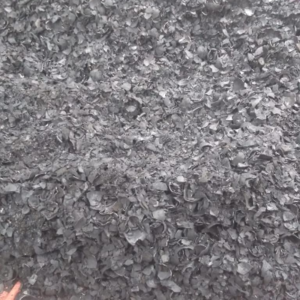
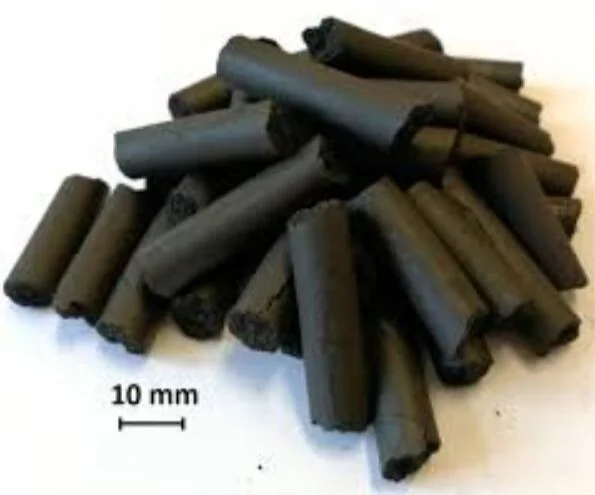
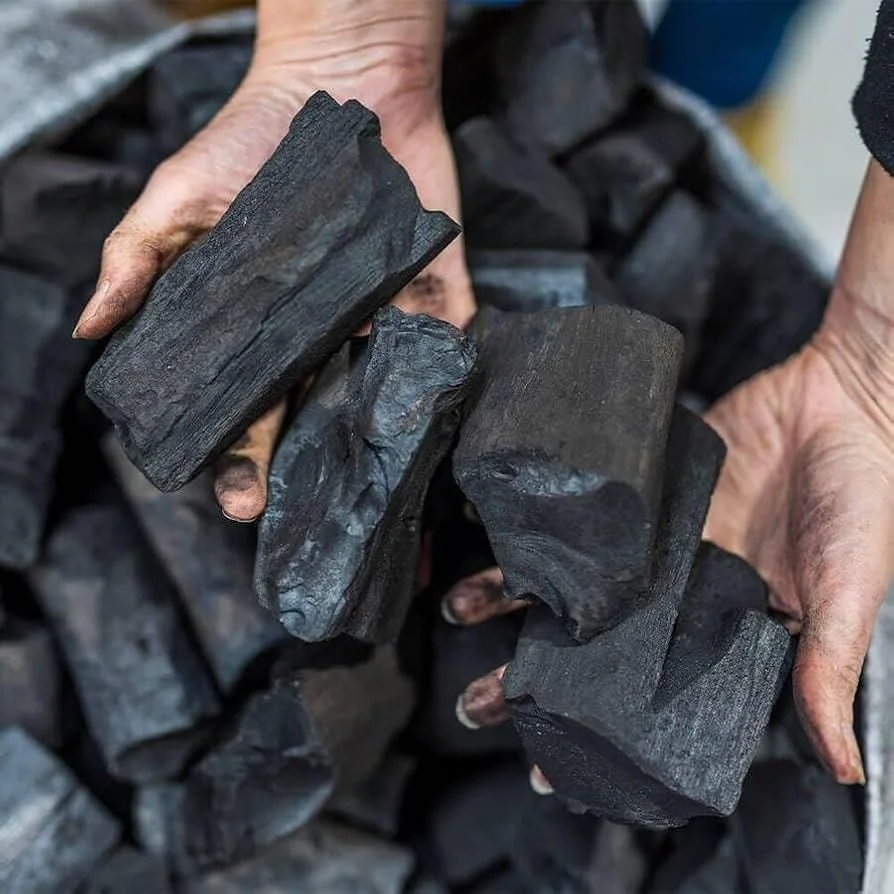
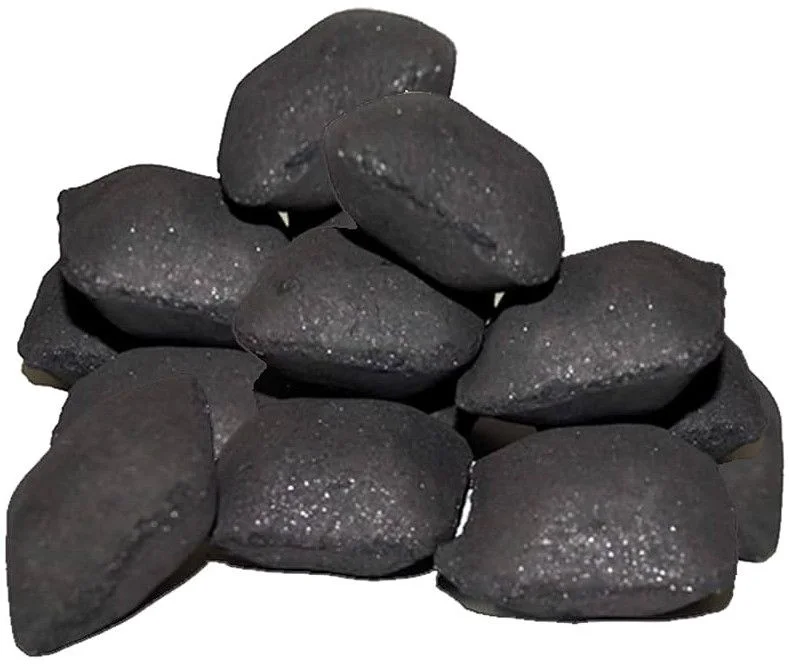
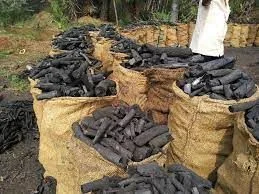
Vietnam, located in Southeast Asia, hosts Khakiya Co., Ltd, which currently lists seven active products across four primary categories: Charcoal, Plastic Raw Materials, Polyester, and Coconut Shell Charcoal. The catalogue includes hardwood BBQ charcoal pellets, bulk hardwood charcoal, standard BBQ charcoal, PET flakes derived from recycled PET bottles, polyester fiber, PET flakes processed with hot or cold wash, and coconut shell charcoal. These items fall under typical HS‑code headings such as 4401 for wood charcoal, 3901 for plastic raw materials, and 5503 for synthetic fibers. The supplier’s product set reflects common export commodities from Vietnam’s manufacturing sector. The company is classified with a harbor trust tier, indicating a mid‑level verification status.
The seven listed products are presented without explicit certification claims or detailed technical sheets. Each product description follows the naming used by the supplier, and no additional processing steps or proprietary formulations are disclosed. Buyers can expect that the items conform to the standard specifications of their respective HS‑code families, but verification of grades, moisture levels, or purity must be obtained directly from the supplier. The catalogue does not include information on packaging dimensions, container loading plans, or lead‑time estimates, so those details should be confirmed during the quotation stage.
Product Range and Specialties of Khakiya Co., Ltd
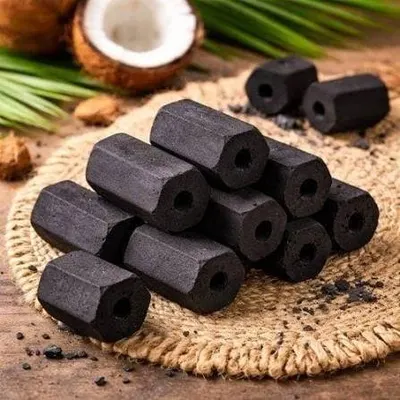
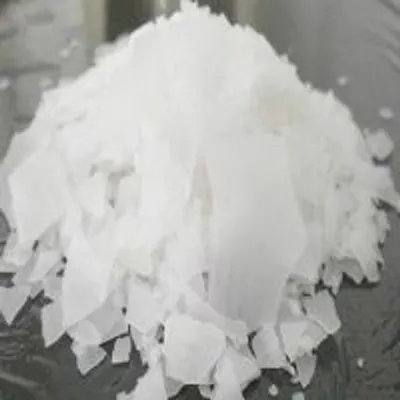
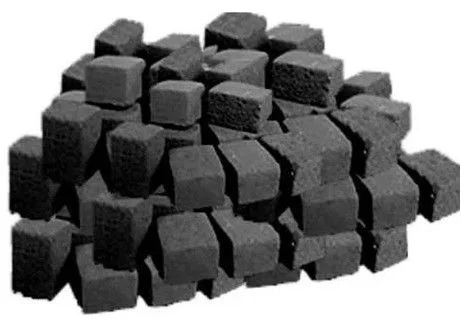
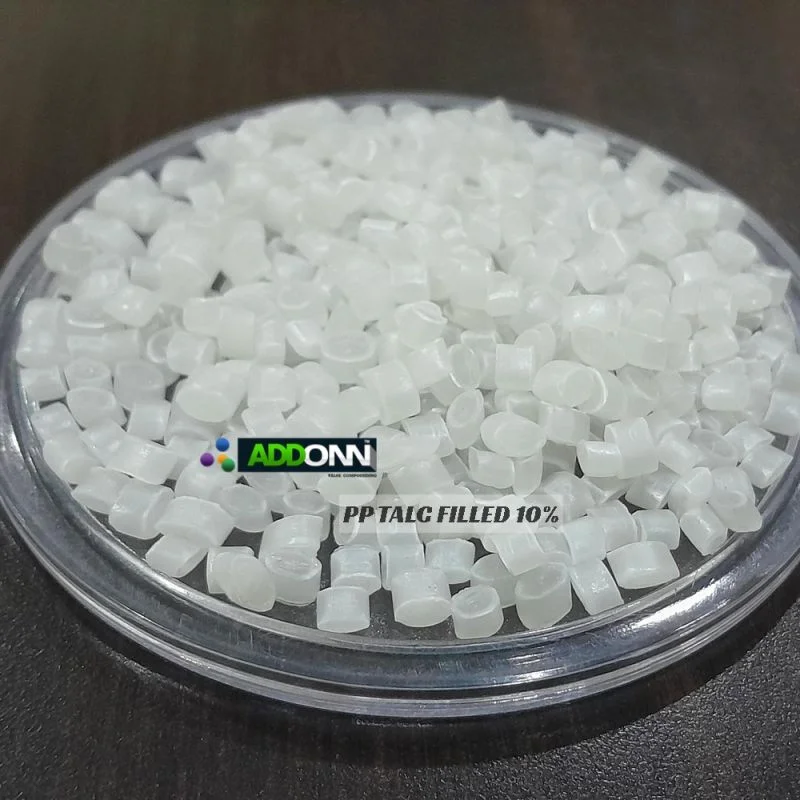
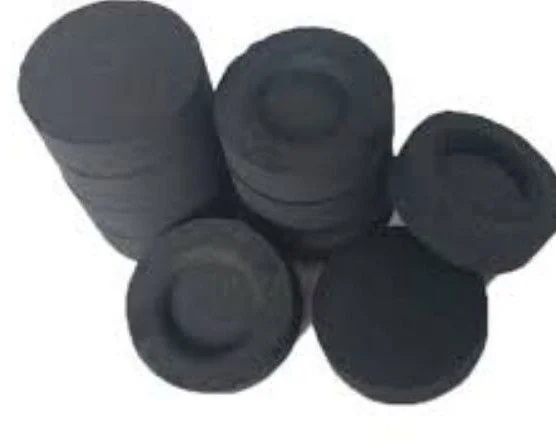
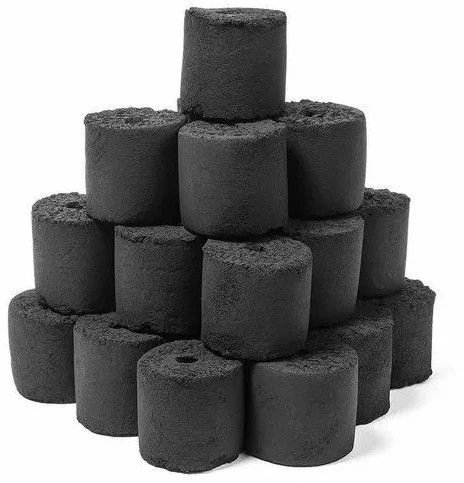
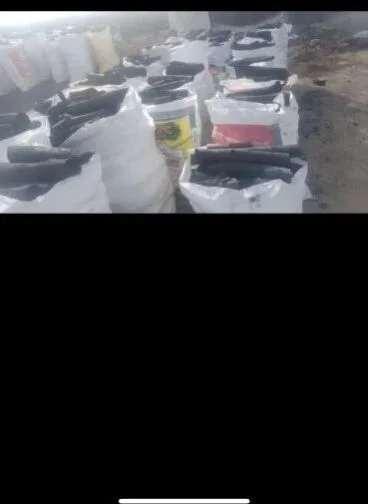
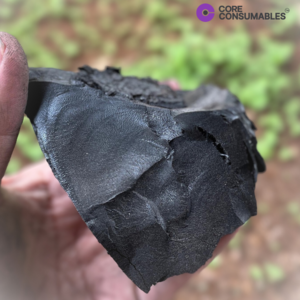
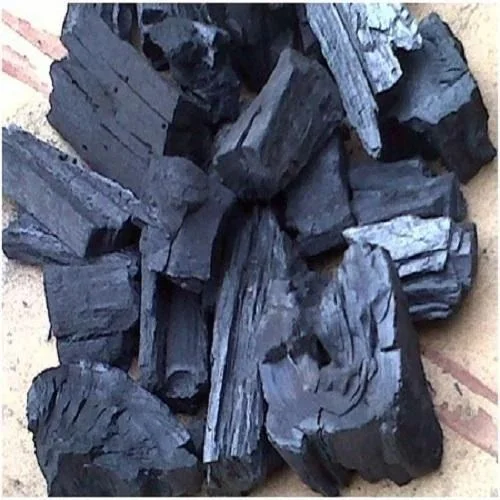
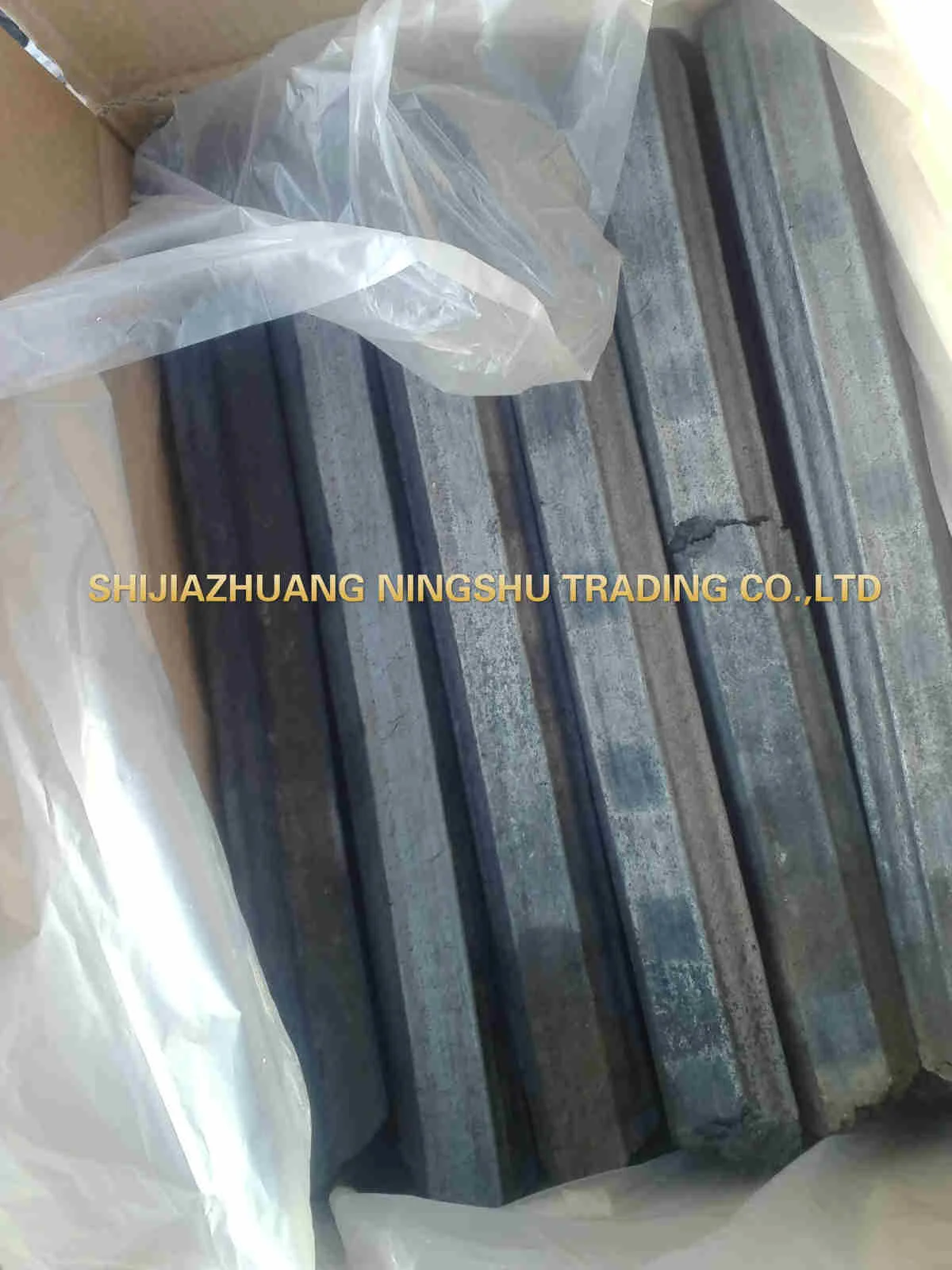
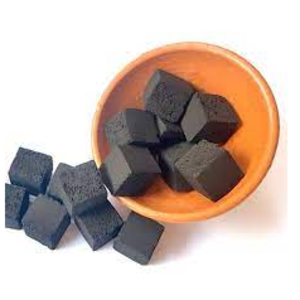
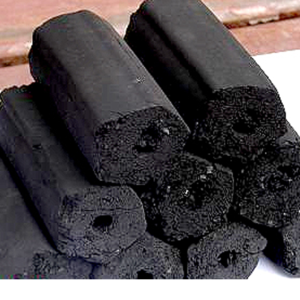
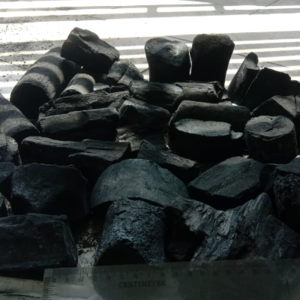
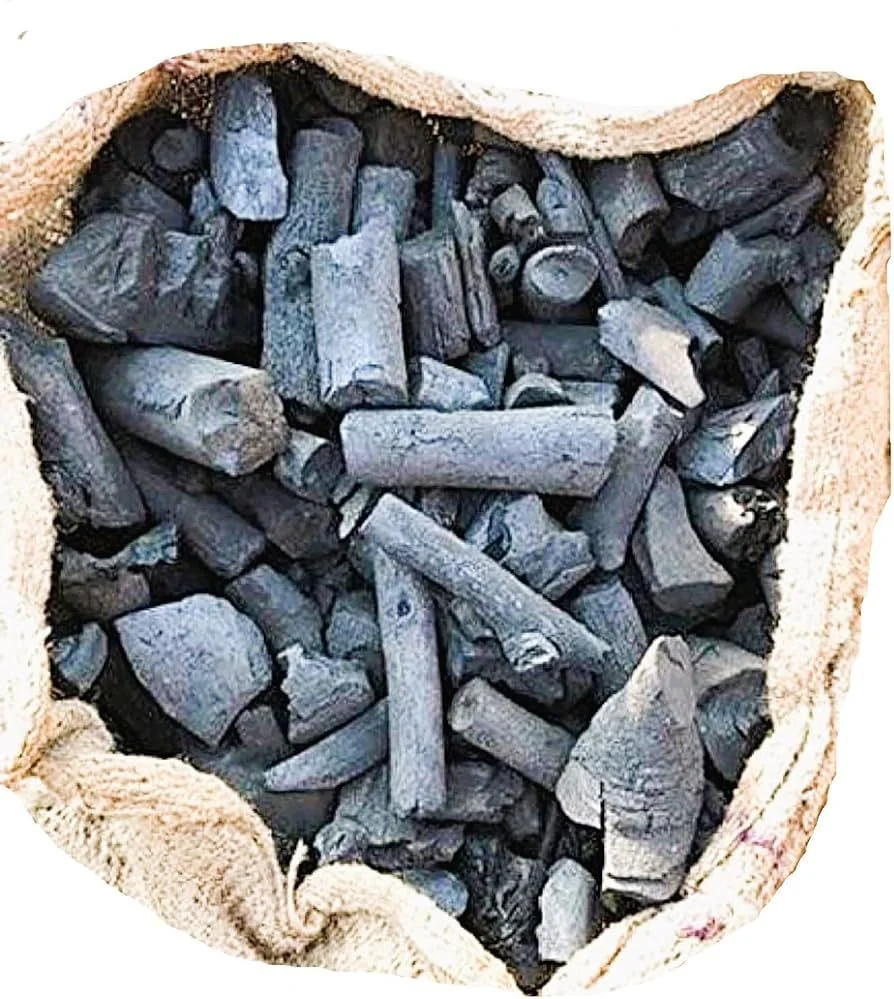
Khakiya Co., Ltd offers hardwood BBQ charcoal in pellet or chip form, bulk hardwood charcoal, and conventional BBQ lump charcoal. In the charcoal market, hardwood products are typically graded by carbon content (80‑90 %), moisture below 5 %, and ash residue under 10 %, with calorific values around 29‑31 MJ kg‑1. Coconut shell charcoal is commonly marketed with a higher fixed carbon rate (≥85 %) and lower volatile matter, making it suitable for industrial heating and water filtration. The supplier also lists PET flakes and recycled PET bottles, which are generally supplied in 1 ton or 25 kg bags, with specifications such as intrinsic viscosity 0.85‑0.95 dL g‑1, moisture ≤0.5 %, and color clarity meeting food‑contact standards. Polyester fiber appears as synthetic filament, usually described by denier (1.5‑6 d) and melt‑flow index (10‑30 g 10 min‑1) for textile or non‑woven applications. While the catalogue does not state exact grades, these industry benchmarks provide a reference for buyers evaluating product suitability.
Trade and Export Information - Khakiya Co., Ltd
Vietnam is a recognized exporter of charcoal, PET recyclates, and synthetic fibers. Hardwood and coconut shell charcoal from Vietnam commonly reach markets in the European Union, the United States, and the Middle East, where demand for low‑ash, high‑calorific fuel is strong. PET flakes are frequently shipped to China, India, and Southeast Asian garment manufacturers for bottle-to-fiber recycling streams, and they fall under HS‑code 3901 which often requires REACH compliance and a Certificate of Origin. Polyester fiber, classified under HS‑code 5503, is exported to apparel producers in Bangladesh, Vietnam’s own textile sector, and North‑American non‑woven manufacturers. Typical export documentation includes a commercial invoice, packing list, phytosanitary certificate for charcoal, and any applicable quality certificates such as ISO 9001 or FSC for wood‑based products. Logistics usually involve loading 20‑ft or 40‑ft containers, with Incoterms ranging from FOB Ho Chi Minh City to CIF destination ports, depending on buyer preference.
Sourcing from Khakiya Co., Ltd - Buyer Guidance
When sourcing hardwood or coconut shell charcoal, request a recent test report covering moisture content, ash percentage, fixed carbon, and calorific value. Verify that the supplier can provide a phytosanitary certificate and, if required by the destination, an FSC or equivalent sustainability statement. For PET flakes, ask for an intrinsic viscosity measurement, moisture content, color grade, and a REACH compliance declaration; a batch‑level material safety data sheet (MSDS) is standard practice. Polyester fiber buyers should obtain a specification sheet detailing denier, tensile strength, melt‑flow index, and any anti‑pilling or UV‑stabilizer treatments applied. In all cases, request samples before committing to a full container, confirm packaging dimensions (e.g., 1 ton bulk bags or 25 kg poly bags), and ensure that the supplier can meet your required Incoterm and lead‑time schedule.
Frequently Asked Questions About Khakiya Co., Ltd
What types of charcoal does Khakiya Co., Ltd export?
The catalogue lists hardwood BBQ charcoal pellets or chips, bulk hardwood charcoal, standard BBQ lump charcoal, and coconut shell charcoal. Each type is typically graded by carbon content, moisture level and ash residue, which should be confirmed with a recent test report.
Are the PET flakes suitable for food‑grade applications?
The supplier provides PET flakes from recycled bottles, but the catalogue does not specify food‑grade certification. Buyers should request a REACH compliance statement and an intrinsic viscosity test to verify suitability for food‑contact recycling.
What specifications are common for polyester fiber from Vietnam?
Vietnamese polyester fiber is usually described by denier (1.5‑6 d) and melt‑flow index (10‑30 g 10 min‑1). A technical data sheet should confirm tensile strength, elongation at break, and any finishing treatments.
Which HS‑code families apply to the listed products?
Typical HS‑code headings are 4401 for wood and coconut shell charcoal, 3901 for PET flakes and other plastic raw materials, and 5503 for synthetic polyester fiber. The supplier’s catalogue aligns with these categories.
What documentation should I request before ordering charcoal?
Ask for a recent laboratory analysis covering moisture, ash, fixed carbon and calorific value, as well as a phytosanitary certificate and, if required, a sustainability certificate such as FSC.
How are the PET flakes packaged for export?
PET flakes are commonly packed in 25 kg polypropylene bags or bulk 1 ton bags for container loading. Confirm the exact packaging dimensions and whether the supplier can provide a loading plan for 20‑ft or 40‑ft containers.
What are typical lead times for a full container load from this supplier?
Lead times depend on product type and production scheduling, but Vietnamese exporters of charcoal, PET flakes or polyester fiber generally quote 30‑45 days from order confirmation to shipment. Verify the specific timeline during quotation.
Which certifications are usually required for these product categories?
Buyers typically request ISO 9001 quality management, REACH compliance for plastic recyclates, and FSC or similar sustainability certification for wood‑based charcoal. The supplier’s catalogue does not list certifications, so they should be confirmed directly.




 , Viet Nam