Ivory Kroa Recycling — Trader & Wholesale Supplier

About Ivory Kroa Recycling - Plastic Scrap Supplier in Croatia

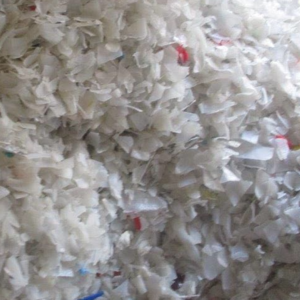
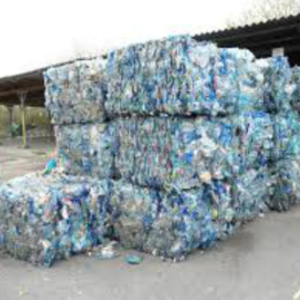
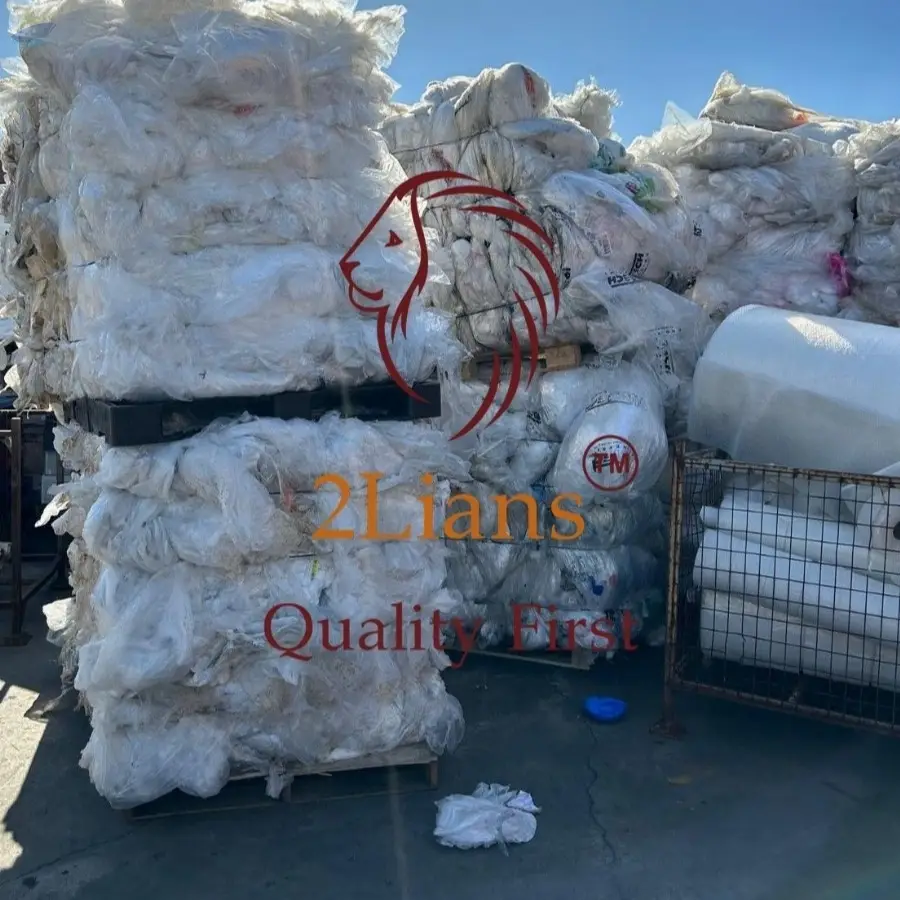
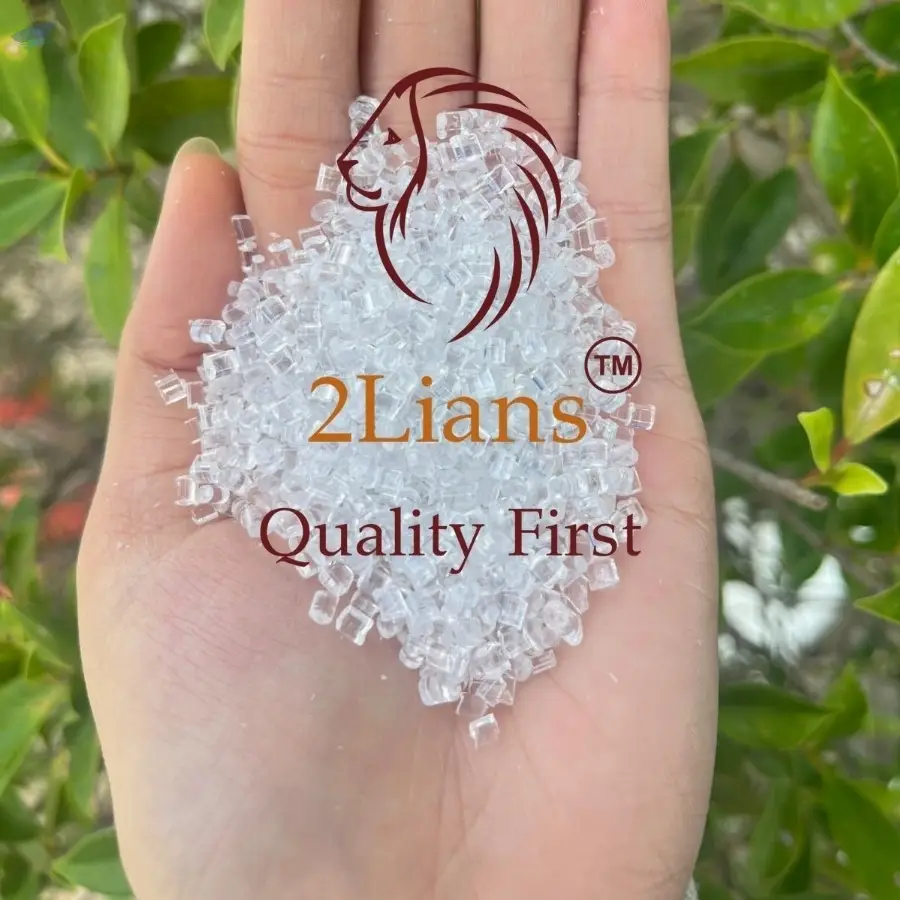
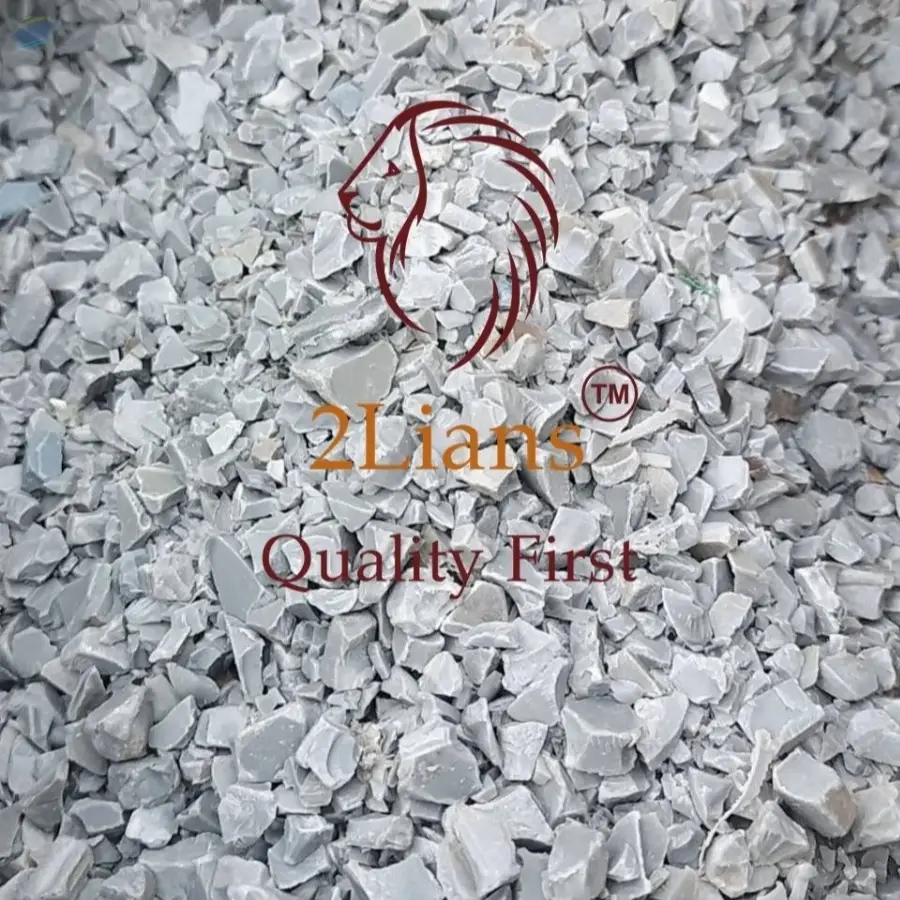
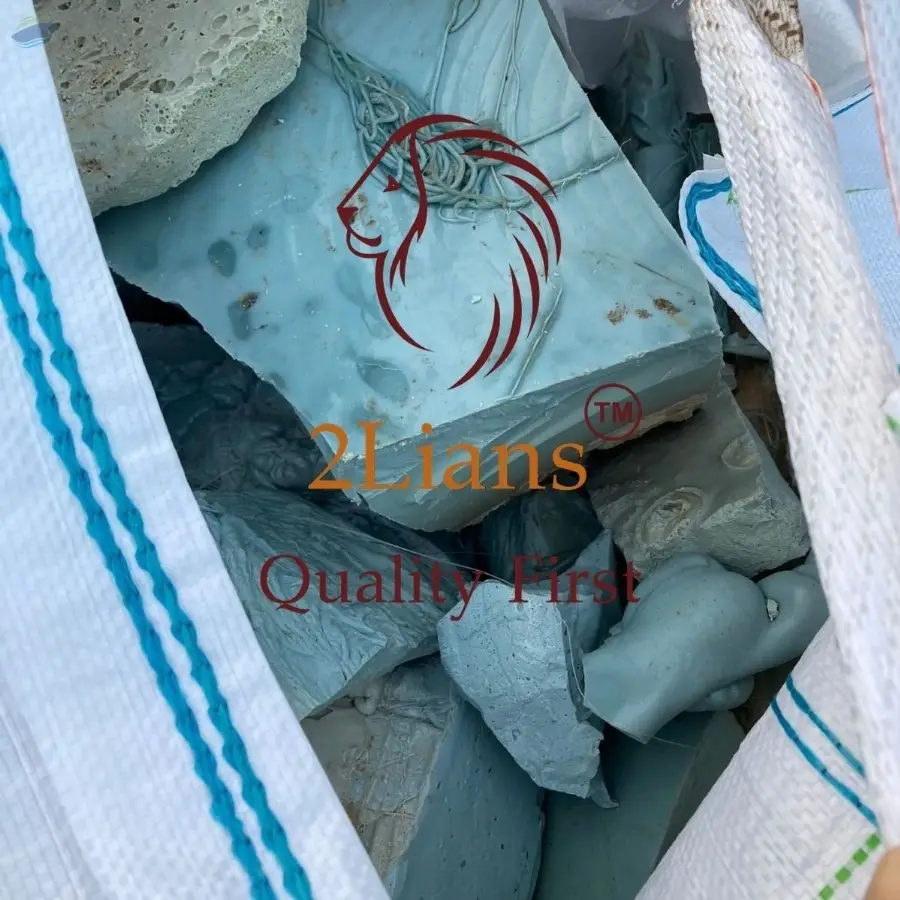
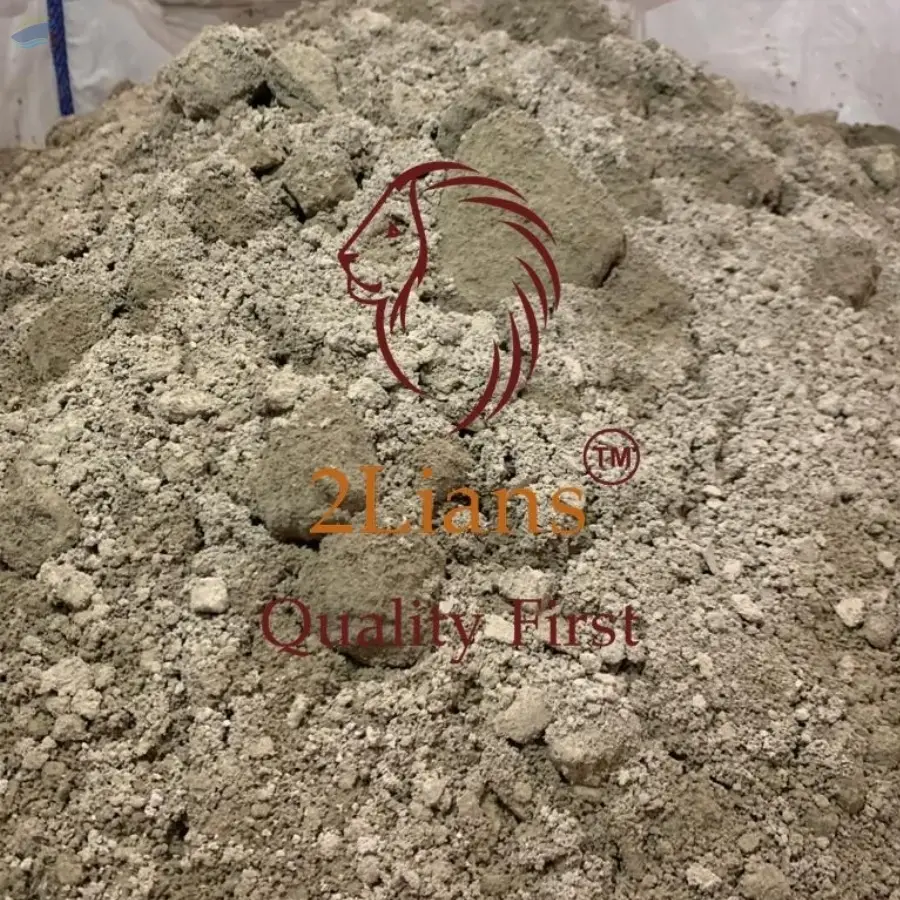
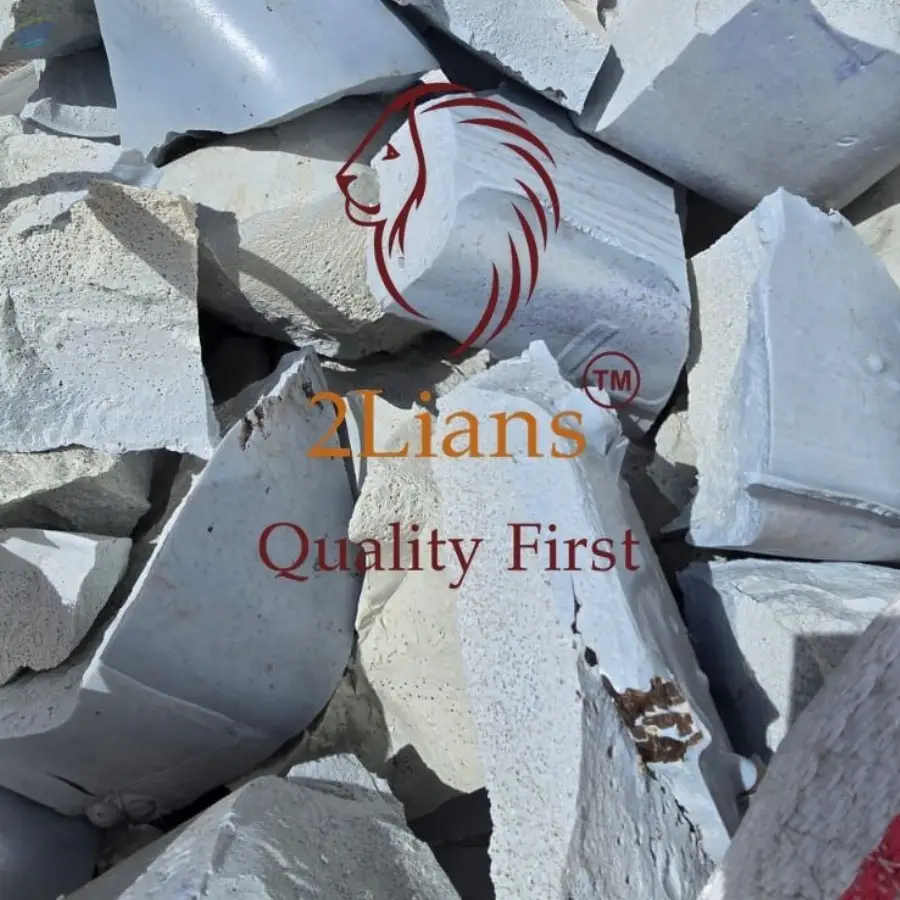
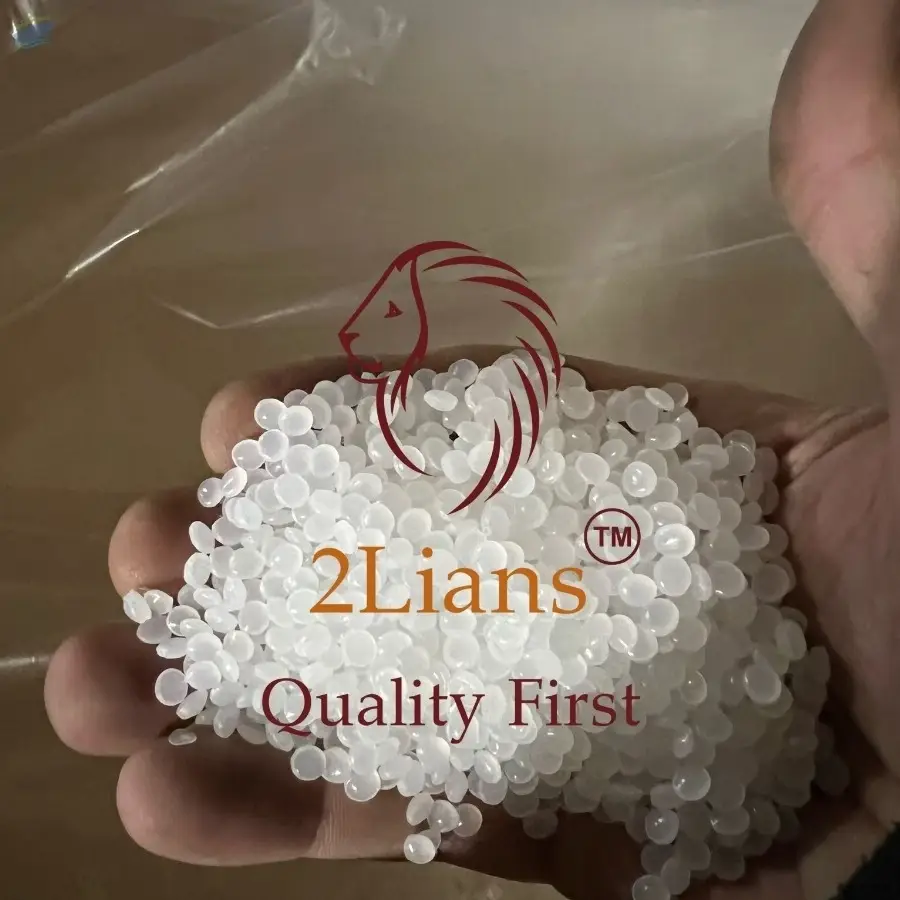
Ivory Kroa Recycling operates from the Krapinsko‑Zagorska region of Croatia and currently lists eight distinct products in its catalogue. The catalogue includes low‑density polyethylene (LDPE) film scrap classified under HS 3915.10, PET bottle scrap under HS 3915.90, HDPE drum bale also under HS 3915.10, HDPE milk‑bottle scrap under HS 3901.20, PMMA acrylic sheet scrap under HS 3916.10, PU foam scrap under HS 3915.90, waste paper (OCC) under HS 4707.10, and AC DC electric motor scrap under HS 7204.29. Each entry specifies the material type and the form in which the scrap is supplied, such as rolls, lumps, bales, regrind or off‑cut sheets. The product mix spans both polymeric and non‑polymeric waste, covering common plastics (LDPE, HDPE, LLDPE, PET, PMMA, PU foam) as well as paper and metal components. The supplier describes the items as scrap suitable for reprocessing into pellets, regrind or blended material for extrusion and injection molding. No additional product categories beyond those eight are mentioned in the supplied data.

Product Range and Specialties of Ivory Kroa Recycling

The listed LDPE film scrap (HS 3915.10) is typically supplied in rolls or bulk lumps and conforms to melt‑flow‑index values between 0.5 and 5 g/10 min, which is the range most re‑granulators target for film applications. HDPE drum bale and milk‑bottle scrap (HS 3915.10 and HS 3901.20) are usually graded by density (0.94‑0.96 g/cm³) and visual contamination limits below 2 %. PET bottle scrap (HS 3915.90) is commonly sorted to PET 1 grade, with intrinsic viscosity around 0.70‑0.80 dL/g and colour clarity suitable for clear‑grade recycling. PMMA acrylic sheet scrap (HS 3916.10) is often measured by sheet thickness (1‑10 mm) and residual stress, while PU foam scrap (HS 3915.90) is evaluated for cell size and compression set. Waste paper OCC (HS 4707.10) is typically classified by basis weight (70‑80 g/m²) and ash content below 1 %, and electric motor scrap (HS 7204.29) is assessed for ferrous content and functional testing of windings. These industry specifications help buyers match the recycled material to downstream manufacturing requirements.

Trade and Export Information - Ivory Kroa Recycling

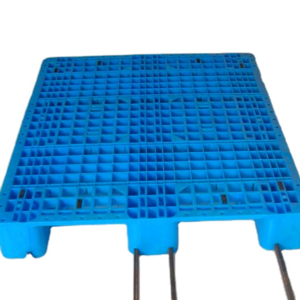
Croatia exports plastic scrap primarily to EU member states such as Germany, Italy and the Netherlands, as well as to Turkey and Southeast Asian processors in Thailand and Malaysia. The HS 3915 series for polymer waste and HS 3916 for acrylic waste are subject to EU REACH registration and often require a third‑party inspection report (e.g., SGS or Bureau Veritas) confirming compliance with contamination limits and heavy‑metal thresholds. Typical export packaging includes 20‑ft or 40‑ft containers loaded on pallets, 200‑kg bulk bags for pellets, and 200‑L drums for foam or regrind, with FOB or CIF terms negotiated. Croatian exporters of scrap metal (HS 7204) must provide a customs export declaration and, where applicable, a certificate of origin to benefit from preferential EU tariffs. Buyers generally request a pre‑shipment inspection, material safety data sheet (MSDS) and, for plastics, a melt‑flow‑index test report before loading.

Sourcing from Ivory Kroa Recycling - Buyer Guidance

When sourcing from Ivory Kroa Recycling, buyers should request a current MSDS for each polymer type and a laboratory test report covering melt flow index, density and any colour or contamination measurements. For PET bottle scrap, an intrinsic viscosity (IV) report and a visual inspection certificate are standard, while PMMA sheet scrap buyers often ask for thickness verification and residual stress analysis. Waste paper OCC buyers typically request an ash‑content test and a basis‑weight certification, and electric motor scrap purchasers should obtain an electrical continuity test and a ferrous‑content assay. Verifying that the HS code on the commercial invoice matches the product description mitigates customs delays, and confirming REACH or equivalent compliance documents helps ensure market entry in the EU and other regulated regions.

Frequently Asked Questions About Ivory Kroa Recycling

What categories of scrap does Ivory Kroa Recycling list in its catalogue?

The catalogue lists LDPE film scrap, HDPE drum and milk‑bottle scrap, PET bottle scrap, PMMA acrylic sheet scrap, PU foam scrap, waste paper (OCC) and AC/DC electric motor scrap. Each product is identified with its corresponding HS code and material type.

Which HS codes are associated with the eight products?

The HS codes are 3915.10 for LDPE film and HDPE drum scrap, 3915.90 for PET bottle scrap and PU foam scrap, 3901.20 for HDPE milk‑bottle scrap, 3916.10 for PMMA acrylic sheet scrap, 4707.10 for waste paper OCC, and 7204.29 for electric motor scrap.

What documentation should I request before purchasing plastic scrap?

Buyers should ask for a material safety data sheet (MSDS), a third‑party laboratory report covering melt‑flow index and density, and a compliance certificate such as REACH registration or SGS inspection. A packing list and commercial invoice that reference the correct HS code are also essential.

Are there typical minimum order quantities or lead times for these scrap materials?

Most exporters of Croatian plastic scrap work with minimum orders of one to two metric tonnes per grade, though larger bulk orders are common. Lead times are generally two to four weeks after order confirmation, depending on processing and container loading schedules.

How are the scrap materials usually packaged for export?

LDPE and HDPE regrind are normally packed in 200‑kg bulk bags or 200‑L drums, PET bottle flakes are shipped in sealed bulk bags, PMMA sheet off‑cuts are palletised in protective wrap, and waste paper is bundled on pallets. All packaging complies with ISPM 15 phytosanitary standards for wood pallets when used.

Which regions are the main importers of Croatian plastic and paper scrap?

The primary import markets are European Union countries (Germany, Italy, the Netherlands), Turkey, and Asian processing hubs in Thailand, Malaysia and Vietnam. These regions have established recycling streams that accept the grades listed by the supplier.

What certifications are typically required for recycled plastic imports from Croatia?

Importers usually request REACH registration, an ISO 9001 quality‑management statement, and a third‑party inspection certificate (e.g., SGS, Bureau Veritas). When the scrap is destined for food‑contact applications, additional compliance such as FDA 21 CFR 177 may be required.

How can I verify that the HS code on the invoice matches the product I receive?

Compare the product description, material type and form (e.g., LDPE film scrap, rolls) with the HS code listed on the commercial invoice. Request a copy of the customs export declaration and cross‑check that the eight‑digit HS code aligns with the supplier’s catalogue entry.


Other Suppliers in Plastic Items

Top Trusted Suppliers

Related Products in Plastic Items

Trending in Parent Category

More Suppliers in Parent Category

Related Products

Other Suppliers

EximNext
7.1K+ live requirements
Register Free🎁 Reach global buyers
Post Requirement
🌍 Trusted by 225K+ businesses in 200+ countries|
7.1K+ active requirements right now
✉️ [email protected]
|
Sell on EximNextPost Requirement
EximNext
AgricultureApparelConstructionElectronicFoodHomeIndustrialMineralsMiscellaneous
🔥 Deals|✨ AI Match|🏭 Suppliers|📋 Buy Leads|💰 Trade Finance
7.1K+ live RFQs·194.8K+ suppliers
🎁 Reach global buyers →
EximNext
EximNext
Register Free
🎁 Reach global buyers
Sign In
📋Post Requirement💬Get Quotes✨AI Match📋RFQ Marketplace
All Categories
Services & Tools
🏭Supplier Directory🔥Today's Deals💰Trade Finance
Sell on EximNext →
AboutContactBlogHelp
Chemicals & Materials  ·  Croatia
8
products listed

Ivory Kroa Recycling

⚓ Harbor
Country flag , CroatiaNew supplier / no reviews yet
🛡️
60/100
Trust Score

Ivory Kroa Recycling Product Catalog

Showing 8 of 8 products
View all products →
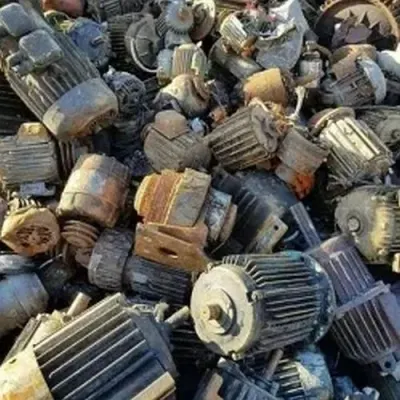
AC DC Electric Motor Scrap For Sale, Electric Motor For Sale, ELMO
⚓ Harbor
AC DC Electric Motor Scrap For Sale, Electric Motor For Sale, ELMO
Contact
MOQ: 1 Unit
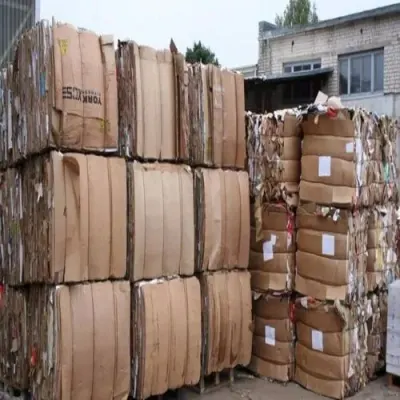
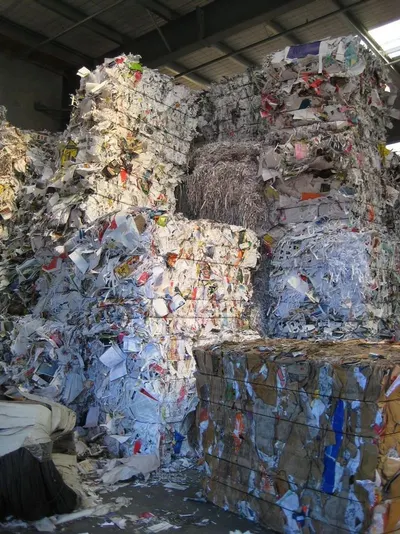
DSOCC OCC Waste Paper Scrap For Sale, Waste Paper Scrap Sale, OCC 11-12 Supplier For Sale
⚓ Harbor
DSOCC OCC Waste Paper Scrap For Sale, Waste Paper Scrap Sale, OCC 11-12 Supplier For Sale
Contact
MOQ: 1 Unit
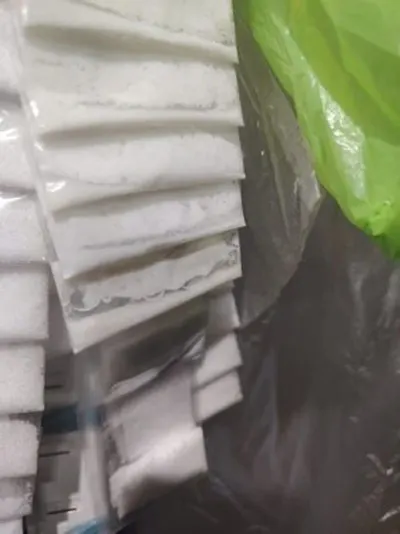
(PU) Polyethylene foam scrap are available For Sale, PU Foam Scrap Sale, Bra Foam Supplier Sale
⚓ Harbor
(PU) Polyethylene foam scrap are available For Sale, PU Foam Scrap Sale, Bra Foam Supplier Sale
Contact
MOQ: 1 Unit
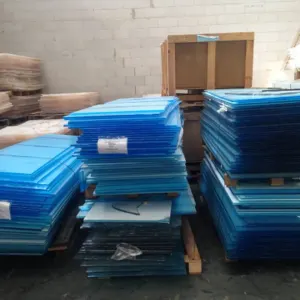
PMMA Acrylic Sheet Scrap For Sale, Pmma Scrap Offcut Sheet, Acrylic Scrap Supplier Sale, Acrylic Pmma Sheet Cutoff Scrap Sale
⚓ Harbor
PMMA Acrylic Sheet Scrap For Sale, Pmma Scrap Offcut Sheet, Acrylic Scrap Supplier Sale, Acrylic Pmma Sheet Cutoff Scrap Sale
Contact
MOQ: 1 Unit
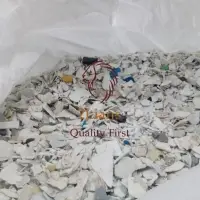
Polyethylene (HDPE) Mlk Bottle Scrap For Sale, Regrind, Lump, Milk Bottle Supplier Scrap Sale
⚓ Harbor
Polyethylene (HDPE) Mlk Bottle Scrap For Sale, Regrind, Lump, Milk Bottle Supplier Scrap Sale
Contact
MOQ: 1 Unit
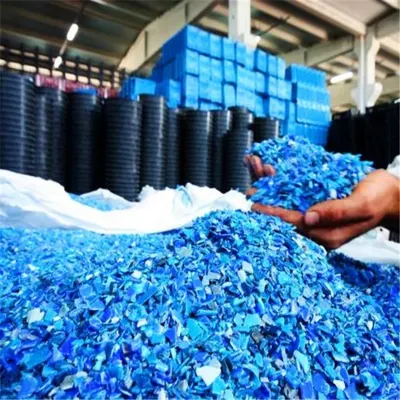
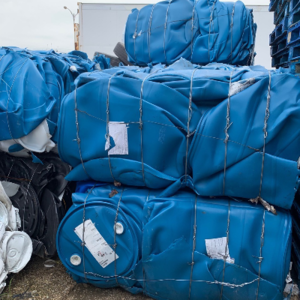
HDPE  Blue Drum S crap For Sale, HDPE Drum Bale, Crate Regrind,  Lump
⚓ Harbor
HDPE Blue Drum S crap For Sale, HDPE Drum Bale, Crate Regrind, Lump
Contact
MOQ: 1 Unit
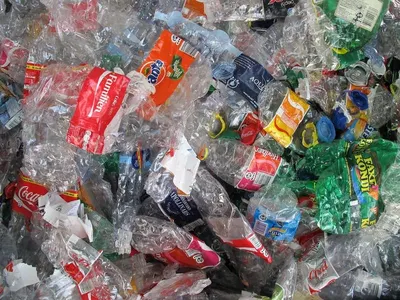
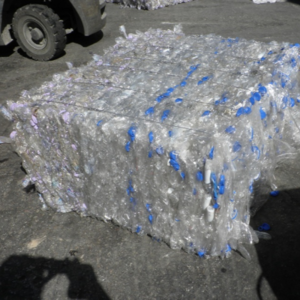
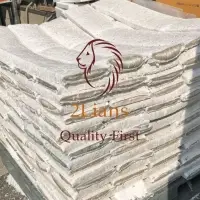
PET Bottle Scrap For Sale , Plastic Pet Bottle Sale, Pet Bottle Bale Supplier Scrap For Sale
⚓ Harbor
PET Bottle Scrap For Sale , Plastic Pet Bottle Sale, Pet Bottle Bale Supplier Scrap For Sale
Contact
MOQ: 1 Unit
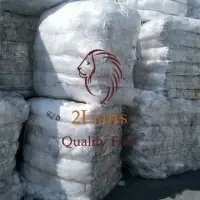
Low density polyethylene film scrap, rolls, lumps, logs, regrind, LDPE, HDPE, LLDPE
⚓ Harbor
Low density polyethylene film scrap, rolls, lumps, logs, regrind, LDPE, HDPE, LLDPE
Contact
MOQ: 1 Unit

About Ivory Kroa Recycling - Plastic Scrap Supplier in Croatia

Ivory Kroa Recycling operates from the Krapinsko‑Zagorska region of Croatia and currently lists eight distinct products in its catalogue. The catalogue includes low‑density polyethylene (LDPE) film scrap classified under HS 3915.10, PET bottle scrap under HS 3915.90, HDPE drum bale also under HS 3915.10, HDPE milk‑bottle scrap under HS 3901.20, PMMA acrylic sheet scrap under HS 3916.10, PU foam scrap under HS 3915.90, waste paper (OCC) under HS 4707.10, and AC DC electric motor scrap under HS 7204.29. Each entry specifies the material type and the form in which the scrap is supplied, such as rolls, lumps, bales, regrind or off‑cut sheets. The product mix spans both polymeric and non‑polymeric waste, covering common plastics (LDPE, HDPE, LLDPE, PET, PMMA, PU foam) as well as paper and metal components. The supplier describes the items as scrap suitable for reprocessing into pellets, regrind or blended material for extrusion and injection molding. No additional product categories beyond those eight are mentioned in the supplied data.

Product Range and Specialties of Ivory Kroa Recycling

The listed LDPE film scrap (HS 3915.10) is typically supplied in rolls or bulk lumps and conforms to melt‑flow‑index values between 0.5 and 5 g/10 min, which is the range most re‑granulators target for film applications. HDPE drum bale and milk‑bottle scrap (HS 3915.10 and HS 3901.20) are usually graded by density (0.94‑0.96 g/cm³) and visual contamination limits below 2 %. PET bottle scrap (HS 3915.90) is commonly sorted to PET 1 grade, with intrinsic viscosity around 0.70‑0.80 dL/g and colour clarity suitable for clear‑grade recycling. PMMA acrylic sheet scrap (HS 3916.10) is often measured by sheet thickness (1‑10 mm) and residual stress, while PU foam scrap (HS 3915.90) is evaluated for cell size and compression set. Waste paper OCC (HS 4707.10) is typically classified by basis weight (70‑80 g/m²) and ash content below 1 %, and electric motor scrap (HS 7204.29) is assessed for ferrous content and functional testing of windings. These industry specifications help buyers match the recycled material to downstream manufacturing requirements.

Trade and Export Information - Ivory Kroa Recycling

Croatia exports plastic scrap primarily to EU member states such as Germany, Italy and the Netherlands, as well as to Turkey and Southeast Asian processors in Thailand and Malaysia. The HS 3915 series for polymer waste and HS 3916 for acrylic waste are subject to EU REACH registration and often require a third‑party inspection report (e.g., SGS or Bureau Veritas) confirming compliance with contamination limits and heavy‑metal thresholds. Typical export packaging includes 20‑ft or 40‑ft containers loaded on pallets, 200‑kg bulk bags for pellets, and 200‑L drums for foam or regrind, with FOB or CIF terms negotiated. Croatian exporters of scrap metal (HS 7204) must provide a customs export declaration and, where applicable, a certificate of origin to benefit from preferential EU tariffs. Buyers generally request a pre‑shipment inspection, material safety data sheet (MSDS) and, for plastics, a melt‑flow‑index test report before loading.

Sourcing from Ivory Kroa Recycling - Buyer Guidance

When sourcing from Ivory Kroa Recycling, buyers should request a current MSDS for each polymer type and a laboratory test report covering melt flow index, density and any colour or contamination measurements. For PET bottle scrap, an intrinsic viscosity (IV) report and a visual inspection certificate are standard, while PMMA sheet scrap buyers often ask for thickness verification and residual stress analysis. Waste paper OCC buyers typically request an ash‑content test and a basis‑weight certification, and electric motor scrap purchasers should obtain an electrical continuity test and a ferrous‑content assay. Verifying that the HS code on the commercial invoice matches the product description mitigates customs delays, and confirming REACH or equivalent compliance documents helps ensure market entry in the EU and other regulated regions.

Frequently Asked Questions About Ivory Kroa Recycling

What categories of scrap does Ivory Kroa Recycling list in its catalogue?

The catalogue lists LDPE film scrap, HDPE drum and milk‑bottle scrap, PET bottle scrap, PMMA acrylic sheet scrap, PU foam scrap, waste paper (OCC) and AC/DC electric motor scrap. Each product is identified with its corresponding HS code and material type.

Which HS codes are associated with the eight products?

The HS codes are 3915.10 for LDPE film and HDPE drum scrap, 3915.90 for PET bottle scrap and PU foam scrap, 3901.20 for HDPE milk‑bottle scrap, 3916.10 for PMMA acrylic sheet scrap, 4707.10 for waste paper OCC, and 7204.29 for electric motor scrap.

What documentation should I request before purchasing plastic scrap?

Buyers should ask for a material safety data sheet (MSDS), a third‑party laboratory report covering melt‑flow index and density, and a compliance certificate such as REACH registration or SGS inspection. A packing list and commercial invoice that reference the correct HS code are also essential.

Are there typical minimum order quantities or lead times for these scrap materials?

Most exporters of Croatian plastic scrap work with minimum orders of one to two metric tonnes per grade, though larger bulk orders are common. Lead times are generally two to four weeks after order confirmation, depending on processing and container loading schedules.

How are the scrap materials usually packaged for export?

LDPE and HDPE regrind are normally packed in 200‑kg bulk bags or 200‑L drums, PET bottle flakes are shipped in sealed bulk bags, PMMA sheet off‑cuts are palletised in protective wrap, and waste paper is bundled on pallets. All packaging complies with ISPM 15 phytosanitary standards for wood pallets when used.

Which regions are the main importers of Croatian plastic and paper scrap?

The primary import markets are European Union countries (Germany, Italy, the Netherlands), Turkey, and Asian processing hubs in Thailand, Malaysia and Vietnam. These regions have established recycling streams that accept the grades listed by the supplier.

What certifications are typically required for recycled plastic imports from Croatia?

Importers usually request REACH registration, an ISO 9001 quality‑management statement, and a third‑party inspection certificate (e.g., SGS, Bureau Veritas). When the scrap is destined for food‑contact applications, additional compliance such as FDA 21 CFR 177 may be required.

How can I verify that the HS code on the invoice matches the product I receive?

Compare the product description, material type and form (e.g., LDPE film scrap, rolls) with the HS code listed on the commercial invoice. Request a copy of the customs export declaration and cross‑check that the eight‑digit HS code aligns with the supplier’s catalogue entry.

About Ivory Kroa Recycling - Plastic Scrap Supplier in Croatia

Ivory Kroa Recycling operates from the Krapinsko‑Zagorska region of Croatia and currently lists eight distinct products in its catalogue. The catalogue includes low‑density polyethylene (LDPE) film scrap classified under HS 3915.10, PET bottle scrap under HS 3915.90, HDPE drum bale also under HS 3915.10, HDPE milk‑bottle scrap under HS 3901.20, PMMA acrylic sheet scrap under HS 3916.10, PU foam scrap under HS 3915.90, waste paper (OCC) under HS 4707.10, and AC DC electric motor scrap under HS 7204.29. Each entry specifies the material type and the form in which the scrap is supplied, such as rolls, lumps, bales, regrind or off‑cut sheets. The product mix spans both polymeric and non‑polymeric waste, covering common plastics (LDPE, HDPE, LLDPE, PET, PMMA, PU foam) as well as paper and metal components. The supplier describes the items as scrap suitable for reprocessing into pellets, regrind or blended material for extrusion and injection molding. No additional product categories beyond those eight are mentioned in the supplied data.

Product Range and Specialties of Ivory Kroa Recycling

The listed LDPE film scrap (HS 3915.10) is typically supplied in rolls or bulk lumps and conforms to melt‑flow‑index values between 0.5 and 5 g/10 min, which is the range most re‑granulators target for film applications. HDPE drum bale and milk‑bottle scrap (HS 3915.10 and HS 3901.20) are usually graded by density (0.94‑0.96 g/cm³) and visual contamination limits below 2 %. PET bottle scrap (HS 3915.90) is commonly sorted to PET 1 grade, with intrinsic viscosity around 0.70‑0.80 dL/g and colour clarity suitable for clear‑grade recycling. PMMA acrylic sheet scrap (HS 3916.10) is often measured by sheet thickness (1‑10 mm) and residual stress, while PU foam scrap (HS 3915.90) is evaluated for cell size and compression set. Waste paper OCC (HS 4707.10) is typically classified by basis weight (70‑80 g/m²) and ash content below 1 %, and electric motor scrap (HS 7204.29) is assessed for ferrous content and functional testing of windings. These industry specifications help buyers match the recycled material to downstream manufacturing requirements.

Trade and Export Information - Ivory Kroa Recycling

Croatia exports plastic scrap primarily to EU member states such as Germany, Italy and the Netherlands, as well as to Turkey and Southeast Asian processors in Thailand and Malaysia. The HS 3915 series for polymer waste and HS 3916 for acrylic waste are subject to EU REACH registration and often require a third‑party inspection report (e.g., SGS or Bureau Veritas) confirming compliance with contamination limits and heavy‑metal thresholds. Typical export packaging includes 20‑ft or 40‑ft containers loaded on pallets, 200‑kg bulk bags for pellets, and 200‑L drums for foam or regrind, with FOB or CIF terms negotiated. Croatian exporters of scrap metal (HS 7204) must provide a customs export declaration and, where applicable, a certificate of origin to benefit from preferential EU tariffs. Buyers generally request a pre‑shipment inspection, material safety data sheet (MSDS) and, for plastics, a melt‑flow‑index test report before loading.

Sourcing from Ivory Kroa Recycling - Buyer Guidance

When sourcing from Ivory Kroa Recycling, buyers should request a current MSDS for each polymer type and a laboratory test report covering melt flow index, density and any colour or contamination measurements. For PET bottle scrap, an intrinsic viscosity (IV) report and a visual inspection certificate are standard, while PMMA sheet scrap buyers often ask for thickness verification and residual stress analysis. Waste paper OCC buyers typically request an ash‑content test and a basis‑weight certification, and electric motor scrap purchasers should obtain an electrical continuity test and a ferrous‑content assay. Verifying that the HS code on the commercial invoice matches the product description mitigates customs delays, and confirming REACH or equivalent compliance documents helps ensure market entry in the EU and other regulated regions.

Frequently Asked Questions About Ivory Kroa Recycling
What categories of scrap does Ivory Kroa Recycling list in its catalogue?
The catalogue lists LDPE film scrap, HDPE drum and milk‑bottle scrap, PET bottle scrap, PMMA acrylic sheet scrap, PU foam scrap, waste paper (OCC) and AC/DC electric motor scrap. Each product is identified with its corresponding HS code and material type.
Which HS codes are associated with the eight products?
The HS codes are 3915.10 for LDPE film and HDPE drum scrap, 3915.90 for PET bottle scrap and PU foam scrap, 3901.20 for HDPE milk‑bottle scrap, 3916.10 for PMMA acrylic sheet scrap, 4707.10 for waste paper OCC, and 7204.29 for electric motor scrap.
What documentation should I request before purchasing plastic scrap?
Buyers should ask for a material safety data sheet (MSDS), a third‑party laboratory report covering melt‑flow index and density, and a compliance certificate such as REACH registration or SGS inspection. A packing list and commercial invoice that reference the correct HS code are also essential.
Are there typical minimum order quantities or lead times for these scrap materials?
Most exporters of Croatian plastic scrap work with minimum orders of one to two metric tonnes per grade, though larger bulk orders are common. Lead times are generally two to four weeks after order confirmation, depending on processing and container loading schedules.
How are the scrap materials usually packaged for export?
LDPE and HDPE regrind are normally packed in 200‑kg bulk bags or 200‑L drums, PET bottle flakes are shipped in sealed bulk bags, PMMA sheet off‑cuts are palletised in protective wrap, and waste paper is bundled on pallets. All packaging complies with ISPM 15 phytosanitary standards for wood pallets when used.
Which regions are the main importers of Croatian plastic and paper scrap?
The primary import markets are European Union countries (Germany, Italy, the Netherlands), Turkey, and Asian processing hubs in Thailand, Malaysia and Vietnam. These regions have established recycling streams that accept the grades listed by the supplier.
What certifications are typically required for recycled plastic imports from Croatia?
Importers usually request REACH registration, an ISO 9001 quality‑management statement, and a third‑party inspection certificate (e.g., SGS, Bureau Veritas). When the scrap is destined for food‑contact applications, additional compliance such as FDA 21 CFR 177 may be required.
How can I verify that the HS code on the invoice matches the product I receive?
Compare the product description, material type and form (e.g., LDPE film scrap, rolls) with the HS code listed on the commercial invoice. Request a copy of the customs export declaration and cross‑check that the eight‑digit HS code aligns with the supplier’s catalogue entry.

Ivory Kroa Recycling
Country flag Croatia
⚓ HarborChemicals & Materials
60/100
Trust Score
8
Products
✓ Free to contact — no commission
✓ Escrow payment available
✓ Verified business identity
Compare more suppliers
Post a requirement — get 10 quotes free
Let verified suppliers compete for your business. Free, fast, no commitment.
Due Diligence
Verify this supplier's real shipping history.
Every shipment, every buyer, every port. Trade data that can't be faked.
Run due diligence →
Discover More

Related Suppliers & Products

Explore similar suppliers, related products and trending categories

Other Suppliers in Plastic Items

Top Trusted Suppliers

Related Products in Plastic Items

Trending in Parent Category

More Suppliers in Parent Category

Stay ahead in global trade
Weekly market insights & new supplier alerts.
EximNext
Exim Next is a leading global B2B marketplace, connecting over 220,000 registered suppliers and buyers across 200+ countries. As a trusted import export marketplace, it serves as the essential B2B portal for businesses worldwide, empowering them to expand their international reach. With Exim Next, businesses can trade smarter and grow faster.
SECURE PAYMENTS
VISAMastercardPayPalSWIFTL/CEscrow
Follow us
© 2026 EximNext