Kabako Gruppe - Kabako Milk — Verified Supplier
About Kabako Gruppe - Kabako Milk Supplier in Poland
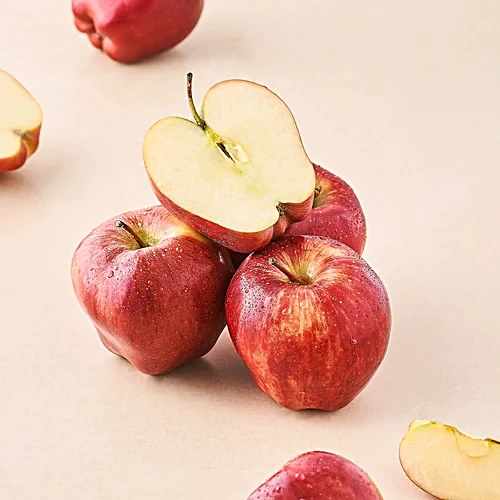
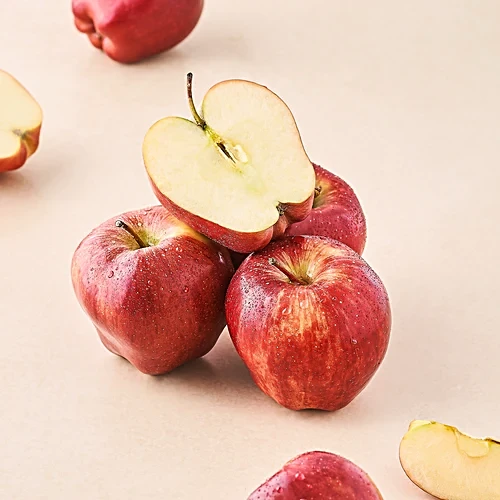
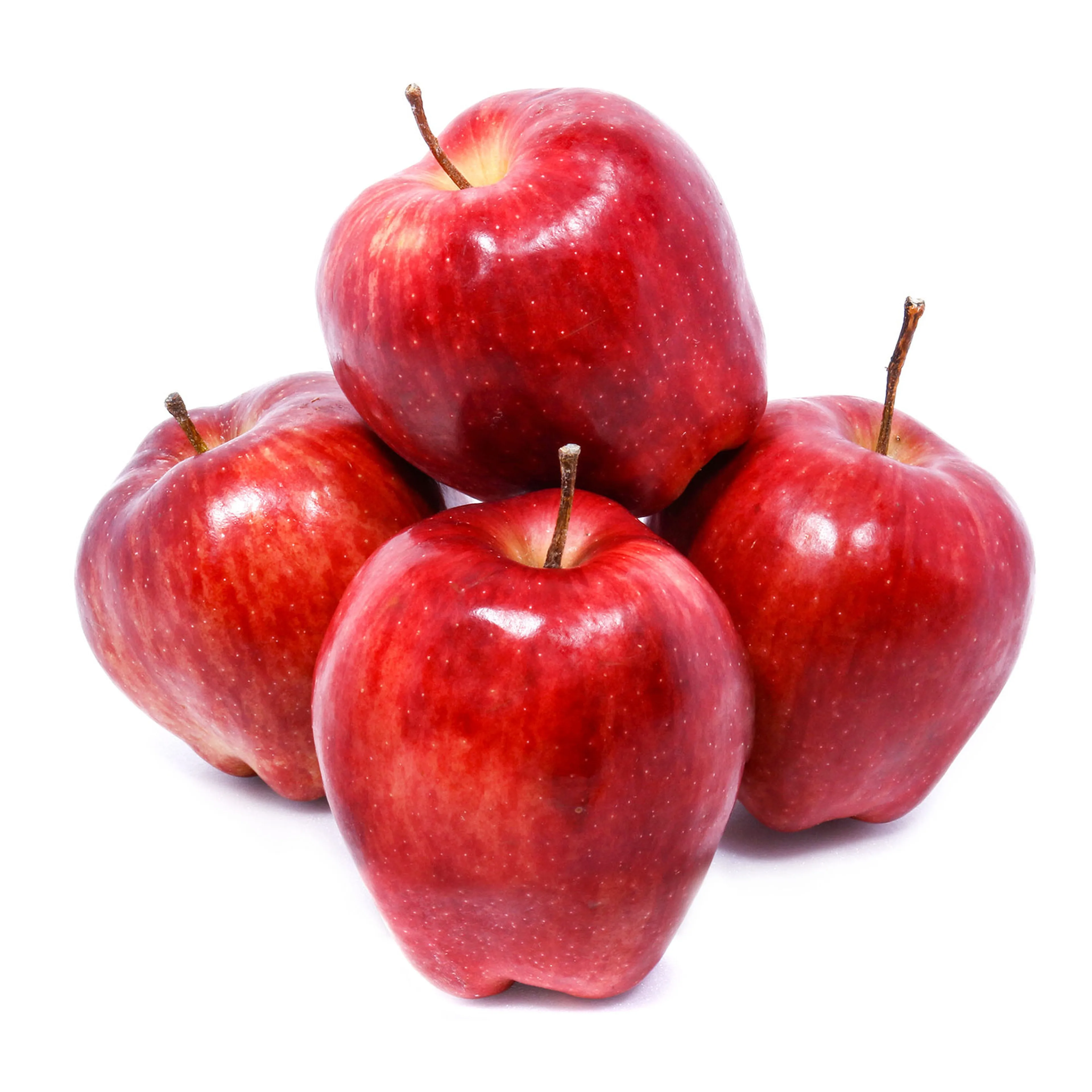
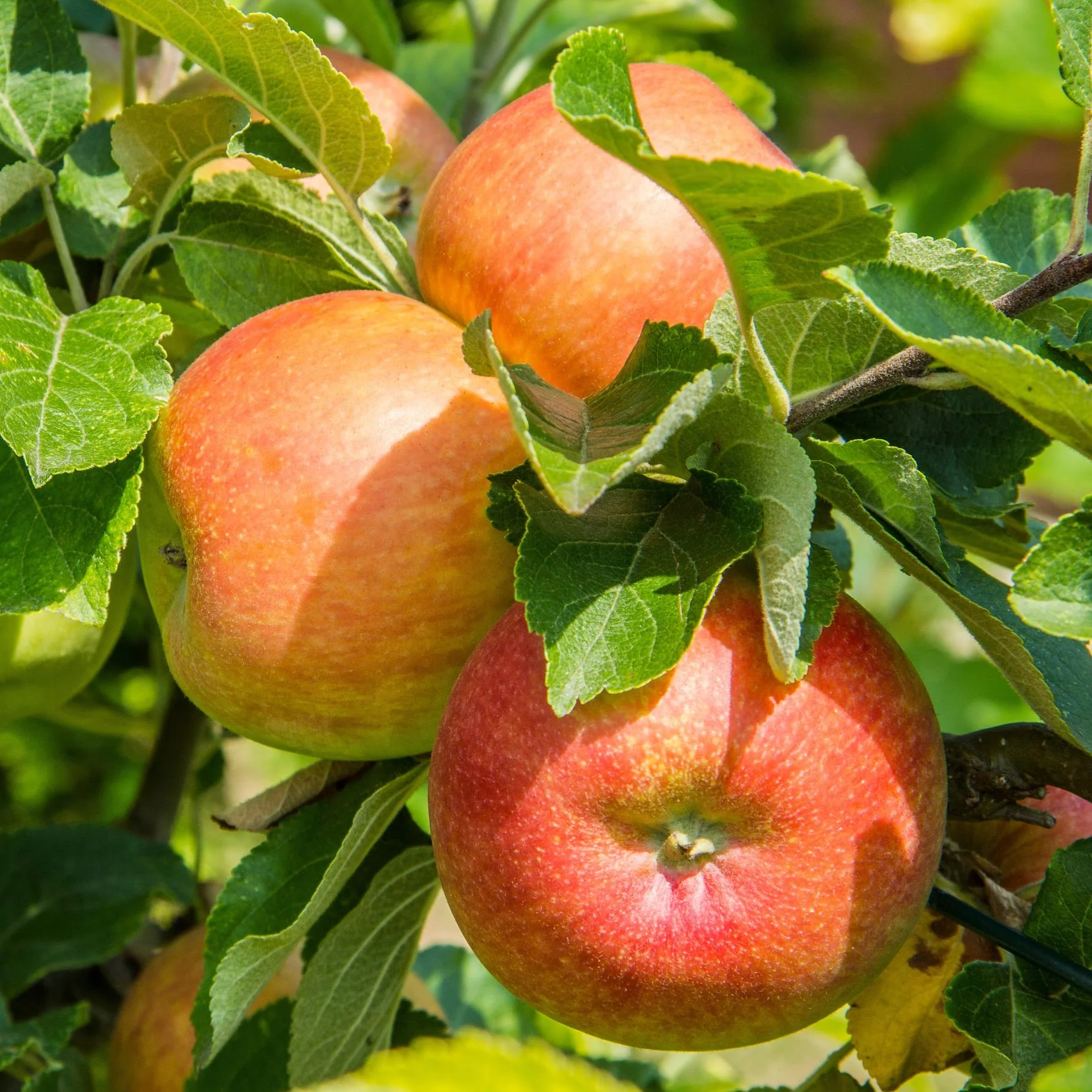
Poland supplies a portfolio of 44 listed products through Kabako Gruppe - Kabako Milk. The catalogue spans frozen fruit (IQF), aseptic fruit purees, dairy powders, and fresh apples, aligning with the supplier's top categories of IQF or Frozen Fruits, Milk & Milk Products, Fruit Puree, Apple, and Milk Powder. Products include Aseptic Raspberry Puree, Skimmed Milk Powder, IQF Raspberries, IQF Apple Segments, and Fresh Apples (HS 0808.10). The range covers both individual items and bulk packs such as 10‑kg IQF strawberry whole bags and 200 g single‑cream tubs. All items are sourced or processed within Poland, positioning the supplier within the EU food‑export framework.
The frozen fruit selections are listed under the IQF designation, indicating individually quick‑frozen pieces typically stored at - 18 °C and packaged in polyethylene or cardboard trays. Aseptic fruit purees are supplied in sterile containers suitable for retort or Tetra Pak processing, while dairy powders and buttermilk products are offered in bulk bags or retail‑size packs. Fresh apple entries reference HS code 0808.10 and specify whole fruit of the species Malus domestica, reflecting standard customs classification for fresh orchard produce. The product list includes both single‑flavor items such as Aseptic Apple Puree and multi‑fruit blends like Smoothie Mix & Frozen Apples and Black Currants. This breadth supports buyers seeking ingredients for confectionery, bakery, beverage, and dairy formulation applications.
Product Range and Specialties of Kabako Gruppe - Kabako Milk
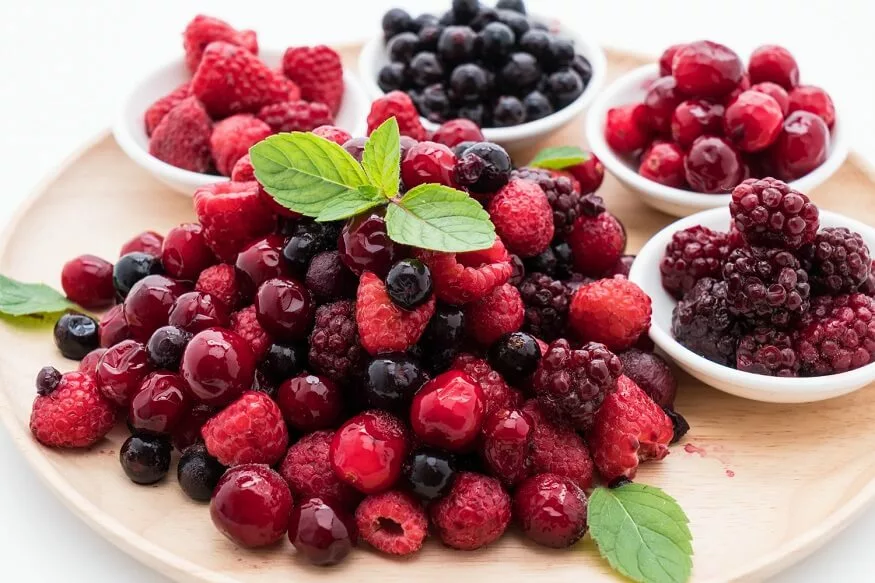
Kabako Gruppe’s catalogue comprises 44 items across five core groups. In the frozen fruit segment, IQF raspberries, strawberries, black and red currants, apples, pears, and specialty berries such as aronia and elderberries are offered, commonly packaged in 10 kg or 20 kg bulk bags that meet EU food‑safety standards. Fruit purees, including raspberry, strawberry, plum, and apple, are supplied aseptically, typically in 1 L or 5 L Tetra Pak cartons meeting BRC Global Standard for Food Safety. Dairy offerings feature skimmed milk powder, single‑cream tubs (200 g and 800 g), buttermilk drinks, kefir, and semi‑fat curd, with powder grades often conforming to EU Codex specifications for moisture ≤5 % and protein ≥30 %. Fresh apple entries list HS 0808.10 and are generally exported in ventilated cartons holding 10 - 20 kg of whole fruit.
Trade and Export Information - Kabako Gruppe - Kabako Milk
Poland is a major exporter of frozen berries, fruit purees, and dairy powders within the European Union, benefiting from well‑developed cold‑chain logistics and proximity to key markets in Western Europe, the Middle East, and North Africa. HS chapters 08 (fresh fruit) and 20 (prepared foods) cover the supplier’s fresh apple and aseptic puree items, while HS 04 (dairy) applies to milk powder and buttermilk products. Buyers typically require certifications such as ISO 22000, HACCP, BRC, and EU organic or geographical indication labels, depending on the end‑use. Standard Incoterms for these exports are FOB Gdańsk or CIF Mediterranean ports, with container loads ranging from 20‑ft (≈12 t) for bulk powders to 40‑ft reefers for frozen fruit.
Export documentation for Polish food producers includes a phytosanitary certificate for fresh apples, a health certificate for dairy powders, and a Certificate of Origin for preferential tariff treatment under EU trade agreements. Packaging must comply with EU Regulation 1935/2004 on materials in contact with food, and frozen goods are required to maintain a cold chain temperature of ≤‑18 °C throughout transport. Typical buyers are food manufacturers in the confectionery, beverage, bakery, and dairy sectors who source ingredients for processed products and value traceability and compliance with EU food law.
Sourcing from Kabako Gruppe - Kabako Milk - Buyer Guidance
When sourcing from Kabako Gruppe, buyers should request a product specification sheet that details moisture content, particle size (for powders), Brix level (for purees), and microbial limits such as total plate count ≤10 CFU/g. Samples of frozen fruit are usually provided in 5 kg trial packs, while puree samples may be sent in 1 L sterile containers; buyers are advised to verify colour, flavour, and texture against their formulation requirements. Required certifications include a recent HACCP audit report, ISO 22000 or BRC certificate, and for dairy powders a dairy‑specific health certificate confirming compliance with EU dairy regulations.
Importers must ensure that the supplier can provide a phytosanitary certificate for fresh apple shipments and a Certificate of Origin for duty‑free eligibility under EU‑Poland trade terms. Verify that the packaging meets EU Regulation 1935/2004 and that freezer‑temperature monitoring logs are available for IQF products. Confirm lead times, which typically range from 2‑4 weeks for bulk powder orders to 5‑7 days for ready‑to‑ship frozen fruit pallets, and clarify the minimum order quantity, often a full 20‑ft container or 10 t for powders.
Frequently Asked Questions About Kabako Gruppe - Kabako Milk
What product categories does Kabako Gruppe offer?
The supplier lists items in IQF or Frozen Fruits, Milk & Milk Products, Fruit Puree, Apple and Milk Powder, covering frozen berries, aseptic purees, dairy powders, creams, kefir, and fresh apples.
Which HS code applies to the fresh apple products?
Fresh apple entries are classified under HS code 0808.10, which covers fresh whole apples of the species Malus domestica.
What are the typical packaging sizes for the frozen fruit range?
IQF frozen berries and apple pieces are commonly packed in bulk bags of 10 kg or 20 kg, suitable for shipment in refrigerated containers.
Which certifications should a buyer request for the dairy powder products?
Buyers should ask for an up‑to‑date HACCP audit, ISO 22000 or BRC Food Safety certificate, and a dairy health certificate confirming EU compliance for skimmed milk powder.
How are the aseptic fruit purees packaged for export?
Aseptic purees are usually supplied in sterile Tetra Pak cartons or similar retort‑compatible containers, typically in 1 L or 5 L volumes, meeting BRC and EU food‑contact material regulations.
What are the standard lead times and minimum order quantities?
Lead times are about 2‑4 weeks for bulk dairy powders and 5‑7 days for frozen fruit pallets; minimum orders are often a full 20‑ft container for powders or a 10‑ton freight for frozen fruit.
Which markets commonly import these Polish food products?
Typical import destinations include Western and Central European countries, the Middle East, North Africa and, for specialty frozen berries, the United States and Asian food‑service sectors.
What documentation is required for importing fresh apples from Poland?
Importers need a phytosanitary certificate, the commercial invoice, packing list, and a Certificate of Origin to benefit from EU preferential tariffs.




 , Poland