Agriculture›
 Apparel and fashion accessories›
 Construction & real estate›💡Electronic & Electrical›🍎Food & Beverages›🛋️Home furnishing & supplies›⚗️Industrial goods & chemical›🪨Minerals & metals›📦Miscellaneous›Agriculture›Apparel and fashion accessories›Construction & real estate›💡Electronic & Electrical›🍎Food & Beverages›🛋️Home furnishing & supplies›⚗️Industrial goods & chemical›🪨Minerals & metals›📦Miscellaneous›
Jute Export Corporation
⚓ Harbor , BangladeshNew supplier / no reviews yet
Jute Export Corporation Product Catalog

About Jute Export Corporation - Jute Products Supplier in Bangladesh
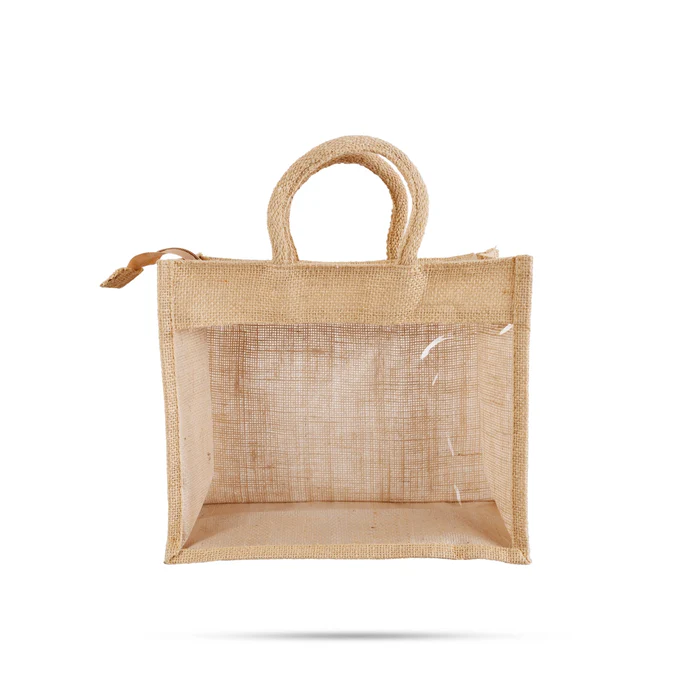
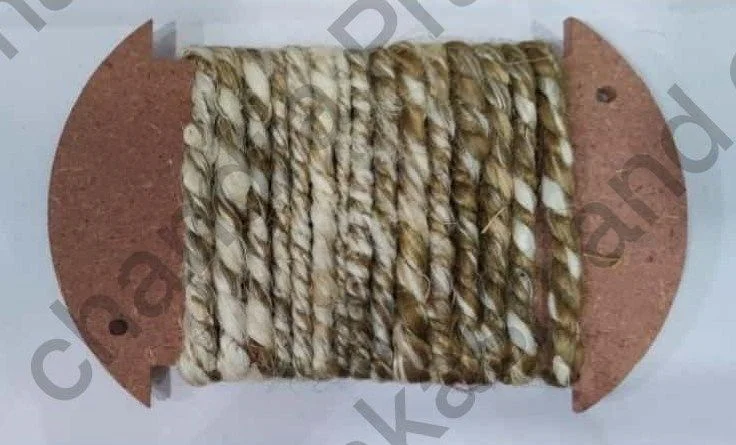
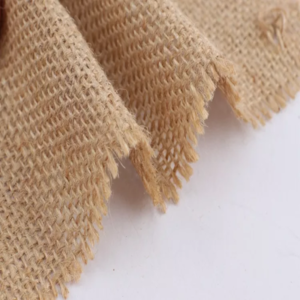
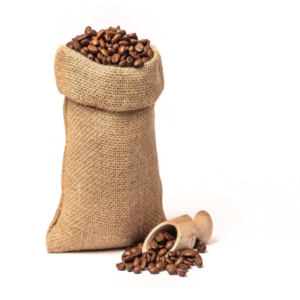
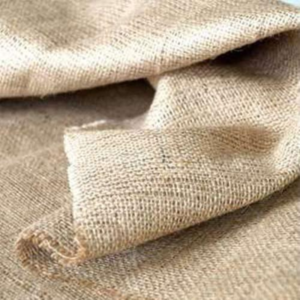
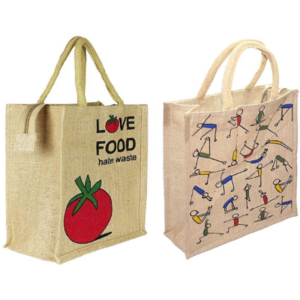
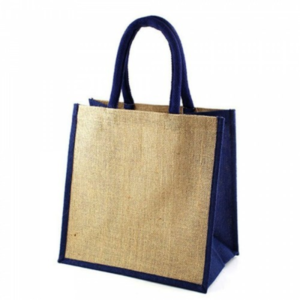
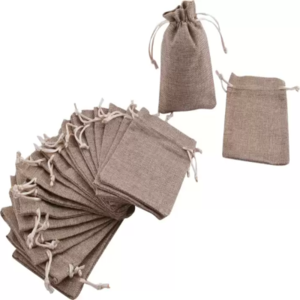
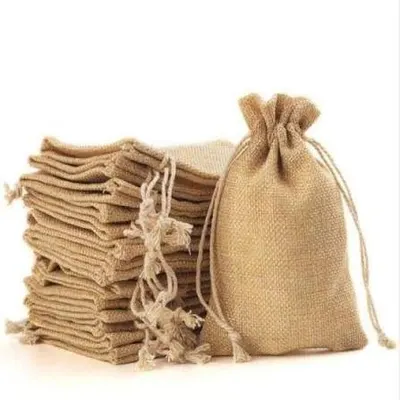
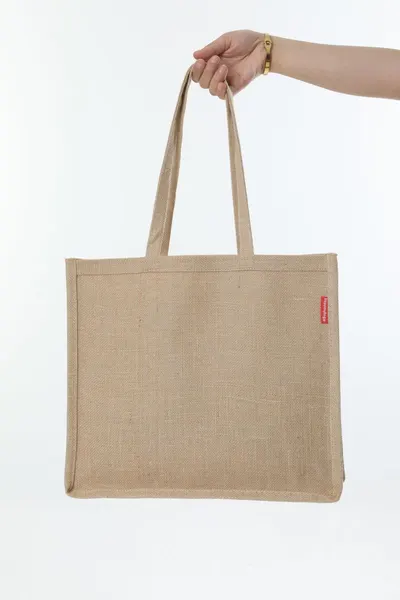
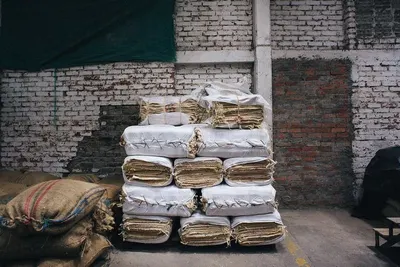
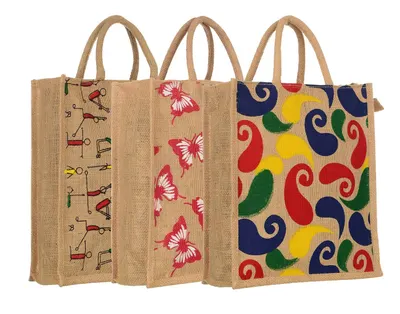
Jute Export Corporation, based in Bangladesh, offers 5 active products. The company lists a range of jute products, including Printed Std B Twills Jute Bags, Jute Hessian Cloths, Jute Yarn, Jute Hessian Bags, and Food Grade Jute Bags. These products are part of the jute bags, jute products, and jute yarn and fabric categories. Buyers from various regions, particularly those in the textile and packaging industries, typically source these goods from Bangladeshi exporters.
Exporters of jute products from Bangladesh, like Jute Export Corporation, usually supply goods to regions such as Europe, the Americas, and other parts of Asia. The jute industry in Bangladesh is known for its quality products, with typical specifications including jute yarn counts of 10-20 lbs, fabric densities of 200-400 gsm, and bag sizes ranging from 0.5 to 2 kg capacity.
Product Range and Specialties of Jute Export Corporation
Jute Export Corporation's product range includes various types of jute bags and jute products. For instance, their Printed Std B Twills Jute Bags and Jute Hessian Bags are commonly used for packaging purposes. The company's Jute Yarn is used in the production of jute fabrics, which can have specifications such as 10-20 lbs yarn count and 200-400 gsm fabric density. Buyers of jute products usually require specifications such as fabric weight, yarn count, and bag size to ensure the products meet their needs.
Frequently Asked Questions About Jute Export Corporation
What types of jute products does Jute Export Corporation offer?
Jute Export Corporation offers a range of jute products, including Printed Std B Twills Jute Bags, Jute Hessian Cloths, Jute Yarn, Jute Hessian Bags, and Food Grade Jute Bags. These products are part of the jute bags, jute products, and jute yarn and fabric categories.
What specifications should buyers request when sourcing jute products?
Buyers should request specifications such as fabric weight, yarn count, and bag size to ensure the products meet their needs. They should also request test reports and certifications such as ISO 9001 and ISO 14001 to verify the quality of the products.
What certifications are typically required for jute products?
Certifications such as ISO 9001 and ISO 14001 are typically required for jute products, as well as compliance with regulations such as REACH and RoHS. Buyers should request these certifications to ensure the products meet their needs.
What Incoterms are commonly used in the trade of jute products?
Incoterms such as FOB and CIF are commonly used in the trade of jute products. Buyers should clarify the Incoterms with the supplier to ensure they understand the terms of the trade.
How can buyers verify the quality of jute products?
Buyers can verify the quality of jute products by requesting test reports and certifications such as ISO 9001 and ISO 14001. They should also verify the supplier's trust tier and active product count to ensure they are dealing with a reliable supplier.
BangladeshRelated Suppliers & Products
Explore similar suppliers, related products and trending categories