Jupiter Exim — Supplier

About Jupiter Exim - Other Ores & Minerals Supplier in India

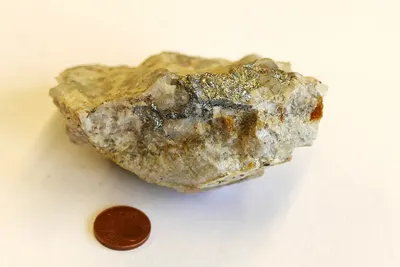
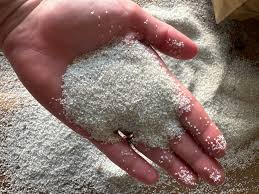
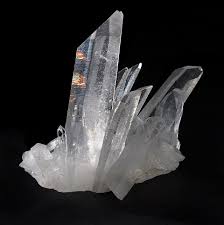
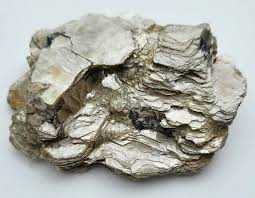
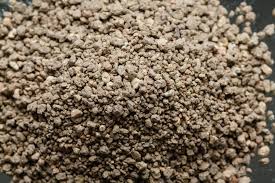
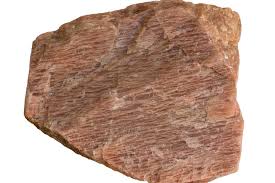
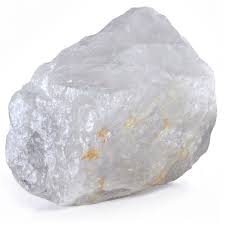
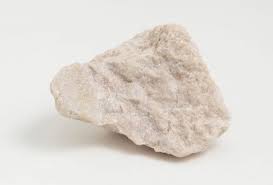
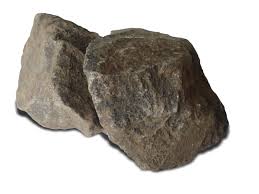
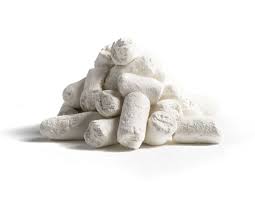
India’s mineral‑rich regions host Jupiter Exim, which currently lists 17 distinct mineral products in its catalogue. The supplier’s portfolio falls under the broader “Other Ores & Minerals” segment and includes items classified under HS Chapter 25 such as bentonite (HS 2508.10), talc (HS 2526.20), barite ore (HS 2511.10), dolomite (HS 2518.10), and several other clays, silicates and oxides. Each product entry references a specific HS code family that aligns with international customs tariffs for industrial minerals. The catalogue further records materials ranging from montmorillonite‑based clays to calcium carbonate and iron‑chromium oxides, reflecting a diverse mineral extraction base. Jupiter Exim’s trust tier is listed as “harbor”, indicating a mid‑level verification status in the sourcing platform. The detailed product list comprises bentonite, talc, barite ore, calcite, dolomite, China clay, chromite, feldspar, fullers earth, mica, quartz, silica, limestone, gypsum, aluminium silicate, bauxite and plaster of Paris. Where HS codes are provided, they correspond to the standard tariff headings for each mineral, for example quartz under HS 2506.10 and silica under HS 2505.10. Materials are described by their chemical composition, such as hydrated magnesium silicate for talc or calcium sulfate dihydrate for gypsum. Products without an HS code in the source data are still part of the mineral suite but lack a specific customs classification in the supplied facts. This breadth allows buyers to source multiple industrial minerals from a single Indian exporter.

Product Range and Specialties of Jupiter Exim

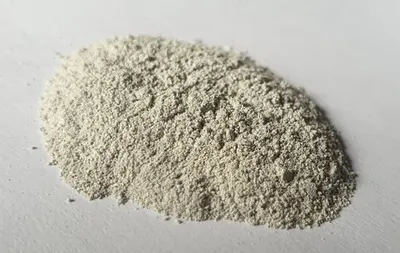
Jupiter Exim’s catalogue covers a spectrum of industrial minerals commonly used in ceramics, paints, plastics, metallurgy and construction. Bentonite is offered as industrial‑grade montmorillonite clay, typically supplied in sodium or calcium form with bulk moisture below 12 % and particle size distribution suited for drilling fluids. Talc listings refer to hydrated magnesium silicate, where buyers usually request ICM grades with iron content under 0.5 % and a brightness of 80 % or higher. Barite ore (BaSO₄) is generally provided at 99 % purity, suitable for weighting agents in oil‑field fluids. Dolomite and calcite are supplied as calcium‑magnesium carbonates with typical loss on ignition under 1 % and bulk densities around 2.6 t/m³. Other clays such as China clay (kaolin) and fullers earth are described by their alumina‑silica ratios and are often graded for pigment or absorbent applications. Standard industry specifications for these minerals include ASTM C‑618 for pozzolanic materials, ISO 9001 quality management, and SGS inspection reports.

Trade and Export Information - Jupiter Exim

India ranks among the top global exporters of industrial minerals, with shipments of bentonite, talc, barite and related ores directed to construction, automotive, oil‑field and chemical manufacturers in Asia, the Middle East, Europe and North America. HS Chapter 25 codes (2505‑2518) are routinely examined by customs authorities, and many importers require pre‑shipment certificates of analysis (COA), material safety data sheets (MSDS) and third‑party inspection reports such as SGS or Bureau Veritas. Buyers often ask for compliance with ISO 14001 environmental management where mining waste handling is concerned, and for heavy minerals like chromite, the REACH registration in the EU may be requested. Typical packaging includes 20‑ft or 40‑ft containers with bulk bags (25 kg) or jumbo bags (1 t) for powdered minerals, while solid ores such as bauxite and limestone are shipped in bulk or on pallets. Incoterms most frequently used for Indian mineral exports are FOB (port of Mumbai or Chennai) and CIF to major ports in the Middle East and Europe.

Sourcing from Jupiter Exim - Buyer Guidance

When sourcing from Jupiter Exim, buyers should request a recent Certificate of Analysis that specifies chemical composition, moisture content, bulk density and particle size distribution for each mineral. For grades that affect performance - such as talc brightness, bentonite swelling index, or barite specific gravity - test reports conforming to ASTM D‑5890, ISO 20474 or equivalent standards are advisable. Verify that the supplier can provide MSDS, and, where applicable, REACH registration or ISO 9001 certification before finalizing contracts. Requesting a small sample (typically 5‑10 kg) allows laboratory verification of the stated specifications and helps establish trust, especially when the trust tier is “harbor”. Confirm packaging details (e.g., bulk bag material, moisture barrier) and shipping terms to ensure the product arrives in condition suitable for downstream processing.

Frequently Asked Questions About Jupiter Exim

What mineral products does Jupiter Exim list in its catalogue?

The catalogue includes 17 items such as bentonite, talc, barite ore, calcite, dolomite, China clay, chromite, feldspar, fullers earth, mica, quartz, silica, limestone, gypsum, aluminium silicate, bauxite and plaster of Paris.

Which HS codes are associated with Jupiter Exim’s products?

Products are classified under HS codes like 2508.10 for bentonite and calcite, 2526.20 for talc, 2511.10 for barite ore, 2518.10 for dolomite, 2529.10 for feldspar, 2506.10 for quartz and 2505.10 for silica, among others.

Are any certifications listed for Jupiter Exim?

No certifications are provided in the supplied data; buyers should request standard certifications such as ISO 9001, SGS inspection reports or relevant REACH documentation where required.

What typical specifications should I check for bentonite supplied from India?

Typical specifications include sodium or calcium form, purity above 95 %, moisture below 12 %, swelling index per ASTM D‑5890 and particle size distribution suitable for drilling or binding applications.

How are bulk mineral shipments usually packaged for export?

Exporters commonly use 25 kg bulk bags, 1‑ton jumbo bags, or palletised cartons for powdered minerals, while solid ores are shipped in bulk containers or on open‑top containers with suitable moisture barriers.

Which markets typically import the minerals offered by Jupiter Exim?

Major importers include construction material manufacturers in the Middle East, ceramics and paint producers in Europe, oil‑field service companies in North America, and automotive or plastic processors across Asia.

What documentation is advisable before placing an order?

Buyers should obtain a current Certificate of Analysis, Material Safety Data Sheet, any required REACH or environmental compliance certificates, and a copy of the commercial invoice showing HS codes and Incoterms.

What are common Incoterms used for Indian mineral exports?

FOB (Free on Board) from ports such as Mumbai or Chennai and CIF (Cost, Insurance, Freight) to destination ports are the most frequently applied terms.


Featured Products from this Supplier

Other Suppliers in Primary Category

Top Trusted Suppliers

Related Products

Trending in Parent Category

More Suppliers in Category

Related Products

Other Suppliers

EximNext
7.1K+ live requirements
Register Free🎁 Reach global buyers
Post Requirement
🌍 Trusted by 225K+ businesses in 200+ countries|
7.1K+ active requirements right now
✉️ [email protected]
|
Sell on EximNextPost Requirement
EximNext
AgricultureApparelConstructionElectronicFoodHomeIndustrialMineralsMiscellaneous
🔥 Deals|✨ AI Match|🏭 Suppliers|📋 Buy Leads|💰 Trade Finance
7.1K+ live RFQs·194.8K+ suppliers
🎁 Reach global buyers →
EximNext
EximNext
Register Free
🎁 Reach global buyers
Sign In
📋Post Requirement💬Get Quotes✨AI Match📋RFQ Marketplace
All Categories
Services & Tools
🏭Supplier Directory🔥Today's Deals💰Trade Finance
Sell on EximNext →
AboutContactBlogHelp
Industrial & Minerals  ·  India
17
products listed

Jupiter Exim

⚓ Harbor
Country flag , IndiaNew supplier / no reviews yet
🛡️
77/100
Trust Score

Jupiter Exim Product Catalog

Showing 12 of 17 products
View all products →
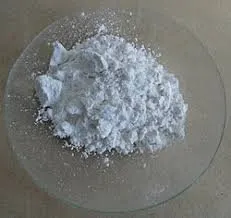
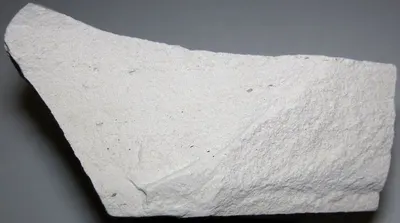
Fullers Earth
⚓ Harbor
Fullers Earth
Contact
MOQ: 1 Unit
Plaster of Paris
⚓ Harbor
Plaster of Paris
Contact
MOQ: 1 Unit
Bauxite
⚓ Harbor
Bauxite
Contact
MOQ: 1 Unit
Aluminium Silicate
⚓ Harbor
Aluminium Silicate
Contact
MOQ: 1 Unit
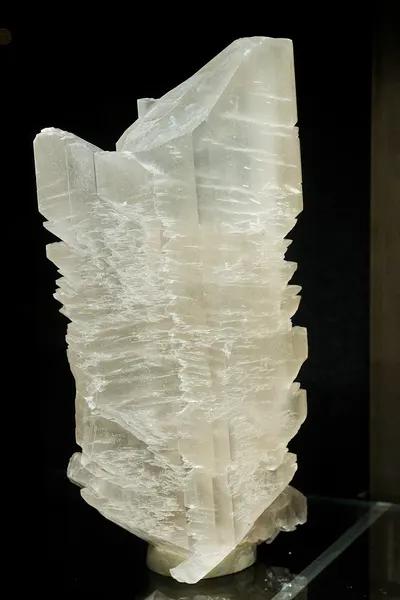
Gypsum
⚓ Harbor
Gypsum
Contact
MOQ: 1 Unit
Limestone
⚓ Harbor
Limestone
Contact
MOQ: 1 Unit
Silica
⚓ Harbor
Silica
Contact
MOQ: 1 Unit
Quartz
⚓ Harbor
Quartz
Contact
MOQ: 1 Unit
Mica
⚓ Harbor
Mica
Contact
MOQ: 1 Unit
Bentonite
⚓ Harbor
Bentonite
Contact
MOQ: 1 Unit
Feldspar
⚓ Harbor
Feldspar
Contact
MOQ: 1 Unit
Chromite
⚓ Harbor
Chromite
Contact
MOQ: 1 Unit

About Jupiter Exim - Other Ores & Minerals Supplier in India

India’s mineral‑rich regions host Jupiter Exim, which currently lists 17 distinct mineral products in its catalogue. The supplier’s portfolio falls under the broader “Other Ores & Minerals” segment and includes items classified under HS Chapter 25 such as bentonite (HS 2508.10), talc (HS 2526.20), barite ore (HS 2511.10), dolomite (HS 2518.10), and several other clays, silicates and oxides. Each product entry references a specific HS code family that aligns with international customs tariffs for industrial minerals. The catalogue further records materials ranging from montmorillonite‑based clays to calcium carbonate and iron‑chromium oxides, reflecting a diverse mineral extraction base. Jupiter Exim’s trust tier is listed as “harbor”, indicating a mid‑level verification status in the sourcing platform. The detailed product list comprises bentonite, talc, barite ore, calcite, dolomite, China clay, chromite, feldspar, fullers earth, mica, quartz, silica, limestone, gypsum, aluminium silicate, bauxite and plaster of Paris. Where HS codes are provided, they correspond to the standard tariff headings for each mineral, for example quartz under HS 2506.10 and silica under HS 2505.10. Materials are described by their chemical composition, such as hydrated magnesium silicate for talc or calcium sulfate dihydrate for gypsum. Products without an HS code in the source data are still part of the mineral suite but lack a specific customs classification in the supplied facts. This breadth allows buyers to source multiple industrial minerals from a single Indian exporter.

Product Range and Specialties of Jupiter Exim

Jupiter Exim’s catalogue covers a spectrum of industrial minerals commonly used in ceramics, paints, plastics, metallurgy and construction. Bentonite is offered as industrial‑grade montmorillonite clay, typically supplied in sodium or calcium form with bulk moisture below 12 % and particle size distribution suited for drilling fluids. Talc listings refer to hydrated magnesium silicate, where buyers usually request ICM grades with iron content under 0.5 % and a brightness of 80 % or higher. Barite ore (BaSO₄) is generally provided at 99 % purity, suitable for weighting agents in oil‑field fluids. Dolomite and calcite are supplied as calcium‑magnesium carbonates with typical loss on ignition under 1 % and bulk densities around 2.6 t/m³. Other clays such as China clay (kaolin) and fullers earth are described by their alumina‑silica ratios and are often graded for pigment or absorbent applications. Standard industry specifications for these minerals include ASTM C‑618 for pozzolanic materials, ISO 9001 quality management, and SGS inspection reports.

Trade and Export Information - Jupiter Exim

India ranks among the top global exporters of industrial minerals, with shipments of bentonite, talc, barite and related ores directed to construction, automotive, oil‑field and chemical manufacturers in Asia, the Middle East, Europe and North America. HS Chapter 25 codes (2505‑2518) are routinely examined by customs authorities, and many importers require pre‑shipment certificates of analysis (COA), material safety data sheets (MSDS) and third‑party inspection reports such as SGS or Bureau Veritas. Buyers often ask for compliance with ISO 14001 environmental management where mining waste handling is concerned, and for heavy minerals like chromite, the REACH registration in the EU may be requested. Typical packaging includes 20‑ft or 40‑ft containers with bulk bags (25 kg) or jumbo bags (1 t) for powdered minerals, while solid ores such as bauxite and limestone are shipped in bulk or on pallets. Incoterms most frequently used for Indian mineral exports are FOB (port of Mumbai or Chennai) and CIF to major ports in the Middle East and Europe.

Sourcing from Jupiter Exim - Buyer Guidance

When sourcing from Jupiter Exim, buyers should request a recent Certificate of Analysis that specifies chemical composition, moisture content, bulk density and particle size distribution for each mineral. For grades that affect performance - such as talc brightness, bentonite swelling index, or barite specific gravity - test reports conforming to ASTM D‑5890, ISO 20474 or equivalent standards are advisable. Verify that the supplier can provide MSDS, and, where applicable, REACH registration or ISO 9001 certification before finalizing contracts. Requesting a small sample (typically 5‑10 kg) allows laboratory verification of the stated specifications and helps establish trust, especially when the trust tier is “harbor”. Confirm packaging details (e.g., bulk bag material, moisture barrier) and shipping terms to ensure the product arrives in condition suitable for downstream processing.

Frequently Asked Questions About Jupiter Exim

What mineral products does Jupiter Exim list in its catalogue?

The catalogue includes 17 items such as bentonite, talc, barite ore, calcite, dolomite, China clay, chromite, feldspar, fullers earth, mica, quartz, silica, limestone, gypsum, aluminium silicate, bauxite and plaster of Paris.

Which HS codes are associated with Jupiter Exim’s products?

Products are classified under HS codes like 2508.10 for bentonite and calcite, 2526.20 for talc, 2511.10 for barite ore, 2518.10 for dolomite, 2529.10 for feldspar, 2506.10 for quartz and 2505.10 for silica, among others.

Are any certifications listed for Jupiter Exim?

No certifications are provided in the supplied data; buyers should request standard certifications such as ISO 9001, SGS inspection reports or relevant REACH documentation where required.

What typical specifications should I check for bentonite supplied from India?

Typical specifications include sodium or calcium form, purity above 95 %, moisture below 12 %, swelling index per ASTM D‑5890 and particle size distribution suitable for drilling or binding applications.

How are bulk mineral shipments usually packaged for export?

Exporters commonly use 25 kg bulk bags, 1‑ton jumbo bags, or palletised cartons for powdered minerals, while solid ores are shipped in bulk containers or on open‑top containers with suitable moisture barriers.

Which markets typically import the minerals offered by Jupiter Exim?

Major importers include construction material manufacturers in the Middle East, ceramics and paint producers in Europe, oil‑field service companies in North America, and automotive or plastic processors across Asia.

What documentation is advisable before placing an order?

Buyers should obtain a current Certificate of Analysis, Material Safety Data Sheet, any required REACH or environmental compliance certificates, and a copy of the commercial invoice showing HS codes and Incoterms.

What are common Incoterms used for Indian mineral exports?

FOB (Free on Board) from ports such as Mumbai or Chennai and CIF (Cost, Insurance, Freight) to destination ports are the most frequently applied terms.

About Jupiter Exim - Other Ores & Minerals Supplier in India

India’s mineral‑rich regions host Jupiter Exim, which currently lists 17 distinct mineral products in its catalogue. The supplier’s portfolio falls under the broader “Other Ores & Minerals” segment and includes items classified under HS Chapter 25 such as bentonite (HS 2508.10), talc (HS 2526.20), barite ore (HS 2511.10), dolomite (HS 2518.10), and several other clays, silicates and oxides. Each product entry references a specific HS code family that aligns with international customs tariffs for industrial minerals. The catalogue further records materials ranging from montmorillonite‑based clays to calcium carbonate and iron‑chromium oxides, reflecting a diverse mineral extraction base. Jupiter Exim’s trust tier is listed as “harbor”, indicating a mid‑level verification status in the sourcing platform. The detailed product list comprises bentonite, talc, barite ore, calcite, dolomite, China clay, chromite, feldspar, fullers earth, mica, quartz, silica, limestone, gypsum, aluminium silicate, bauxite and plaster of Paris. Where HS codes are provided, they correspond to the standard tariff headings for each mineral, for example quartz under HS 2506.10 and silica under HS 2505.10. Materials are described by their chemical composition, such as hydrated magnesium silicate for talc or calcium sulfate dihydrate for gypsum. Products without an HS code in the source data are still part of the mineral suite but lack a specific customs classification in the supplied facts. This breadth allows buyers to source multiple industrial minerals from a single Indian exporter.

Product Range and Specialties of Jupiter Exim

Jupiter Exim’s catalogue covers a spectrum of industrial minerals commonly used in ceramics, paints, plastics, metallurgy and construction. Bentonite is offered as industrial‑grade montmorillonite clay, typically supplied in sodium or calcium form with bulk moisture below 12 % and particle size distribution suited for drilling fluids. Talc listings refer to hydrated magnesium silicate, where buyers usually request ICM grades with iron content under 0.5 % and a brightness of 80 % or higher. Barite ore (BaSO₄) is generally provided at 99 % purity, suitable for weighting agents in oil‑field fluids. Dolomite and calcite are supplied as calcium‑magnesium carbonates with typical loss on ignition under 1 % and bulk densities around 2.6 t/m³. Other clays such as China clay (kaolin) and fullers earth are described by their alumina‑silica ratios and are often graded for pigment or absorbent applications. Standard industry specifications for these minerals include ASTM C‑618 for pozzolanic materials, ISO 9001 quality management, and SGS inspection reports.

Trade and Export Information - Jupiter Exim

India ranks among the top global exporters of industrial minerals, with shipments of bentonite, talc, barite and related ores directed to construction, automotive, oil‑field and chemical manufacturers in Asia, the Middle East, Europe and North America. HS Chapter 25 codes (2505‑2518) are routinely examined by customs authorities, and many importers require pre‑shipment certificates of analysis (COA), material safety data sheets (MSDS) and third‑party inspection reports such as SGS or Bureau Veritas. Buyers often ask for compliance with ISO 14001 environmental management where mining waste handling is concerned, and for heavy minerals like chromite, the REACH registration in the EU may be requested. Typical packaging includes 20‑ft or 40‑ft containers with bulk bags (25 kg) or jumbo bags (1 t) for powdered minerals, while solid ores such as bauxite and limestone are shipped in bulk or on pallets. Incoterms most frequently used for Indian mineral exports are FOB (port of Mumbai or Chennai) and CIF to major ports in the Middle East and Europe.

Sourcing from Jupiter Exim - Buyer Guidance

When sourcing from Jupiter Exim, buyers should request a recent Certificate of Analysis that specifies chemical composition, moisture content, bulk density and particle size distribution for each mineral. For grades that affect performance - such as talc brightness, bentonite swelling index, or barite specific gravity - test reports conforming to ASTM D‑5890, ISO 20474 or equivalent standards are advisable. Verify that the supplier can provide MSDS, and, where applicable, REACH registration or ISO 9001 certification before finalizing contracts. Requesting a small sample (typically 5‑10 kg) allows laboratory verification of the stated specifications and helps establish trust, especially when the trust tier is “harbor”. Confirm packaging details (e.g., bulk bag material, moisture barrier) and shipping terms to ensure the product arrives in condition suitable for downstream processing.

Frequently Asked Questions About Jupiter Exim
What mineral products does Jupiter Exim list in its catalogue?
The catalogue includes 17 items such as bentonite, talc, barite ore, calcite, dolomite, China clay, chromite, feldspar, fullers earth, mica, quartz, silica, limestone, gypsum, aluminium silicate, bauxite and plaster of Paris.
Which HS codes are associated with Jupiter Exim’s products?
Products are classified under HS codes like 2508.10 for bentonite and calcite, 2526.20 for talc, 2511.10 for barite ore, 2518.10 for dolomite, 2529.10 for feldspar, 2506.10 for quartz and 2505.10 for silica, among others.
Are any certifications listed for Jupiter Exim?
No certifications are provided in the supplied data; buyers should request standard certifications such as ISO 9001, SGS inspection reports or relevant REACH documentation where required.
What typical specifications should I check for bentonite supplied from India?
Typical specifications include sodium or calcium form, purity above 95 %, moisture below 12 %, swelling index per ASTM D‑5890 and particle size distribution suitable for drilling or binding applications.
How are bulk mineral shipments usually packaged for export?
Exporters commonly use 25 kg bulk bags, 1‑ton jumbo bags, or palletised cartons for powdered minerals, while solid ores are shipped in bulk containers or on open‑top containers with suitable moisture barriers.
Which markets typically import the minerals offered by Jupiter Exim?
Major importers include construction material manufacturers in the Middle East, ceramics and paint producers in Europe, oil‑field service companies in North America, and automotive or plastic processors across Asia.
What documentation is advisable before placing an order?
Buyers should obtain a current Certificate of Analysis, Material Safety Data Sheet, any required REACH or environmental compliance certificates, and a copy of the commercial invoice showing HS codes and Incoterms.
What are common Incoterms used for Indian mineral exports?
FOB (Free on Board) from ports such as Mumbai or Chennai and CIF (Cost, Insurance, Freight) to destination ports are the most frequently applied terms.

Jupiter Exim
Country flag India
⚓ HarborIndustrial & Minerals
77/100
Trust Score
17
Products
✓ Free to contact — no commission
✓ Escrow payment available
✓ Verified business identity
Compare more suppliers
Post a requirement — get 10 quotes free
Let verified suppliers compete for your business. Free, fast, no commitment.
Due Diligence
Verify this supplier's real shipping history.
Every shipment, every buyer, every port. Trade data that can't be faked.
Run due diligence →
Discover More

Related Suppliers & Products

Explore similar suppliers, related products and trending categories

Featured Products from this Supplier

Other Suppliers in Primary Category

Top Trusted Suppliers

Related Products

Trending in Parent Category

More Suppliers in Category

Stay ahead in global trade
Weekly market insights & new supplier alerts.
EximNext
Exim Next is a leading global B2B marketplace, connecting over 220,000 registered suppliers and buyers across 200+ countries. As a trusted import export marketplace, it serves as the essential B2B portal for businesses worldwide, empowering them to expand their international reach. With Exim Next, businesses can trade smarter and grow faster.
SECURE PAYMENTS
VISAMastercardPayPalSWIFTL/CEscrow
Follow us
© 2026 EximNext