Ivory Lar Recycling LLC — Verified Manufacturer & Wholesale Supplier
About Ivory Lar Recycling LLC - Plastic Scrap Supplier in Belarus
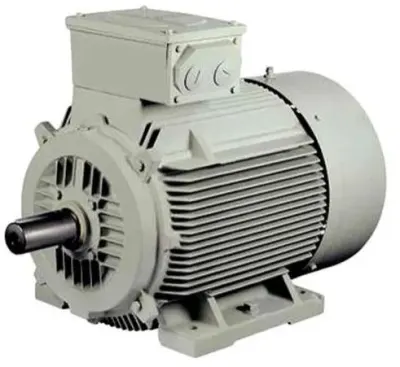
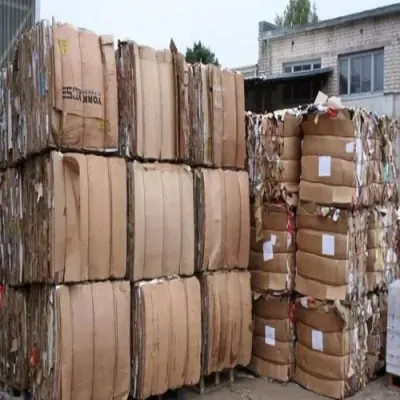
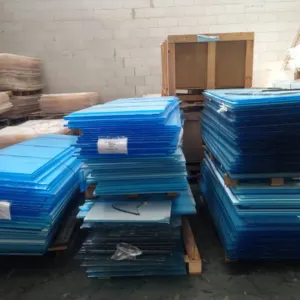
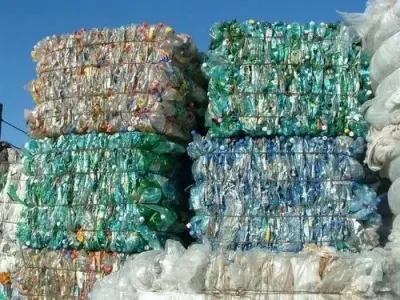
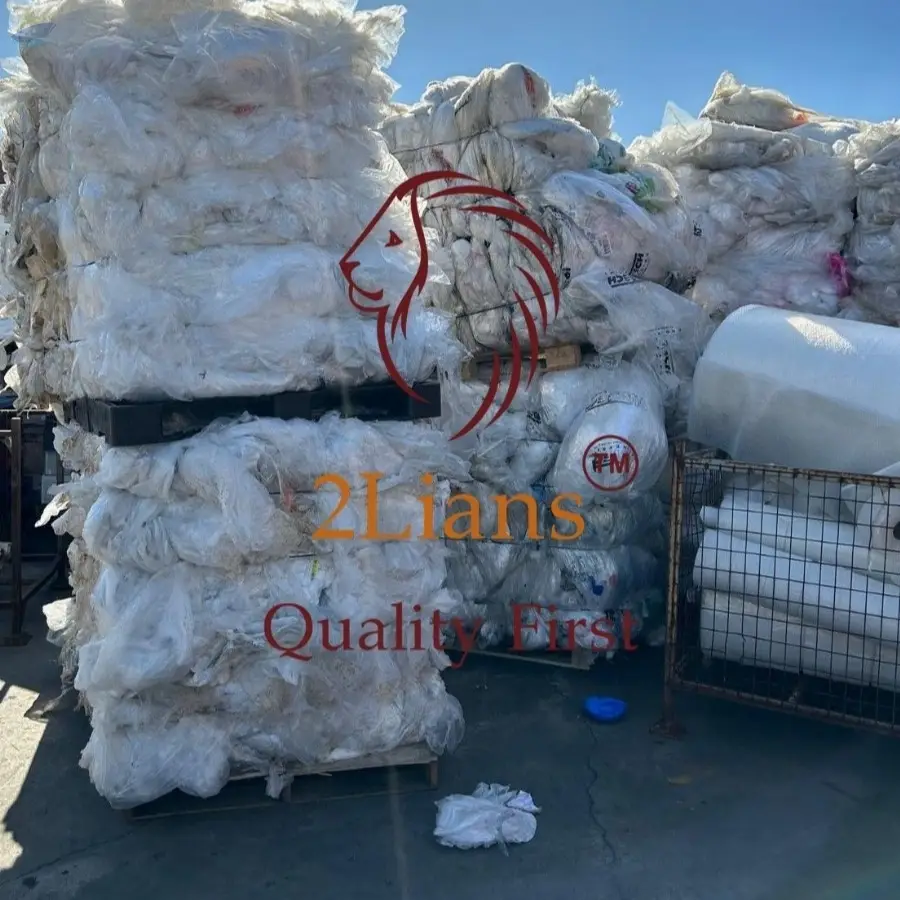
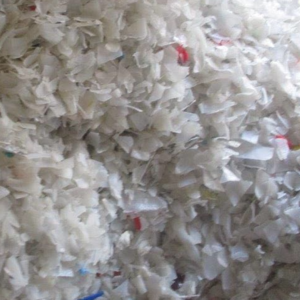
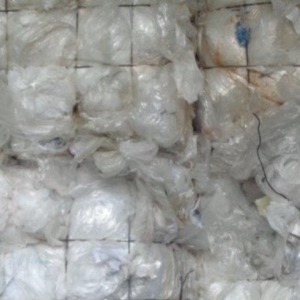
Belarus, Minskaja voblasc, hosts Ivory Lar Recycling LLC which lists ten distinct scrap product lines in its catalogue. The supplier records LDPE film and roll scrap, PET bottle and tray scrap, HDPE bottle and drum scrap, PMMA acrylic off‑cuts, PU‑foam medical‑grade scrap, OCC/ONP/SOP waste paper, EPS blocks, electric‑motor scrap and PVC medical‑tube scrap. Each item is classified under the HS codes 3915.10 for most plastics, 3915.90 for PMMA, PVC and EPS, 3921.11 for PU foam, 4707.90 for OCC paper, and 7404.00 for electric‑motor scrap. The catalogue explicitly mentions the material type for each line, such as LDPE, PET, HDPE, PMMA, PU‑foam, OCC‑ONP‑SOP, EPS, electric‑motors and PVC. The listing reflects a focus on post‑consumer and industrial scrap suitable for re‑granulation, re‑grind or direct reuse in manufacturing processes.
The ten product entries cover both polymeric and non‑polymeric streams, providing a basis for buyers to source bulk scrap for recycling operations. The HS‑code families indicate that most plastics fall under chapter 39, paper under chapter 47, and metal‑based motor scrap under chapter 74, which aligns with standard customs classification for such commodities. No additional product lines are disclosed beyond those ten items, and the supplier’s profile emphasizes its role as a direct exporter of these scrap streams.
Product Range and Specialties of Ivory Lar Recycling LLC
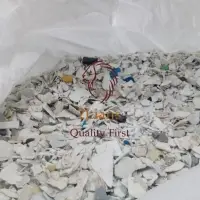
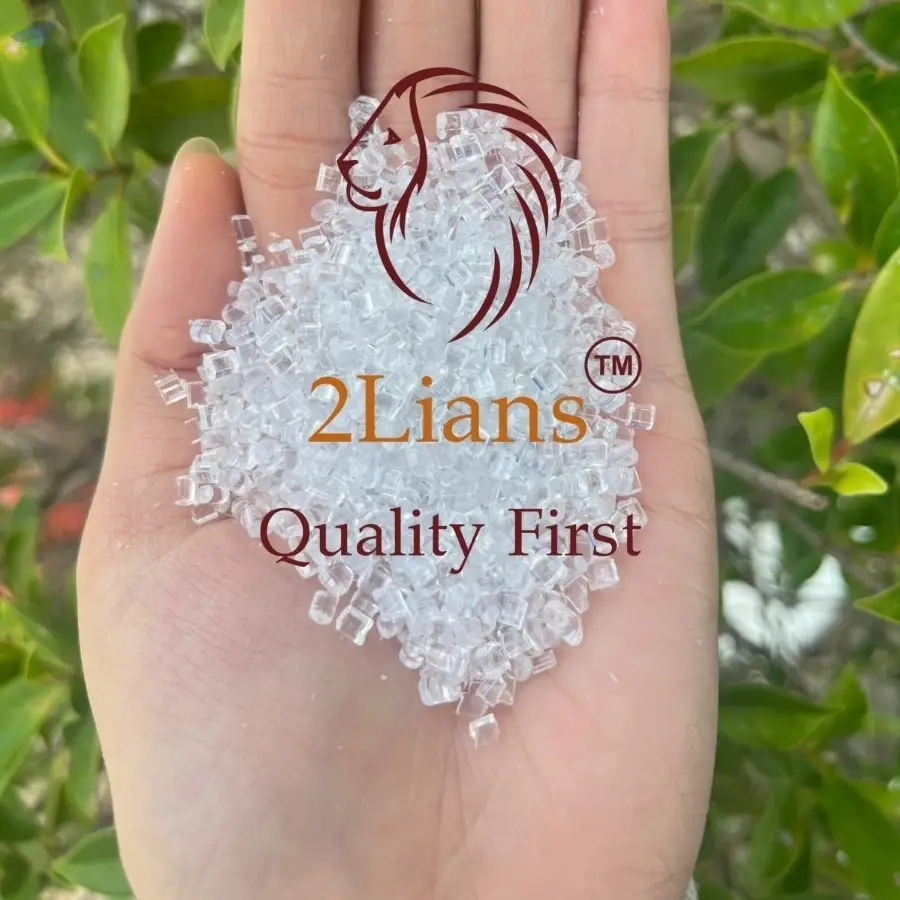
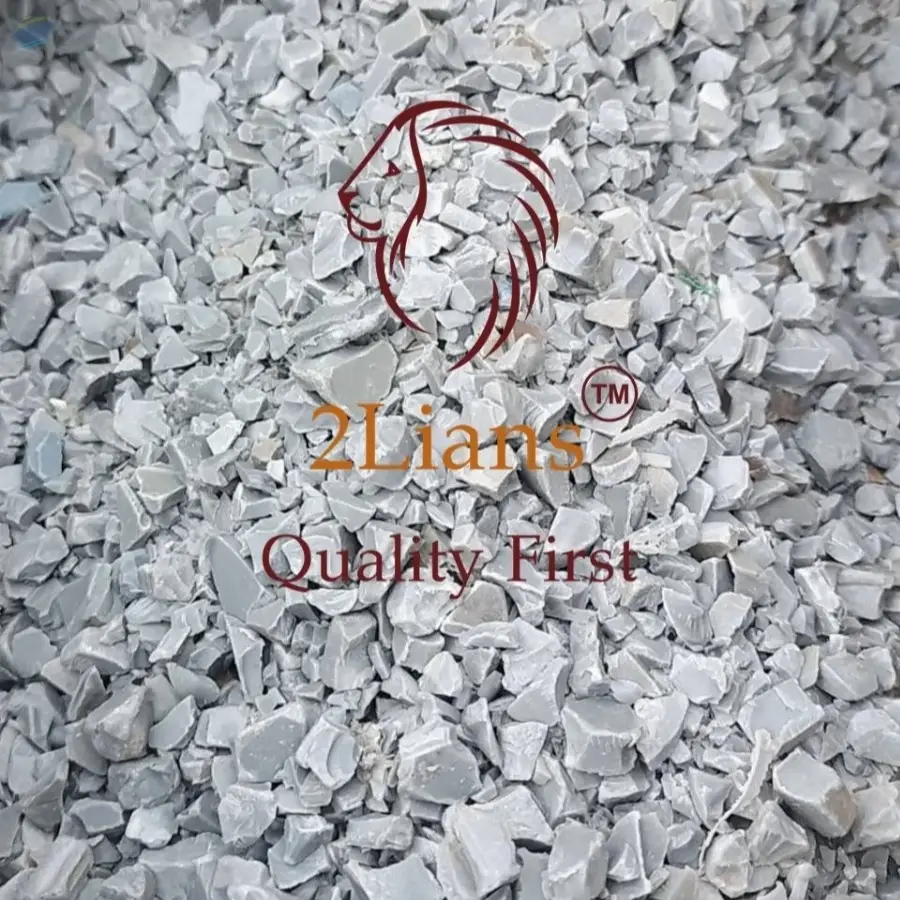
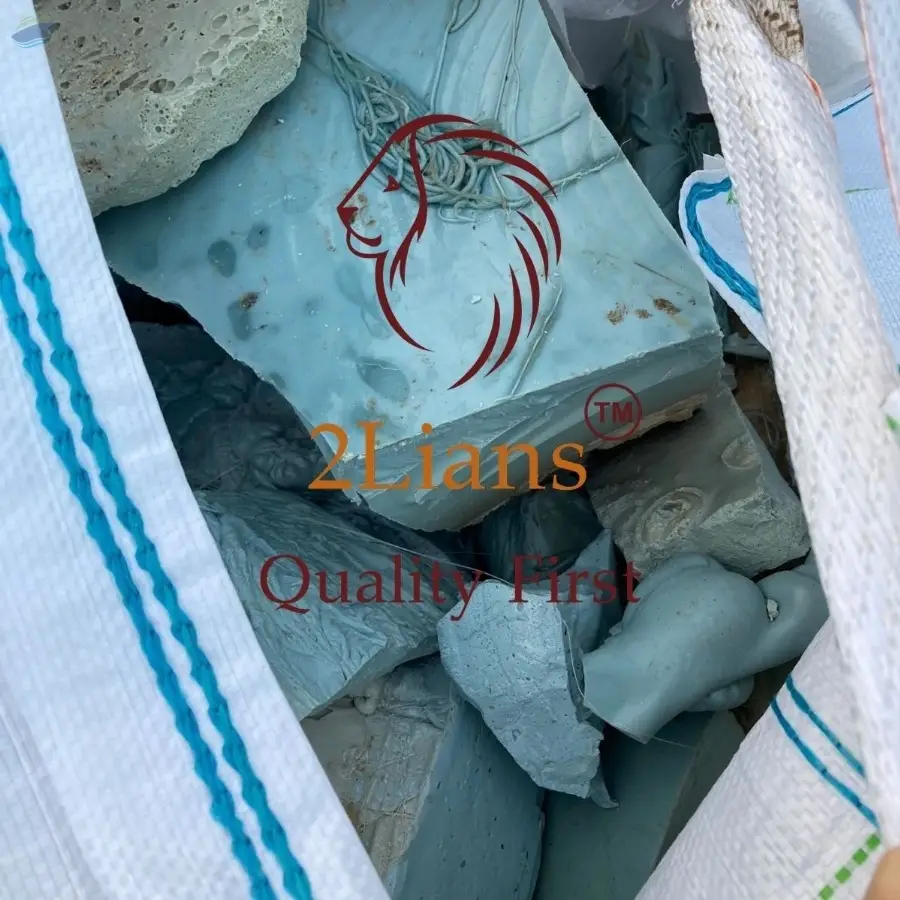
Ivory Lar Recycling LLC lists LDPE film, PET bottle, HDPE bottle and drum, PMMA acrylic sheet off‑cuts, PU foam, OCC/ONP/SOP waste paper, EPS blocks, electric‑motor cores and PVC medical tubing. In the plastics trade, LDPE scrap is typically graded by melt flow index (MFI) ranging from 0.5 to 5 g/10 min and colour clarity, while PET bottle scrap is often sorted by PET‑1 (clear) and PET‑2 (coloured) grades with intrinsic viscosity (IV) 0.70 - 0.85 dL/g. HDPE bottle scrap is commonly classified as HDPE‑1 (high‑density) with MFI 0.2 - 2 g/10 min, and HDPE drum or crate scrap may include colour‑coded bales. PMMA off‑cuts are evaluated by molecular weight distribution and optical clarity, and PU‑foam scrap is checked for density (30 - 60 kg/m³) and open‑cell content. OCC and ONP paper grades are measured by basis weight (40 - 80 g/m²) and ash content, while EPS block scrap is assessed for bulk density (15 - 30 kg/m³). Electric‑motor scrap is usually quantified by net weight and tested for copper recovery rates, and PVC medical‑tube scrap is inspected for plasticiser content and compliance with medical‑grade standards.
Trade and Export Information - Ivory Lar Recycling LLC
Belarus exports a significant share of its plastic and metal scrap to the European Union, Russia, Turkey and China, where recycling capacity and secondary‑material demand are high. HS chapter 39 plastics such as LDPE, PET, HDPE and PVC are subject to EU REACH registration and often require SGS or Bureau Veritas inspection certificates before customs clearance. Paper scrap under HS 4707 is frequently accompanied by a Certificate of Origin and a moisture‑content analysis to satisfy EU waste‑import regulations. Electric‑motor scrap (HS 7404) typically needs a metal‑content assay and may be subject to anti‑dumping duties in certain markets. Common export logistics involve bulk shipments in 20‑ft or 40‑ft containers, bales on pallets, or drums for PU foam, with Incoterms CIF or FOB prevailing in the region. Exporters from Belarus often hold ISO 14001 environmental management certification, though the supplier’s own certifications are not listed in the provided facts.
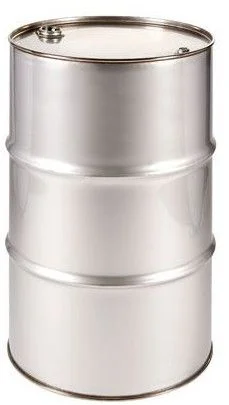
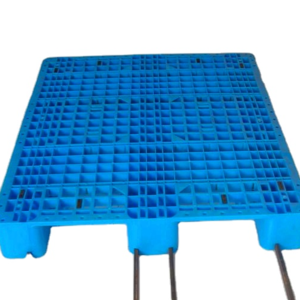
Buyers importing these scrap streams should request a recent SGS or equivalent third‑party inspection report, a material safety data sheet (MSDS) for polymer grades, and, where applicable, a melt flow index test (ASTM D1238) for LDPE and HDPE, intrinsic viscosity (ASTM D4603) for PET, and density measurements for PU foam (ASTM D3574). For paper, a basis‑weight test (ISO 536) and ash analysis are standard. Electric‑motor scrap should be accompanied by a copper‑recovery assay and a declaration of hazardous‑material content. Typical minimum order quantities range from 5 metric tons for polymers to 2 metric tons for paper, with lead times of 4‑6 weeks after order confirmation and sample approval. Packaging is usually in wooden pallets, bulk bales or 200 L drums, and containers are sealed according to ISPM 15 phytosanitary standards when wood is used.
Sourcing from Ivory Lar Recycling LLC - Buyer Guidance
When sourcing from Ivory Lar Recycling LLC, verify that the HS code on the commercial invoice matches the product description (e.g., 3915.10 for LDPE, PET and HDPE scrap). Request a recent laboratory analysis confirming the melt flow index, colour and contamination limits, as buyers often set maximum PVC or foreign‑polymer content at 1 % for polymer re‑grind. For paper scrap, ask for moisture content below 12 % and ash content under 5 % to ensure suitability for pulping. Electric‑motor scrap should be accompanied by a weight‑verified copper‑recovery percentage; buyers commonly require a minimum of 60 % copper recovery. Confirm whether the supplier can provide ISO 14001 or REACH compliance documentation, even though such certifications are not listed in the facts, as they are standard expectations for Belarusian scrap exporters. Finally, clarify packaging details - whether the material will be baled, crated or shipped in drums - and the intended Incoterm (FOB Minsk or CIF Rotterdam) before finalising the purchase order.
Frequently Asked Questions About Ivory Lar Recycling LLC
What HS codes are used for the plastic scrap offered by Ivory Lar Recycling LLC?
The plastic scrap items - LDPE film, PET bottles, HDPE bottles, HDPE drums, EPS blocks and PVC medical tubing - are classified under HS 3915.10 for most plastics, with HS 3915.90 used for PMMA acrylic off‑cuts, PVC medical tubes and EPS blocks.
Which certifications should a buyer request for the polymer scrap?
Buyers typically request an SGS inspection certificate, a material safety data sheet, and a melt flow index test report (ASTM D1238) for LDPE, HDPE and PET, as well as REACH compliance documentation if the destination market requires it.
How is the quality of OCC/ONP/SOP paper scrap verified?
Quality is verified by measuring basis weight (ISO 536), moisture content (usually below 12 %), and ash content (generally under 5 %). Buyers also look for a recent third‑party inspection report.
What testing is standard for PU‑foam scrap?
PU‑foam scrap is commonly tested for density (30‑60 kg/m³) and open‑cell content according to ASTM D3574, with a certification of compliance to any relevant fire‑safety standards.
What are typical minimum order quantities for the listed scrap products?
Typical MOQs are 5 metric tons for polymeric scrap such as LDPE, PET and HDPE, 2 metric tons for paper scrap, and 1 metric ton for EPS or PU‑foam, although exact figures should be confirmed with the supplier.
Which Incoterms are most frequently used for shipments from Belarus?
Buyers and exporters from Belarus commonly use FOB Minsk for direct carrier arrangements or CIF Rotterdam/Duisburg when the seller handles freight and insurance to the destination port.
What packaging formats are used for the electric‑motor scrap?
Electric‑motor scrap is usually packed in wooden crates or bulk steel containers, sealed according to ISPM 15 when wood pallets are used, and labeled with the HS code 7404.00.
How long does it usually take to prepare a shipment after order confirmation?
Lead times are generally 4‑6 weeks for polymer and paper scrap, with longer times of up to 8 weeks for metal‑based motor scrap, depending on sample approval and documentation preparation.




 , Belarus