Icb Associates — Verified Supplier
About Icb Associates - Parboiled Rice Supplier in India
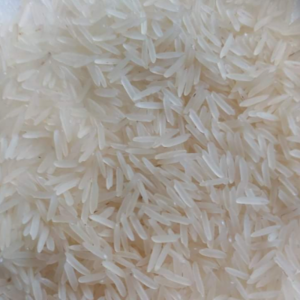
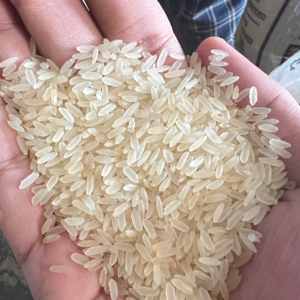
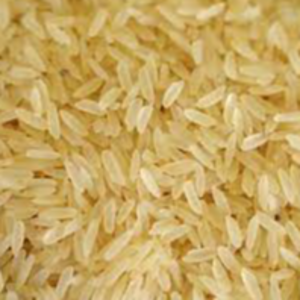
Icb Associates is based in India and currently lists six active products in its catalogue. The company focuses on grain and spice categories, specifically parboiled rice, basmati rice, and black pepper. Its rice portfolio includes both parboiled and steam‑processed basmati varieties identified by the IR 36 and IR 64 grading system. The pepper offering is a whole black pepper listed as Grade 550gl, which denotes a typical kernel size of 5‑6 mm. All rice items fall under the HS chapter 10 family, while pepper belongs to HS chapter 09. The supplier’s trust tier is recorded as “harbor” in the platform data.
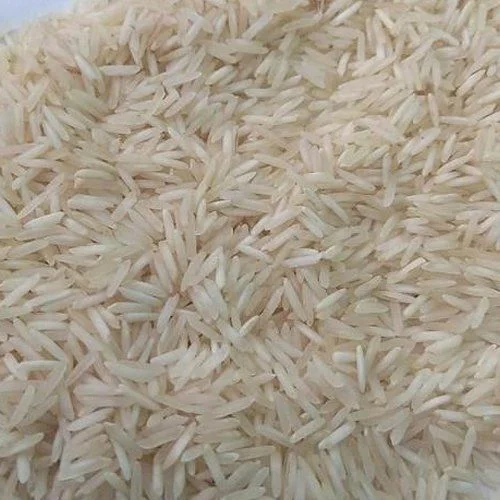
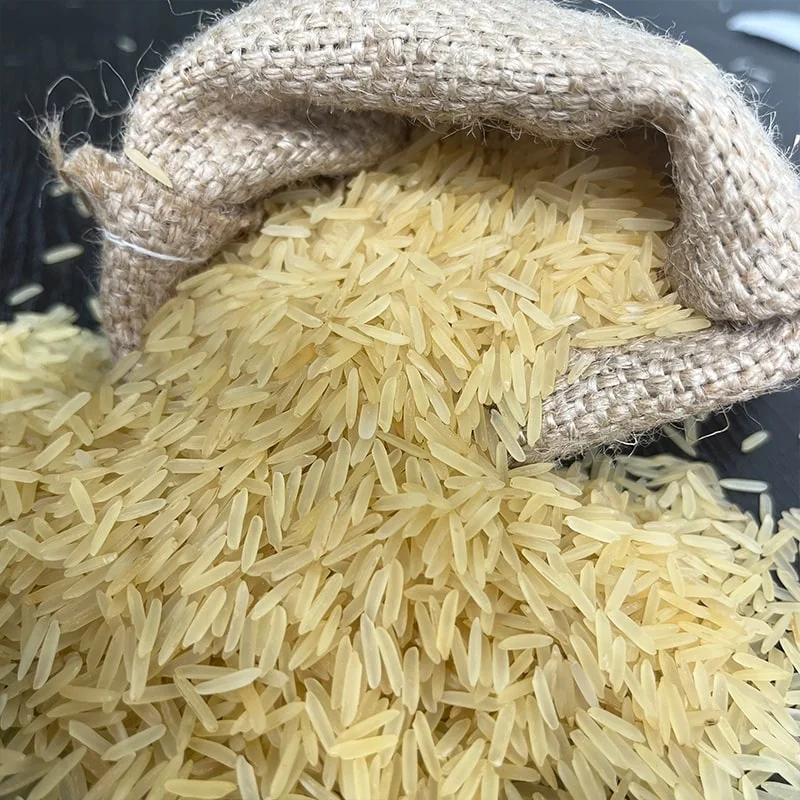
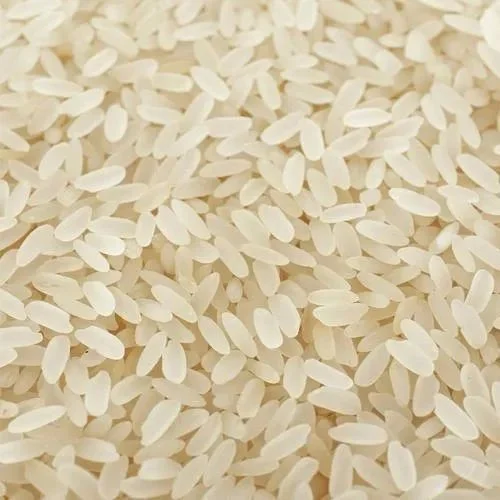
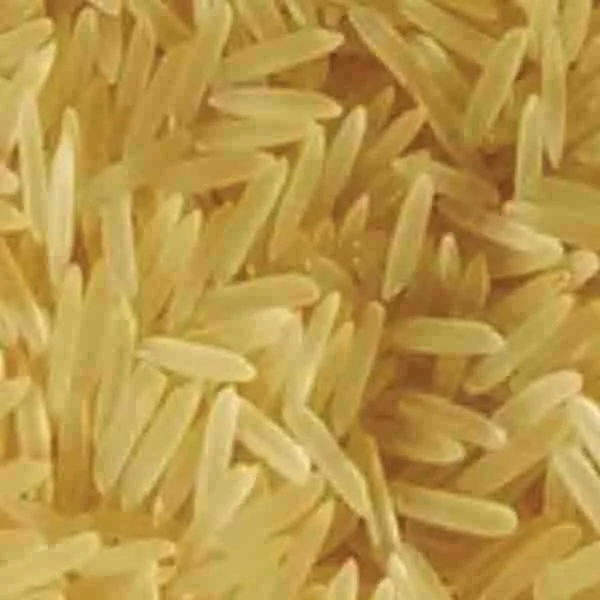
The catalogue details “Parboiled 1121 Basmati Rice White Sella” and three parboiled long‑grain lines (IR 36 and IR 64) with broken grain limits ranging from 1‑5 % to 10‑15 %. The “Steam 1121 Basmati Rice” entry includes an explicit HS code of 1006.30 and is described as long‑grain basmati (Oryza sativa). The black pepper entry specifies machine‑cleaned whole kernels, a common quality metric for spice exports. No additional certifications are listed for the supplier, so buyers typically verify standard food safety and quality documents. The product mix reflects typical export profiles from India, where rice and pepper are among the top agricultural commodities. Buyers can expect these items to be packaged for bulk shipment, commonly in 25 kg jute bags for rice and 1 kg cartons for pepper.
Product Range and Specialties of Icb Associates
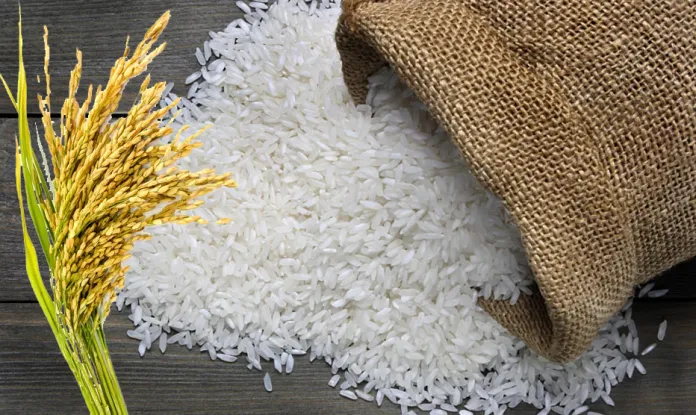
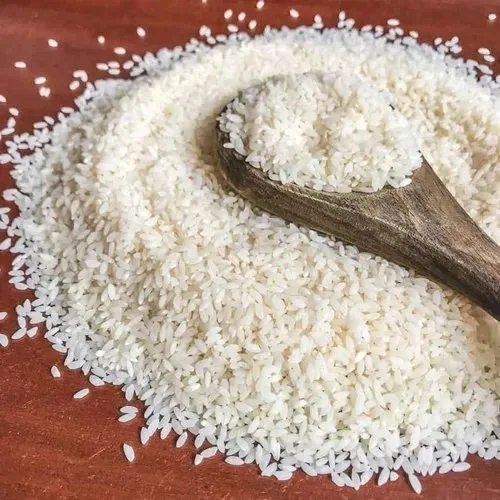
Icb Associates’ catalogue lists six items: three parboiled basmati lines (White Sella, IR 36, IR 64), a steam‑processed basmati, and a whole black pepper grade 550gl. In the Indian market, parboiled basmati is commonly graded by the Indian Rice (IR) system, where IR 36 denotes medium quality and IR 64 denotes quality, with broken grain limits that match the supplier’s 1‑5 % and 10‑15 % specifications. The “White Sella” label indicates a higher degree of polishing, typically resulting in a moisture content of 12‑13 % and a kernel length of 7‑9 mm. Steam‑processed basmati under HS 1006.30 is usually exported with a moisture level below 14 % and a husk‑free head rice recovery of 70‑75 %. Black pepper grade 550gl corresponds to whole kernels that pass through a 5‑6 mm sieve, with moisture generally limited to 10‑12 % and essential oil content around 45‑55 %. These specifications align with common buyer expectations for bulk food commodities.
Trade and Export Information - Icb Associates
India is one of the world’s largest exporters of basmati rice and black pepper, supplying the Middle East, North Africa, Europe, and Southeast Asia. Rice shipments under HS 1006 are typically loaded in 20‑foot or 40‑foot containers, with each container holding up to 25 tonnes of 25 kg jute bags. Pepper under HS 0904 is often packed in multi‑layer cartons or bulk bags, with a typical container capacity of 12‑15 tonnes. Importing countries usually require food safety certifications such as ISO 22000, HACCP, and a national sanitary authority certificate (e.g., FSSAI for India). Phytosanitary certificates, certificates of origin, and laboratory analysis reports for pesticide residues are standard documentation for both rice and pepper. Common Incoterms for Indian exporters include FOB (port of Mumbai or Visakhapatnam) and CIF to regional hubs, with temperature‑controlled containers rarely needed for these dry commodities.
Sourcing from Icb Associates - Buyer Guidance
Prospective buyers should request a product specification sheet that confirms moisture content, broken grain percentage, kernel length for rice, and kernel size, oil content, and moisture for pepper. A recent lab report covering microbiological limits, aflatoxin for rice, and pesticide residue levels for pepper helps verify compliance with EU or GCC standards. Buyers are advised to ask for the supplier’s FSSAI registration, ISO 22000 or HACCP audit reports, and a phytosanitary certificate before finalizing a purchase order. Sample shipments are commonly offered in 5 kg sealed bags for rice and 500 g sealed packets for pepper, allowing buyers to run their own quality tests. Typical lead times for bulk orders from Indian exporters range from 30 to 45 days after receipt of a pro‑forma invoice, depending on container availability and customs clearance. Verifying the HS code on the commercial invoice and ensuring the correct packaging description (e.g., 25 kg jute bag, 1 kg carton) reduces the risk of customs delays.
Frequently Asked Questions About Icb Associates
What are the HS codes for the rice and pepper products listed by Icb Associates?
The steam‑processed basmati rice is recorded under HS 1006.30; most other rice items fall within the broader HS 1006 chapter for milled rice, while black pepper is classified under HS 0904 for whole peppercorns.
What quality grades are used for the parboiled basmati rice in the catalogue?
The supplier lists IR 36 and IR 64 grades, where IR 36 represents medium quality with a broken grain limit of up to 10‑15 % and IR 64 indicates higher quality with similar broken limits; the “White Sella” label denotes a higher polishing level.
What typical packaging is used for the rice products?
Indian rice exporters usually pack milled rice in 25 kg polypropylene‑lined jute bags, which are then loaded into 20‑foot or 40‑foot containers; the total container capacity is roughly 25 tonnes per 40‑foot box.
How is the black pepper grade 550gl defined?
Grade 550gl refers to whole black pepper kernels that pass through a 5‑6 mm sieve, with moisture content generally below 12 % and essential oil content around 45‑55 %.
Which certifications should a buyer request for these commodities?
Buyers typically ask for the supplier’s FSSAI registration, ISO 22000 or HACCP audit reports, a phytosanitary certificate, and recent laboratory analysis for moisture, broken grain, and pesticide residues.
What are the common Incoterms used by Icb Associates for export?
Indian grain and spice exporters frequently operate on FOB terms from ports such as Mumbai or Visakhapatnam, and on CIF terms to major regional hubs; the choice depends on the buyer’s logistics preferences.
What is the usual lead time and minimum order quantity for bulk rice shipments?
Lead times generally range from 30 to 45 days after order confirmation, and bulk rice is commonly ordered in full container loads of approximately 20 tonnes (about 800 bags of 25 kg each); smaller orders may be accommodated but are subject to container consolidation.




 , India