Agriculture›
 Apparel and fashion accessories›
 Construction & real estate›💡Electronic & Electrical›🍎Food & Beverages›🛋️Home furnishing & supplies›⚗️Industrial goods & chemical›🪨Minerals & metals›📦Miscellaneous›Agriculture›Apparel and fashion accessories›Construction & real estate›💡Electronic & Electrical›🍎Food & Beverages›🛋️Home furnishing & supplies›⚗️Industrial goods & chemical›🪨Minerals & metals›📦Miscellaneous›
Hori Metal Leaf & Powder Product Catalog
About Hori Metal Leaf & Powder - Metal Powder Supplier in Japan
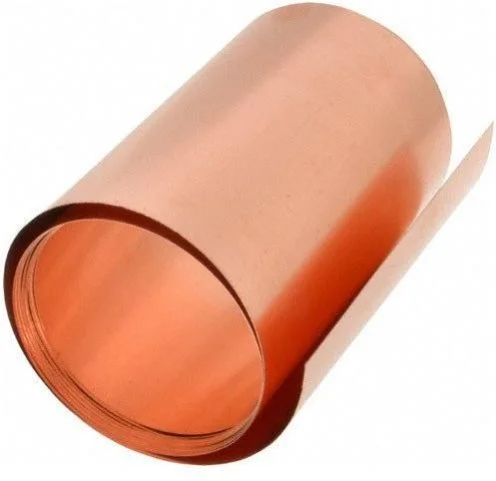
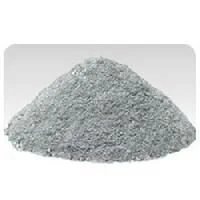
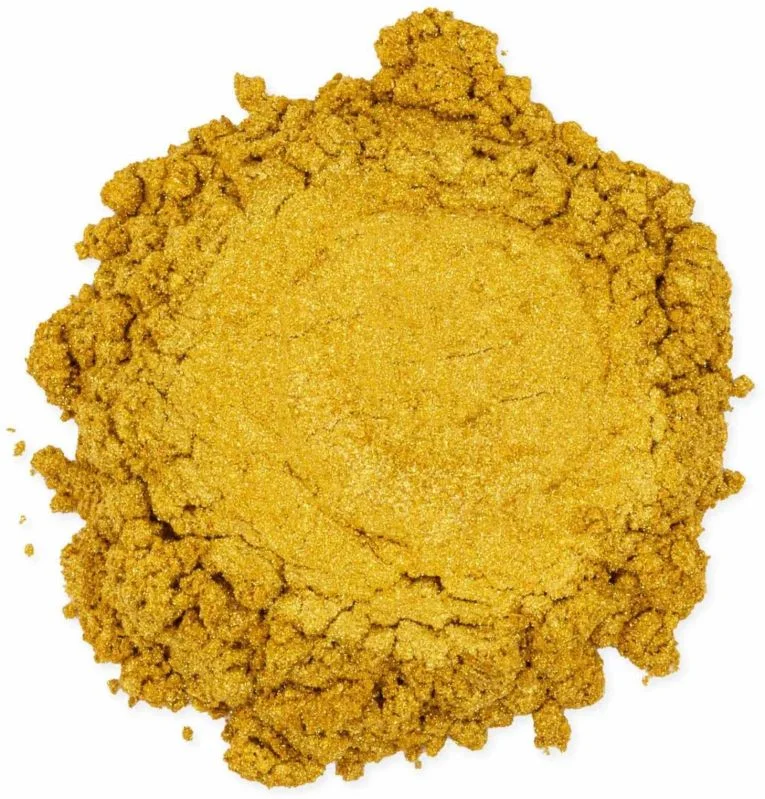
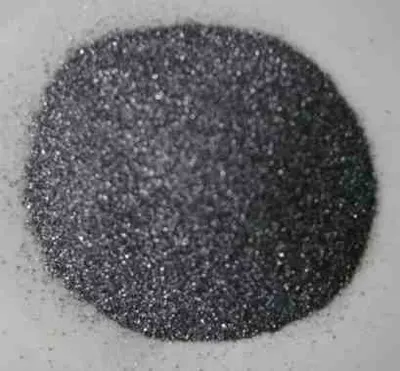
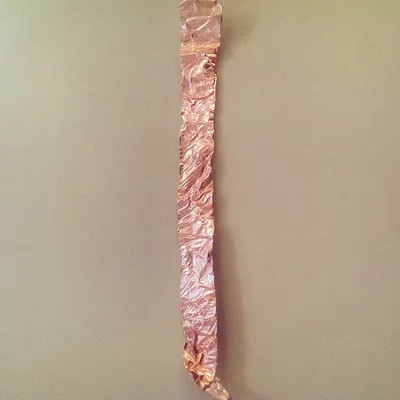
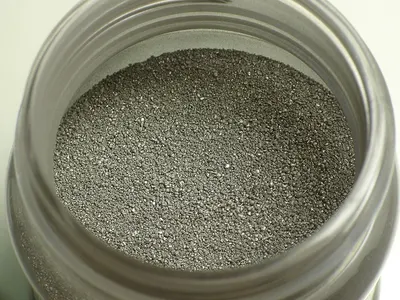
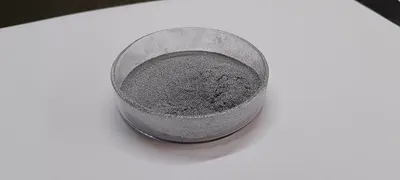
Japan hosts six active listings from Hori Metal Leaf & Powder, covering metal powders, alloy powders and copper foils. The catalogue includes Aluminum Powder (HS 7603.10) described as pure aluminum powder 99%+, Rolled Copper Foil (HS 7409.11) with electrolytic copper purity of 99.9‑99.99%, Bronze Powder (HS 7403.21) based on a copper‑zinc alloy, and a heat‑ and corrosion‑resistant Bronze Powder (HS 7403.29) made from a copper‑tin alloy. Two additional items are listed as Glass‑based Effect Pigment (Metashine) and a generic Pigment, both without HS codes. The product set spans three top categories - Metal Powder, Aluminium Powder and Copper Foils - and reflects a focus on high‑purity metallic materials and specialty pigments. Each entry is tied to a specific HS chapter, indicating the supplier’s alignment with standard customs classifications.
Product Range and Specialties of Hori Metal Leaf & Powder
The aluminium powder is offered at a purity level of 99%+ and is commonly supplied in fine granules or micron‑sized particles for additive manufacturing, powder coating and aerospace alloys. Industry standards for aluminium powder often reference particle size ranges of 10‑100 µm and bulk densities around 0.6‑0.8 g/cm³. The rolled copper foil is electrolytic, typically supplied in rolls with thicknesses from 5 µm to 25 µm, widths up to 500 mm and conductivity values above 58 MS/m (International Annealed Copper Standard). Bronze powders are presented in two alloy families: CuZn (standard bronze) and CuSn (tin bronze) that are used for sintering, brazing and decorative applications; typical grade specifications include alloy percentages (e.g., 88 % Cu‑12 % Zn) and particle sizes below 150 µm. Pigments such as the glass‑based Metashine effect product are usually classified by colour index, light‑fastness rating (e.g., ASTM D4303) and particle size distribution for coating formulations.
Frequently Asked Questions About Hori Metal Leaf & Powder
What purity level is guaranteed for the aluminium powder?
The listing states pure aluminium powder of 99%+ purity. Buyers should ask for a Certificate of Analysis that specifies the exact purity percentage and any allowable impurity limits.
Which alloy composition is used for the standard bronze powder?
The catalogue identifies the material as a copper‑zinc alloy (CuZn). Request the alloy ratio (e.g., 88 % Cu‑12 % Zn) and particle‑size data to confirm suitability for your process.
What are the typical thickness and conductivity specifications for the rolled copper foil?
Rolled copper foil is electrolytic copper with 99.9‑99.99 % purity. Standard specifications include thicknesses between 5 µm and 25 µm, width up to 500 mm and conductivity equal to or exceeding 58 MS/m.
Are there any standard certifications required for importing these metal products from Japan?
Importers commonly require ISO 9001 quality‑management certification, ISO 14001 environmental compliance, and REACH or RoHS compliance certificates for metallic powders and foils.
What packaging formats are used for the metal powders?
Metal powders are typically packed in sealed metal‑lined drums of 25 kg or high‑density polyethylene bulk bags, both designed to prevent moisture ingress and contamination during transit.
 Japan
Related Suppliers & Products
Explore similar suppliers, related products and trending categories