Homemade Indonesia — Verified Supplier
About Homemade Indonesia - Coffee Beans Supplier in Indonesia
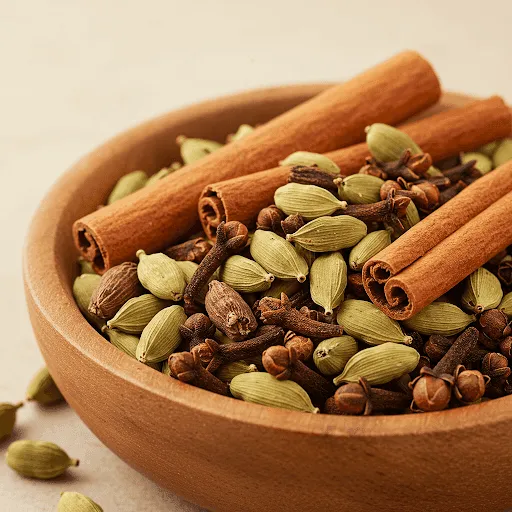
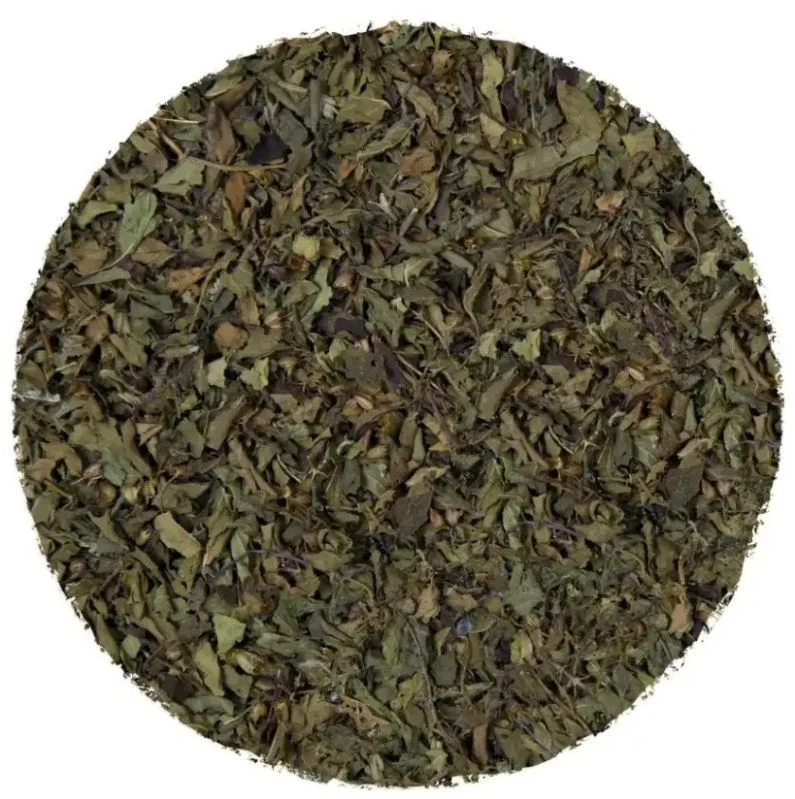
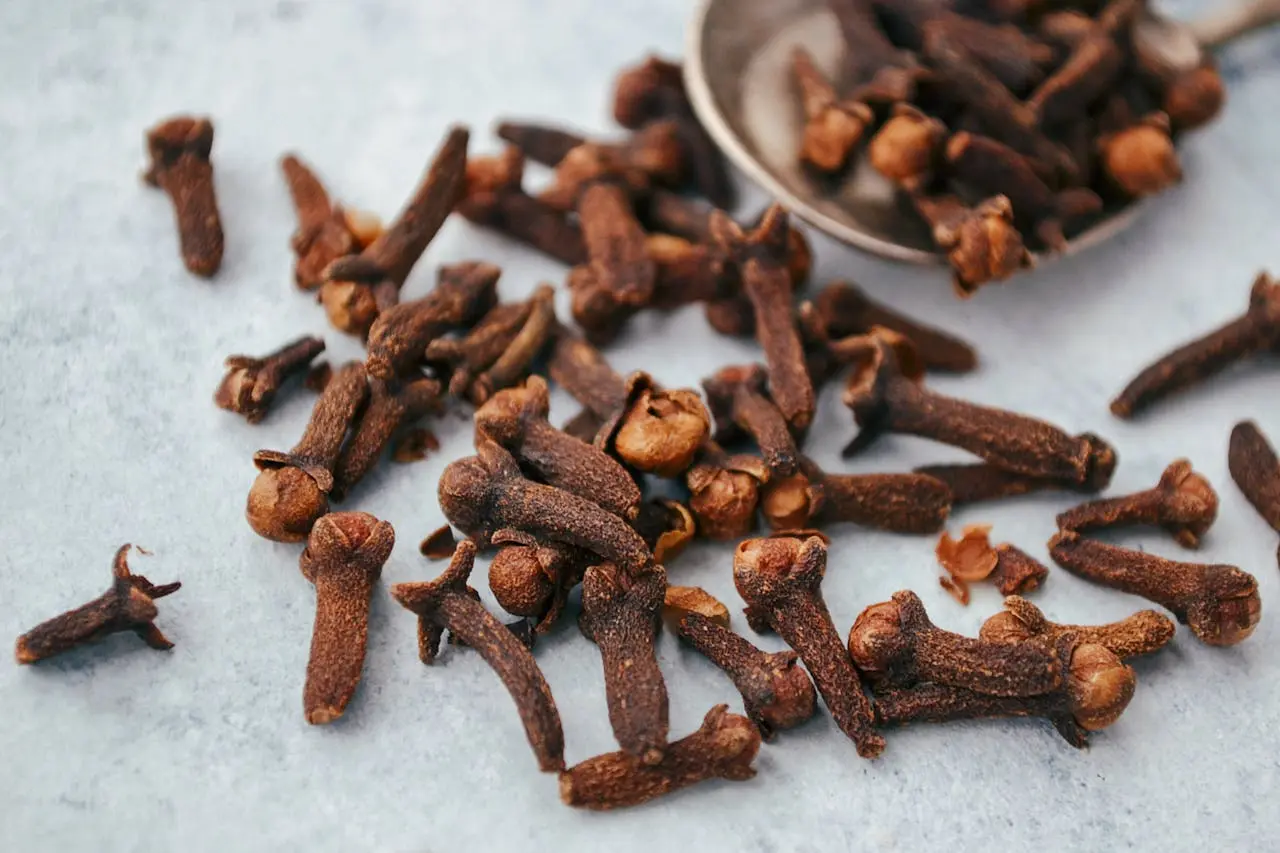
Homemade Indonesia operates out of Indonesia and lists 47 distinct agricultural products. The catalogue spans coffee beans, fresh vegetables, fresh potatoes, plant extracts, and a range of spices such as pepper, black cardamom, cinnamon, and nutmeg. Specific items with HS codes include Dried Bay Leaf (HS 0910.99), Cinnamon/Cassia (HS 0906.11) and Dried Black Cardamom Pods (HS 0908.30). The remaining 44 items are listed without HS codes in the supplied data.
Product Range and Specialties of Homemade Indonesia
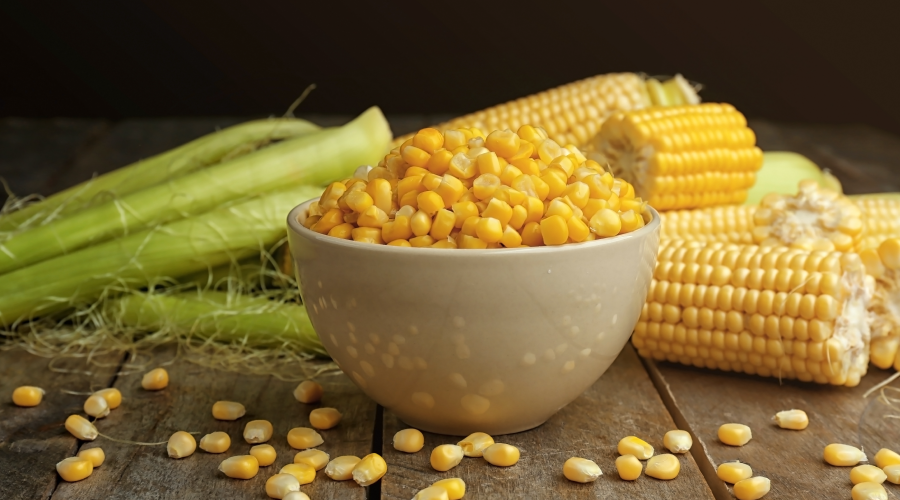
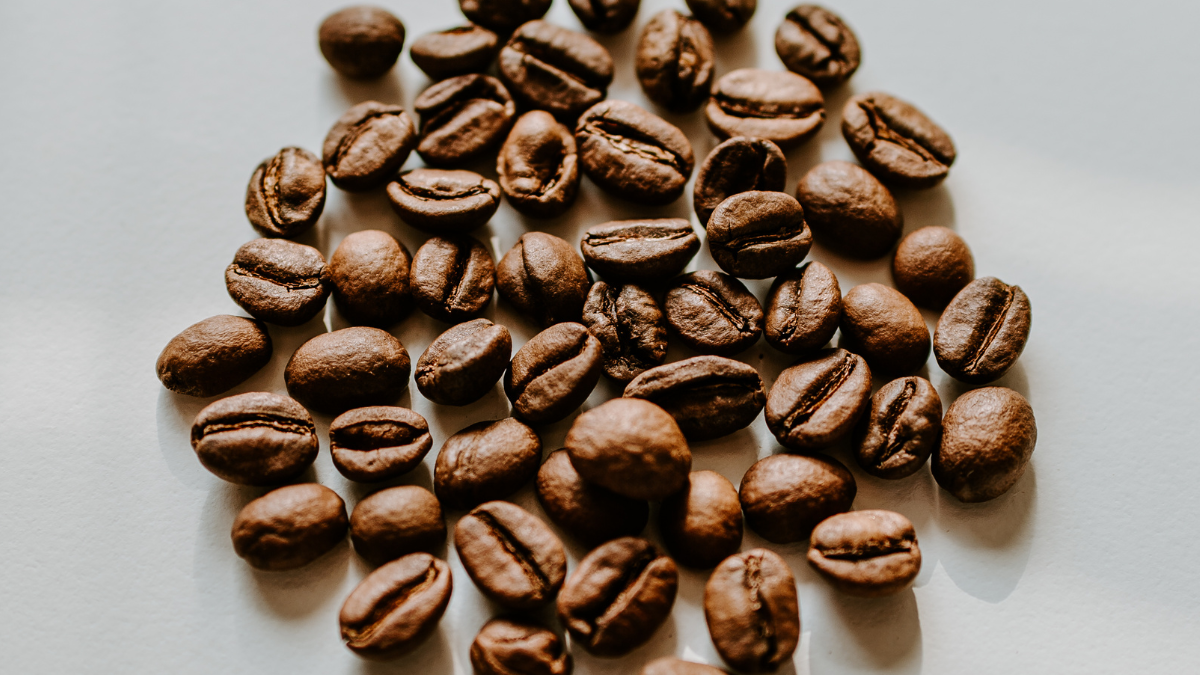
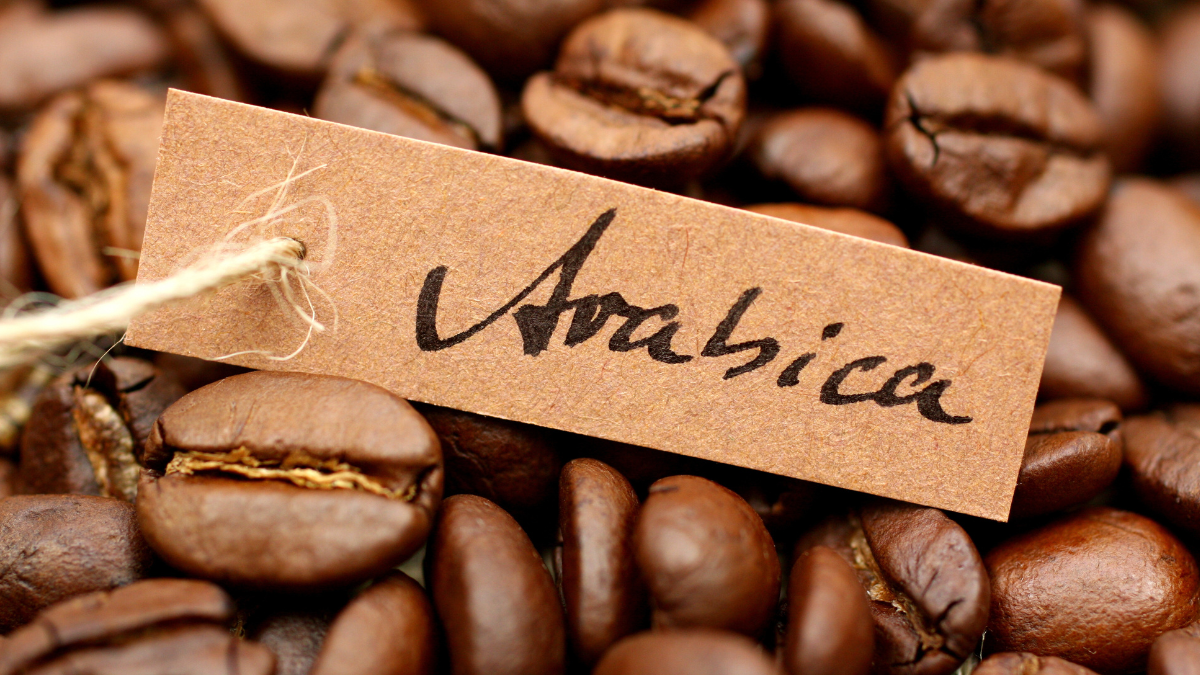
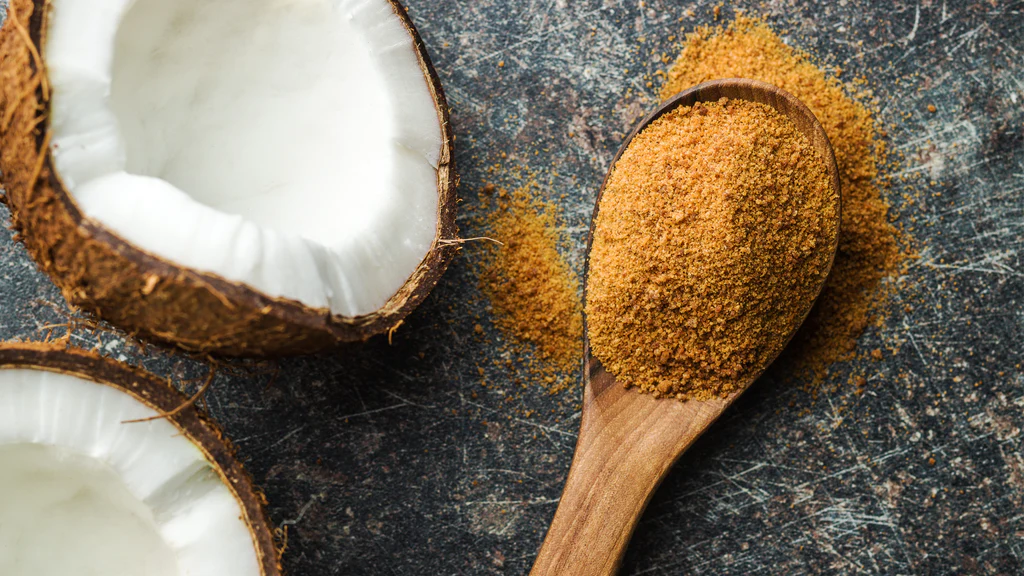
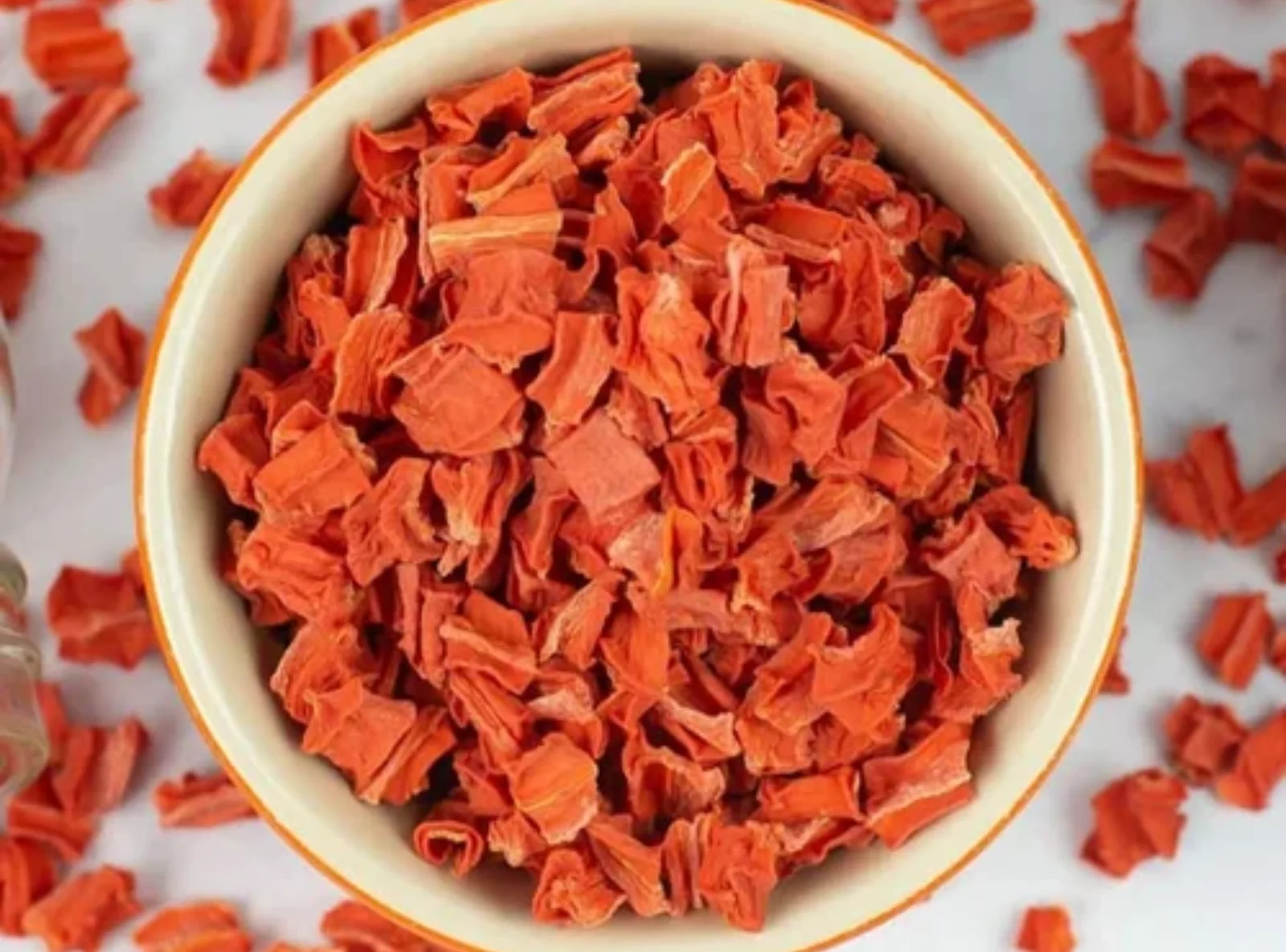
The company's top categories are Coffee Beans, Fresh Vegetables, Fresh Potato, Plants & Plant Extracts, Pepper, Black Cardamom, Sugar and Turmeric. Product list includes both raw commodities such as Robusta and Arabica coffee beans, Black and White Pepper, and processed goods like Palm Sugar, as well as fresh produce including Lettuce, Spinach, Carrot, and Broccoli. In the spice segment, typical export grades are ICUMSA 45 for white pepper, moisture ≤ 12 % for black pepper, and size ≥ 10 mm for cardamom pods. Coffee beans are commonly graded by cup score, moisture ≤ 12.5 % and defect count ≤ 5 % per 300 g sample, and are packed in 60 kg jute or polypropylene bags for bulk shipments.
Trade and Export Information - Homemade Indonesia
Indonesia is a major global source of coffee, spices and tropical vegetables, with the EU, United States and Middle‑East regions accounting for the largest shares of imports. HS chapter 09 (coffee, spices, nuts) and chapter 07 (vegetables) govern most of Homemade Indonesia’s product lines; standard HS codes include 0901 for coffee beans, 0909 for pepper, and 0709 for fresh vegetables. Buyers typically require certifications such as ISO 22000, HACCP, and where applicable organic or fair‑trade documentation, together with a phytosanitary certificate and Certificate of Origin. Shipping is usually arranged on 20‑ft or 40‑ft containers, with spices loaded in 25 kg food‑grade bags and fresh produce palletized in ventilated cartons to meet cold‑chain requirements where needed.
Sourcing from Homemade Indonesia - Buyer Guidance
When sourcing coffee beans from Homemade Indonesia, request a recent cupping report, moisture analysis and any available quality certifications (ISO 22000 or HACCP). For spices, ask for a laboratory analysis confirming grade, moisture content and microbial limits, as well as a phytosanitary certificate and Certificate of Origin. Fresh vegetables should be inspected for pesticide residue limits, packed in breathable cartons, and accompanied by a phytosanitary certificate; verify that the supplier can meet your required container load plan before confirming the order.
Frequently Asked Questions About Homemade Indonesia
What HS codes apply to Homemade Indonesia's spice products?
The catalogue specifies HS 0910.99 for Dried Bay Leaf, HS 0906.11 for Cinnamon/Cassia, and HS 0908.30 for Dried Black Cardamom Pods; other spices such as Black Pepper and White Pepper fall under the standard HS 0909 series for pepper and related spices.
Which certifications should a buyer request for the coffee beans?
Buyers typically request a Certificate of Origin, a phytosanitary certificate, and quality certifications such as ISO 22000 or HACCP compliance. In addition, a recent cupping score and moisture analysis (≤12.5 %) are standard for verifying coffee quality.
What are the common packaging formats for the listed vegetables?
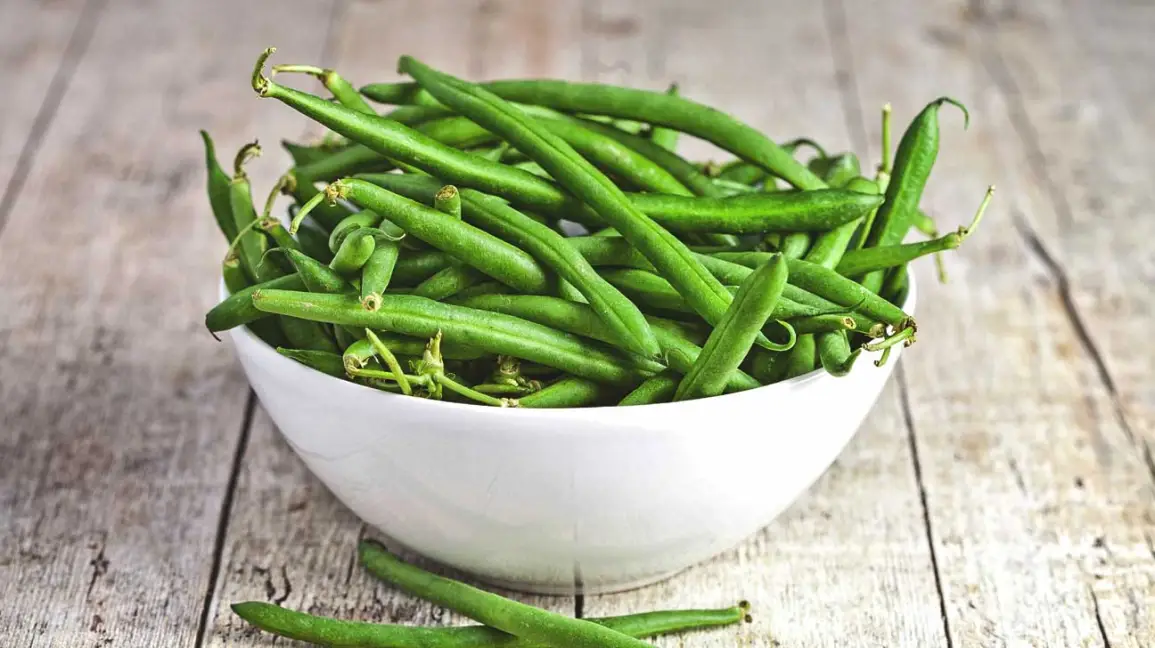
Fresh vegetables are usually packed in ventilated cartons of 10‑20 kg, palletized for 20‑ft container loads. Root vegetables and bulk items may be packed in 25 kg polypropylene bags, while leafy greens often use moisture‑controlled packaging to preserve freshness.
What documentation is required for exporting palm sugar from Indonesia?
Exporters normally provide a Certificate of Origin, a phytosanitary certificate, and a laboratory analysis confirming sugar content and moisture level. An ISO 22000 statement is also commonly requested when buyers need food‑safety assurance.
What are typical lead times for orders of bulk spices such as black pepper?
Lead times for bulk spices generally range from 30 to 45 days after order confirmation, depending on the harvest season and required quality testing. Seasonal variations can extend the timeframe during peak harvest periods.
Are there minimum order quantities for fresh produce?
Minimum order quantities are commonly set per product type; for leafy greens like lettuce and spinach, orders often start at one pallet (≈200 kg), while root vegetables such as carrots may start at 500 kg. Buyers should confirm pallet dimensions and container loading plans with the supplier.
How are the coffee beans shipped?
Coffee beans are usually packed in food‑grade polypropylene or jute bags of 60 kg, stacked in 20‑ft or 40‑ft containers. For specialty grades, hermetically sealed vacuum bags are employed to preserve aroma and moisture control during transit.




 , Indonesia