Herbs N Spices International — Verified Supplier
About Herbs N Spices International - Spices Supplier in
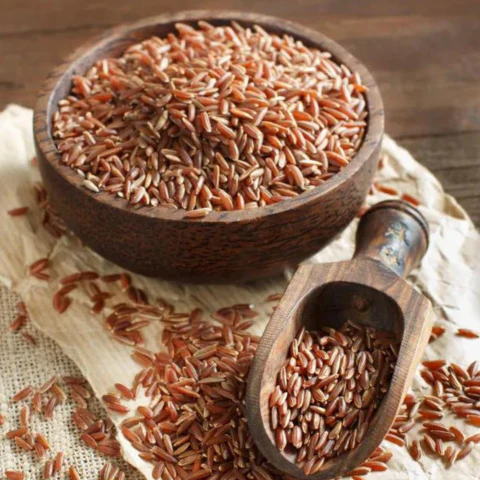
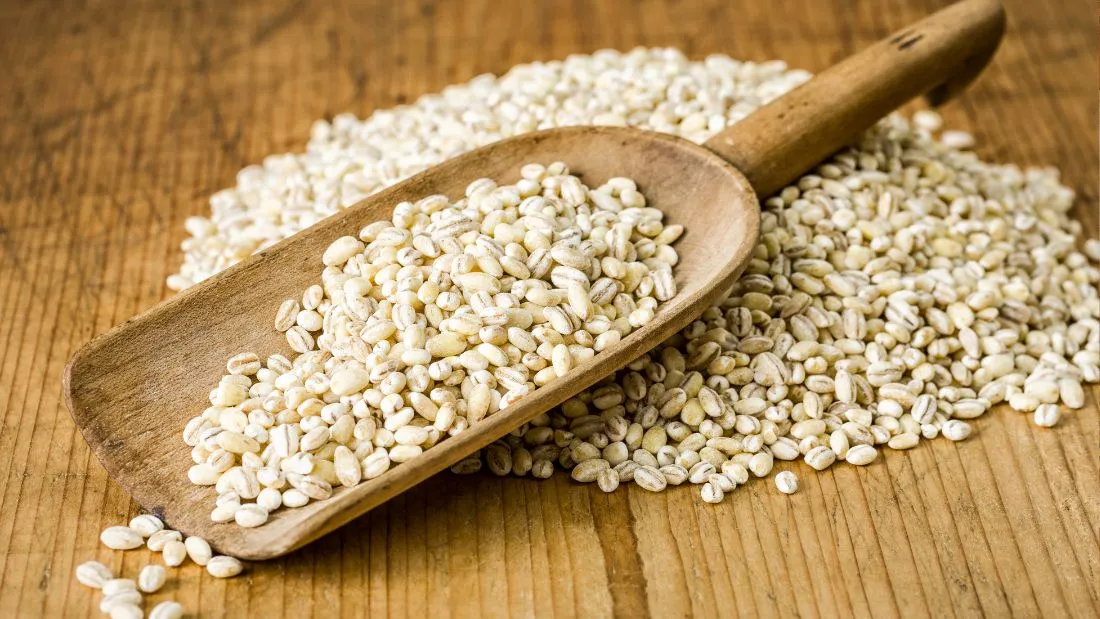
Herbs N Spices International lists 34 active products across several food‑ingredient categories. The catalogue includes a mix of spices such as Turmeric, Cumin Seeds, Cardamom and Mustard Seeds; herbs like Henna Leaves and Basil Seeds; oil‑seed products including Safflower Seeds and Rapeseed Meal; a range of dried fruits such as Golden, Brown, Green and Black Raisins; legumes and pulses such as Chickpeas; and cereal grain items like Barley Grain. Each entry follows the product naming used in the supplier’s own system and, where available, is linked to an HS‑code family, for example Barley Grain is classified under HS 1003.90. The list reflects the supplier’s current active inventory without reference to any additional product lines or services.
The catalogue groups items into recognizable commodity families that are commonly traded internationally. For instance, the spice entries fall under HS chapters 0904‑0905, the herb and seed items under HS 0909‑0910, the oil‑seed and meal products under HS 1207‑1209, and the raisin varieties under HS 0806. Barley Grain, the only product with an explicit HS code, is recorded as Whole Barley Grain (Hordeum vulgare) under HS 1003.90. No other HS codes are supplied in the source data.
Product Range and Specialties of Herbs N Spices International
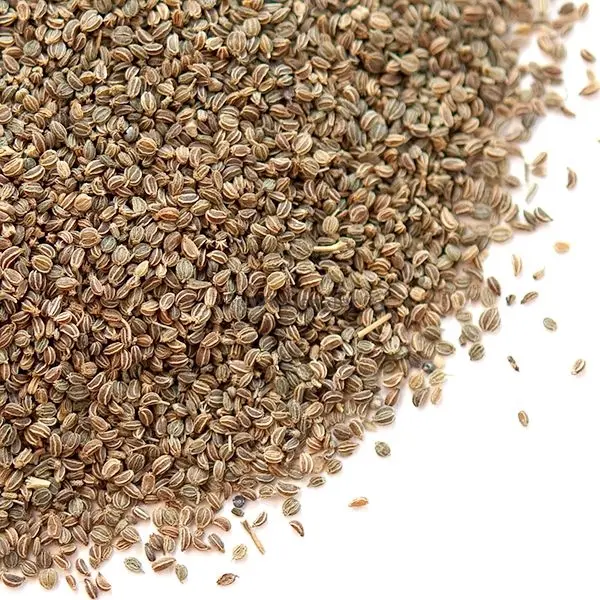
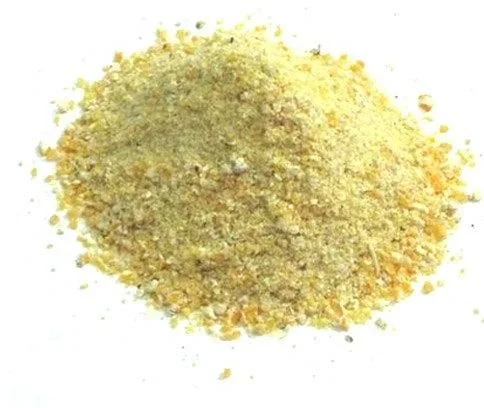
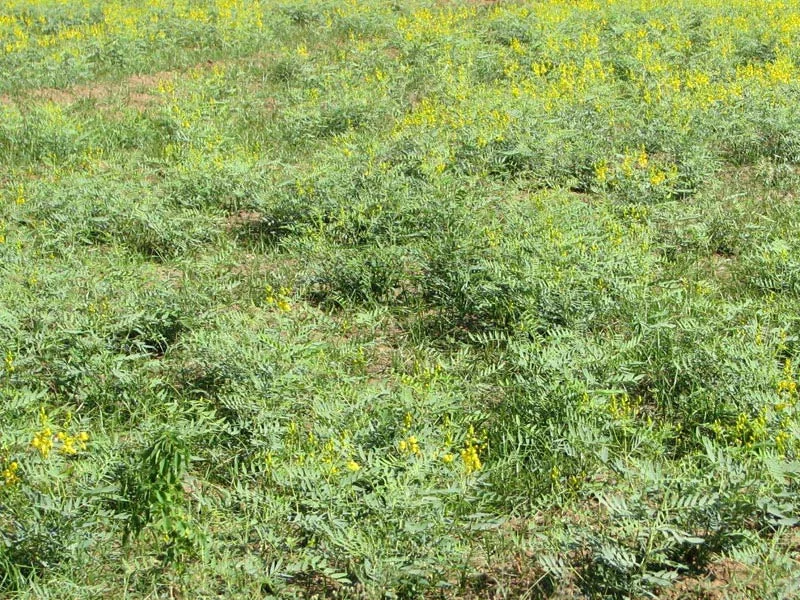
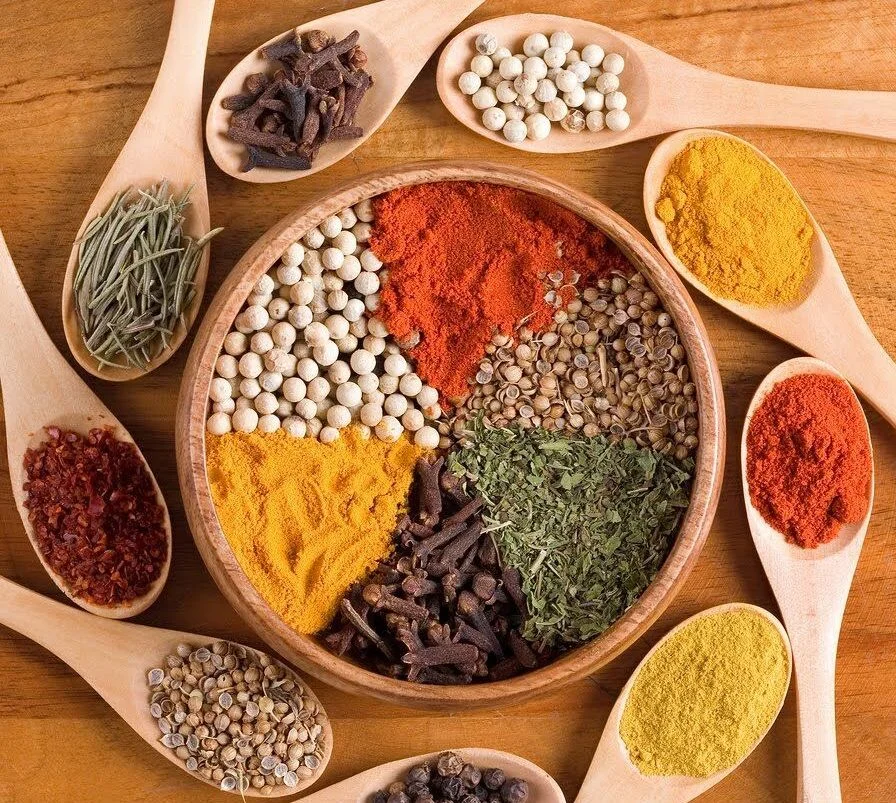
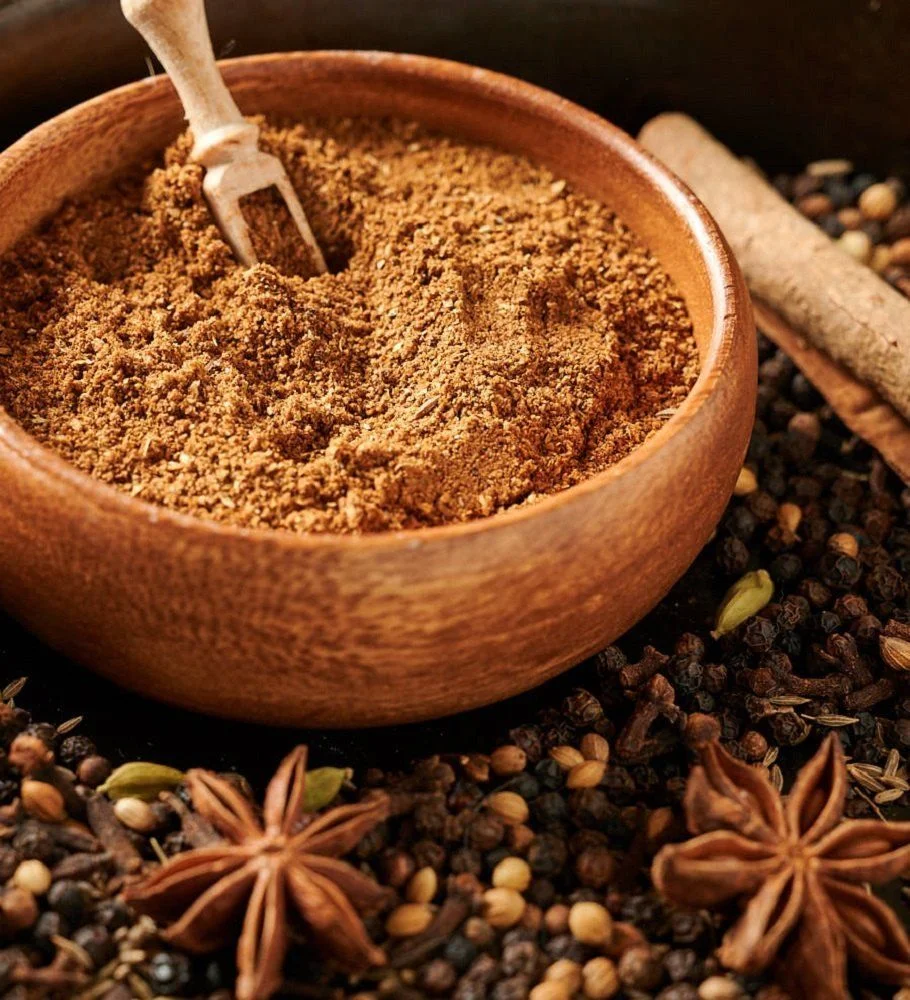
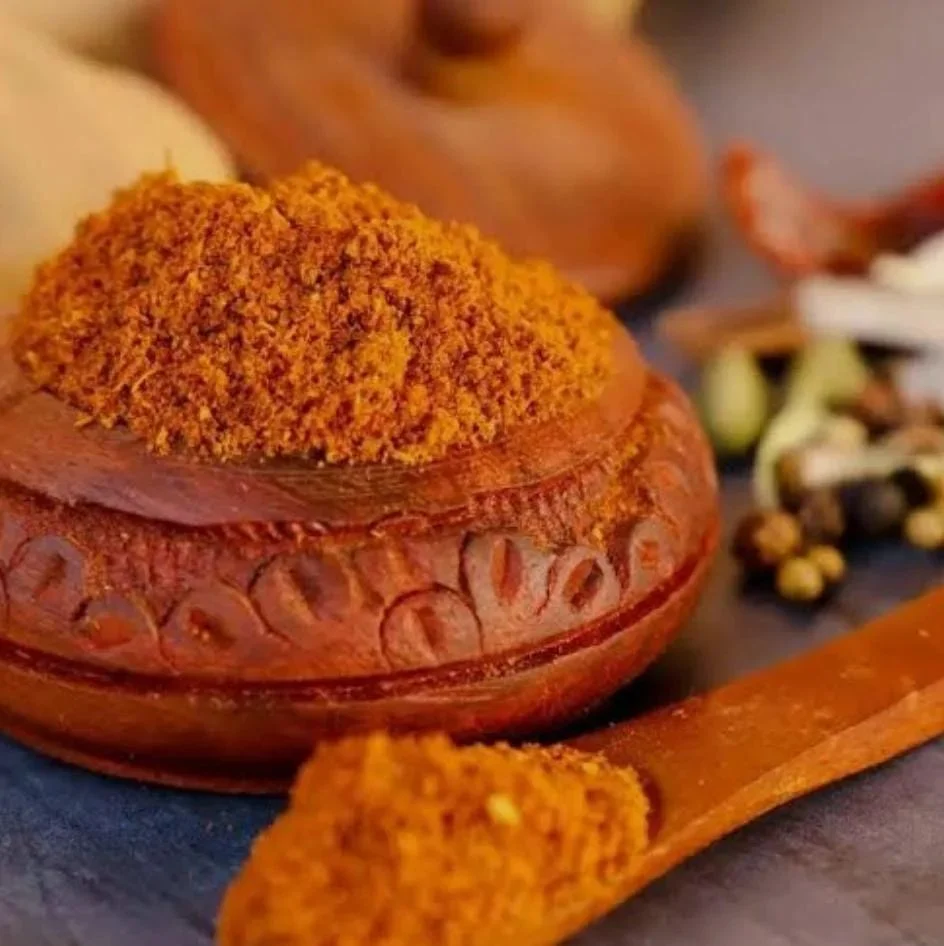
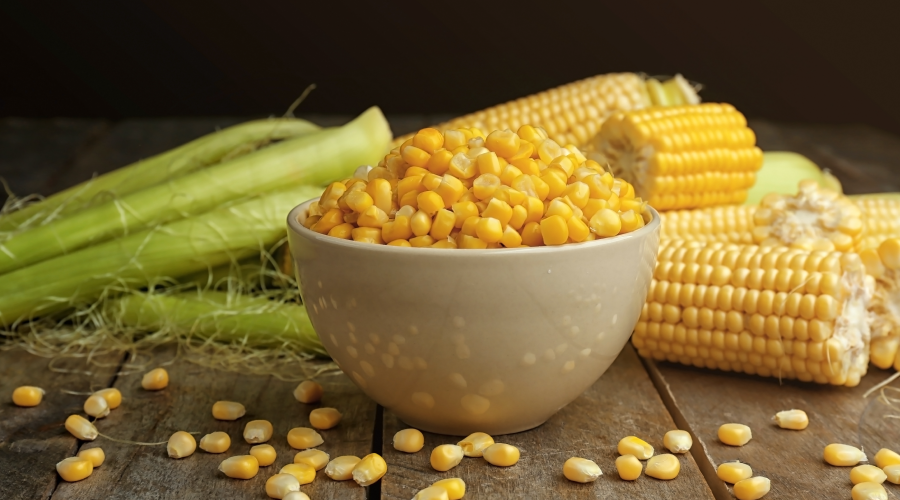
The product range covers primary spice seeds (Cumin, Coriander, Fennel, Dill, Celery, Ajwain), whole and ground spice commodities (Turmeric, Cardamom, Nutmeg, Mustard Seeds), herbaceous leaves (Henna, Senna Leaves, Senna Pods), oil‑seed varieties (Safflower, Niger, White and Yellow Maize, Soybean Meal), and dried fruit categories (Golden, Brown, Green, Black Raisins). In the broader market, these categories are typically graded by visual purity, moisture content and particle size. For example, turmeric is often sold as ISO 3632 grade 1 (high curcumin content), cumin seeds are classified by length (e.g., 5‑7 mm) and oil content, and raisins are evaluated on moisture (<15 %), sugar % and absence of mold. Barley Grain is commonly supplied in 20 kg or 25 kg sacks, meeting the specifications of the HS 1003.90 family for whole grain cereals.
Trade and Export Information - Herbs N Spices International
Spice and herb exporters from South‑Asian and Mediterranean regions regularly ship to food‑manufacturing hubs in the EU, the United States and the Middle East. The HS‑code families represented in this catalogue - 0904‑0905 for spices, 0909‑0910 for herbs and seeds, 1207‑1209 for oil‑seed meals, 0806 for dried fruits and 1003.90 for barley - are subject to standard customs documentation, phytosanitary certificates and, where required, certificates of analysis for pesticide residues. Typical buyer requirements include compliance with EU Regulation EU 2018/848 for organic status, ISO 9001 quality management, and HACCP food‑safety plans. Logistics for these bulk commodities often use 20‑ft or 40‑ft containers, with moisture‑controlled packaging for raisins and sealed bags for seeds to prevent contamination.
Sourcing from Herbs N Spices International - Buyer Guidance
When sourcing from Herbs N Spices International, buyers should request a Certificate of Analysis that details moisture, ash, volatile oil content for spices, and aflatoxin or pesticide residue levels for raisins. Samples should be taken in the same packaging size intended for shipment (e.g., 5 kg bag for spices, 20 kg sack for barley) to verify bulk consistency. Verify that the supplier can provide the standard phytosanitary certificate and, if required by the destination market, an organic or non‑GMO declaration before finalizing the order.
Frequently Asked Questions About Herbs N Spices International
What product categories does Herbs N Spices International list?
The catalogue includes spices (e.g., Turmeric, Cumin Seeds, Cardamom), herbs and seed powders (Henna Leaves, Basil Seeds), oil‑seed meals (Soybean Meal, Rapeseed Meal), dried fruits (Golden, Brown, Green, Black Raisins) and cereal grains such as Barley Grain.
Which HS codes are associated with the listed products?
Only Barley Grain is supplied with an HS code (1003.90). Other items fall under standard HS families: spices under 0904‑0905, herbs and seeds under 0909‑0910, oil‑seed meals under 1207‑1209, and raisins under 0806.
What typical quality specifications should I check for turmeric?
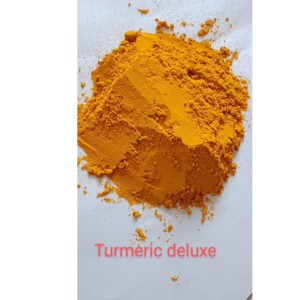
Turmeric is usually evaluated by ISO 3632 grade (color % and curcumin content), moisture < 12 %, and absence of foreign matter. Buyers often request a Certificate of Analysis confirming these parameters.
How are raisins usually packaged for export?
Export‑grade raisins are commonly packed in multi‑layer polyethylene bags of 10 kg or 20 kg, with moisture limited to 15 % and a documented absence of mold or aflatoxin.
What documents are commonly required for spice shipments?
Standard documents include a commercial invoice, packing list, phytosanitary certificate, and a Certificate of Analysis showing pesticide residue levels, moisture and volatile oil content. Some importers also ask for a HACCP or ISO 9001 compliance statement.
What are typical minimum order quantities (MOQ) for seeds such as Cumin or Mustard?
Seed commodities are often sold in increments of 500 kg to 1 ton, depending on the supplier’s bulk handling capability. Smaller trial orders of 25 kg or 50 kg are sometimes available for sample testing.
What lead times are typical for bulk shipments of barley grain?
Lead times for whole barley grain usually range from 2 to 4 weeks after order confirmation, allowing time for quality inspection, packaging in 20 kg sacks and container loading.
Which certifications should I request before purchasing oil‑seed meals?
Buyers typically ask for a Certificate of Analysis, a phytosanitary certificate, and evidence of compliance with ISO 9001 or HACCP. If the market requires, an organic or non‑GMO certification may also be requested.