Hebei Saiheng Food Processing Equipment Company — Verified Supplier

About Hebei Saiheng Food Processing Equipment Company - Food Processing Machinery Supplier in China

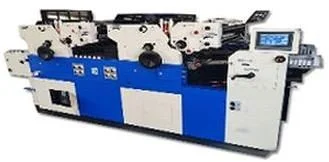
China, with an active catalogue of 11 biscuit‑machine products, lists a series of dedicated biscuit production equipment. The catalogue includes models labelled 002 through 010, a generic “Biscuit Machine”, a “High Biscuit Machine”, and a “005 Biscuit Making Machine”. All items fall under the Food Processing Machinery category, specifically designed for shaping, baking and handling biscuit dough. These machines are typically classified under HS Chapter 84, which covers industrial machinery and equipment.

The product titles indicate a focus on automated biscuit line equipment rather than ancillary accessories. No additional product families or machinery types are listed, and the supplier does not provide separate model specifications in the supplied data. The catalogue therefore centres exclusively on biscuit‑making machines intended for medium‑scale bakeries and contract manufacturers. The naming convention suggests incremental capacity or feature upgrades across the numbered series.

Product Range and Specialties of Hebei Saiheng Food Processing Equipment Company

The listed biscuit machines span a numeric series (002‑010) plus generic and high‑capacity variants. In the biscuit‑making sector, machines are usually built from food‑grade stainless steel (often 304 or 316), feature dough sheeting rollers, rotary moulders, and controlled ovens with temperature ranges of 150 - 250 °C. Typical production capacities range from 5 kg to 30 kg of finished biscuits per hour, with power ratings between 3 kW and 12 kW depending on size. Buyers often look for specifications such as dough throughput, oven length, adjustable mould patterns, and integrated cooling conveyors. Standard industry grades for biscuit equipment include compliance with ISO 9001 quality‑management and HACCP sanitation standards, while CE marking is required for European markets. Optional features commonly offered are PLC control panels, quick‑change mould plates, and dust‑extraction systems to meet workplace safety regulations. Packaging of the machines for export is usually in steel‑framed wooden crates or ISO containers with protective padding.

Trade and Export Information - Hebei Saiheng Food Processing Equipment Company

China is a major exporter of food processing machinery, and biscuit‑making equipment is routinely shipped under HS Chapter 84, especially heading 8422 (machinery for food processing) and 8423 (machinery for bakery products). Export shipments are commonly packed in 20‑ft or 40‑ft containers, with FOB or CIF terms to ports in Southeast Asia, the Middle East, Africa and Europe. Importers in regions such as the GCC, East Africa, and Central Europe often require CE certification, ISO 9001, and HACCP compliance to satisfy local food‑safety regulations. Chinese manufacturers typically provide factory test reports, material safety data sheets (MSDS) for stainless‑steel components, and installation manuals in English. Freight costs are influenced by container weight (approximately 1.5‑2 tonne per machine) and the need for on‑site assembly support.

Sourcing from Hebei Saiheng Food Processing Equipment Company - Buyer Guidance

When sourcing biscuit machines from Hebei Saiheng, buyers should request detailed technical sheets that list material grade, power consumption, production capacity, and dimensional drawings. Verification of ISO 9001 or HACCP certificates, as well as a CE declaration of conformity, helps confirm compliance with international safety and hygiene standards. It is advisable to obtain a factory‑tested performance report and, if possible, a short video of the machine in operation before finalizing the order.

Potential buyers should also clarify the minimum order quantity, typical lead time (often 30‑60 days after receipt of a pro‑forma invoice), and the scope of after‑sales support such as installation, training and warranty terms. Packaging specifications - usually wooden crates with internal bracing - and the preferred Incoterm (FOB Tianjin or CIF destination port) should be agreed in advance to avoid customs delays.

Frequently Asked Questions About Hebei Saiheng Food Processing Equipment Company

What biscuit‑machine models are listed by Hebei Saiheng?

The catalogue includes models 002, 003, 004, 005, 006, 007, 008, 009, 010, a generic “Biscuit Machine”, and a “High Biscuit Machine”. Each model is positioned within the Food Processing Machinery category.

Which HS codes are normally used for biscuit‑making equipment from China?

Exporters of biscuit‑making machinery typically classify the goods under HS heading 8422 (machinery for food processing) or 8423 (machinery for bakery products) in Chapter 84. The exact code depends on the machine’s primary function and accessories.

What certifications should a buyer request for these machines?

Buyers commonly request ISO 9001 quality‑management certification, HACCP or food‑safety compliance documents, and CE marking for European markets. Additional certificates such as UL or SGS inspection reports can be requested based on the destination market.

What are typical production capacities for the listed biscuit machines?

In the industry, biscuit machines of this size usually handle 5 kg to 30 kg of dough per hour, with power ratings between 3 kW and 12 kW. Exact capacity varies by model and can be confirmed from the supplier’s technical sheet.

What is the usual packaging and shipping method for these machines?

Machines are normally packed in steel‑framed wooden crates or secured on pallets inside 20‑ft or 40‑ft containers. Shipping is arranged under FOB or CIF terms, with the weight of a single unit typically ranging from 1.5 to 2 tonnes.

What lead time and minimum order quantity can a buyer expect?

Lead times for new biscuit machines from Chinese manufacturers are generally 30‑60 days after receipt of a pro‑forma invoice. The supplier’s catalogue does not specify a minimum order quantity, so the buyer should confirm the MOQ directly with the seller.

How can a buyer obtain a sample or demonstration of the equipment?

Suppliers often provide a short video demonstration and a factory‑tested performance report. Physical samples of the machine are uncommon due to size, but a trial run can be arranged at the supplier’s facility or a local showroom if available.


Featured Products from this Supplier

Other Suppliers in Primary Category

Related Products

Trending in Parent Category

More Suppliers in Category

Related Products

Other Suppliers

EximNext
58.5K+ live requirements
Register Free🎁 Reach verified global buyers
Post Requirement
🌍 Trusted by 224.6K+ businesses in 200+ countries|
58.5K+ active requirements right now
✉️ [email protected]
|
Sell on EximNextPost Requirement
EximNext
AgricultureApparelConstructionElectronicFoodHomeIndustrialMineralsMiscellaneous
🔥 Deals|✨ AI Match|🏭 Suppliers|📋 Buy Leads|💰 Trade Finance
58.5K+ live RFQs·194.6K+ suppliers
🎁 Reach global buyers →
EximNext
EximNext
Register Free
🎁 Reach verified global buyers
Sign In
📋Post Requirement💬Get QuotesAI Match📋RFQ Marketplace
All Categories
Services & Tools
🏭Supplier Directory🔥Today's Deals💰Trade Finance
Sell on EximNext
AboutContactBlogHelp
🏭

Hebei Saiheng Food Processing Equipment Company

Harbor
Country flag , China
🛡️
55/100
Trust Score

Hebei Saiheng Food Processing Equipment Company Product Catalog

Showing 11 of 11 products
View all products →
High Biscuit Machine
Harbor
High Biscuit Machine
Contact
MOQ: 1 Unit
002 Biscuit Machine
Harbor
002 Biscuit Machine
Contact
MOQ: 1 Unit
003 Biscuit Machine
Harbor
003 Biscuit Machine
Contact
MOQ: 1 Unit
004 Biscuit Machine
Harbor
004 Biscuit Machine
Contact
MOQ: 1 Unit
005 Biscuit Making Machine
Harbor
005 Biscuit Making Machine
Contact
MOQ: 1 Unit
Biscuit Machine
Harbor
Biscuit Machine
Contact
MOQ: 1 Unit
008 Biscuit Machine
Harbor
008 Biscuit Machine
Contact
MOQ: 1 Unit
009 Biscuit Machine
Harbor
009 Biscuit Machine
Contact
MOQ: 1 Unit
010 Biscuit Machine
Harbor
010 Biscuit Machine
Contact
MOQ: 1 Unit
006 Biscuit Machine
Harbor
006 Biscuit Machine
Contact
MOQ: 1 Unit
007 Biscuit Machine
Harbor
007 Biscuit Machine
Contact
MOQ: 1 Unit

About Hebei Saiheng Food Processing Equipment Company - Food Processing Machinery Supplier in China

China, with an active catalogue of 11 biscuit‑machine products, lists a series of dedicated biscuit production equipment. The catalogue includes models labelled 002 through 010, a generic “Biscuit Machine”, a “High Biscuit Machine”, and a “005 Biscuit Making Machine”. All items fall under the Food Processing Machinery category, specifically designed for shaping, baking and handling biscuit dough. These machines are typically classified under HS Chapter 84, which covers industrial machinery and equipment.

The product titles indicate a focus on automated biscuit line equipment rather than ancillary accessories. No additional product families or machinery types are listed, and the supplier does not provide separate model specifications in the supplied data. The catalogue therefore centres exclusively on biscuit‑making machines intended for medium‑scale bakeries and contract manufacturers. The naming convention suggests incremental capacity or feature upgrades across the numbered series.

Product Range and Specialties of Hebei Saiheng Food Processing Equipment Company

The listed biscuit machines span a numeric series (002‑010) plus generic and high‑capacity variants. In the biscuit‑making sector, machines are usually built from food‑grade stainless steel (often 304 or 316), feature dough sheeting rollers, rotary moulders, and controlled ovens with temperature ranges of 150 - 250 °C. Typical production capacities range from 5 kg to 30 kg of finished biscuits per hour, with power ratings between 3 kW and 12 kW depending on size. Buyers often look for specifications such as dough throughput, oven length, adjustable mould patterns, and integrated cooling conveyors. Standard industry grades for biscuit equipment include compliance with ISO 9001 quality‑management and HACCP sanitation standards, while CE marking is required for European markets. Optional features commonly offered are PLC control panels, quick‑change mould plates, and dust‑extraction systems to meet workplace safety regulations. Packaging of the machines for export is usually in steel‑framed wooden crates or ISO containers with protective padding.

Trade and Export Information - Hebei Saiheng Food Processing Equipment Company

China is a major exporter of food processing machinery, and biscuit‑making equipment is routinely shipped under HS Chapter 84, especially heading 8422 (machinery for food processing) and 8423 (machinery for bakery products). Export shipments are commonly packed in 20‑ft or 40‑ft containers, with FOB or CIF terms to ports in Southeast Asia, the Middle East, Africa and Europe. Importers in regions such as the GCC, East Africa, and Central Europe often require CE certification, ISO 9001, and HACCP compliance to satisfy local food‑safety regulations. Chinese manufacturers typically provide factory test reports, material safety data sheets (MSDS) for stainless‑steel components, and installation manuals in English. Freight costs are influenced by container weight (approximately 1.5‑2 tonne per machine) and the need for on‑site assembly support.

Sourcing from Hebei Saiheng Food Processing Equipment Company - Buyer Guidance

When sourcing biscuit machines from Hebei Saiheng, buyers should request detailed technical sheets that list material grade, power consumption, production capacity, and dimensional drawings. Verification of ISO 9001 or HACCP certificates, as well as a CE declaration of conformity, helps confirm compliance with international safety and hygiene standards. It is advisable to obtain a factory‑tested performance report and, if possible, a short video of the machine in operation before finalizing the order.

Potential buyers should also clarify the minimum order quantity, typical lead time (often 30‑60 days after receipt of a pro‑forma invoice), and the scope of after‑sales support such as installation, training and warranty terms. Packaging specifications - usually wooden crates with internal bracing - and the preferred Incoterm (FOB Tianjin or CIF destination port) should be agreed in advance to avoid customs delays.

Frequently Asked Questions About Hebei Saiheng Food Processing Equipment Company

What biscuit‑machine models are listed by Hebei Saiheng?

The catalogue includes models 002, 003, 004, 005, 006, 007, 008, 009, 010, a generic “Biscuit Machine”, and a “High Biscuit Machine”. Each model is positioned within the Food Processing Machinery category.

Which HS codes are normally used for biscuit‑making equipment from China?

Exporters of biscuit‑making machinery typically classify the goods under HS heading 8422 (machinery for food processing) or 8423 (machinery for bakery products) in Chapter 84. The exact code depends on the machine’s primary function and accessories.

What certifications should a buyer request for these machines?

Buyers commonly request ISO 9001 quality‑management certification, HACCP or food‑safety compliance documents, and CE marking for European markets. Additional certificates such as UL or SGS inspection reports can be requested based on the destination market.

What are typical production capacities for the listed biscuit machines?

In the industry, biscuit machines of this size usually handle 5 kg to 30 kg of dough per hour, with power ratings between 3 kW and 12 kW. Exact capacity varies by model and can be confirmed from the supplier’s technical sheet.

What is the usual packaging and shipping method for these machines?

Machines are normally packed in steel‑framed wooden crates or secured on pallets inside 20‑ft or 40‑ft containers. Shipping is arranged under FOB or CIF terms, with the weight of a single unit typically ranging from 1.5 to 2 tonnes.

What lead time and minimum order quantity can a buyer expect?

Lead times for new biscuit machines from Chinese manufacturers are generally 30‑60 days after receipt of a pro‑forma invoice. The supplier’s catalogue does not specify a minimum order quantity, so the buyer should confirm the MOQ directly with the seller.

How can a buyer obtain a sample or demonstration of the equipment?

Suppliers often provide a short video demonstration and a factory‑tested performance report. Physical samples of the machine are uncommon due to size, but a trial run can be arranged at the supplier’s facility or a local showroom if available.

About Hebei Saiheng Food Processing Equipment Company - Food Processing Machinery Supplier in China

China, with an active catalogue of 11 biscuit‑machine products, lists a series of dedicated biscuit production equipment. The catalogue includes models labelled 002 through 010, a generic “Biscuit Machine”, a “High Biscuit Machine”, and a “005 Biscuit Making Machine”. All items fall under the Food Processing Machinery category, specifically designed for shaping, baking and handling biscuit dough. These machines are typically classified under HS Chapter 84, which covers industrial machinery and equipment.

The product titles indicate a focus on automated biscuit line equipment rather than ancillary accessories. No additional product families or machinery types are listed, and the supplier does not provide separate model specifications in the supplied data. The catalogue therefore centres exclusively on biscuit‑making machines intended for medium‑scale bakeries and contract manufacturers. The naming convention suggests incremental capacity or feature upgrades across the numbered series.

Product Range and Specialties of Hebei Saiheng Food Processing Equipment Company

The listed biscuit machines span a numeric series (002‑010) plus generic and high‑capacity variants. In the biscuit‑making sector, machines are usually built from food‑grade stainless steel (often 304 or 316), feature dough sheeting rollers, rotary moulders, and controlled ovens with temperature ranges of 150 - 250 °C. Typical production capacities range from 5 kg to 30 kg of finished biscuits per hour, with power ratings between 3 kW and 12 kW depending on size. Buyers often look for specifications such as dough throughput, oven length, adjustable mould patterns, and integrated cooling conveyors. Standard industry grades for biscuit equipment include compliance with ISO 9001 quality‑management and HACCP sanitation standards, while CE marking is required for European markets. Optional features commonly offered are PLC control panels, quick‑change mould plates, and dust‑extraction systems to meet workplace safety regulations. Packaging of the machines for export is usually in steel‑framed wooden crates or ISO containers with protective padding.

Trade and Export Information - Hebei Saiheng Food Processing Equipment Company

China is a major exporter of food processing machinery, and biscuit‑making equipment is routinely shipped under HS Chapter 84, especially heading 8422 (machinery for food processing) and 8423 (machinery for bakery products). Export shipments are commonly packed in 20‑ft or 40‑ft containers, with FOB or CIF terms to ports in Southeast Asia, the Middle East, Africa and Europe. Importers in regions such as the GCC, East Africa, and Central Europe often require CE certification, ISO 9001, and HACCP compliance to satisfy local food‑safety regulations. Chinese manufacturers typically provide factory test reports, material safety data sheets (MSDS) for stainless‑steel components, and installation manuals in English. Freight costs are influenced by container weight (approximately 1.5‑2 tonne per machine) and the need for on‑site assembly support.

Sourcing from Hebei Saiheng Food Processing Equipment Company - Buyer Guidance

When sourcing biscuit machines from Hebei Saiheng, buyers should request detailed technical sheets that list material grade, power consumption, production capacity, and dimensional drawings. Verification of ISO 9001 or HACCP certificates, as well as a CE declaration of conformity, helps confirm compliance with international safety and hygiene standards. It is advisable to obtain a factory‑tested performance report and, if possible, a short video of the machine in operation before finalizing the order.

Potential buyers should also clarify the minimum order quantity, typical lead time (often 30‑60 days after receipt of a pro‑forma invoice), and the scope of after‑sales support such as installation, training and warranty terms. Packaging specifications - usually wooden crates with internal bracing - and the preferred Incoterm (FOB Tianjin or CIF destination port) should be agreed in advance to avoid customs delays.

Frequently Asked Questions About Hebei Saiheng Food Processing Equipment Company
What biscuit‑machine models are listed by Hebei Saiheng?
The catalogue includes models 002, 003, 004, 005, 006, 007, 008, 009, 010, a generic “Biscuit Machine”, and a “High Biscuit Machine”. Each model is positioned within the Food Processing Machinery category.
Which HS codes are normally used for biscuit‑making equipment from China?
Exporters of biscuit‑making machinery typically classify the goods under HS heading 8422 (machinery for food processing) or 8423 (machinery for bakery products) in Chapter 84. The exact code depends on the machine’s primary function and accessories.
What certifications should a buyer request for these machines?
Buyers commonly request ISO 9001 quality‑management certification, HACCP or food‑safety compliance documents, and CE marking for European markets. Additional certificates such as UL or SGS inspection reports can be requested based on the destination market.
What are typical production capacities for the listed biscuit machines?
In the industry, biscuit machines of this size usually handle 5 kg to 30 kg of dough per hour, with power ratings between 3 kW and 12 kW. Exact capacity varies by model and can be confirmed from the supplier’s technical sheet.
What is the usual packaging and shipping method for these machines?
Machines are normally packed in steel‑framed wooden crates or secured on pallets inside 20‑ft or 40‑ft containers. Shipping is arranged under FOB or CIF terms, with the weight of a single unit typically ranging from 1.5 to 2 tonnes.
What lead time and minimum order quantity can a buyer expect?
Lead times for new biscuit machines from Chinese manufacturers are generally 30‑60 days after receipt of a pro‑forma invoice. The supplier’s catalogue does not specify a minimum order quantity, so the buyer should confirm the MOQ directly with the seller.
How can a buyer obtain a sample or demonstration of the equipment?
Suppliers often provide a short video demonstration and a factory‑tested performance report. Physical samples of the machine are uncommon due to size, but a trial run can be arranged at the supplier’s facility or a local showroom if available.

🏭
Hebei Saiheng Food Processing Equipment Company
Country flag , China

Harbor
55/100
Trust Score
📦
11
Products
Free to contact — no commission
Escrow payment available
Verified business identity
Compare more suppliers
Post a requirement — get 10 quotes free
Let verified suppliers compete for your business. Free, fast, no commitment.
EximNext Verified Supplier
Business identity verified
Physical address confirmed
Financial history checked
Certifications authenticated
Trade references validated
Due Diligence
Verify this supplier's real shipping history.
Every shipment, every buyer, every port. Trade data that can't be faked.
Run due diligence →
Discover More

Related Suppliers & Products

Explore similar suppliers, related products and trending categories

Featured Products from this Supplier

Other Suppliers in Primary Category

Related Products

Trending in Parent Category

More Suppliers in Category

Stay ahead in global trade
Weekly market insights & new supplier alerts.
EximNext
Exim Next is a leading global B2B marketplace, connecting over 205,000 verified suppliers and buyers across 200+ countries. As a trusted import export marketplace, it serves as the essential B2B portal for businesses worldwide, empowering them to expand their international reach. With Exim Next, businesses can trade smarter and grow faster.
SECURE PAYMENTS
VISAMastercardPayPalSWIFTL/CEscrow
Follow us
© 2026 EximNext