Agriculture›
 Apparel and fashion accessories›
 Construction & real estate›💡Electronic & Electrical›🍎Food & Beverages›🛋️Home furnishing & supplies›⚗️Industrial goods & chemical›🪨Minerals & metals›📦Miscellaneous›Agriculture›Apparel and fashion accessories›Construction & real estate›💡Electronic & Electrical›🍎Food & Beverages›🛋️Home furnishing & supplies›⚗️Industrial goods & chemical›🪨Minerals & metals›📦Miscellaneous›
Harvest India Product Catalog

About Harvest India - Bopp Bags Supplier in India
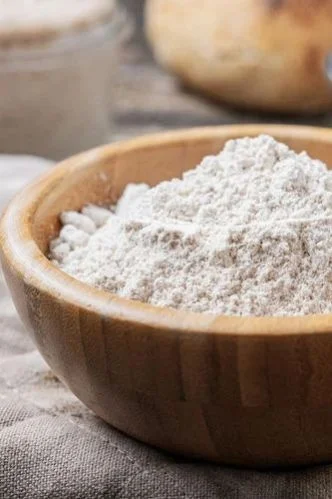
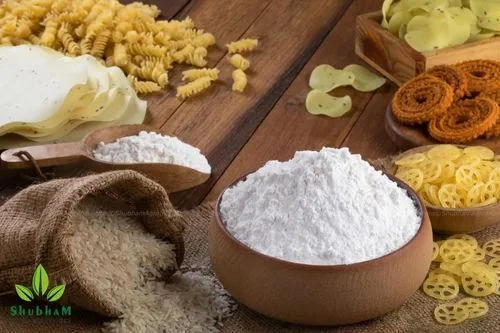
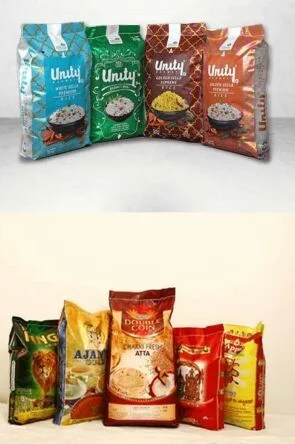
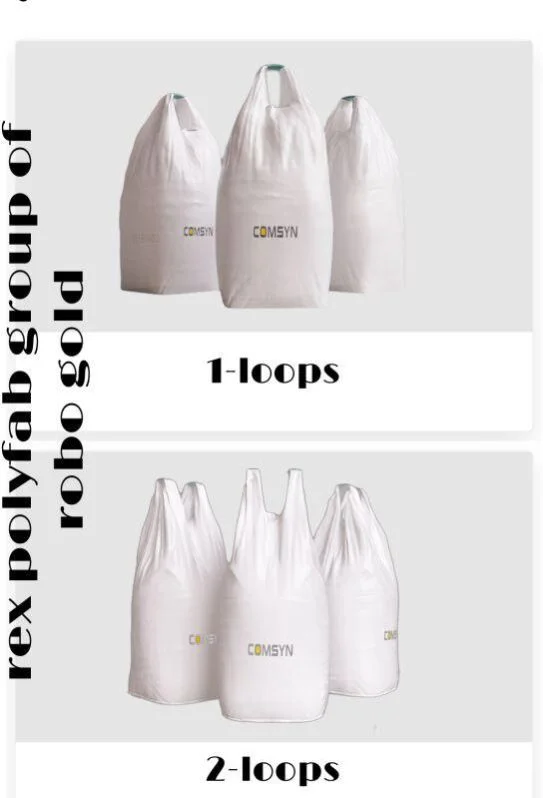
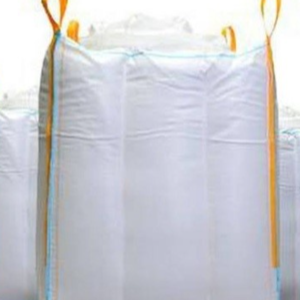
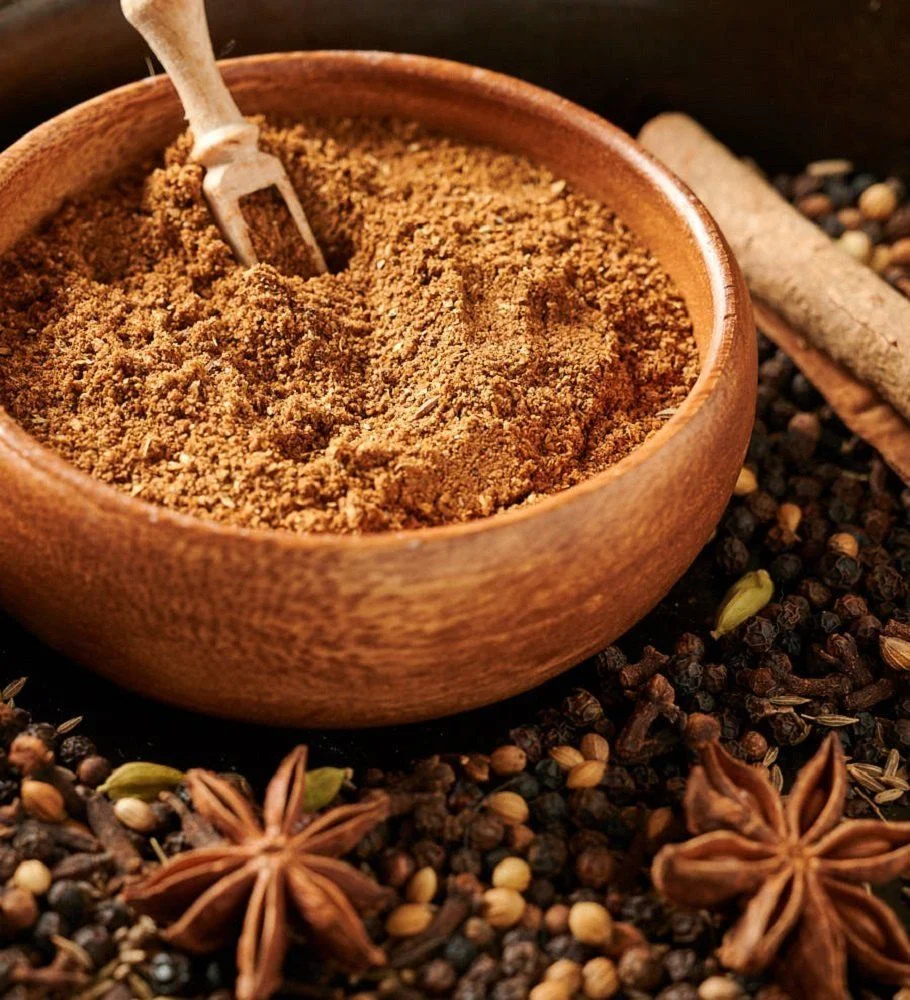
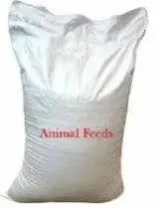
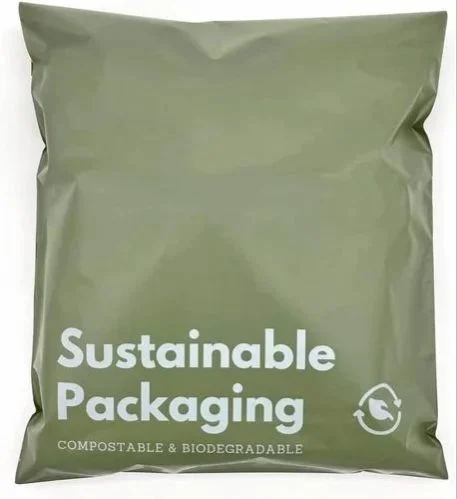
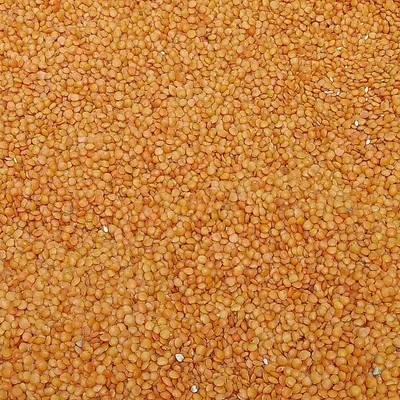
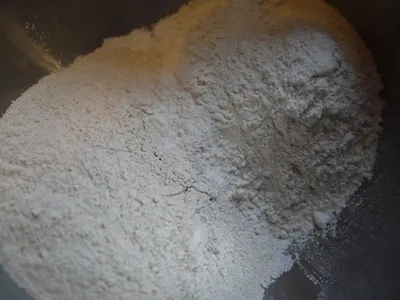
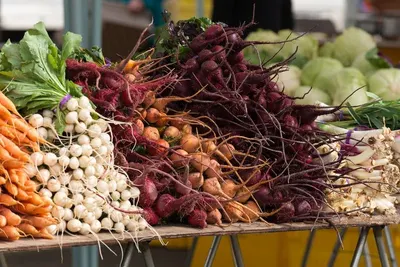
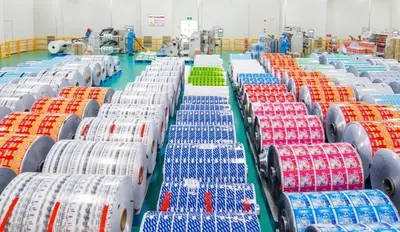
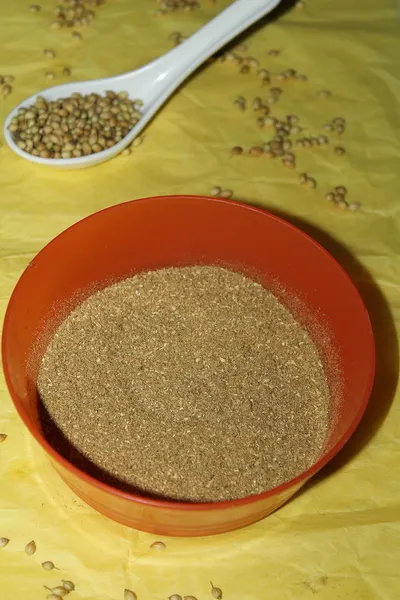
Harvest India operates from India and currently lists seven active products in its catalogue. The product portfolio spans BOPP and PP bags, a range of pulses such as urad and black gram, whole red chilli, assorted fresh fruits and vegetables, wheat flour (maida), split red lentils and rice flour. Each item falls under standard HS code families used for plastic packaging (e.g., 3920), dried legumes (0713), spices (0713), fresh produce (0709), wheat flour (1101) and rice flour (1104). The supplier’s catalogue reflects typical export classifications applied by Indian exporters in these categories. Buyers can locate these items under the listed top categories.
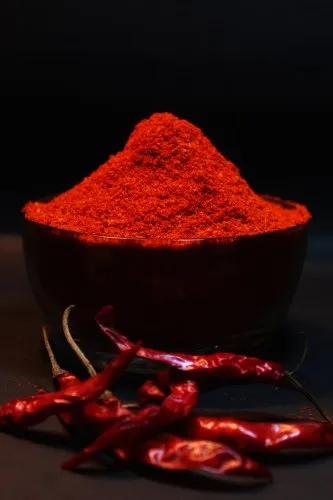
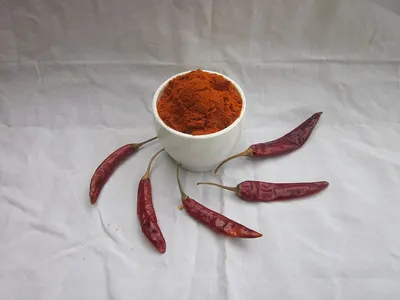
The BOPP and PP bags are described as polymer films suitable for packaging dry goods, while the legume products are presented in split or whole forms commonly used in South Asian cuisine. Red whole chilli is offered as a fresh spice commodity, and the fresh fruit and vegetable line includes perishable items that require refrigerated logistics. Wheat flour and rice flour are listed as refined powders for bakery and food processing applications. The catalogue does not specify certifications, so standard food safety and packaging standards are expected. All seven items are positioned for bulk or container shipments.
Product Range and Specialties of Harvest India
Harvest India’s catalogue includes BOPP and PP bags that are typically supplied in thicknesses ranging from 30 to 100 µm, with melt flow indices between 6 and 12, and are often graded under the HDPE/PP film standards used for food‑grade packaging. The pulse segment lists urad (black gram) in whole, split and skin‑removed forms; typical Indian exports of these legumes meet ICUMSA‑style purity levels above 97 % and moisture contents below 12 %. Red whole chilli is generally traded in grades based on capsaicin content (Scoville units) and colour intensity, with standard moisture limits of 10‑12 %. Fresh fruits and vegetables are classified under HS 0709 and are usually packed in ventilated cartons or bulk crates, with shelf‑life considerations dictating cold‑chain handling. Wheat flour (maida) and rice flour are milled to fineness of 150 µm or finer, with ash content below 0.55 % and protein levels around 10‑12 % for wheat flour and 7‑9 % for rice flour. These specifications align with common import requirements in the Middle East, Europe and Southeast Asia.
Frequently Asked Questions About Harvest India
What HS codes does Harvest India use for its BOPP and PP bags?
The bags are typically classified under HS 3920 10, which covers plastic bags, sacks and similar packaging made of polymers.
Are there standard grades for the red whole chilli offered by Harvest India?
Red whole chilli is generally graded by colour intensity, capsaicin (Scoville) level and moisture (10‑12 %); buyers normally request a certificate of analysis confirming these parameters.
What incoterms are typically used for shipments from Harvest India?
Common incoterms include FOB (Free on Board) from Indian ports and CIF (Cost, Insurance, Freight) for door‑to‑door delivery, depending on buyer preference.
Which quality documents should I request for the urad and black gram products?
Ask for a recent lab report showing moisture content (usually ≤12 %), foreign matter (≤1 %), and aflatoxin levels, plus a phytosanitary certificate for the destination market.
What certifications are commonly required for the wheat flour and rice flour?
Importers often require a certificate of analysis for protein (10‑12 % for wheat, 7‑9 % for rice), ash (<0.55 %), moisture (<14 %) and evidence of an ISO 22000 or FSSC 22000 food‑safety system.
 India
Related Suppliers & Products
Explore similar suppliers, related products and trending categories